Evaluating 100% Cotton Tee Shirts for Quality

Jinan Runhang Textile Co., Ltd.   —— Verified by SGS

application/100-cotton-tee-shirts, application/100-cotton-tee-shirts, 
Inquiry
Inquiry

100 cotton tee shirts

When sourcing 100% cotton tee shirts for your business, it's essential to understand the various factors that influence quality, cost, and suitability for your specific needs. This article addresses crucial buyer concerns, including evaluating quality, understanding specifications for bulk orders, and identifying common issues with cotton t-shirts. As a B2B buyer, this information will help you make informed decisions when purchasing from manufacturers like Jinan Runhang Textile Co., Ltd., which specializes in high-quality apparel.

Key Specifications for Bulk Orders of 100% Cotton T-Shirts

Key Specifications for Bulk Orders of 100% Cotton T-Shirts

When placing bulk orders for 100% cotton t-shirts, certain specifications are critical to ensuring that the product meets your requirements. Here are the key specifications to consider:

Size and Fit: Define the range of sizes you need, including any specific fit requirements (e.g., regular, slim, or loose). Communicate this clearly to the manufacturer to avoid discrepancies.

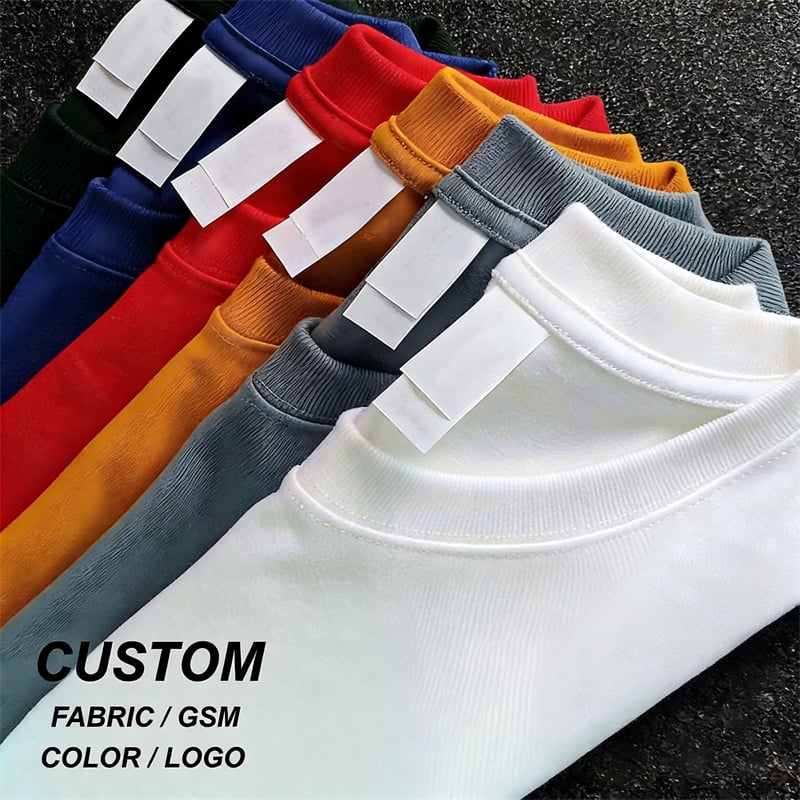
Color Options: Specify the color palette you prefer. Understand that colors may vary slightly between production runs, so request color samples to ensure consistency.

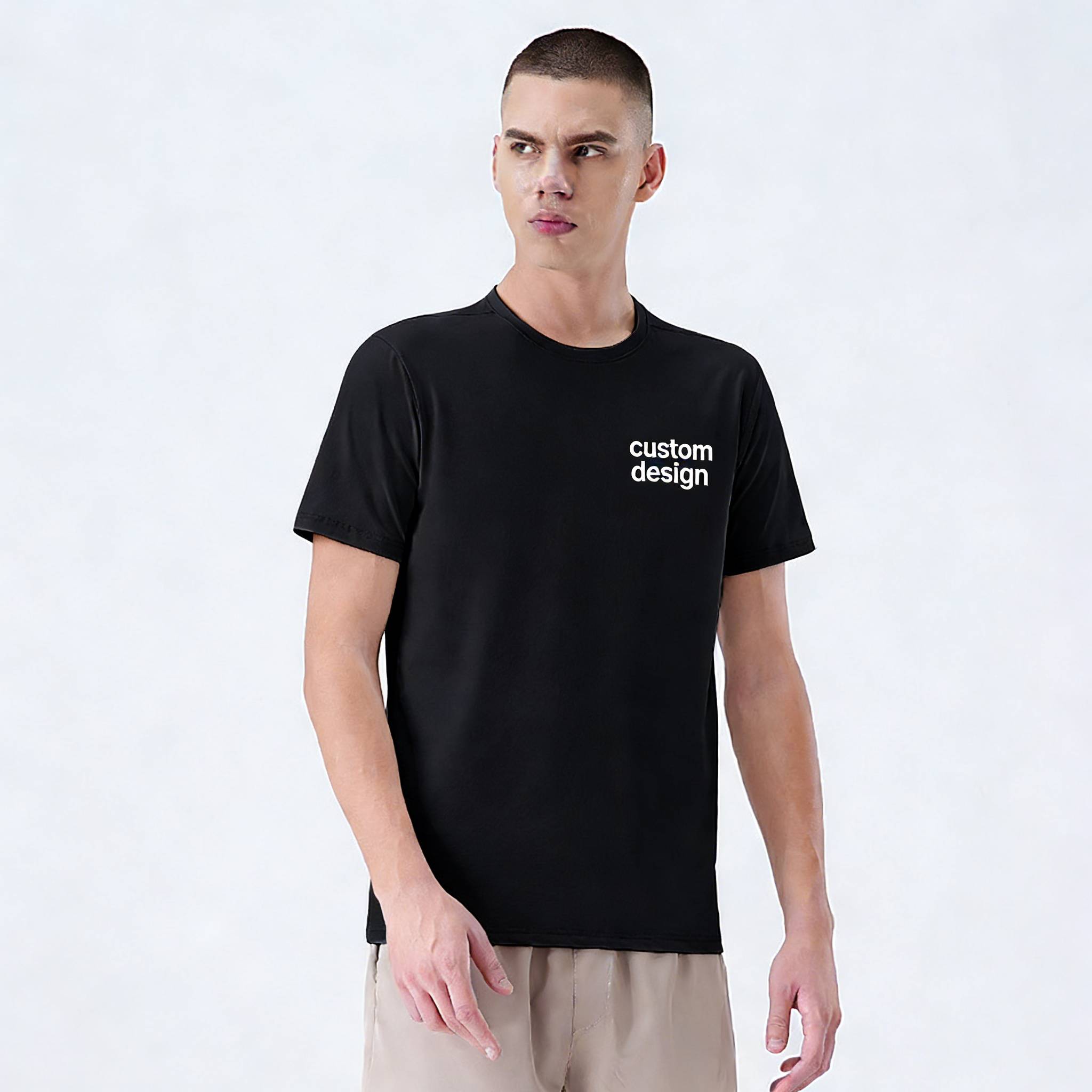
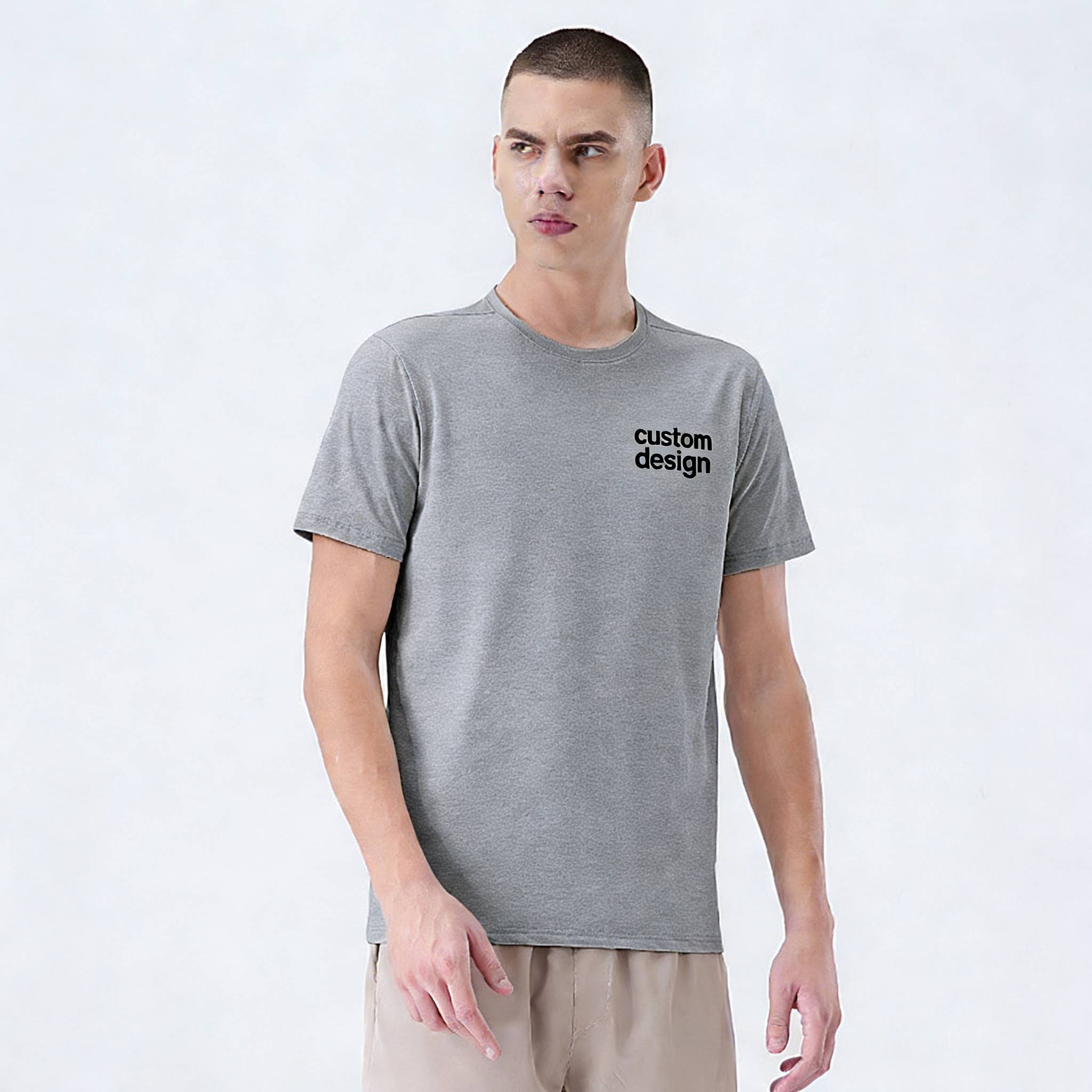
Labeling and Branding: Discuss options for custom labels, tags, or prints. Providing artwork and technical specifications for your branding ensures that the final product aligns with your company's identity.

Minimum Order Quantity (MOQ): Be aware of the mens 100 cotton hoodie manufacturer's MOQ, as this can vary significantly. Ensure that your order aligns with their requirements to avoid unexpected costs.

Delivery Timeline: Confirm lead times for production and shipping. Understanding the timeline allows you to plan your inventory and distribution effectively.

By clearly outlining these specifications, you can streamline the cotton t-shirts applications ordering process and ensure that the final product meets your expectations.

Common Problems with Cotton T-Shirts and Effective Solutions

Common Problems with Cotton T-Shirts and Effective Solutions

Despite the benefits of 100% cotton t-shirts, there are common issues that buyers may face. Here are some prevalent problems and how to address them:

Fading Colors: Over time, cotton t-shirts can fade, especially if not properly cared for. To mitigate this, recommend washing in cold water and avoiding prolonged exposure to sunlight. Additionally, discuss colorfastness with your supplier to ensure the dyes used are of high quality.

Pilling: Pilling occurs when short fibers on the 100 cotton t shirts fabric surface tangle and form small balls. To minimize this, consider using higher quality, longer staple cotton. Discussing the fabric's finishing process with the cotton t-shirts applications manufacturer can also help reduce pilling.

Shrinkage: Even pre-shrunk cotton can experience some shrinkage. Advise your customers on care instructions that include washing in cold water and air drying to maintain size integrity.

Stitching Issues: Inadequate stitching can lead to seams coming undone. Always request samples before bulk orders to inspect stitching quality. If issues arise, establish a clear return and quality assurance policy with your supplier.

By preparing for these common problems, you can enhance customer satisfaction and reduce returns.

Applications of 100% Cotton Tee Shirts in Various Industries

Applications of 100% Cotton Tee Shirts in Various Industries

100% cotton tee shirts serve a variety of applications across different industries. Here are some notable uses:

Promotional Items: Many companies utilize cotton tee shirts for promotional events, giveaways, or as part of their corporate uniform. The comfort and breathability of cotton make it a popular choice for events requiring extended wear.

Retail Fashion: The fashion industry frequently incorporates cotton tees into casual and everyday collections. Buyers in this sector should focus on style, fit, and customization options to meet market trends.

Workwear: Many businesses opt for cotton t-shirts as part of their workwear due to their comfort and breathability. Industries such as hospitality and retail often require durable, easy-to-clean apparel.

Custom Printing: Cotton’s surface is ideal for various printing techniques, including screen printing and direct-to-garment (DTG) printing. This versatility allows businesses to create branded merchandise or personalized products.

Understanding these applications helps buyers select the cotton t-shirts applications right products for their target markets.

Benefits of 100% Cotton in Apparel Manufacturing

Choosing 100% cotton for apparel manufacturing offers several advantages that appeal to both manufacturers and consumers:

Breathability and Comfort: Cotton is a natural fiber known for its breathability. It allows air to circulate, making it comfortable to wear, especially in warmer climates or during physical activities.

Biodegradability: As a natural fiber, cotton is biodegradable, making it an environmentally friendly choice compared to synthetic materials. This aspect is increasingly important to consumers who prioritize sustainability in their purchasing decisions.

Dye Affinity: Cotton has excellent dye affinity, allowing for vibrant colors and patterns. This quality is especially beneficial for brands that want to make a strong visual impact.

Hypoallergenic Properties: Cotton is less likely to cause allergic reactions, making it suitable for sensitive skin. This is a vital consideration for buyers in industries where comfort and skin health are paramount.

Durability: While cotton is soft, it is also resilient. High-quality cotton t-shirts can withstand multiple washes while maintaining their shape and feel, reducing the cotton t-shirts applications need for frequent replacements.

By understanding these benefits, buyers can confidently choose 100% cotton tee shirts that meet their needs and those of their customers.

How to Evaluate the Quality of 100% Cotton Tee Shirts

To ensure you are sourcing premium 100% cotton tee shirts, focus on the following aspects:

Fabric Weight: The weight of the fabric is a key indicator of quality. A standard weight for quality cotton t-shirts is between 150-200 grams per square meter (GSM). Heavier fabrics tend to be more durable and provide better opacity, which is crucial for printing designs.

Yarn Quality: Look for ringspun cotton, known for its softness and strength. The spinning method impacts the feel and durability of the fabric, so it's important to confirm the type of yarn used in the manufacturing process.

Stitching and Construction: Inspect the stitching quality, including the 100 cotton sweatshirt number of stitches per inch. A higher stitch count usually indicates better durability. Check for even seams and secure hems, as these factors contribute to the longevity of the t-shirt.

Pre-shrunk Fabric: Ensure that the cotton t-shirts applications cotton has been pre-shrunk to minimize size changes after washing. This is an important consideration for maintaining the fit and appearance of the shirts post-production.

Certifications: Verify if the cotton is sourced from certified suppliers, such as those with Oeko-Tex certification, ensuring that the fabric meets environmental and safety standards.

By focusing on these elements, you can better assess the quality of 100% cotton tee shirts and avoid potential issues down the line.

Frequently Asked Questions

What materials are used in your 100% cotton tee shirts?

Our 100% cotton tee shirts are made from premium, ring-spun cotton for softness, breathability, and durability, manufactured under our integrated production standards.
We offer a full size range from XS to XXL with classic, slim, and relaxed fits. Custom size grading is available for bulk orders.
Yes. We offer one-stop design-to-delivery services including custom prints, embroidery, tags, and private-label packaging for brand clients.
Standard lead time is 3–6 weeks depending on order size and customization. Expedited production can be arranged subject to capacity.
We maintain strict quality control across integrated production, with pre-shipment inspections and reliable supply chains to support global brands and distributors.

Get a Free Quote

Our representative will contact you soon.
0/1000