Key Specifications to Consider for Wholesale
When sourcing affordable custom T-shirts, several key specifications should be considered to ensure the final product meets your expectations.
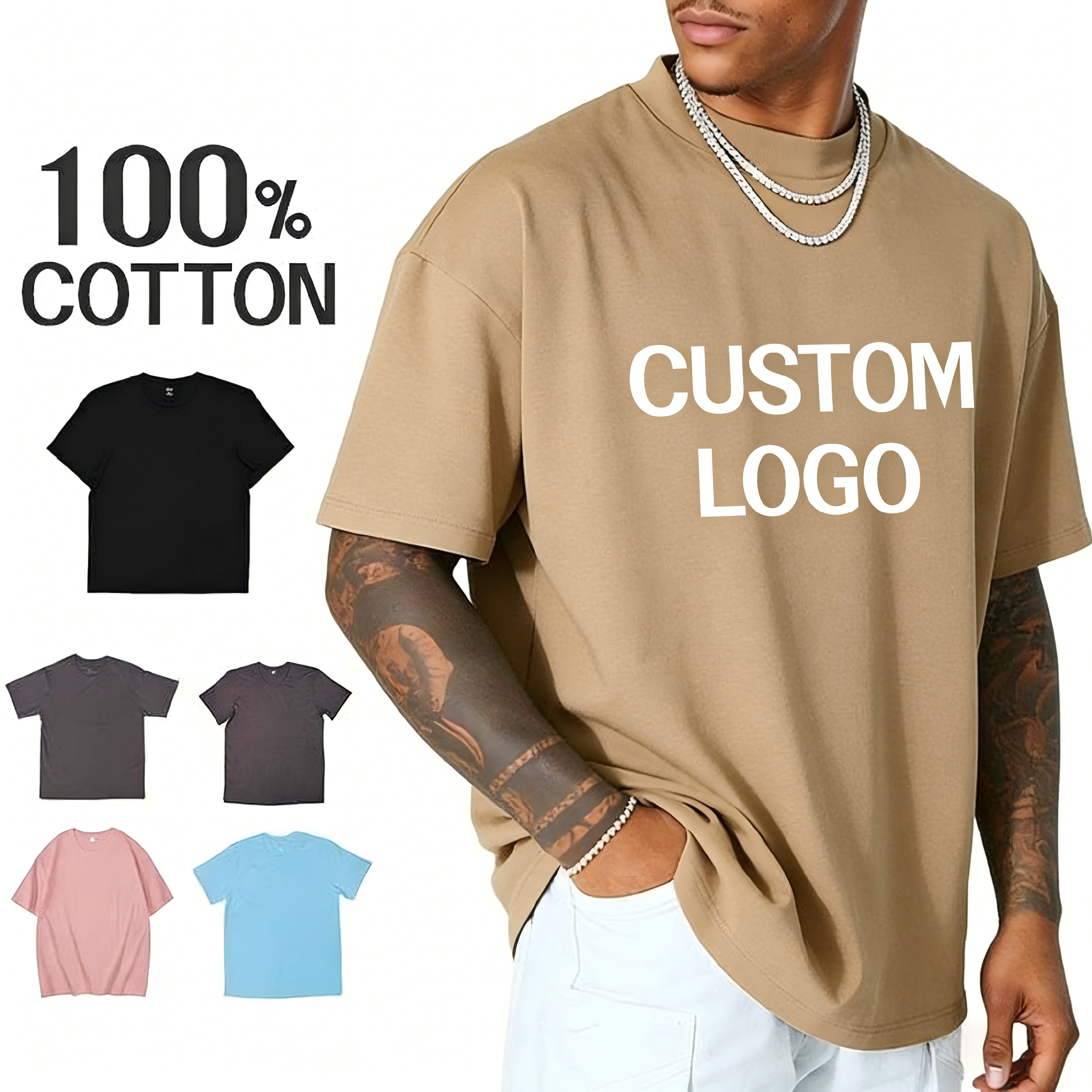
Material: The fabric choice significantly impacts the feel, durability, and functionality of the T-shirt. Common materials include cotton, polyester, and blends. For example, 100% cotton offers breathability and softness, while polyester is more durable and moisture-wicking, making it suitable for athletic wear. Buyers should assess the intended use of the shirts to select the appropriate fabric.
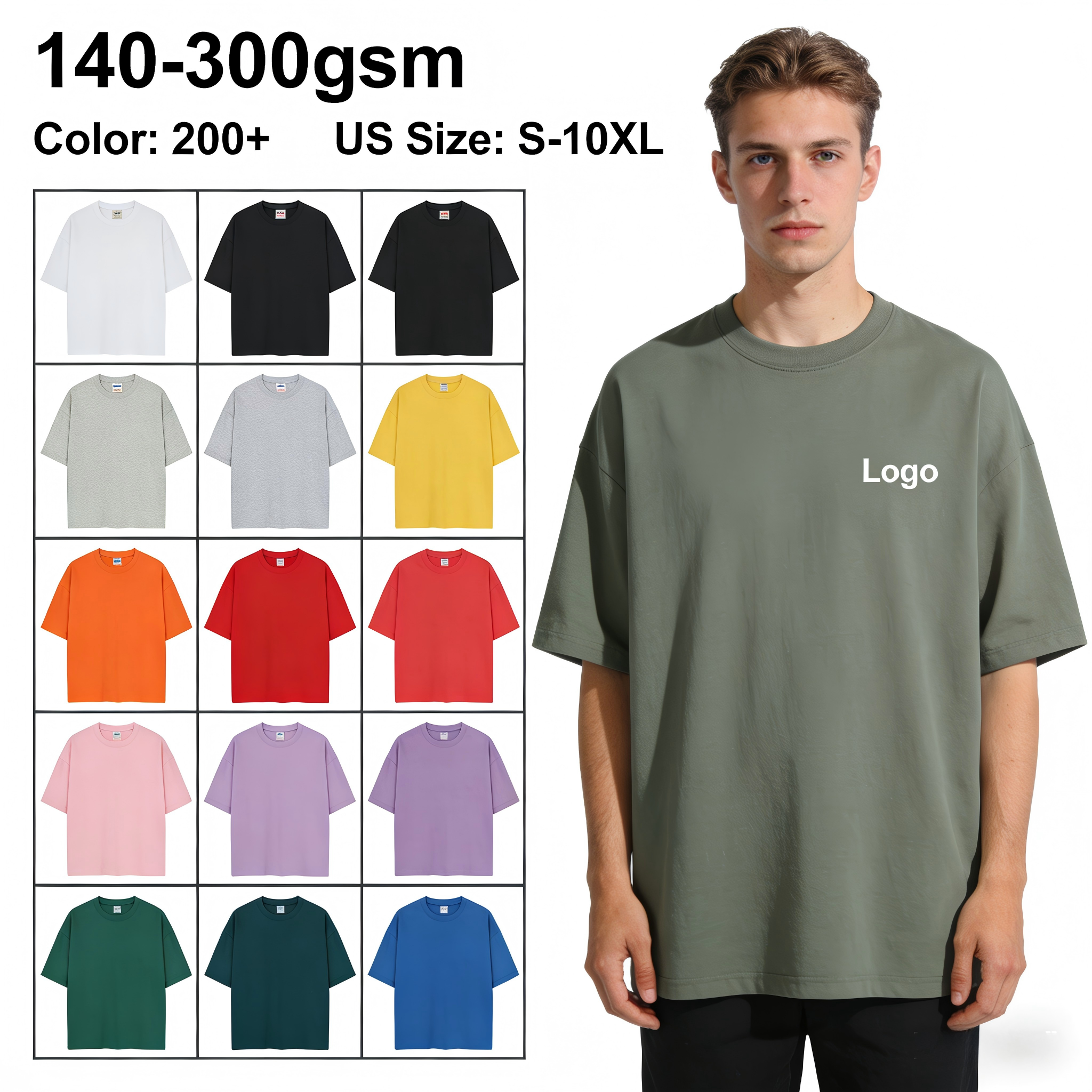
Size and Fit: T-shirt sizes can vary by manufacturer; therefore, establishing a size chart that reflects your target audience is crucial. Consider the fit (e.g., slim, regular, relaxed) as this can affect the overall appeal of the product.
Weight: The weight of the fabric, often measured in grams per square meter (GSM), affects the shirt's quality and comfort. A higher GSM typically indicates a thicker, more durable shirt, which may be preferable for long-term use.
Printing Techniques: Different printing methods, such as screen printing, heat transfer, or direct-to-garment (DTG), can affect the design's quality and longevity. Discuss your design requirements with your supplier to determine the best option.
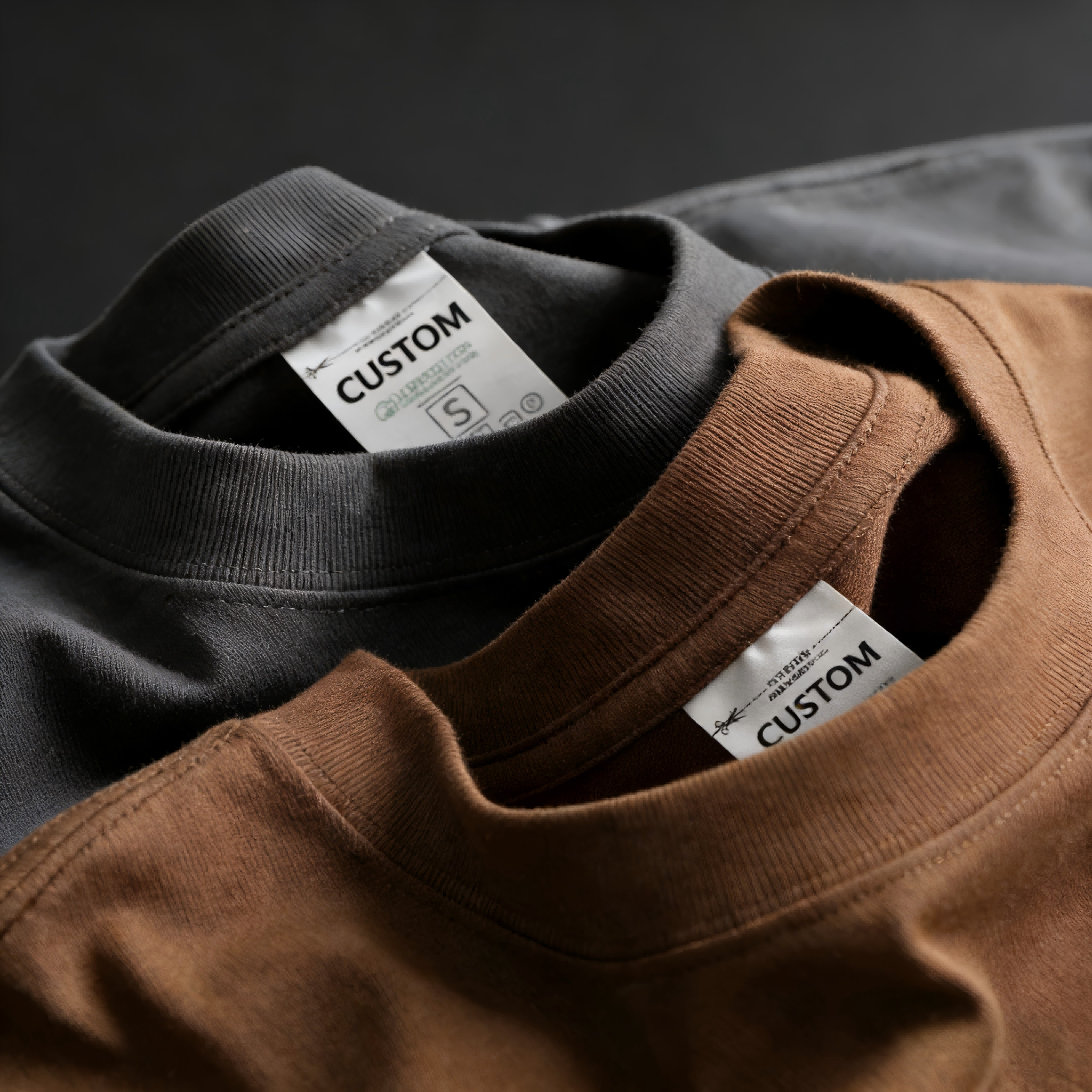
Customization Options: Determine the level of customization you require—this may include colors, logos, or additional features like tags or prints. Ensure your supplier can accommodate these requests within your budget. Additionally, you might want to explore Apparel Accessories that can complement your custom T-shirts.
 EN