Essential Guide to Cotton Poly Blend T-Shirts

Jinan Runhang Textile Co., Ltd.   —— Verified by SGS

application/cotton-poly-blend-t-shirts, application/cotton-poly-blend-t-shirts, 
Inquiry
Inquiry

cotton poly blend t shirts

Cotton poly blend T-shirts are an increasingly popular choice in the apparel industry, balancing comfort and durability while offering a versatile solution for various applications. For B2B buyers, such as purchasing managers and distributors, selecting the right blend and understanding its specifications are critical to meeting customer demands and ensuring product quality. This article will guide you through essential considerations, from key specifications and cost factors to applications and supplier evaluation, helping you make informed purchasing decisions.

Cost Factors for Wholesale Cotton Poly Blend T-Shirts Explained

Cost Factors for Wholesale Cotton Poly Blend T-Shirts Explained

Several cost factors influence the pricing of wholesale cotton poly blend T-shirts:

Material Costs: The price of cotton and polyester fluctuates based on market conditions. Higher-quality cotton, such as organic or combed cotton, can increase material costs, while cheaper synthetic alternatives can lower them. It's essential to balance quality with cost-effectiveness.

Production Volume: Bulk orders typically reduce the per-unit cost due to economies of scale. Manufacturers often have minimum order quantities (MOQ), which can affect pricing. Understanding your order volume can help negotiate better rates.

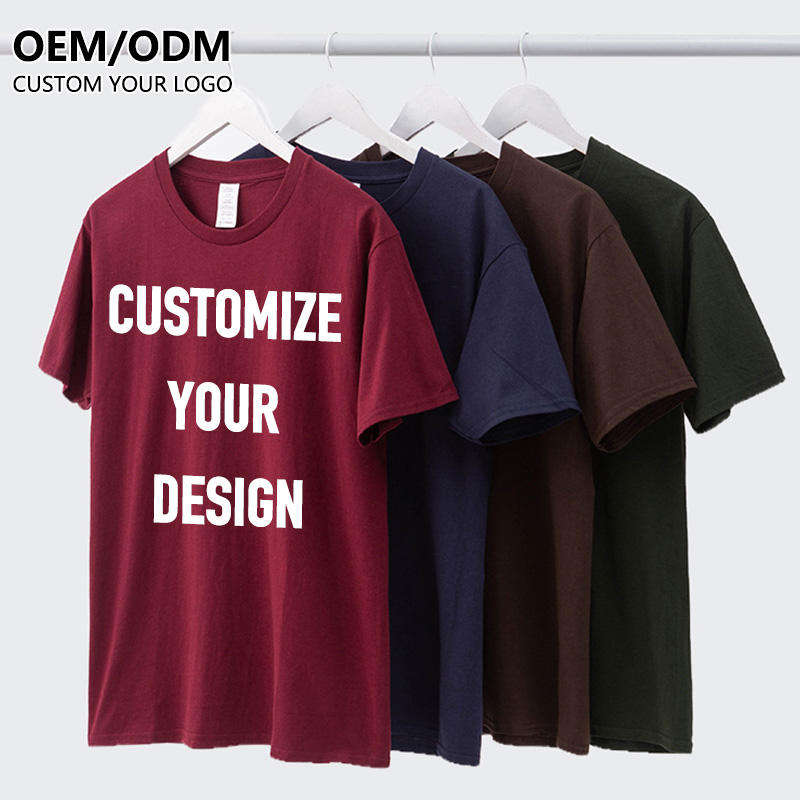
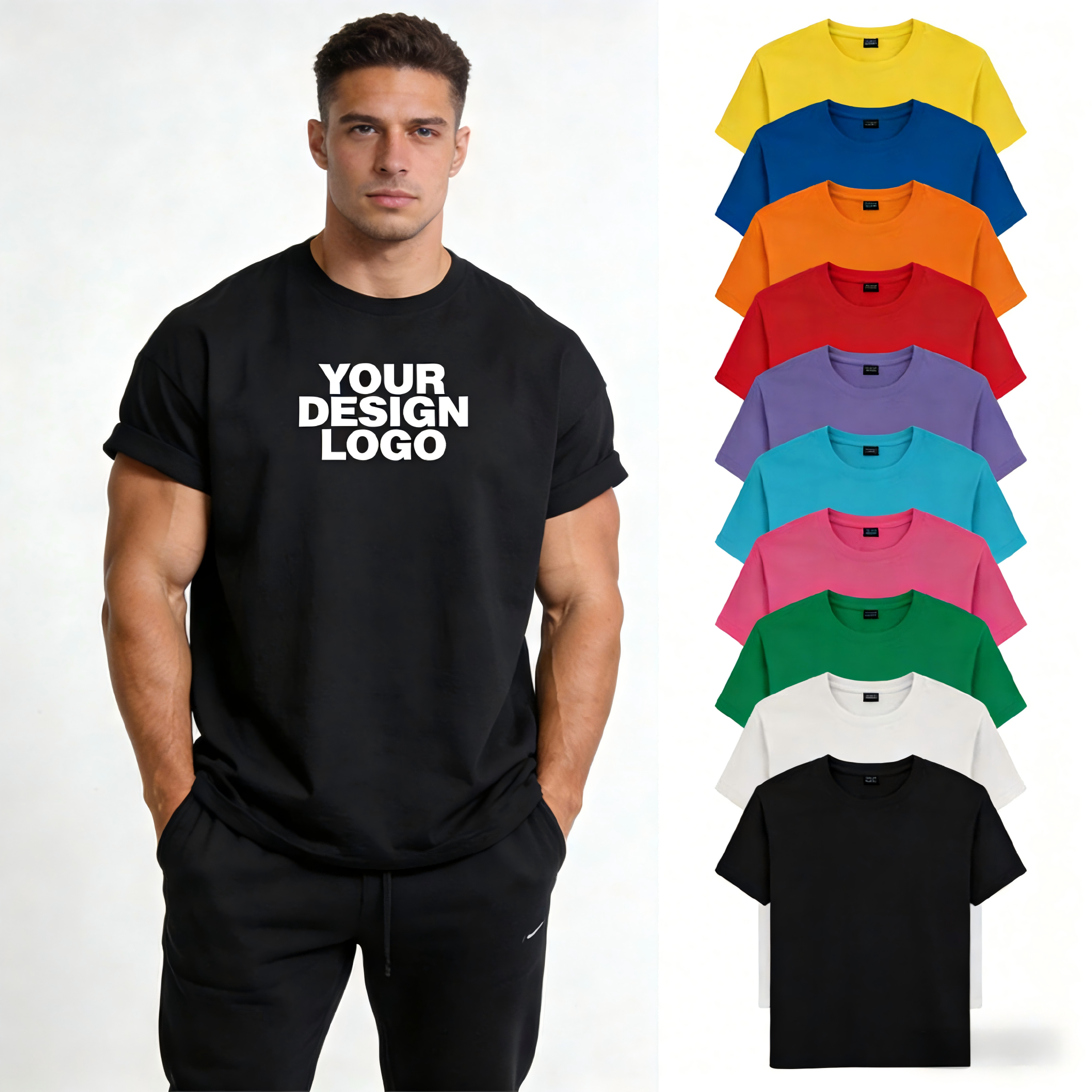
Customization: Custom designs, such as screen printing or embroidery, can significantly impact the overall cost. Buyers should factor in setup fees for customizations and whether they align with the intended market. For example, many businesses opt for Hoodies & Sweatshirts as part of their custom apparel offerings.

Certification and Compliance: If your T-shirts need to meet specific industry standards or certifications (e.g., OEKO-TEX, GOTS for organic materials), the costs may increase. Ensure that these compliance requirements are considered upfront during the purchasing process.

Shipping and Logistics: Import duties, shipping fees, and logistical considerations can all affect the final price. Obtaining quotes from different suppliers can provide a clearer picture of total costs.

By understanding these cost factors, buyers can make more informed decisions and budget accordingly.

Applications of Cotton Poly Blend T-Shirts in Various Industries

Applications of Cotton Poly Blend T-Shirts in Various Industries

Cotton poly blend T-shirts serve diverse industries, each with unique application requirements:

Retail: In the retail sector, these T-shirts are popular for casual wear and promotional products. Their comfort and durability make them ideal for everyday use.

Corporate Branding: Many companies use cotton poly blend T-shirts for employee uniforms or promotional giveaways. The ability to customize them with company logos enhances brand visibility.

Sports and Fitness: Due to their moisture-wicking properties, cotton poly blends are often used in athletic wear. They provide comfort during physical activities while maintaining a stylish appearance.

Event Merchandise: T-shirts are a staple for events, from concerts to charity runs. Their versatility and ease of customization make them an excellent choice for event merchandise.

Healthcare and Hospitality: In these sectors, comfortable and durable T-shirts are commonly used for staff uniforms. The blend's easy washability contributes to maintaining a professional appearance.

Recognizing the applications relevant to your industry can help you tailor your product offerings to meet specific customer needs.

Installation Guidance for Cotton Poly Blend T-Shirts and Related Products

Installation Guidance for Cotton Poly Blend T-Shirts and Related Products

While T-shirts don't require installation in the traditional sense, there are important steps to consider during product integration into your inventory:

Quality Inspection: Before accepting a bulk shipment, conduct a quality inspection. Check for consistency in size, stitching, and color. Ensure that samples match the agreed-upon specifications.

Storage Recommendations: Store T-shirts in a cool, dry place to avoid moisture damage and fading. Ensure that they are folded or hung to maintain their shape.

Labeling and Tagging: Ensure that proper labeling is in place, including care instructions and size tags. This can facilitate better customer experience and adherence to care guidelines.

Promotional Displays: If using T-shirts in retail, consider how they will be displayed. Effective merchandising can enhance visibility and attract customers.

Following these guidelines will help ensure that your cotton poly blend T-shirts are ready for market and maintain their quality through storage and display.

Where to Find Trusted Suppliers of Cotton Poly Blend T-Shirts

Finding reliable suppliers for cotton poly blend T-shirts is crucial for ensuring product quality and service. Here are some tips for sourcing trustworthy partners:

Industry Directories: Utilize industry directories and trade shows to identify potential suppliers. These platforms often provide contact details and company backgrounds, helping you assess their credibility.

Samples and Prototypes: Always request samples before placing large orders. This allows you to evaluate the fabric quality, stitching, and overall construction of the T-shirts.

Customer Reviews and References: Seek feedback from other clients who have worked with the supplier. Positive testimonials can indicate reliability and quality service.

Certifications and Compliance: Verify if the supplier holds relevant certifications for quality and compliance. This can provide assurance regarding their manufacturing standards.

Communication and Support: Choose suppliers that offer responsive customer service. Effective communication is vital for addressing any questions or concerns during the ordering process.

By following these steps, you can build a reliable supply chain for your cotton poly blend T-shirts, ensuring consistent quality and service to meet your business needs.

Key Specifications for Cotton Poly Blend T-Shirts You Should Know

When evaluating cotton poly blend T-shirts, several key specifications should be considered:

Composition: Cotton poly blends typically consist of 60-80% cotton and 20-40% polyester. The cotton content provides breathability and softness, while the polyester enhances durability and wrinkle resistance. Buyers should consider the intended use of the T-shirts to determine the appropriate blend; for instance, a higher cotton content may be preferred for comfort in casual wear.

Weight: The weight of the fabric, measured in grams per square meter (GSM), affects the feel and durability of the T-shirt. Common weights range from 140 GSM for lightweight options to 200 GSM for heavier, more robust shirts. Lighter fabrics are suitable for summer wear, while heavier options may be better for cooler climates or more rigorous use.

Construction: The method of construction, including stitch type and seam finishes, impacts the garment's strength and longevity. Double-stitched seams usually offer better durability, especially in high-stress areas like the shoulders and sleeves.

Fit and Size Options: Different fit styles (e.g., regular, fitted, or relaxed) and a range of sizes can cater to diverse customer preferences. Offering a comprehensive size range can help meet market demands.

Colorfastness and Washability: The dyeing process affects how well the colors hold up after multiple washes. Buyers should inquire about tests for colorfastness and ensure that the T-shirts maintain their appearance over time. Additionally, exploring Apparel Accessories can enhance the overall product offering.

Understanding these specifications allows you to select T-shirts that align with your brand's quality standards and customer expectations.

Get a Free Quote

Our representative will contact you soon.
0/1000