Key Considerations for Custom Apparel Printing

Jinan Runhang Textile Co., Ltd.   —— Verified by SGS

application/custom-apparel-printing, application/custom-apparel-printing, 
Inquiry
Inquiry

custom apparel printing

Custom apparel printing is an essential service for businesses looking to create unique and branded clothing items. Companies often seek high-quality custom apparel to enhance their branding, engage with customers, and create a cohesive team image. However, B2B buyers face challenges when evaluating printing services, materials, and bulk orders. This article will guide you through the key considerations when selecting custom apparel printing services, helping you make informed purchasing decisions.

Comparing Material Options for Custom Apparel Printing Solutions

Comparing Material Options for Custom Apparel Printing Solutions

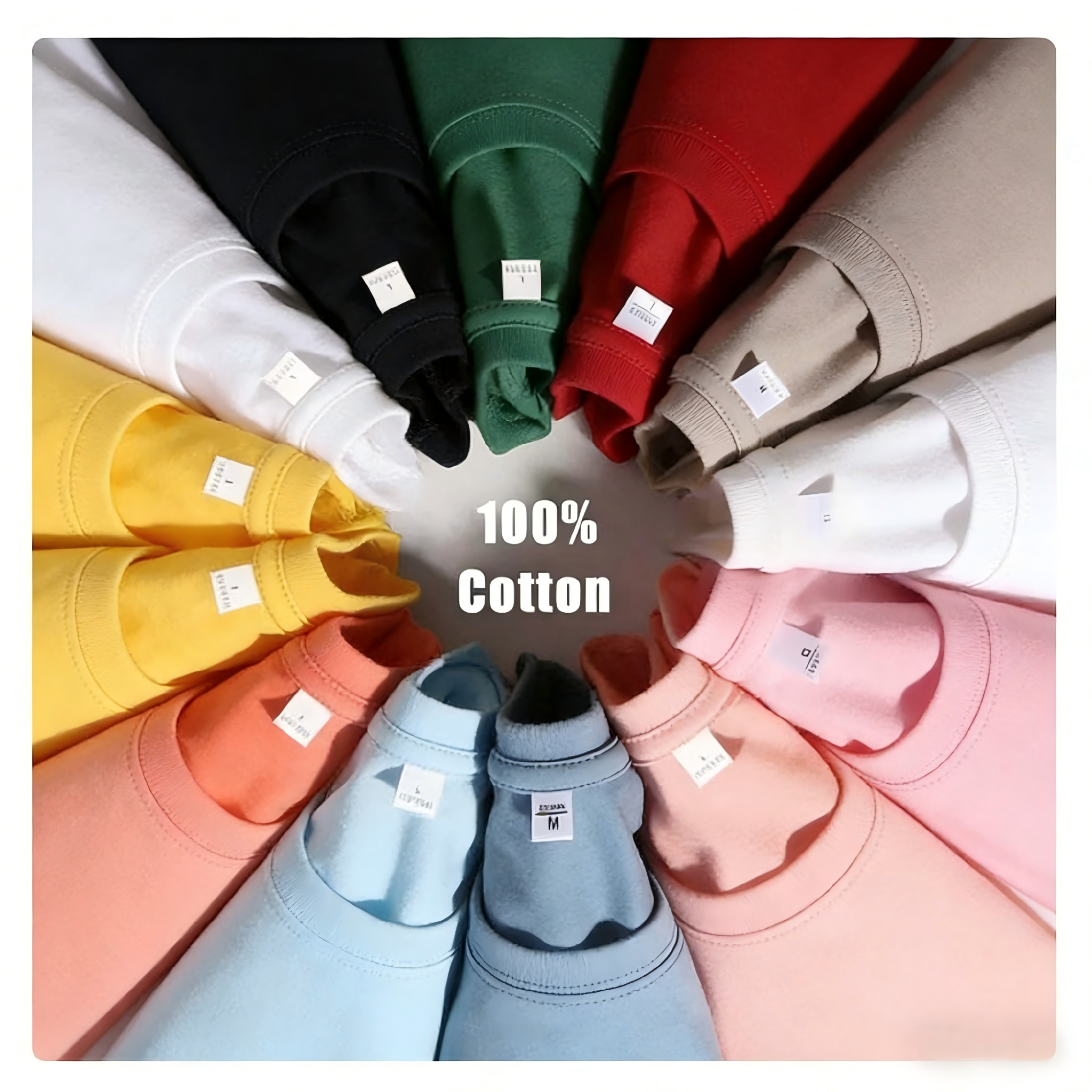
The choice of material plays a critical role in the success of custom apparel printing. Common materials include cotton, polyester, and blends of both. Cotton is favored for its comfort and breathability, making it an excellent choice for casual wear. However, it may not always offer the best durability for printed designs. Polyester, on the other hand, is more resistant to fading, shrinking, and wrinkling, making it suitable for sportswear and outdoor apparel.

When comparing materials, also consider the weight and texture. Heavier fabrics may provide a premium feel and durability, while lighter fabrics can enhance comfort in warmer climates. Additionally, some materials may require different printing methods or inks, which could affect your overall cost and timelines. For example, if you're interested in lightweight options, Hoodies & Sweatshirts can be a great choice.

It is advisable to request fabric samples from your supplier to evaluate their feel and print quality. This hands-on approach not only helps you make a more informed decision but also ensures that the material meets your specific application needs.

What to Consider When Placing a Bulk Order for Custom Apparel

What to Consider When Placing a Bulk Order for Custom Apparel

Placing a bulk order for custom apparel involves various considerations that can influence both the process and the final outcome. First, determine your Minimum Order Quantity (MOQ), which varies by manufacturer. Understanding the MOQ helps you evaluate whether the order size fits your budget and needs.

Next, clarify your design requirements including artwork, color specifications, and any customization options. Providing detailed technical drawings or digital files can streamline the production process and minimize revisions. It is also essential to confirm lead times, which can vary based on the complexity of your order and the manufacturer’s capacity.

Additionally, inquire about the payment terms and shipping details. Understanding the logistics involved will help you manage your inventory effectively and align with your project timelines. Establishing clear communication with the supplier about these aspects can reduce misunderstandings and delays.

Quality Control Measures in Custom Apparel Printing Manufacturing

Quality Control Measures in Custom Apparel Printing Manufacturing

Quality control is a critical aspect of the custom apparel printing process. Effective quality control measures ensure that the final products meet both your specifications and industry standards. Start with the initial sample approval stage. Before mass production, request a pre-production sample to assess the print quality, color accuracy, and overall finish. This sample should reflect the actual production process, including the chosen printing method and materials.

During production, it is vital to implement in-process inspections. Regular checks can catch errors early, such as misalignment of designs or color discrepancies. Ask your supplier about their quality assurance protocols and whether they include third-party inspections or audits.

Post-production quality checks should also be conducted. Review a random selection of finished items to verify that they meet the agreed-upon specifications. This process can help you identify any potential issues with the final products, ensuring that only high-quality apparel reaches your customers.

Best Practices and Tips

When engaging in custom apparel printing, several best practices can enhance your experience and results. First, communicate openly with your supplier. Share your expectations, timelines, and any concerns you may have. This collaboration can lead to better outcomes and a smoother production process.

Consider investing in professional artwork. High-resolution graphics and clear design files will translate better in the printing process, resulting in a more polished final product. Also, discussing color matching with your supplier can help ensure consistency across different batches, particularly if you plan to reorder in the future.

Lastly, maintain a comprehensive record of your orders, including specifications, communication with the supplier, and any approvals or changes made during the process. This documentation can serve as a valuable reference for future orders and help build a strong relationship with your supplier. Additionally, exploring options like Polo Shirts can diversify your product offerings.

By following these guidelines, you can navigate the complexities of custom apparel printing with greater confidence, ultimately leading to successful branding and customer engagement.

Key Specifications to Evaluate in Custom Apparel Printing Services

When assessing custom apparel printing services, it’s crucial to focus on several key specifications that will impact the final product. Start by considering the printing method, which can include screen printing, digital printing, and heat transfer. Each method has its pros and cons regarding durability, color fidelity, and cost-effectiveness. For instance, screen printing is often preferred for bulk orders due to its efficiency and lower cost per unit, but digital printing provides greater flexibility for smaller runs and complex designs.

Next, evaluate the ink quality and types. Water-based and plastisol inks are common choices, with water-based inks offering a softer feel and better breathability, while plastisol inks provide vibrant colors and durability. Discuss the intended use of the apparel with your supplier to determine which ink type aligns best with your needs.

Lastly, consider the garment specifications such as fabric type, weight, and fit. Each of these factors can affect how well the printed design adheres to the fabric and how the final product feels. Discussing these specifications with the manufacturer ensures that the selected apparel meets your quality expectations. For instance, if you're looking for a specific fit, you might explore options like Apparel Accessories to complement your designs.

Get a Free Quote

Our representative will contact you soon.
0/1000