Custom Cap Patches for Branding and Quality Assurance

Jinan Runhang Textile Co., Ltd.   —— Verified by SGS

application/custom-cap-patch, application/custom-cap-patch, 
Inquiry
Inquiry

custom cap patch

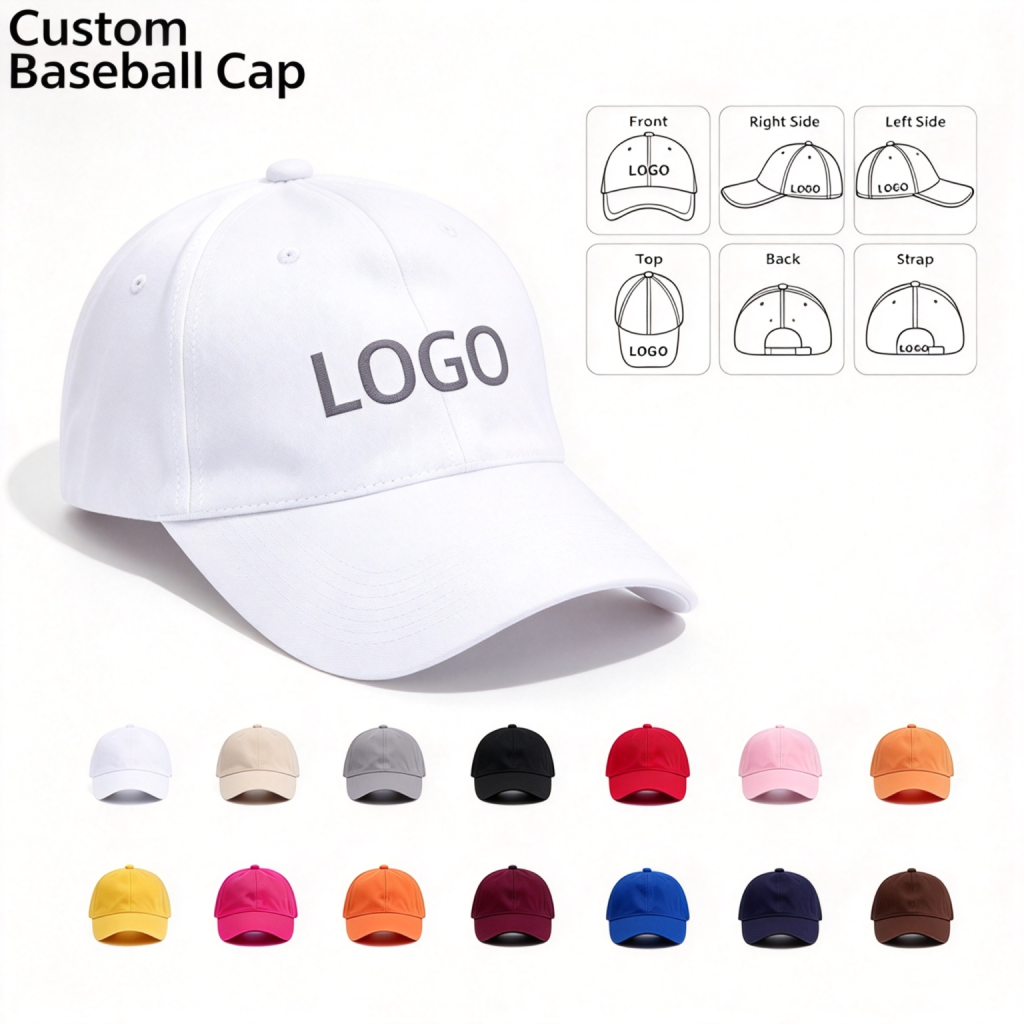
Custom cap patches are an essential branding and personalization tool for a variety of industries, particularly in apparel and promotional products. As a B2B buyer, you may have concerns about quality, cost, and application suitability when selecting custom cap patches for your projects. This article will guide you through key considerations, specifications, and best practices for evaluating and installing custom cap patches, enabling you to make informed purchasing decisions.

Specifications to Consider When Selecting Custom Cap Patches

Specifications to Consider When Selecting Custom Cap Patches

Several specifications should guide your selection of custom cap patches. Key factors include:

Material: Choose a material that aligns with your brand’s aesthetic and intended use. For outdoor applications, look for materials that are UV-resistant and waterproof.

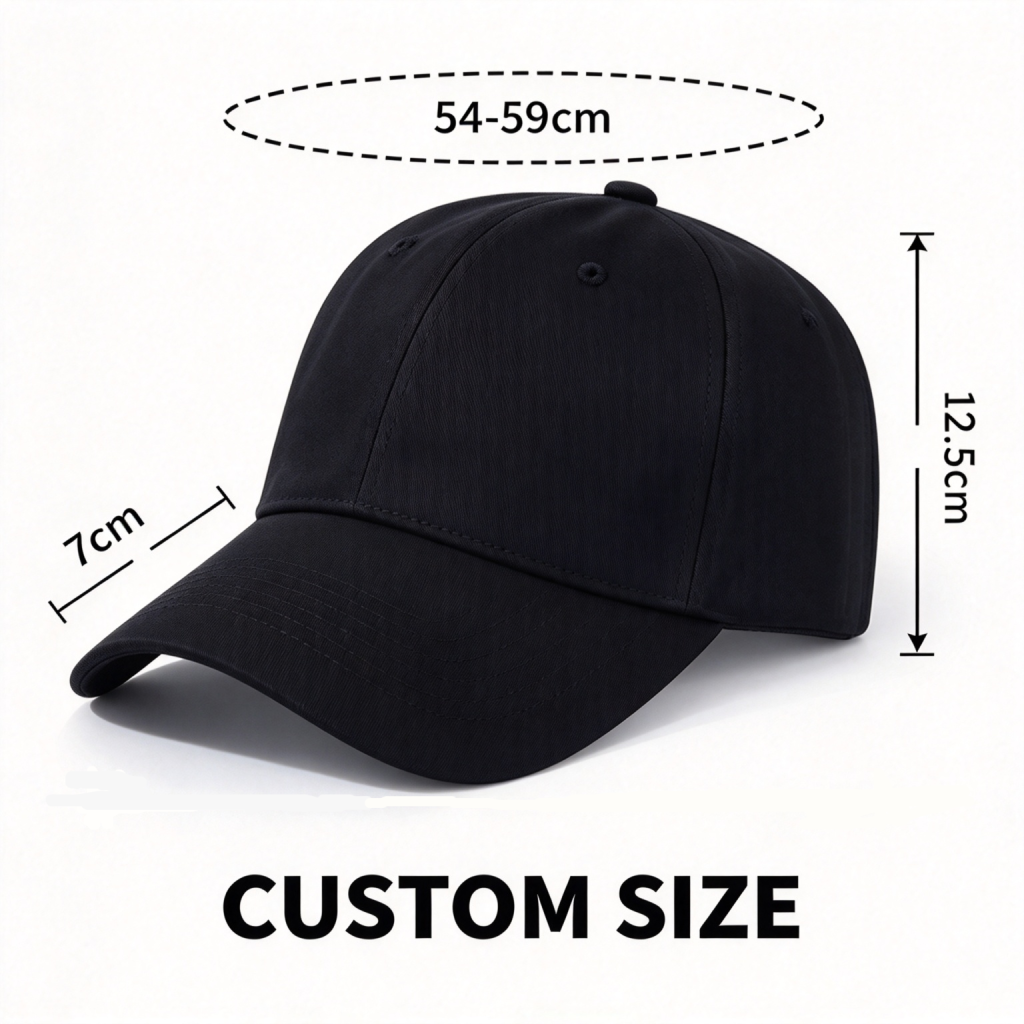
Size and Shape: The dimensions of the patch should fit the intended garment or accessory properly. Custom shapes can enhance branding but might increase production costs.

Attachment Method: Consider how the patches will be applied. Options include sew-on, iron-on, or adhesive backing. Each method has specific application processes and durability factors.

Thread Count: For embroidered patches, a higher thread count typically results in better detail and a more professional appearance.

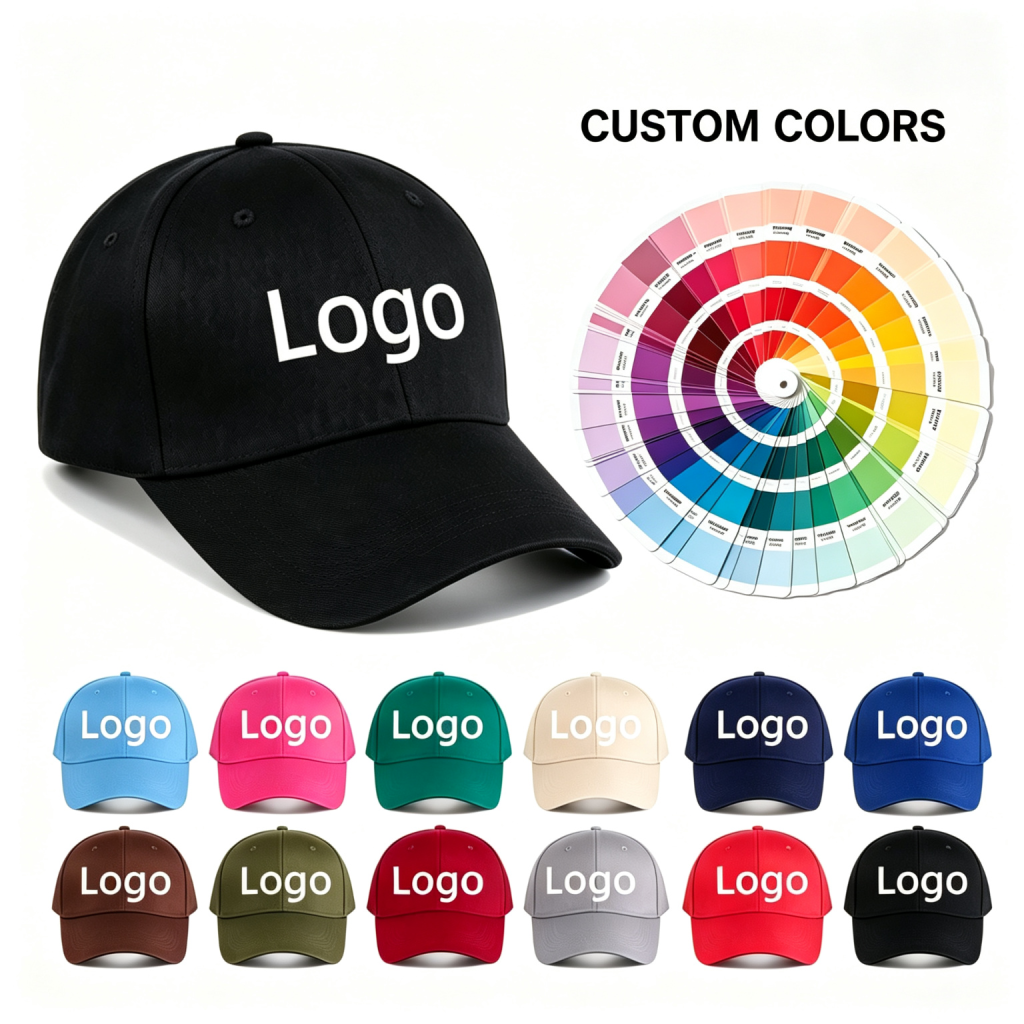
Color Fastness: Ensure that the colors used in the patches are resistant to fading from washing or exposure to sunlight, which is particularly important for apparel that will be worn frequently. Choosing the right apparel, such as Apparel Accessories, can further enhance the effectiveness of your branding efforts.

Understanding these specifications will help you select patches that meet your project needs while ensuring quality and durability.

How to Evaluate the Quality of Custom Cap Patches for Bulk Orders

How to Evaluate the Quality of Custom Cap Patches for Bulk Orders

Evaluating the quality of custom cap patches before placing a bulk order is essential. Here are some practical steps to ensure you make a sound investment:

Request Samples: Before committing to a large order, always request samples of the patches. This allows you to assess the material, stitching quality, and overall appearance firsthand.

Inspect Workmanship: Look for clean edges, uniform stitching, and consistent color application. Any irregularities can indicate poor quality, which could reflect negatively on your brand.

Durability Testing: Verify the durability of the patches through tests such as washing and abrasion to ensure they can withstand the intended use without damage.

Supplier Reputation: Research the supplier’s reputation in the industry. Reviews and testimonials from other B2B clients can provide insights into the quality of their products and customer service.

Certifications: Check if the supplier adheres to quality control standards or has certifications that demonstrate their commitment to quality manufacturing practices.

By following these steps, you can confidently select high-quality patches that align with your business needs.

Installation Guidance for Custom Cap Patches on Apparel Products

Installation Guidance for Custom Cap Patches on Apparel Products

Proper installation of custom cap patches is crucial for both appearance and longevity. Here are some detailed guidelines:

Preparation: Ensure the garment is clean and dry before applying patches. Any dirt or moisture can affect adhesion or the sewing process.

Positioning: Determine the ideal placement for the patch. It should be aligned properly, typically centered on the cap or garment. Use a fabric marker to mark the position lightly.

Attachment Methods:

Sew-On: Use a sewing machine or hand stitching for a secure attachment. Ensure that the thread matches the patch and garment colors for a clean finish.Iron-On: For iron-on patches, set the iron to the appropriate temperature (usually medium without steam), and place a cloth over the patch before applying the iron for about 10-15 seconds. Allow it to cool before checking the adhesion.Adhesive Backing: If using adhesive patches, ensure the surface is smooth and press firmly to ensure a proper bond.

Post-Installation Care: Advise end-users on how to care for the patched garments, such as washing instructions to maintain the integrity of both the garment and the patch.

By following these steps, you can ensure a professional finish that enhances the overall quality of the apparel.

Key Applications for Custom Cap Patches in the Manufacturing Sector

Custom cap patches have diverse applications in the manufacturing sector. Here are some key areas where they add value:

Branding and Marketing: Companies often use custom patches to promote their brand identity on workwear, uniforms, and promotional items. This not only enhances brand visibility but also fosters a sense of unity among employees.

Safety and Compliance: In certain manufacturing environments, patches can indicate safety certifications or compliance standards. This helps ensure that employees are recognized for their qualifications and adherence to safety protocols.

Custom Identification: Custom patches can be used for employee identification, showcasing job titles or departments. This is particularly useful in large facilities where quick identification of roles enhances communication and safety.

Event Promotions: Manufacturing companies often participate in trade shows or community events. Custom cap patches can serve as promotional giveaways, helping to draw attention to the brand and its offerings.

Understanding the specifications, quality evaluation, installation, and applications of custom cap patches will empower B2B buyers to make informed decisions. By carefully considering these factors, you can select the right patches that align with your branding efforts and operational needs.

Comparing Quality and Cost of Custom Cap Patches for Projects

When assessing custom cap patches, it’s crucial to balance quality and cost. High-quality patches typically use durable materials such as twill, polyester, or vinyl, which offer longevity and resistance to wear. These materials may come at a higher initial cost but can reduce replacement expenses over time. In contrast, lower-cost options might use cheaper materials that can fade or fray quickly, leading to additional costs in the long run.

B2B buyers should also consider the production technique used for the patches. Embroidered patches, for instance, generally offer a premium appearance and durability compared to printed patches, which may be more cost-effective but less long-lasting. Understanding your project's specific requirements will help you determine whether investing in higher-quality patches will ultimately benefit your brand image and customer satisfaction. Additionally, exploring options like Hoodies & Sweatshirts can enhance your overall branding strategy.

Get a Free Quote

Our representative will contact you soon.
0/1000