Custom Embroidered Shirts: Sourcing & Supplier Tips

Jinan Runhang Textile Co., Ltd.   —— Verified by SGS

application/custom-embroidered-shirts-polo, application/custom-embroidered-shirts-polo, 
Inquiry
Inquiry

custom embroidered shirts polo

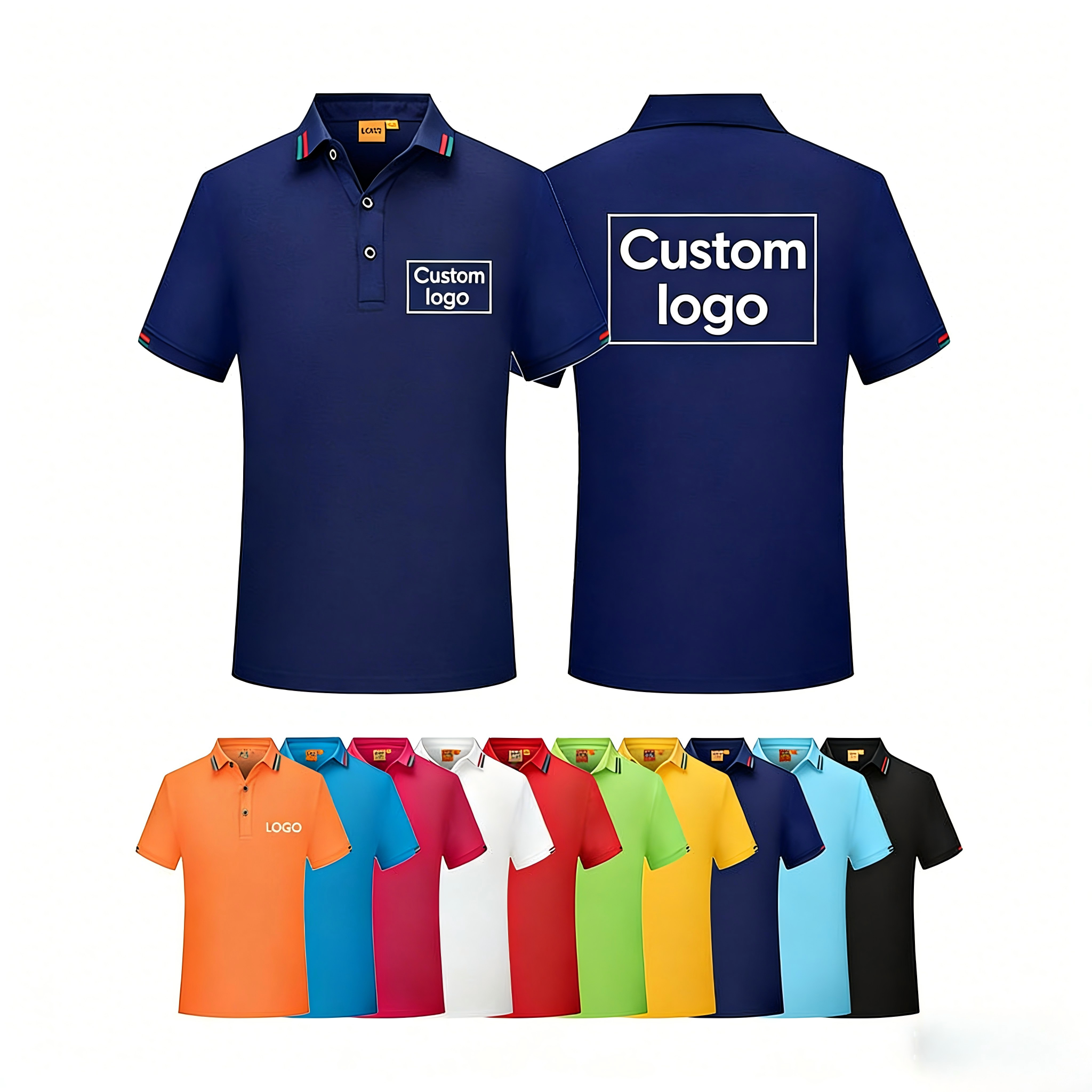
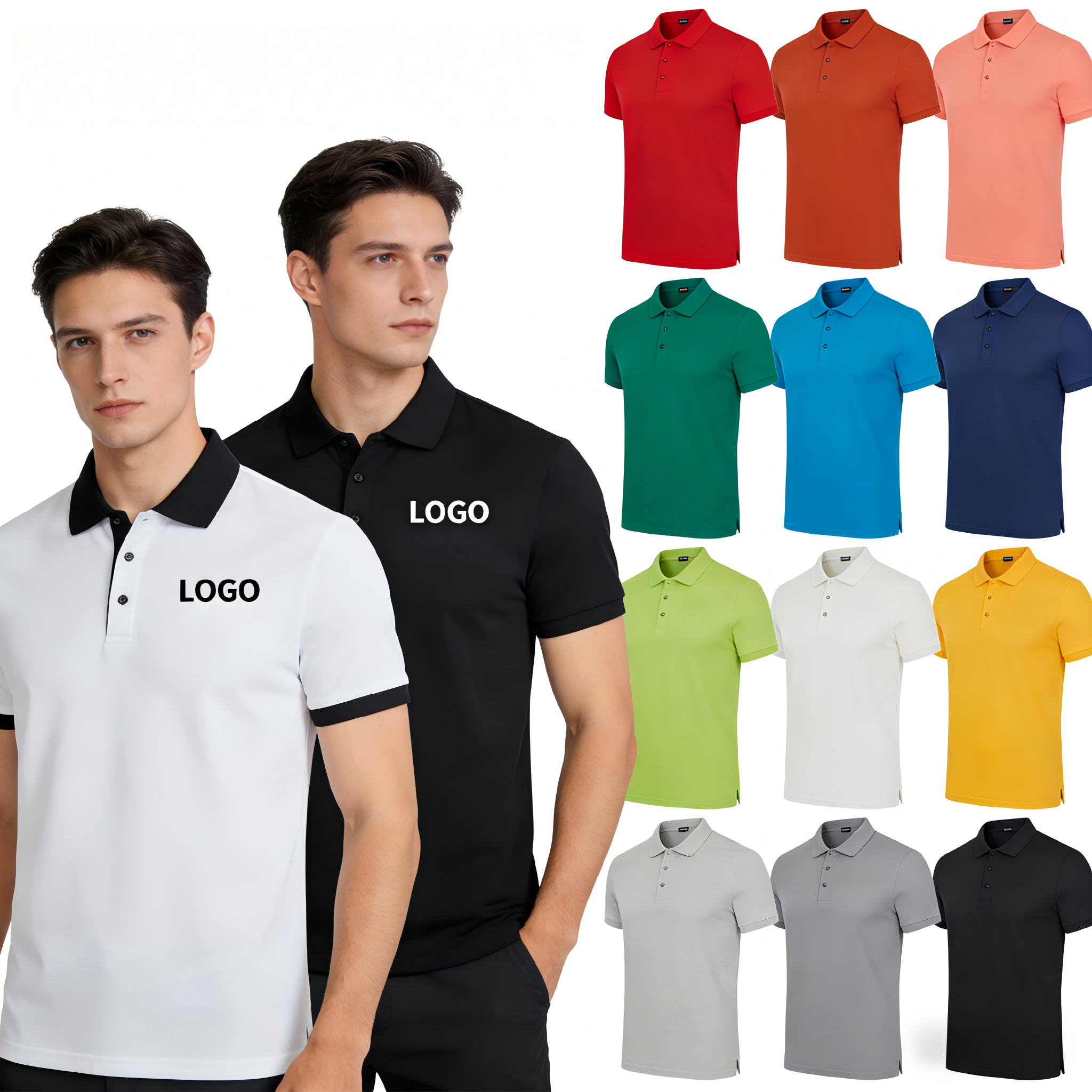
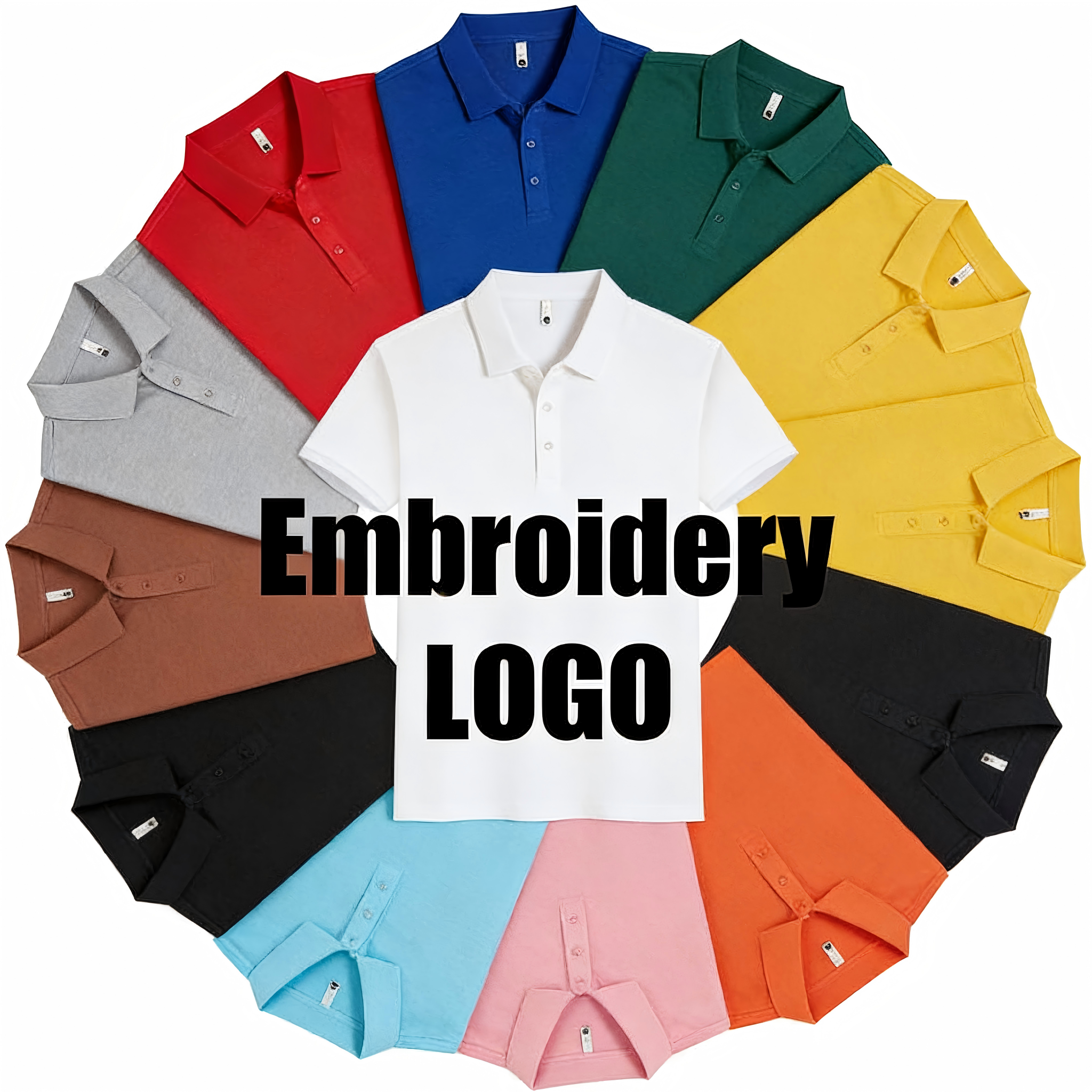
Custom embroidered shirts, particularly polo shirts, represent a valuable opportunity for businesses looking to enhance their branding and employee uniforms. With numerous options available in terms of materials, designs, and embroidery techniques, B2B buyers often face concerns about quality, pricing, and supplier reliability. This article aims to provide insights into sourcing custom embroidered shirts, focusing on key specifications, supplier evaluation, cost factors, common issues, and material choices.

Where to Find Reliable Suppliers for Bulk Embroidered Shirts

Where to Find Reliable Suppliers for Bulk Embroidered Shirts

Finding a reliable supplier for bulk embroidered shirts involves thorough research and evaluation. Here are some effective strategies:

Industry Networking: Attend trade shows and industry events to connect with manufacturers and suppliers. Personal interactions can provide valuable insights into their capabilities and reliability.

Online Marketplaces: Platforms like Alibaba, ThomasNet, and Global Sources can help you find suppliers, but due diligence is essential. Check supplier ratings, customer reviews, and their responsiveness to inquiries.

Referrals: Asking for recommendations from other businesses in your industry can lead you to trusted suppliers. Colleagues can offer firsthand experiences and insights into service quality.

Manufacturer Directories: Utilize directories that specialize in textile and apparel manufacturers. These can help you identify companies with specific expertise in custom embroidery.

Request Samples: Before placing a large order, request samples to assess quality, fabric, and stitching. This step helps ensure that the final product meets your expectations. You may want to consider options like the Custom Logo Premium Heavyweight 100% Cotton Hoodie for your sample evaluations.

By utilizing these strategies, you can identify suppliers that align well with your business needs and standards.

Cost Factors to Evaluate for Custom Embroidered Shirt Orders

Cost Factors to Evaluate for Custom Embroidered Shirt Orders

Understanding the cost factors associated with custom embroidered shirts is vital for effective budget management. Some key considerations include:

Material Costs: The type of fabric chosen will significantly influence the overall cost. Premium fabrics generally result in higher prices. Ensure you balance quality with budget constraints.

Embroidery Complexity: The intricacy of the design affects the labor involved and the cost. More complex designs requiring additional stitching or colors may lead to higher costs.

Order Quantity: Many suppliers offer bulk pricing, where the unit cost decreases with larger orders. Consider the minimum order quantity (MOQ) and how it aligns with your needs.

Production Time: Rush orders may incur additional fees. Discuss lead times with the supplier to ensure that your timeline aligns with their production capabilities.

Shipping Costs: Factor in shipping costs, especially for international orders. Ensure that you understand the delivery terms and any potential customs fees that could arise.

By evaluating these cost factors, you can make informed decisions that align with your budget while still meeting quality standards.

Common Problems in Custom Embroidery and Effective Solutions

Common Problems in Custom Embroidery and Effective Solutions

While custom embroidery can enhance your branding, it is not without challenges. Some common problems include:

Inconsistent Quality: Variations in embroidery quality can occur due to machine settings or operator skill. To mitigate this, request samples and conduct quality inspections on initial orders. Establish clear quality control processes with your supplier to ensure consistency.

Incorrect Sizing: Sizing discrepancies can lead to dissatisfaction. Provide detailed size charts and consider offering size samples for approval before mass production.

Design Misalignment: If the embroidered design does not align with the intended placement, it can reflect poorly on your brand. Always review digital proofs before production and confirm placement with the supplier.

Fabric Damage During Embroidery: Incorrect tension settings can damage the fabric. Ensure that your supplier has the right machinery and expertise to handle your chosen material properly.

By anticipating these challenges and establishing clear communication with your supplier, you can minimize risks and ensure a successful outcome.

Materials Used in Custom Embroidered Shirts

The materials used in custom embroidered shirts significantly impact their performance, comfort, and appearance. Key materials to consider include:

Cotton: Known for its softness and breathability, cotton is a popular choice for embroidered shirts. It is comfortable against the skin and offers good color retention.

Polyester: This synthetic material is durable and moisture-wicking, making it suitable for active wear. It retains shape well and is less prone to shrinking compared to cotton.

Blends: Many manufacturers offer cotton-polyester blends, combining the best features of both materials. These blends provide comfort, durability, and reduced wrinkling.

Performance Fabrics: For specialized applications, consider performance fabrics designed for specific conditions, such as moisture-wicking or UV protection. These fabrics can enhance comfort and functionality.

Finishing Treatments: Some materials may undergo treatments to enhance their properties, such as stain resistance or anti-microbial finishes. Discuss these options with your supplier to meet specific needs.

By understanding the various materials available, you can select the right fabric that aligns with your intended use and ensures customer satisfaction.

Making informed decisions about custom embroidered shirts involves evaluating specifications, finding reliable suppliers, understanding cost factors, addressing common issues, and selecting appropriate materials. By following the guidance provided, you can enhance your purchasing strategy and ensure high-quality outcomes for your branding needs.

Key Specifications to Consider When Sourcing Embroidered Shirts

When sourcing custom embroidered shirts, several specifications should guide your purchasing decisions. These include:

Fabric Type: The choice of fabric affects both the look and durability of the shirt. Common materials for polo shirts include cotton, polyester, or blends. Cotton offers breathability and comfort, while polyester provides durability and moisture-wicking properties. Understanding the end-use of the shirts will help you select the appropriate fabric. For high-performance options, consider the Custom Logo High-Performance 100% Polyester Sweatshirt.

Weight and Thickness: Fabric weight is typically measured in grams per square meter (GSM). Heavier fabrics are generally more durable but may be less breathable, which is a consideration for outdoor use. Lighter fabrics may be more comfortable in warm conditions but could lose their shape or durability over time.

Embroidery Techniques: There are various methods for embroidery, such as direct embroidery or appliqué. Each method has its advantages, such as cost-effectiveness or design complexity. Discussing your design with the supplier can help determine the best method for your needs.

Sizing and Fit: Ensure that the supplier can offer a range of sizes to accommodate all users. Additionally, consider the fit (e.g., regular, slim, or relaxed) based on your target demographic.

Color Options: Color matching is crucial for brand consistency. Verify that the supplier can provide accurate color matching with Pantone or other color systems.

By carefully considering these specifications, you can ensure that the custom embroidered shirts meet your quality and branding requirements.

Get a Free Quote

Our representative will contact you soon.
0/1000