Custom Hoodies for Bulk Orders and Quality Assurance

Jinan Runhang Textile Co., Ltd.   —— Verified by SGS

application/custom-hoodie, application/custom-hoodie, 
Inquiry
Inquiry

custom hoodie

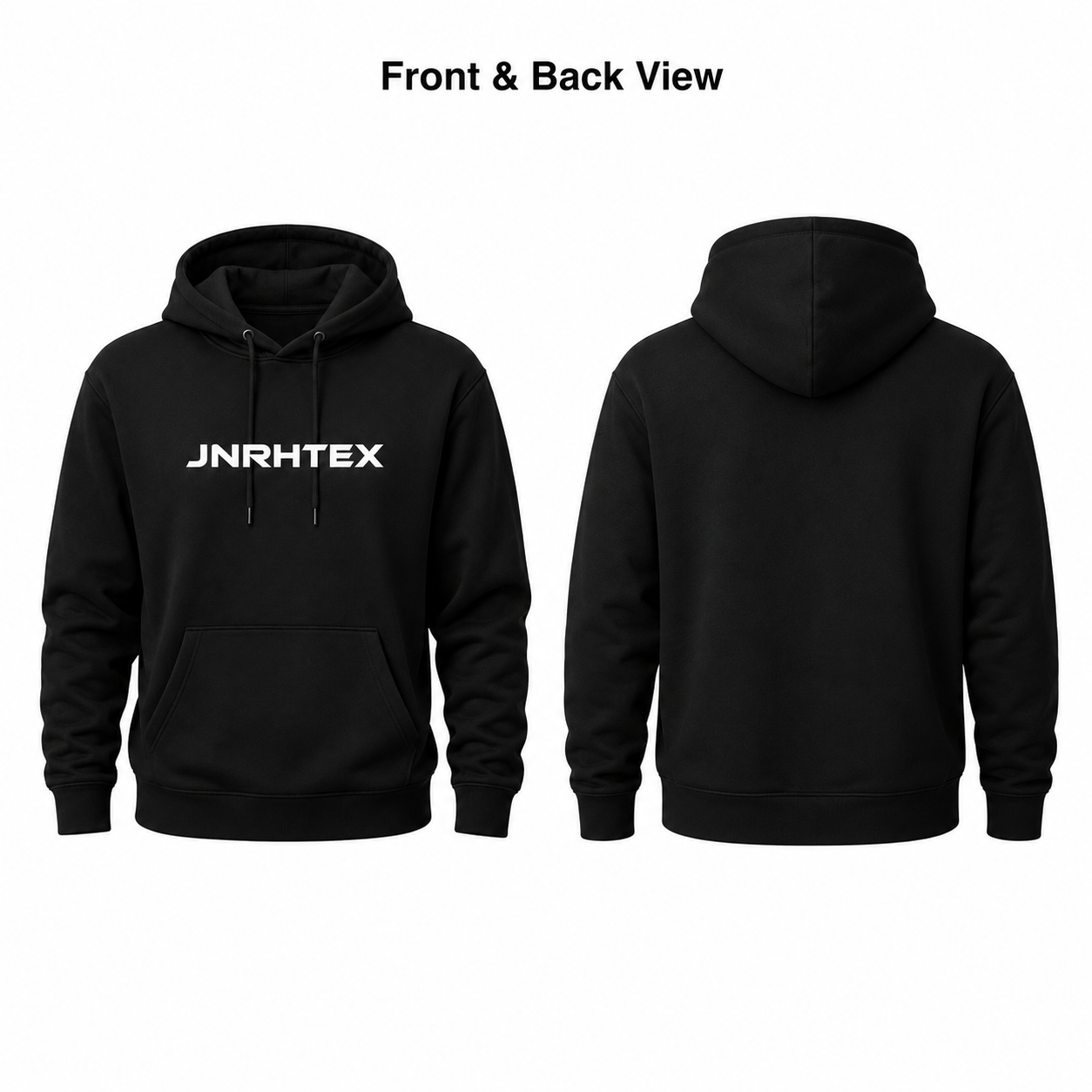
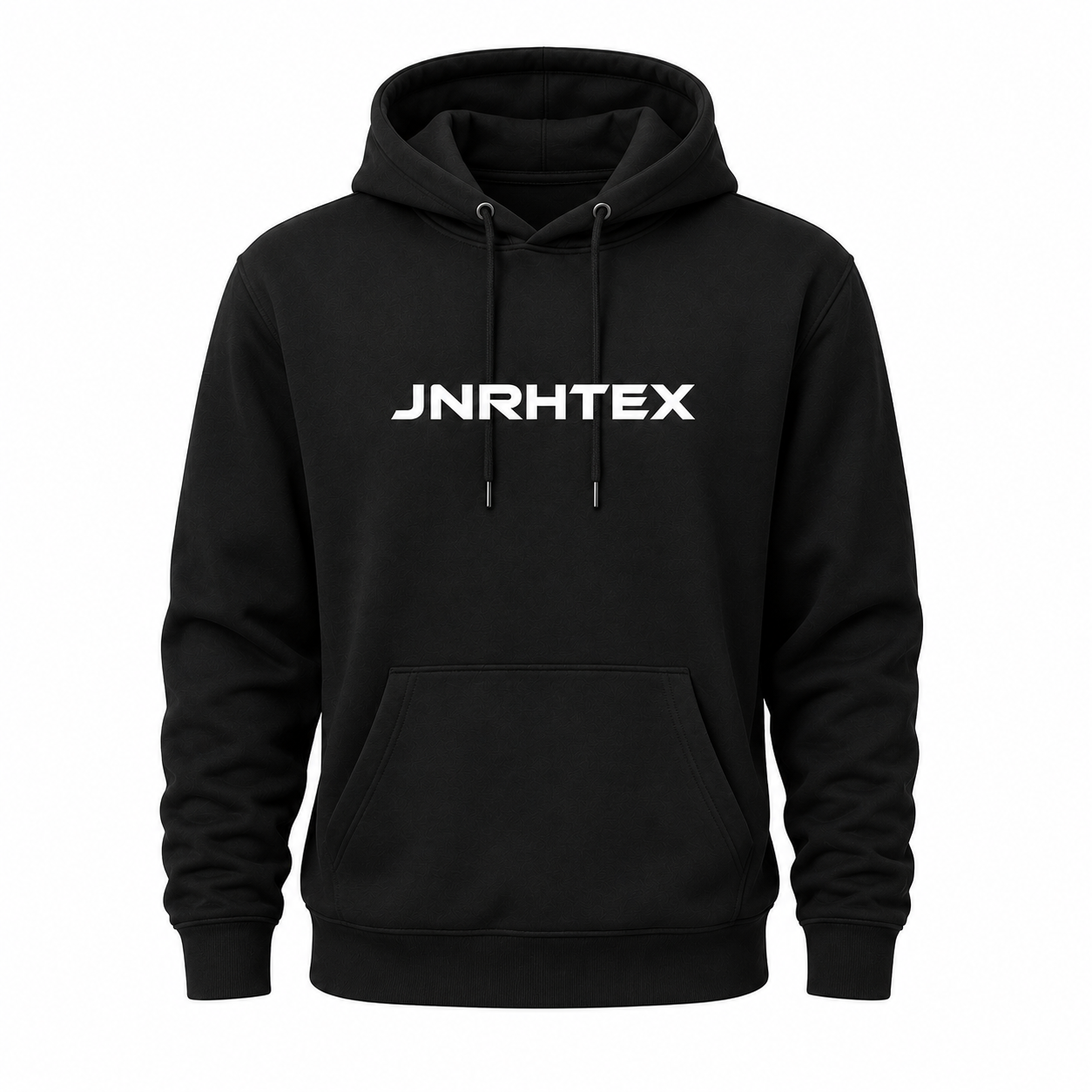
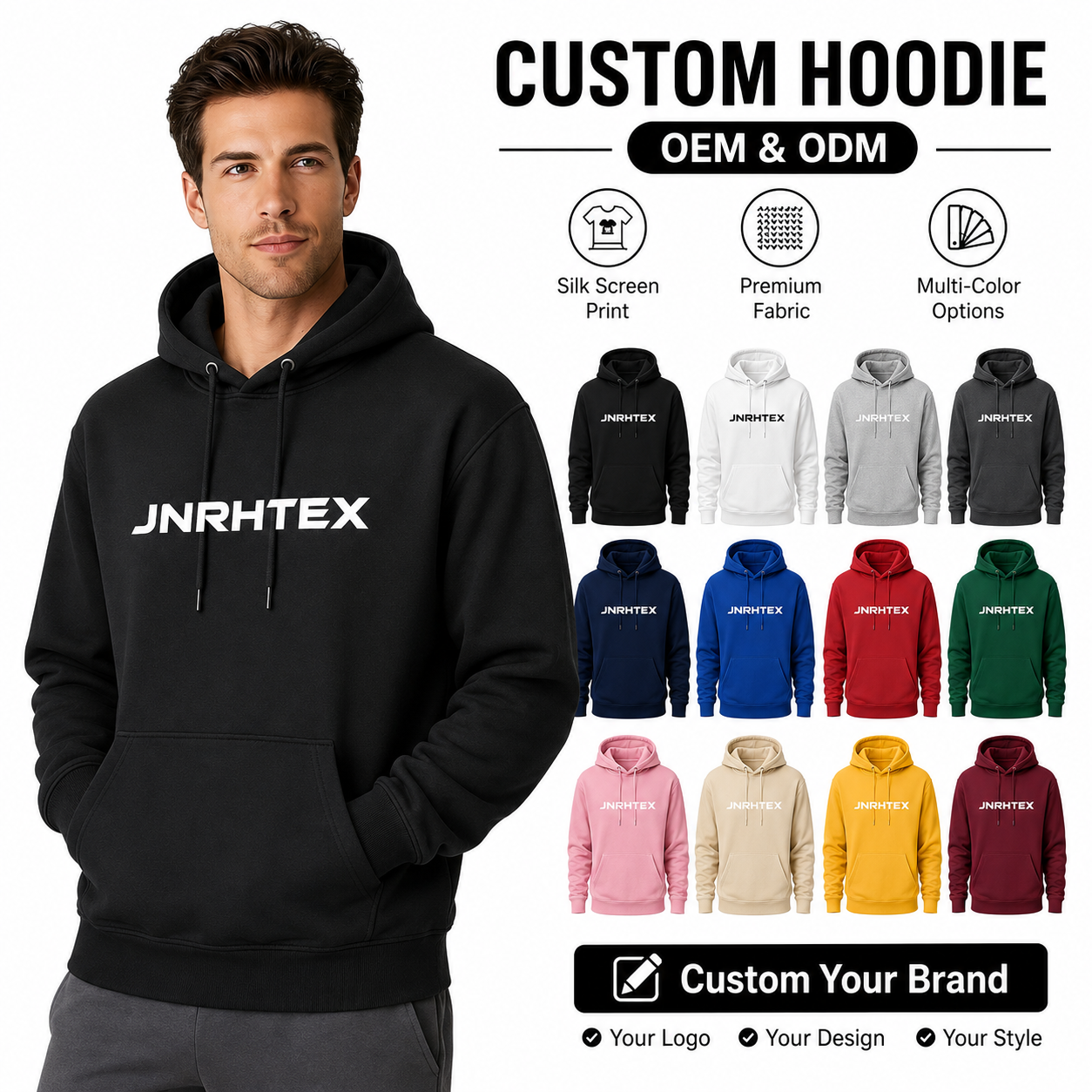
Custom hoodies are a versatile and popular apparel choice for businesses looking to promote their brand, outfit employees, or engage with customers. As a purchasing manager or a distributor, understanding the nuances of custom hoodies—such as material selection, quality assurance, and cost considerations—can significantly influence your buying decisions. This article will provide insights into key aspects of custom hoodies, equipping you with the knowledge to make informed purchasing choices.

Quality Control Measures for Custom Hoodies in Manufacturing

Quality Control Measures for Custom Hoodies in Manufacturing

Quality control is a significant aspect of manufacturing custom hoodies, as it ensures that the final product meets your specifications and expectations. At Jinan Runhang Textile Co., Ltd., rigorous quality control measures are implemented throughout the production process. This includes inspections at various stages, such as fabric sourcing, cutting, sewing, and final assembly.

One critical step is the pre-production sample approval. Before mass production begins, it’s advisable to approve a sample that reflects the intended design, fit, and material. This step helps identify any potential issues, such as sizing discrepancies or color mismatches, allowing for adjustments before the full order is executed.

Furthermore, employing third-party quality assurance inspectors can provide an additional layer of confidence in the manufacturing process. These inspectors can verify compliance with international standards and assess the overall quality of the finished product.

What Materials Are Best for Durable Custom Hoodies?

What Materials Are Best for Durable Custom Hoodies?

Choosing the right material is essential for creating durable custom hoodies. Common materials include cotton, polyester, or blends of both. Each material offers unique benefits:

Cotton: Known for its softness and breathability, cotton is ideal for comfort but may not be as durable as synthetic fabrics. It’s suitable for casual wear and promotional items. Polyester: This synthetic material is highly durable, moisture-wicking, and resistant to shrinking and fading. It’s an excellent choice for athletic wear or hoodies intended for outdoor activities. Blends: A cotton-polyester blend combines the best of both worlds, offering comfort while enhancing durability. This option is often favored for everyday wear and corporate apparel.

When selecting materials, consider the intended use and care instructions. For example, if the hoodies will be worn by employees in physically demanding roles, a more durable polyester blend may be preferable. Conversely, a softer cotton option could be suitable for promotional giveaways. Additionally, incorporating apparel accessories can enhance the overall look and feel of your custom hoodies.

Common Problems with Custom Hoodies and Their Solutions

Common Problems with Custom Hoodies and Their Solutions

Despite careful planning, challenges can arise when ordering custom hoodies. Some common issues include sizing discrepancies, color mismatches, and printing errors. Here are potential solutions to these problems:

Sizing Discrepancies: To avoid sizing issues, provide detailed size charts and ensure that the manufacturer understands your sizing needs. Request physical samples before finalizing large orders to confirm fit. Color Mismatches: Colors can appear differently on screens than in production. Use Pantone color codes to specify exact shades, and request fabric swatches to verify colors before production. Printing Errors: Ensure that your artwork is provided in the correct format and resolution. A reputable manufacturer will have design guidelines to minimize the risk of printing errors.

By addressing these common problems upfront, you can streamline the production process and enhance overall satisfaction with your order.

Cost Factors to Consider When Purchasing Custom Hoodies

Understanding the cost structure associated with custom hoodies is crucial for effective budgeting. Several factors can influence the overall price:

Material: Higher-quality materials will typically come at a premium. For instance, 100% organic cotton will be more costly than a polyester blend. Quantity: Bulk orders often lead to reduced per-unit costs. However, be mindful of your MOQ, as ordering below this threshold may result in higher prices. Customization Options: Additional features such as embroidery or specialized prints can increase costs. Determine which customizations are essential for your project and which can be adjusted to fit your budget. Shipping and Packaging: Consider whether shipping costs are included in the quoted price. Packaging options can also affect the overall cost; for example, eco-friendly packaging may be more expensive but aligns with sustainable business practices.

By understanding these cost factors, you can make informed decisions that align with your budget while still achieving the desired quality and branding for your custom hoodies. Additionally, exploring options for hoodies & sweatshirts can provide further insights into pricing and customization.

With these insights into custom hoodies, you are better equipped to navigate the manufacturing and purchasing process, ensuring that your final products meet your expectations and serve your business needs effectively.

Custom Hoodies for Bulk Orders

When considering custom hoodies for bulk orders, one of the primary factors to evaluate is your target audience and purpose. Will these hoodies be for a corporate event, merchandise sales, or employee uniforms? Understanding the intended use will help guide material selection and design choices.

For bulk orders, Jinan Runhang Textile Co., Ltd. offers integrated production capabilities that allow for customization across various styles, colors, and sizes. This flexibility is crucial, as it enables businesses to create a cohesive look that resonates with their brand identity. Additionally, consider your minimum order quantity (MOQ). Many manufacturers have specific MOQs that can impact budget and inventory management.

Another important factor is lead time. With bulk orders, it's essential to account for production schedules, especially if you have a deadline for an event or promotional launch. Ensure that your supplier can meet these timelines without compromising quality.

Get a Free Quote

Our representative will contact you soon.
0/1000