Choosing Custom Uniforms for Your Business Needs

Jinan Runhang Textile Co., Ltd.   —— Verified by SGS

application/custom-uniforms, application/custom-uniforms, 
Inquiry
Inquiry

custom uniforms

Custom uniforms are essential for businesses seeking to establish a professional brand image while ensuring employee comfort and functionality. As a B2B buyer, you may be concerned about the quality, suitability, and design options available for custom uniforms. This article will guide you through the process of selecting the right custom uniforms for your business needs, covering key specifications, material benefits, installation guidance, and valuable insights for distributors and buyers.

Key Specifications to Consider

Key Specifications to Consider

When evaluating custom uniforms, various specifications play a crucial role in performance and suitability. Key factors include fit, fabric weight, and durability.

Fit: Ensure that the uniform offers a comfortable fit for all body types. Consider options for different sizes and styles to accommodate diverse employee needs.

Fabric Weight: Heavier fabrics may provide better durability, while lighter fabrics could enhance breathability. Analyze the working environment to determine the optimal fabric weight.

Durability: Look for uniforms that can withstand regular wear and tear, as well as laundering. Fabrics treated for stain resistance or moisture-wicking properties can significantly enhance longevity and user comfort.

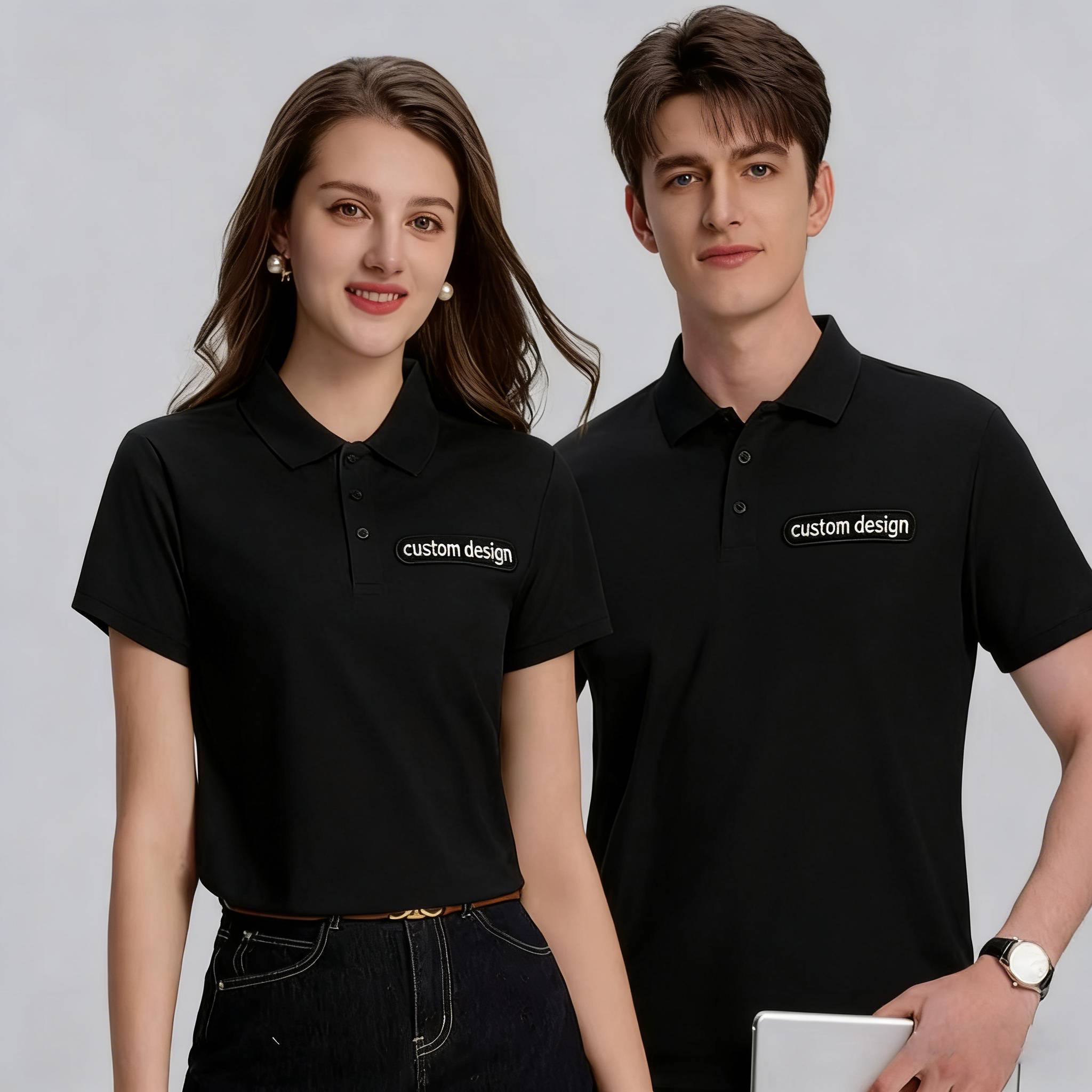
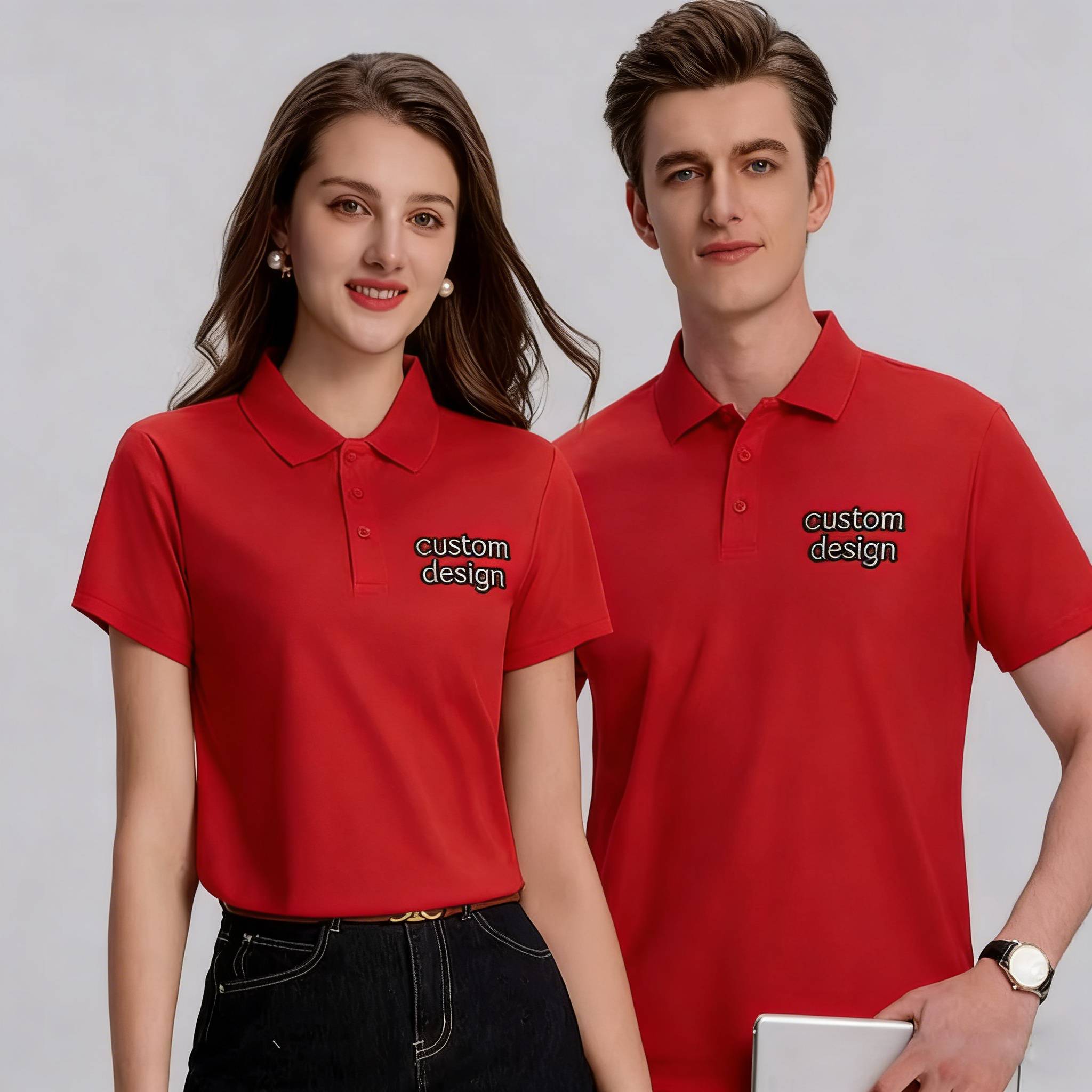
Customization Options: Assess the available customization options, such as embroidery or screen printing for logos and names. Your supplier should be able to accommodate various design requests while maintaining quality. You might also consider Hoodies & Sweatshirts as part of your uniform strategy for added comfort.

Material Benefits for Custom Uniforms

Material Benefits for Custom Uniforms

The choice of material is pivotal in the performance and comfort of custom uniforms. Here are several common materials and their respective benefits:

Cotton Blends: Known for their breathability and comfort, cotton blends are ideal for uniform applications where comfort is paramount. They are soft against the skin and suitable for casual or semi-formal settings.

Polyester: This synthetic fabric is valued for its durability and resistance to wrinkles and shrinking. Polyester uniforms maintain their appearance over time, making them a practical choice for high-usage environments.

Performance Fabrics: For active work environments, consider fabrics that offer moisture-wicking, anti-microbial, and UV protection properties. These materials help keep employees comfortable and protected against various conditions.

Selecting the right material not only affects the look of the uniform but also its functionality. Discuss material options with your supplier to ensure they align with your operational needs.

Installation Guidance for Custom Uniforms in Various Applications

Installation Guidance for Custom Uniforms in Various Applications

Proper installation of custom uniforms is essential to ensure they perform effectively in their intended applications. Here are some considerations:

Sizing and Fitting: Before placing a bulk order, request size samples for employees to try on. This step helps ensure the correct fit and comfort, reducing the likelihood of returns or dissatisfaction.

Labeling and Tagging: Uniforms should be labeled correctly according to industry standards, especially in regulated environments. Ensure that care labels, safety warnings, and any necessary certifications are clearly indicated.

Maintenance Instructions: Provide employees with clear care instructions to maintain the quality of their uniforms. Proper washing and handling can prolong the lifespan of the fabric and preserve the uniform’s appearance.

Feedback Loop: After implementation, establish a feedback loop with employees to address any fitting or functional issues. Adjustments may be necessary to improve comfort or usability.

A Guide for Distributors and Buyers

For distributors and buyers, understanding the supply chain and the specifics of custom uniforms is essential for making informed purchasing decisions. Here are some practical tips:

Requesting Quotations: When preparing an RFQ, include details such as the type of uniform, desired materials, quantities, customization options, and delivery timelines. This information helps suppliers provide accurate quotes.

Quality Control: Establish quality control measures, including sample approvals before mass production. Inspect sample uniforms for fit, fabric quality, and stitching to ensure they meet your standards.

Understanding Pricing Factors: Pricing for custom uniforms can vary based on fabric choice, quantity, and complexity of customization. Be aware of minimum order quantities (MOQs) and how they affect overall costs.

Lead Times: Discuss lead times with suppliers early in the process. Custom uniforms often require longer production times due to design and manufacturing intricacies, so plan accordingly.

Supplier Evaluation: Assess suppliers based on their manufacturing capabilities, quality control processes, and customer service. A reliable supplier should provide clear communication and support throughout the project.

By following these guidelines, distributors and buyers can navigate the complexities of sourcing custom uniforms, ensuring they meet both employee needs and business standards effectively. Additionally, integrating items like Polo Shirts could offer a versatile option for various workplace settings.

How to Choose the Right Custom Uniforms for Your Business Needs

When selecting custom uniforms, consider the specific requirements of your business and employees. Start by assessing the nature of your industry and the roles of your staff. For instance, uniforms for a service-oriented business may require a more polished appearance, while manufacturing or outdoor roles may prioritize durability and comfort.

Engage with your employees to understand their preferences and needs. This collaboration can enhance job satisfaction and improve the overall functionality of the uniforms. Additionally, take into account your branding guidelines, ensuring that colors, logos, and styles align with your company’s image. Finally, seek a manufacturer who can provide integrated design-to-delivery services, ensuring a seamless process from concept to completion. If you're looking for suitable options, consider checking our Apparel Accessories to complement your uniforms.

Get a Free Quote

Our representative will contact you soon.
0/1000