Design and Print T-Shirts: A Comprehensive Guide

Jinan Runhang Textile Co., Ltd.   —— Verified by SGS

application/design-and-print-t-shirts, application/design-and-print-t-shirts, 
Inquiry
Inquiry

design and print t shirts

When it comes to design and print t-shirts, understanding the nuances of sourcing these products is essential for B2B buyers. Whether you are a purchasing manager for a retail brand or a distributor looking to expand your offerings, key concerns often revolve around supplier reliability, cost factors, production issues, and customization options. This article will equip you with practical insights into evaluating suppliers, pricing, common production challenges, and scenarios where custom-printed t-shirts can meet your business needs. For instance, consider our Custom Design All-Over Print Full Sublimation T-shirt, which showcases high-quality digital printing.

Cost Factors to Consider When Sourcing T-Shirts in Bulk

Cost Factors to Consider When Sourcing T-Shirts in Bulk

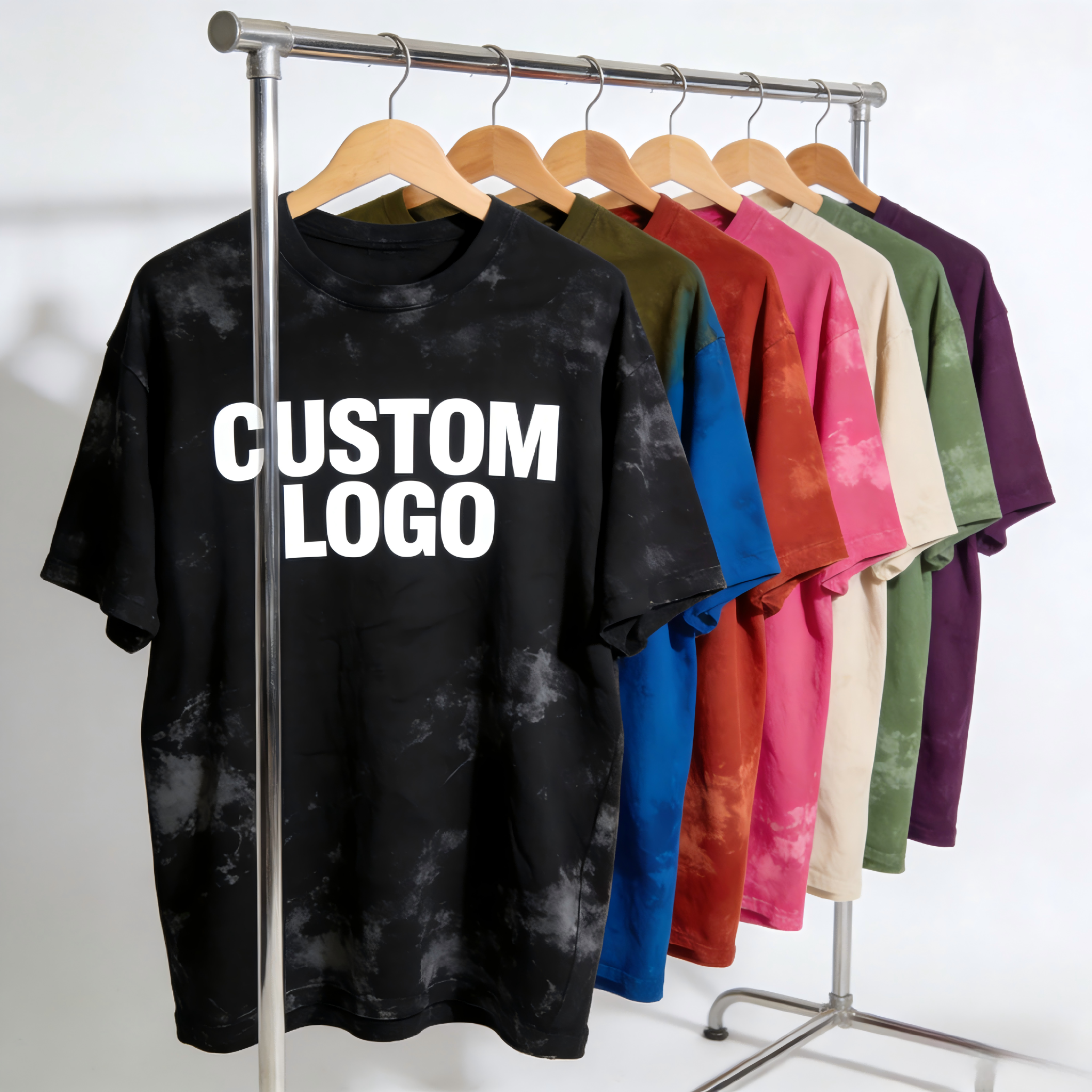
Cost is a critical factor in any B2B purchase, especially for bulk orders of t-shirts. Buyers should consider several elements that influence pricing. The material used in the t-shirts significantly affects cost. For instance, 100% cotton t-shirts tend to be more expensive than blends due to the higher quality and comfort they offer. It’s essential to balance material quality with price based on your target market. For example, our Custom Logo Professional Silk Screen Print T-shirt offers high-definition opaque ink printing for a premium feel.

Additionally, customization options can impact costs. If you require custom prints or embroidery, be sure to request detailed quotes that include setup fees, print runs, and any additional charges for colors or designs. Understanding the minimum order quantity (MOQ) is also crucial; some suppliers may offer lower per-unit prices for larger orders but may not be flexible with smaller quantities.

Shipping and logistics costs should not be overlooked either. Consider the delivery timeline and shipping options, as expedited shipping can significantly increase overall costs. Finally, always inquire about potential discounts for bulk orders or repeat business, which can provide additional savings.

Common Problems in T-Shirt Production and Effective Solutions

Common Problems in T-Shirt Production and Effective Solutions

Production issues can arise during the t-shirt manufacturing process, and being aware of these can save time and resources. One common problem is misalignment in printing, which can lead to poor-quality graphics. To mitigate this, ensure that you provide high-resolution artwork and confirm sample approvals before mass production. This step is crucial as it allows you to verify dimensions, colors, and overall design accuracy.

Another issue is fabric inconsistency, which can occur if a supplier uses different batches of material. To prevent this, specify your fabric requirements clearly and request that all t-shirts be produced from the same dye lot. Quality control checks during production can also help catch discrepancies early.

Finally, improper sizing is a frequent complaint among buyers. To address this, ensure that your supplier provides comprehensive sizing charts and samples for fit approval. This practice reduces the likelihood of returns and enhances customer satisfaction.

Where to Find Trusted Suppliers for Wholesale T-Shirt Purchases

Where to Find Trusted Suppliers for Wholesale T-Shirt Purchases

Finding reliable suppliers for wholesale t-shirts can be a challenge, but several avenues can help you locate trusted partners. Industry trade shows and expos are excellent places to meet manufacturers face-to-face and assess their offerings. Participating in these events allows you to see their products firsthand and discuss your needs directly.

Online platforms such as Alibaba and ThomasNet can also be useful for identifying potential suppliers. However, it’s crucial to conduct thorough due diligence. Look for suppliers with positive reviews, verified business licenses, and clear contact information.

Networking within industry-specific forums or groups can provide additional insights and recommendations. Engaging with other professionals can lead to valuable connections and referrals to reputable suppliers. Once you identify potential partners, request samples to evaluate the quality before committing to larger orders.

When to Use Custom-Printed T-Shirts

Custom-printed t-shirts can serve various purposes in a B2B context. They are particularly beneficial for promotional events, corporate branding, and employee uniforms. Utilizing customized designs can enhance brand visibility and create a cohesive look for your team.

Consider using custom-printed t-shirts for events such as trade shows or community engagement activities. They can serve as effective marketing tools, helping to draw attention to your brand and facilitate networking opportunities.

When deciding on custom prints, think about your target audience and the message you wish to convey. High-quality designs can significantly impact the perceived value of your brand, so collaborating with your supplier’s design team can help ensure your vision is realized.

In summary, custom-printed t-shirts offer versatility for businesses looking to strengthen their brand presence and connect with their audience. By understanding when and how to utilize them effectively, you can maximize their impact on your business strategy.

Evaluating Supplier Reliability for Bulk T-Shirt Orders

When sourcing t-shirts in bulk, supplier reliability is paramount. Buyers should consider several factors to assess reliability. First, examine the supplier’s production capabilities. A manufacturer like Jinan Runhang Textile Co., Ltd. that offers integrated production and one-stop design-to-delivery services can often provide a smoother experience. Look for suppliers with a proven track record in meeting delivery deadlines and maintaining quality standards.

Next, verify certifications and quality control processes. A trustworthy supplier will have documented procedures for inspecting raw materials and finished products. Ask about their quality assurance systems, including any international standards they comply with, such as ISO certifications. Additionally, consider their production capacity—can they handle your order volume consistently?

Finally, seek feedback from past clients. References and case studies provide insights into a supplier's ability to deliver on commitments. A reliable supplier should be transparent in communication, readily providing information that helps you make informed decisions.

Get a Free Quote

Our representative will contact you soon.
0/1000