Designing Effective T-Shirt Logos for Your Brand

Jinan Runhang Textile Co., Ltd.   —— Verified by SGS

application/design-tshirt-logo, application/design-tshirt-logo, 
Inquiry
Inquiry

design tshirt logo

Choosing the right design for your T-shirt logo is essential for brand recognition and customer engagement. As a key visual element, your logo should effectively communicate your brand's identity while also resonating with your target audience. This article will explore how to select the right T-shirt logo design, where to source high-quality logos for wholesale orders, key specifications to consider during the design process, and what to look for in a reliable T-shirt logo supplier. Whether you are a purchasing manager, distributor, or product manager, the insights here will help you make informed decisions that align with your business needs.
Where to Source High-Quality T-Shirt Logos for Wholesale Orders

Where to Source High-Quality T-Shirt Logos for Wholesale Orders

Finding the right source for high-quality T-shirt logos involves identifying reliable suppliers who understand your branding needs. Start by exploring manufacturers that specialize in custom apparel, like Jinan Runhang Textile Co., Ltd., which offers integrated design-to-delivery services. This ensures they can provide not just the T-shirts but also assist with logo design and application.

Look for suppliers with a strong portfolio showcasing their previous work. This will give you insight into their design capabilities and quality standards. It's also wise to request samples of their printed logos on fabric to evaluate the print quality, durability, and how well the colors hold up after washing. If you're looking for a variety of options, consider checking out their selection of Apparel Accessories as well.

Additionally, consider suppliers who offer design consultations and revisions. A collaborative approach can enhance the final product, allowing you to refine the logo to better fit your brand.

Key Specifications to Consider When Designing T-Shirt Logos

Key Specifications to Consider When Designing T-Shirt Logos

When designing a T-shirt logo, several specifications are crucial to achieving the best results.

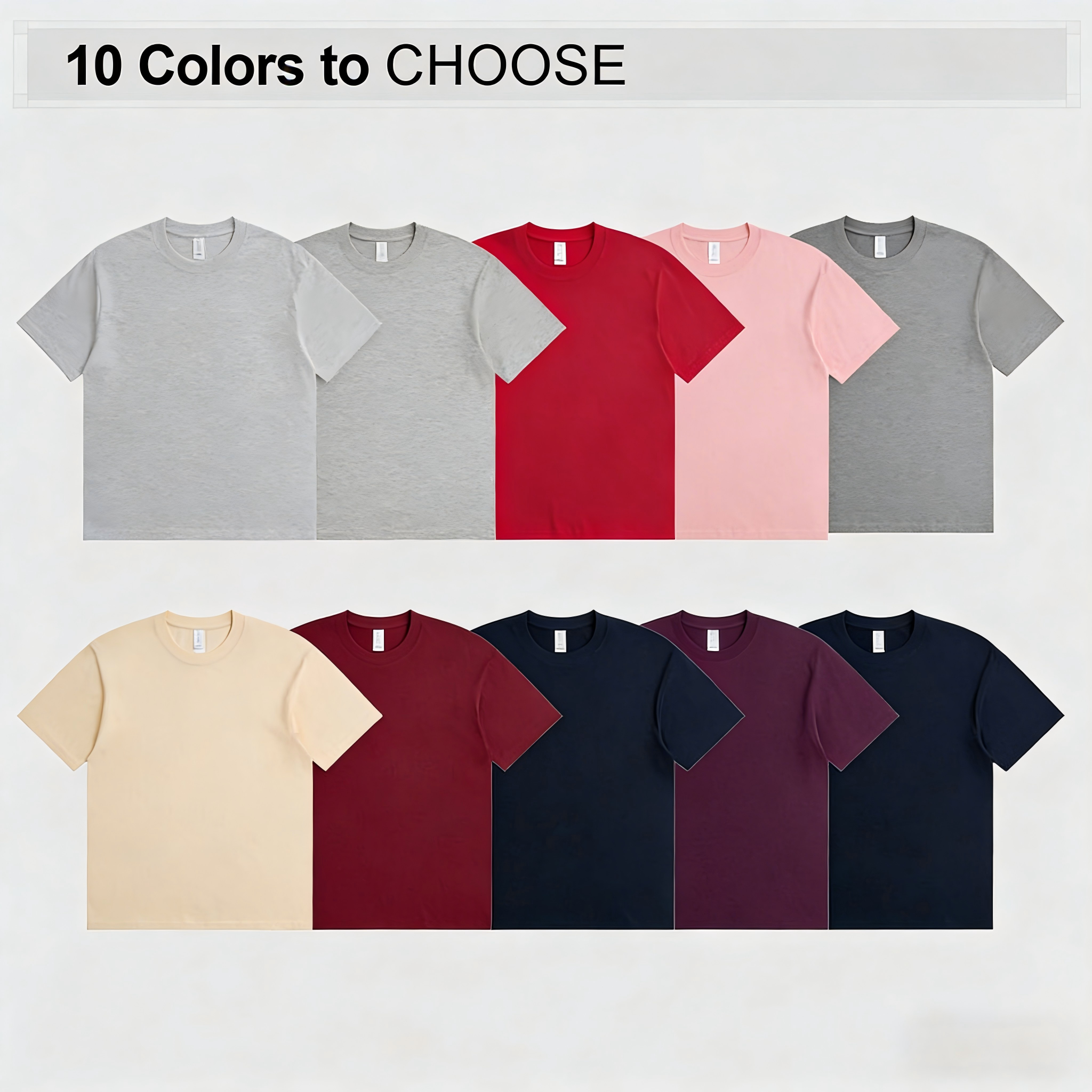
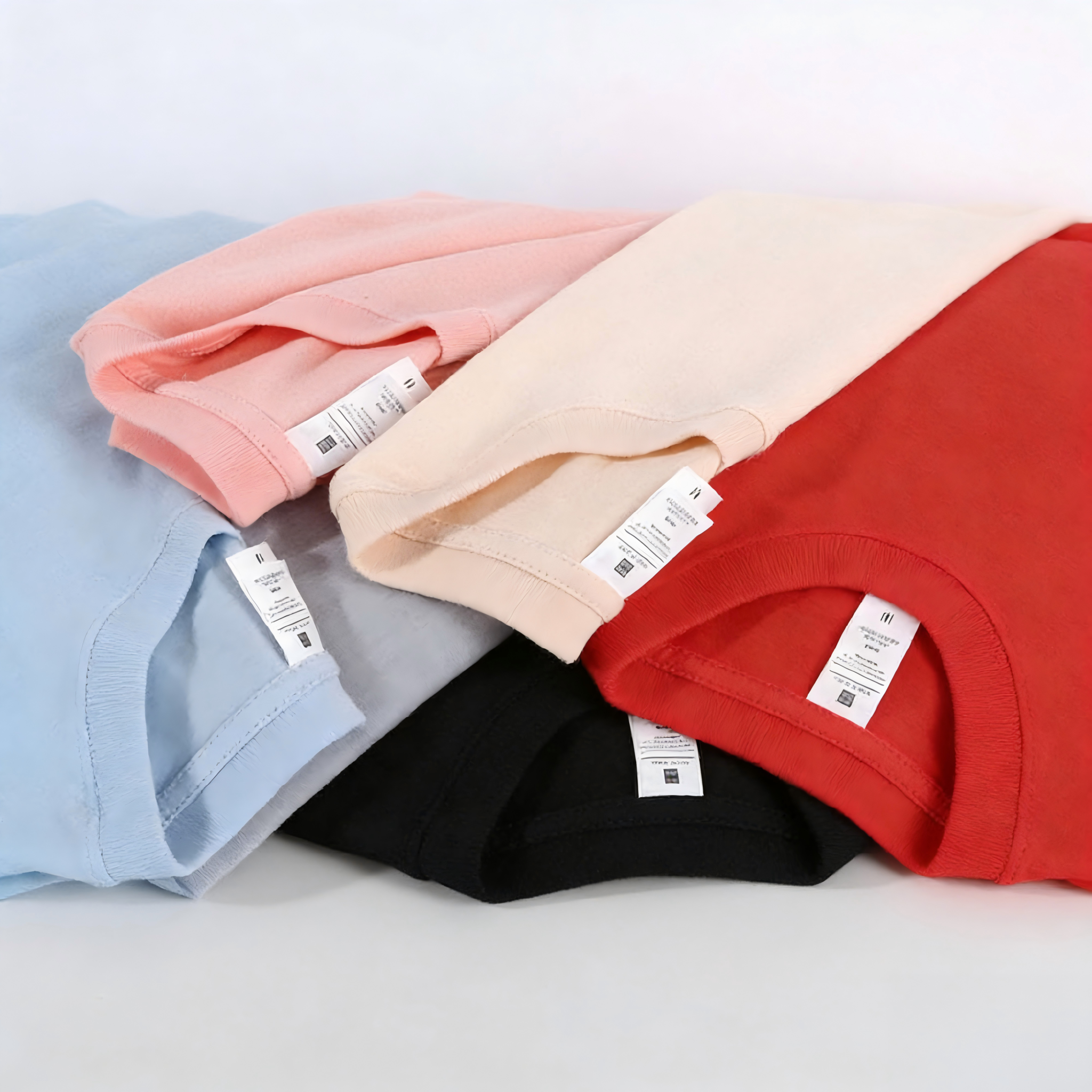
Material Compatibility: Different materials interact differently with printing techniques. For example, cotton absorbs ink well, while polyester may require specialized inks. Understanding the fabric type can help you choose the right printing method, such as screen printing or digital printing.

Size and Placement: The logo's dimensions should be proportionate to the T-shirt's overall design. Common placements include the chest, back, and sleeves. Ensure that the size is readable from a distance, especially for logos that include text.

Color Specifications: Use Pantone colors or CMYK values to ensure color accuracy in production. This is particularly important for maintaining brand consistency across various products and print runs.

Durability of the Print: Consider how the logo will hold up after multiple washes. Discuss with your supplier the best inks and printing techniques to achieve long-lasting results.

Artwork Quality: Provide high-resolution artwork files to ensure clarity and detail in the final print. Low-resolution images can lead to pixelation, which diminishes the logo's professional appearance.

What to Look for in a Reliable T-Shirt Logo Supplier

What to Look for in a Reliable T-Shirt Logo Supplier

Selecting a dependable T-shirt logo supplier is critical for ensuring quality and timely delivery. Here are key attributes to consider:

Experience and Expertise: Look for suppliers with a proven track record in the apparel industry. Manufacturers familiar with various printing techniques and fabric types can provide valuable insights during the design process.

Quality Control Processes: A robust quality control system is essential to ensure that every batch of T-shirts meets your standards. Ask about their inspection processes and any certifications they hold.

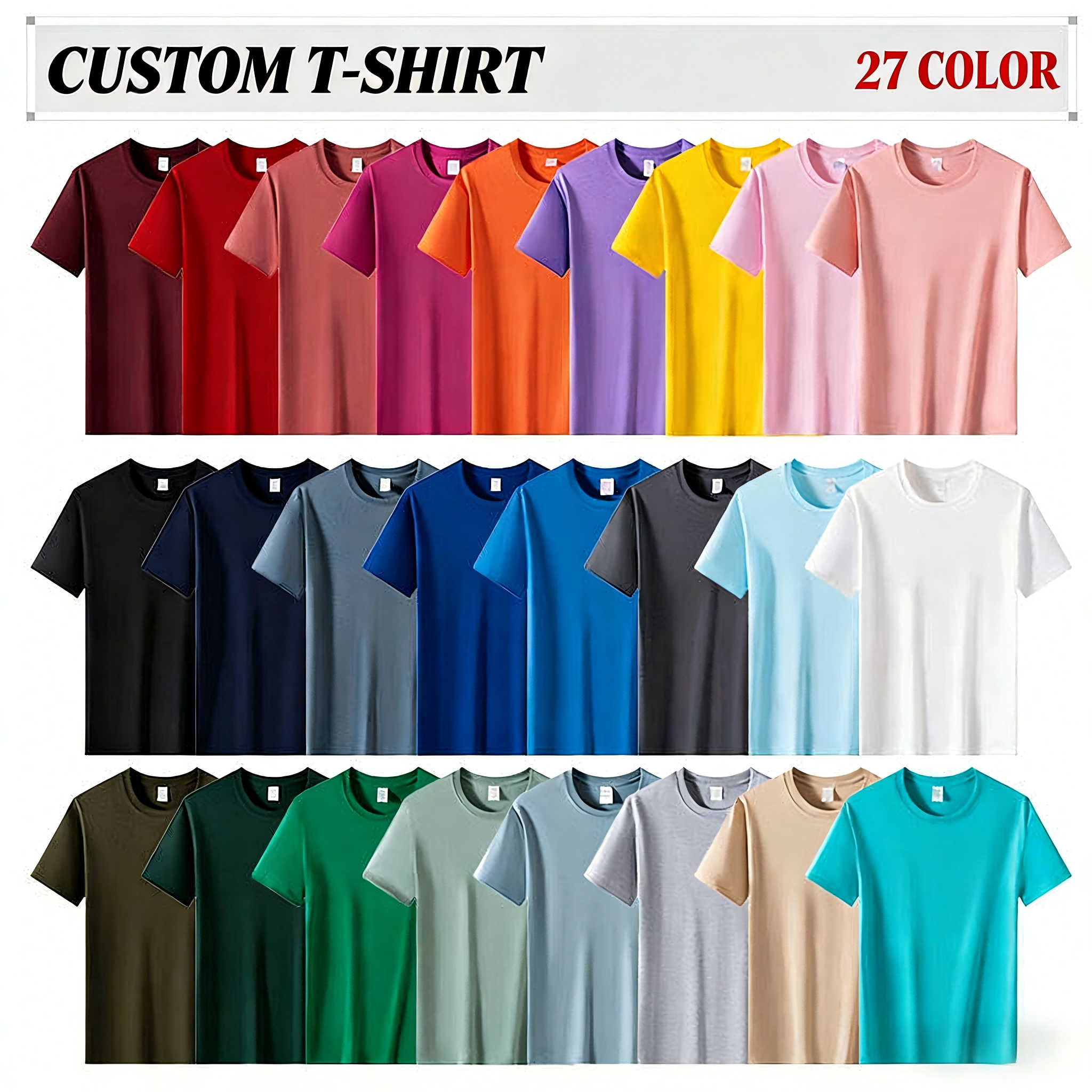
Customization Capabilities: Ensure the supplier can accommodate your specific design requirements, including custom colors, sizes, and placements. Flexibility in customization can lead to a more personalized product.

Customer Service: Good communication is vital. Choose a supplier who is responsive and willing to collaborate on your project. This can facilitate smoother transactions and help resolve any issues that may arise quickly.

Lead Times and Minimum Order Quantities (MOQ): Understand the supplier's lead times for production and shipping. Also, inquire about their MOQ, as this will impact your inventory management and budget planning.

A Buyeru2019s Guide

When approaching the purchase of T-shirt logos, prepare the following information to streamline your supplier discussions:

Product Type: Specify the type of T-shirts you require, including styles (e.g., crew neck, V-neck) and fabrics (e.g., cotton, poly-cotton blends).

Design Elements: Provide detailed artwork files and any specific instructions regarding color, size, and placement of the logo.

Quantity: Clearly state the order quantity, keeping in mind the supplier's MOQ.

Application Context: Explain the intended use of the T-shirts, whether for promotional events, retail sales, or employee uniforms. This will help the supplier recommend suitable materials and printing techniques.

Budget Considerations: Discuss your budget upfront to align expectations regarding material choices and printing methods.

Delivery Requirements: Specify the desired delivery date and shipping conditions to ensure timely fulfillment of your order.

By following this guide and collaborating with a reputable supplier, you can effectively source high-quality T-shirt logos that enhance your brand visibility and resonate with your target audience.

How to Choose the Right T-Shirt Logo for Your Brand

When selecting a T-shirt logo design, consider several key factors that will influence its effectiveness in representing your brand. First, ensure the logo aligns with your brand's values and message. A logo that reflects your mission or product line can create a stronger connection with your audience.

Next, keep in mind the scalability of the design. A logo should be versatile enough to look good on various T-shirt styles and sizes, whether it's a small emblem on the chest or a larger graphic on the back. Test the logo in different sizes to ensure it maintains clarity and impact.

Color choice is also crucial. Colors evoke emotions and can influence purchasing decisions. For example, blue often conveys trust, while red can evoke excitement. Choose colors that not only represent your brand but also appeal to your target demographic. Additionally, consider incorporating popular styles like Hoodies & Sweatshirts that may resonate well with your audience.

Finally, consider the trends in your industry. While it's important to be original, staying aware of popular design elements can help your logo resonate with current market expectations.

Get a Free Quote

Our representative will contact you soon.
0/1000