Key Considerations for Designing Polo Shirts

Jinan Runhang Textile Co., Ltd.   —— Verified by SGS

application/designing-polo-shirts, application/designing-polo-shirts, 
Inquiry
Inquiry

designing polo shirts

Designing polo shirts involves a careful blend of style, functionality, and quality. For B2B buyers such as purchasing managers, distributors, and product managers, the process encompasses understanding the specifications, evaluating quality, and finding reliable suppliers. This article aims to provide insights into the key considerations when designing and procuring polo shirts, ensuring that buyers can make informed purchasing decisions.

How to Compare Polo Shirt Quality for Wholesale Purchases

How to Compare Polo Shirt Quality for Wholesale Purchases

Evaluating the quality of polo shirts for wholesale purchases is essential to ensure that the products meet your standards and customer expectations. Here are key points to consider:

Sample Evaluation: Always request samples before placing a bulk order. Assess the fabric quality, stitching, and overall construction. Pay attention to how the shirt feels, drapes, and holds its shape after washing. This hands-on assessment will help identify any potential issues before mass production.

Fabric Tests: Conduct or request tests for colorfastness, shrinkage, and durability. Quality fabrics should maintain their color and shape even after multiple washes. Understanding the material’s characteristics can help you choose a product that withstands regular use, especially in commercial settings.

Supplier Reputation: Investigate the supplier’s track record and customer reviews. A reputable supplier should provide transparent information regarding their manufacturing processes, quality control measures, and any certifications they hold. This transparency is critical to building trust and ensuring consistent quality in your orders.

Finding Reliable Suppliers for Custom Polo Shirt Manufacturing

Finding Reliable Suppliers for Custom Polo Shirt Manufacturing

Sourcing the right supplier for custom polo shirt manufacturing can significantly impact the success of your project. Here are steps to find a reliable partner:

Research and Shortlist: Start by researching potential suppliers through industry directories, trade shows, and online platforms. Look for manufacturers with a strong focus on textile production and a portfolio that aligns with your design requirements. Additionally, consider exploring apparel accessories that complement your polo shirt offerings.

Assess Capabilities: Evaluate the supplier’s manufacturing capabilities, including their technology, production capacity, and customization options. A supplier should be able to handle your specific needs, whether it’s small batch runs or large-scale orders.

Request Quotes and Lead Times: Once you have a shortlist, request detailed quotes that include pricing, minimum order quantities (MOQs), and lead times. This information will help you compare suppliers effectively and understand any potential trade-offs in pricing versus delivery timelines.

Visit the Facility: If possible, visit the manufacturing facility. Observing the production process can provide insights into their quality control practices and overall operational standards. This step is crucial for establishing a long-term partnership.

Cost Factors for Polo Shirts

Cost Factors for Polo Shirts

Understanding the cost factors associated with polo shirts is vital for budget planning and cost management. Key elements that influence pricing include:

Material Costs: The choice of fabric directly affects the overall cost. Higher-quality materials tend to be more expensive but can offer better durability and customer satisfaction.

Customization Features: Additional features such as embroidery, screen printing, or custom labels increase production costs. Be clear about the level of customization you require and how it impacts the final pricing.

Order Size: Bulk orders typically reduce the per-unit cost due to economies of scale. However, be mindful of the minimum order quantities set by suppliers, as smaller orders may not benefit from reduced pricing.

Shipping and Duties: Consider shipping costs and potential import duties when sourcing internationally. These additional expenses can significantly impact the overall budget, so it’s essential to factor them into your cost calculations.

What to Look for in a Polo Shirt Supplier for Your Projects

Choosing the right supplier for polo shirt production is essential to ensure quality and reliability. Here are critical factors to consider:

Experience and Expertise: Look for suppliers with a proven track record in producing polo shirts. Their experience can translate into better craftsmanship and an understanding of common pitfalls in production.

Quality Assurance Processes: Inquire about the quality control measures the supplier employs. A reliable manufacturer should have stringent testing protocols to ensure that each batch meets the specified standards.

Flexibility and Communication: A good supplier should be responsive and open to collaboration. They should be willing to accommodate your specific design needs and provide timely updates throughout the production process.

Sustainability Practices: Consider suppliers who prioritize sustainable practices, such as ethical sourcing and eco-friendly materials. This can enhance your brand's reputation and appeal to environmentally conscious customers.

By focusing on these aspects, buyers can enhance their procurement process and ensure the successful design and delivery of high-quality t-shirts and polo shirts tailored to their needs.

Key Specifications to Consider

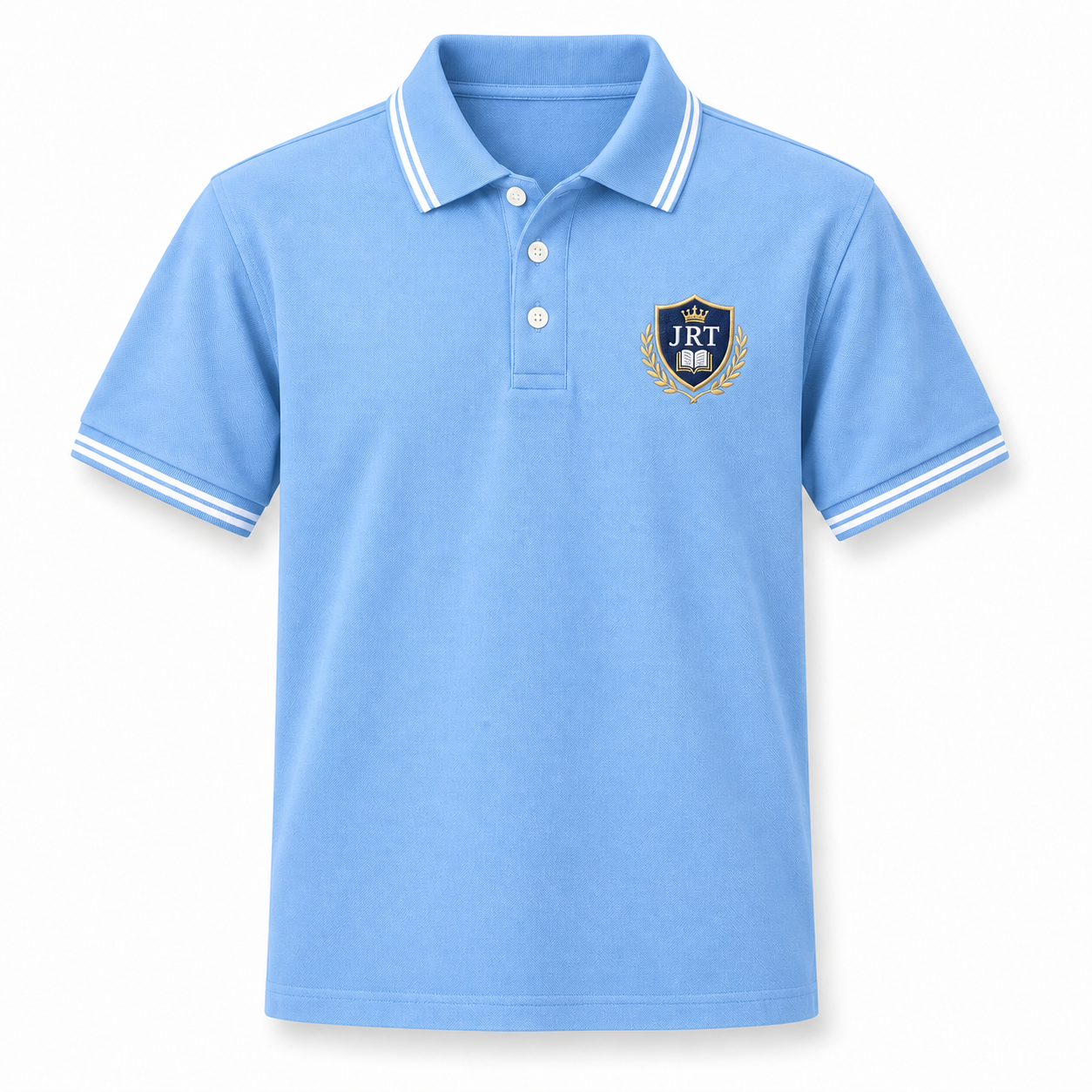
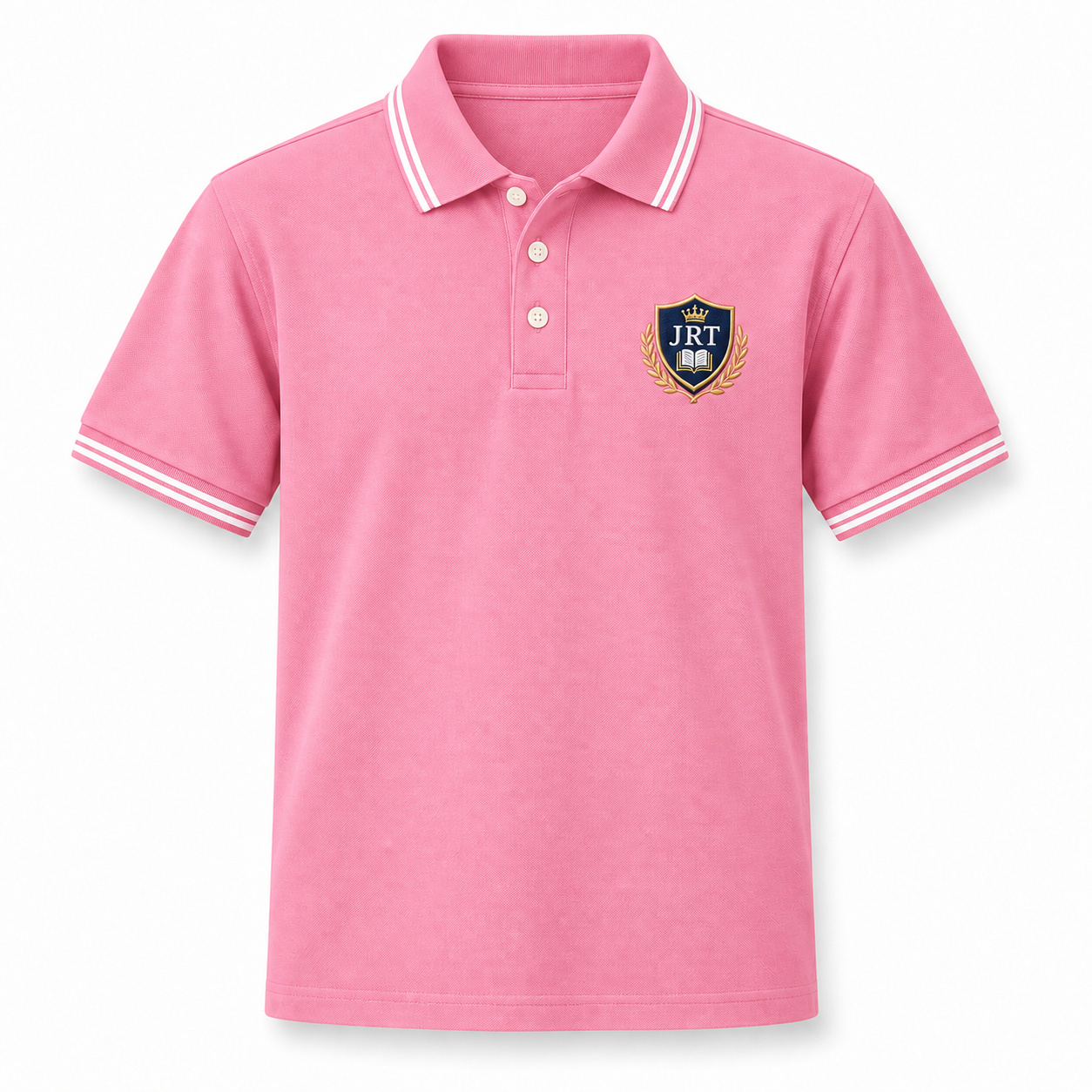
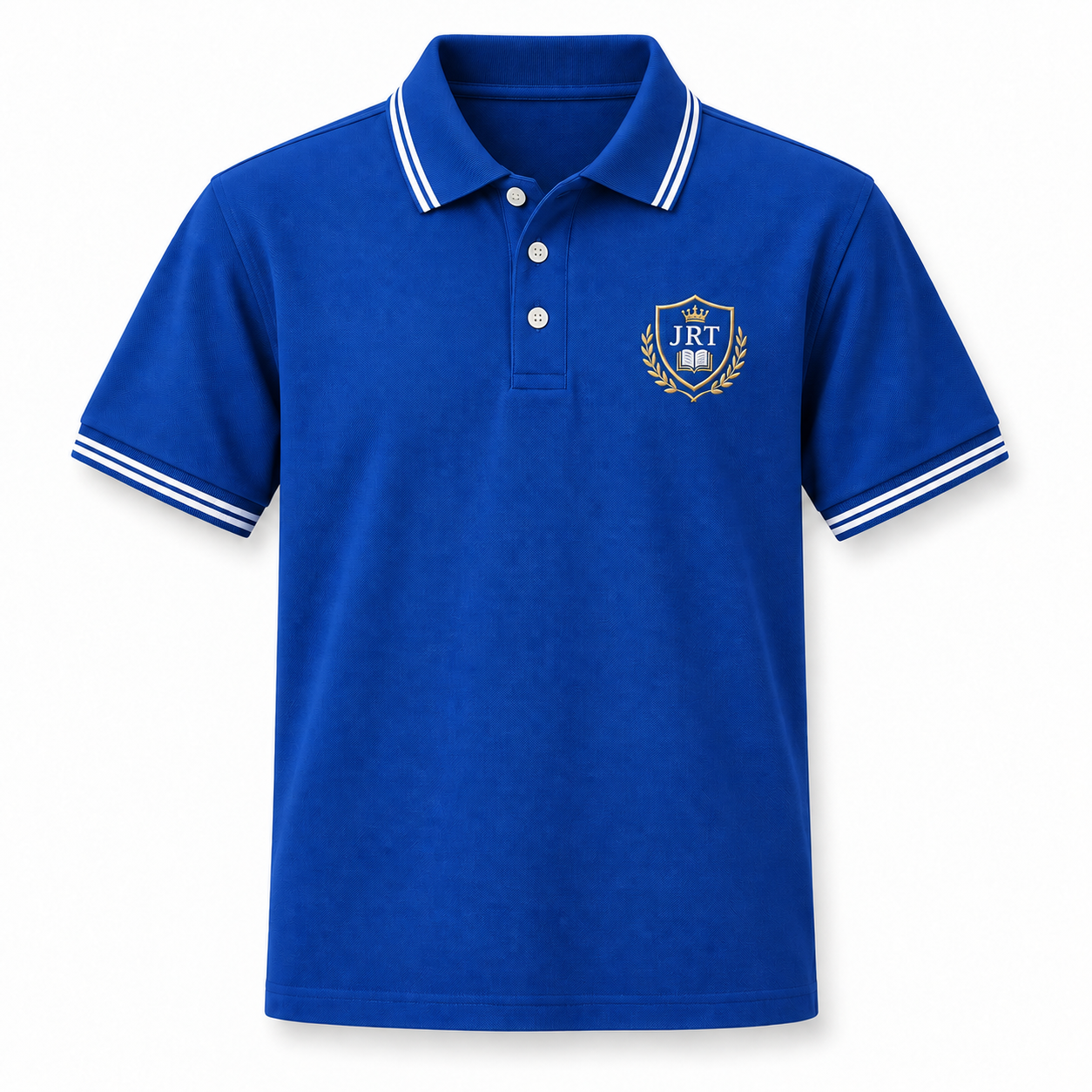
When designing polo shirts, several crucial specifications should be considered to ensure the final product meets the intended purpose and quality expectations. Key specifications include:

Material Composition: The choice of fabric significantly influences the shirt's comfort, durability, and performance. Common materials include cotton, polyester, and blends. Cotton offers breathability and softness, while polyester is known for its moisture-wicking properties and durability. Understanding the end-use application will help determine the best material.

Fabric Weight: The weight of the fabric, typically measured in grams per square meter (GSM), affects the shirt's feel and performance. Lighter fabrics are suitable for warm weather, while heavier fabrics provide more structure and warmth.

Fit and Cut: The design should consider the intended audience and usage. Options include classic fit, slim fit, or tailored styles. Each cut offers a different level of comfort and appearance, influencing how the shirt fits various body types.

Finishing Details: Elements such as collar style (e.g., traditional, button-down), sleeve length, and stitching quality can enhance both the aesthetic and functional aspects of the polo shirt. These details often determine the shirt's suitability for specific activities or branding purposes.

Get a Free Quote

Our representative will contact you soon.
0/1000