Choosing Quality Event T-Shirts for Your Needs

Jinan Runhang Textile Co., Ltd.   —— Verified by SGS

application/event-t-shirt, application/event-t-shirt, 
Inquiry
Inquiry

event t shirt

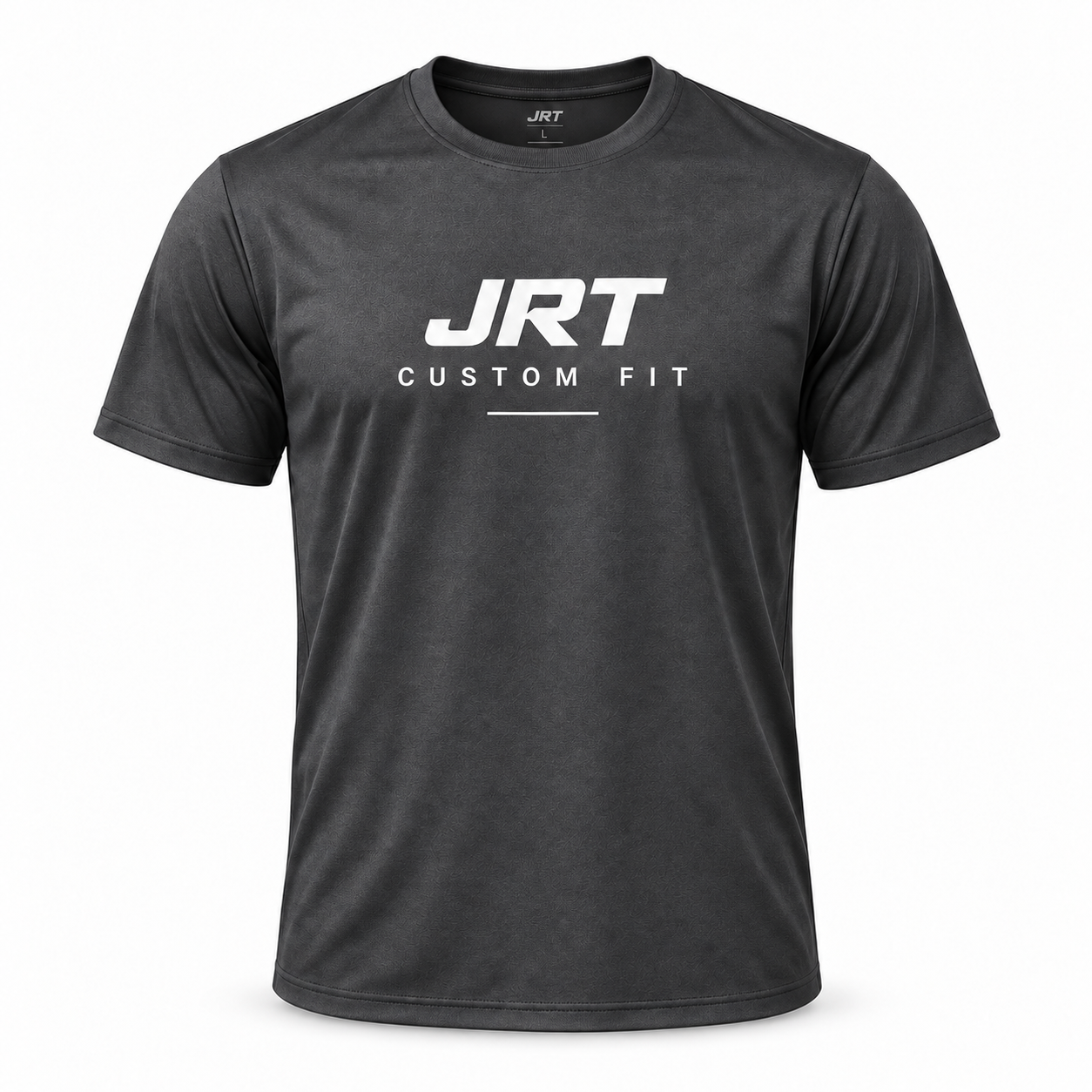
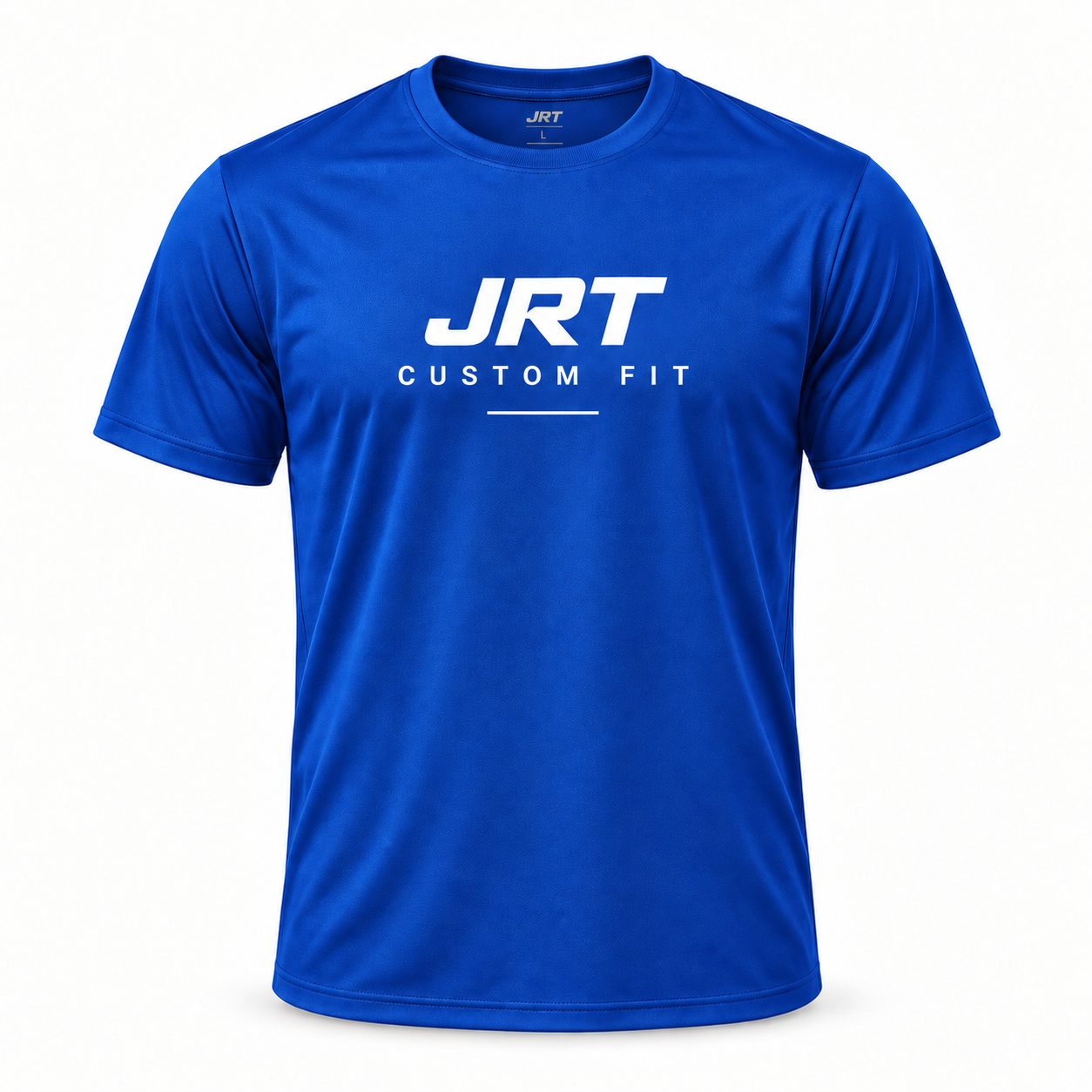
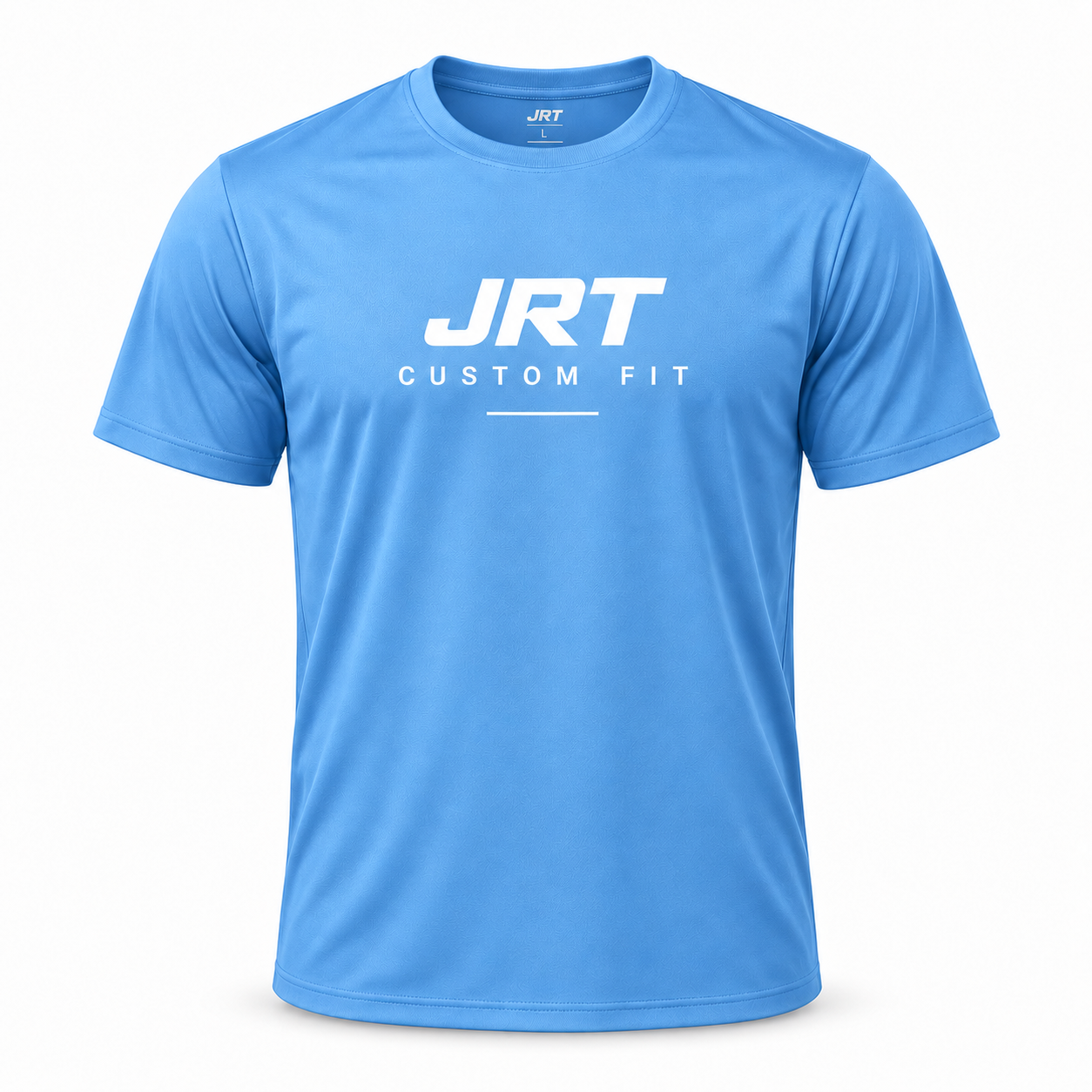
When planning an event, choosing the right event T-shirt is crucial for branding and participant comfort. Event T-shirts serve as both promotional tools and uniforms for staff or participants, making their quality and customization options essential for success. This article will guide B2B buyers through key considerations when sourcing wholesale event T-shirts, focusing on quality evaluation, specifications, cost factors, common issues, and printing guidance.

Key Specifications for High-Quality Event T-Shirts You Need

Key Specifications for High-Quality Event T-Shirts You Need

When sourcing custom event T-shirts, it's vital to specify the following key attributes:

Material: Common materials include cotton, polyester, or blends. Cotton is breathable and comfortable, while polyester offers moisture-wicking properties. Choose based on the event's nature—outdoor events might benefit from lightweight, moisture-wicking fabrics. For a high-quality option, consider the Custom Logo High-Performance 100% Polyester Sweatshirt.

Weight: The fabric weight impacts comfort and durability. Lightweight fabrics (around 150-160 gsm) are ideal for warm events, while heavier options (200 gsm and above) may be better suited for cooler weather.

Fit and Style: Options include crew neck, V-neck, or fitted styles. Consider your audience's preferences to ensure the T-shirts appeal to attendees.

Sizing: Ensure the supplier offers a comprehensive size range to accommodate all participants.

Print Area: Specify the desired print area size and placement. This will influence the design and branding effectiveness.

Color Options: Ensure the supplier can provide a variety of colors that align with your branding. A great choice for vibrant designs is the Custom Design All-Over Print Full Sublimation T-shirt.

By clearly defining these specifications, buyers can ensure their event T-shirts meet both aesthetic and functional requirements.

Cost Factors When Purchasing Event T-Shirts in Bulk

Cost Factors When Purchasing Event T-Shirts in Bulk

Understanding the cost factors involved in purchasing event T-shirts can help buyers make informed decisions. Key considerations include:

Material Costs: Higher-quality fabrics typically come at a premium. Assess the balance between cost and quality to find the best fit for your budget.

Customization Fees: Screen printing, embroidery, or digital printing methods may incur different costs. Ensure you understand the pricing structure for each method.

Order Quantity: Many suppliers have a minimum order quantity (MOQ). Larger orders often result in lower per-unit costs, so consider your needs carefully.

Shipping and Handling: Factor in the cost of shipping, which can vary significantly based on the order size and destination.

Lead Time: Rush orders may incur additional fees. It’s crucial to align production timelines with your event schedule.

By carefully considering these cost factors, buyers can budget effectively while ensuring they receive high-quality event T-shirts.

Common Problems with Event T-Shirts and Effective Solutions

Common Problems with Event T-Shirts and Effective Solutions

When sourcing event T-shirts, buyers may encounter several common issues, including:

Sizing Inconsistencies: Variations in sizing can lead to dissatisfaction among participants. To avoid this, request size charts and ensure the supplier follows industry sizing standards.

Print Quality Issues: Poor printing can ruin the appearance of T-shirts. Always request a sample with your design before approving a full production run to verify print quality and colors.

Fabric Quality Concerns: Fabrics that fade, shrink, or wear poorly can diminish the T-shirt's value. Verify material specifications and conduct fabric tests if necessary.

Delivery Delays: Production and shipping delays can jeopardize your event plans. Maintain clear communication with suppliers regarding timelines and consider adding buffer time to your schedule.

By anticipating these issues, buyers can implement proactive measures and work closely with suppliers to ensure smooth order fulfillment.

Choosing the Right Materials for Durable Event T-Shirts

Custom printing on event T-shirts requires careful attention to detail to achieve the best results. Here are essential steps to consider:

Design Submission: Ensure that the artwork is provided in the correct format, typically vector files like AI or EPS, which allow for resizing without loss of quality.

Approval of Samples: Always request a printed sample before full production. This step is critical to confirm that colors, dimensions, and overall quality meet expectations.

Printing Method: Choose the printing method that aligns with your design and budget. Screen printing is cost-effective for large runs, while digital printing may be more suitable for smaller quantities with intricate designs.

Washing and Care Instructions: Provide clear care instructions for the T-shirts to ensure longevity. This information helps maintain the quality of the print and fabric after multiple washes.

Quality Control Checks: Implement a process for quality checks after printing. Inspect a sample from each batch to ensure consistency and quality before final delivery.

By following these guidelines, buyers can ensure that their custom printing processes yield high-quality results that enhance the event's branding and participant experience.

How to Evaluate the Quality of Event T-Shirts for Bulk Orders

Evaluating the quality of wholesale event T-shirt suppliers involves several critical factors. First, examine the supplier's manufacturing processes and equipment capability. Reputable manufacturers, like Jinan Runhang Textile Co., Ltd., often utilize advanced machinery that ensures consistent quality in fabric and stitching.

Additionally, request samples to assess the fabric's feel, durability, and print compatibility. Check for certifications that guarantee compliance with industry standards, which can provide insight into their commitment to quality. Buyers should also look for suppliers with a robust quality control process, including pre-production and post-production inspections to identify defects early.

Finally, consider customer reviews and references from other businesses. Feedback from previous clients can give insights into the supplier’s reliability and product performance.

Get a Free Quote

Our representative will contact you soon.
0/1000

Related product categories