Hoodie Printing: Materials, Costs & Quality Control

Jinan Runhang Textile Co., Ltd.   —— Verified by SGS

application/hoodie-printing, application/hoodie-printing, 
Inquiry
Inquiry

hoodie printing

Hoodie printing is a popular method for customizing garments, allowing businesses to create unique designs that resonate with their brand identity. For purchasing managers and distributors, understanding the nuances of hoodie printing is crucial for making informed decisions that meet their quality and budget requirements. This article will provide insights into selecting materials, key specifications, supplier comparisons, cost factors, and quality control standards, ensuring you have a comprehensive understanding of what to look for in hoodie printing projects.

Key Specifications to Consider

Key Specifications to Consider

Understanding the key specifications for hoodie printing will help you align your requirements with your supplier's offerings. Important specifications include fabric weight, composition, stitch count, and print area.

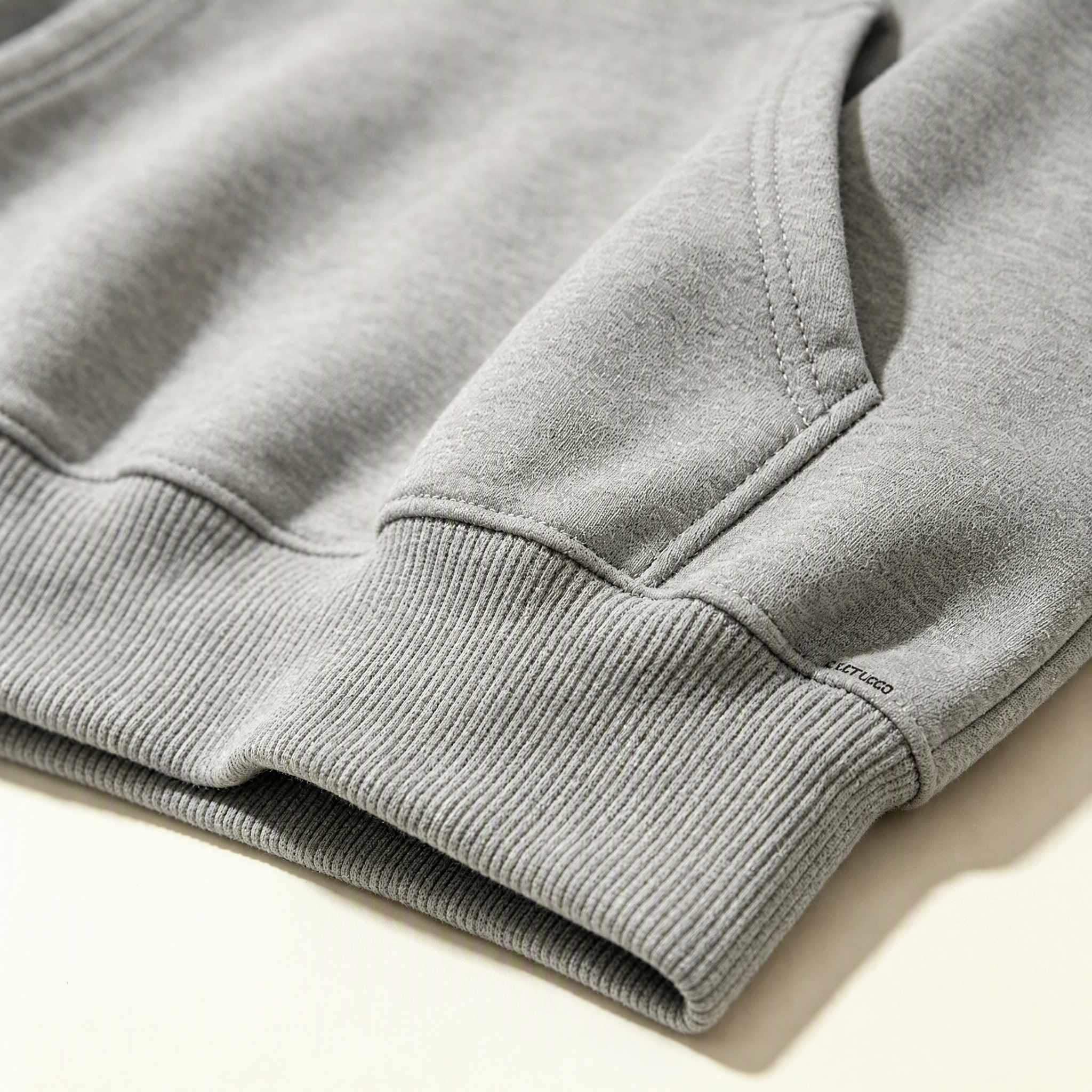
Fabric Weight: Measured in grams per square meter (GSM), this affects the hoodie’s warmth and durability. A heavier fabric (around 280-320 GSM) is ideal for colder climates, while lighter options (around 200-240 GSM) may be suitable for warmer seasons.

Composition: As mentioned, the ratio of cotton to polyester affects the garment's performance. A higher cotton content offers breathability, while more polyester can enhance durability and color retention.

Stitch Count: A higher stitch count typically signifies better quality, as it enhances the garment's strength and overall appearance.

Print Area: Specify the dimensions for the print area to ensure the design fits well and is visually appealing. This can vary based on the printing method used.

By confirming these specifications with your supplier, you can ensure that the finished product meets both aesthetic and functional requirements.

Comparing Hoodie Printing Suppliers for Your Bulk Orders

Comparing Hoodie Printing Suppliers for Your Bulk Orders

When evaluating hoodie printing suppliers, several factors should guide your decision-making process. First, assess their production capabilities, including minimum order quantities (MOQs) and lead times. A supplier's ability to accommodate your order size and deadlines is crucial, especially for time-sensitive projects.

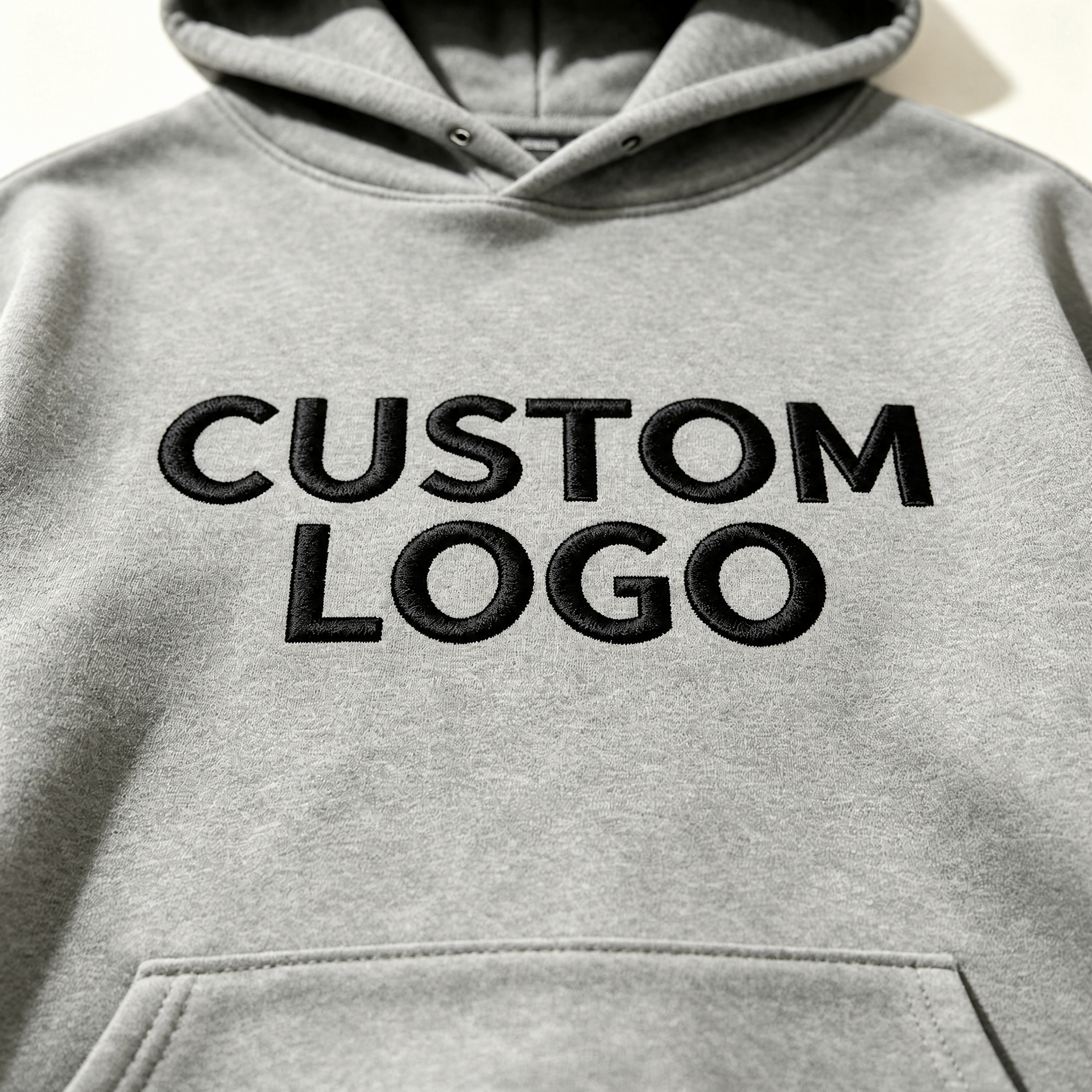
Next, request samples of previous work to gauge print quality and fabric selection. This hands-on evaluation can reveal a lot about the supplier's craftsmanship and reliability. Additionally, inquire about customization options, such as embroidery or screen printing techniques, to ensure the supplier can meet your specific design needs. For instance, a Custom Design High-Definition All-Over Print Sublimation Hoodie can showcase the supplier's ability to deliver unique designs.

Pricing is another vital aspect to compare. While lower prices may be tempting, consider the total cost of ownership, including potential shipping fees and the quality of the final product. Establishing a long-term relationship with a reliable supplier can often lead to better pricing and service over time.

Lastly, check for industry certifications, such as any quality management systems or sustainability practices, which can enhance a supplier's credibility and align with your company’s values.

Cost Factors in Wholesale Hoodie Printing for Distributors

Cost Factors in Wholesale Hoodie Printing for Distributors

Understanding the cost factors involved in wholesale hoodie printing can help distributors set appropriate pricing strategies and manage budgets effectively. Key cost components include material costs, printing methods, labor, and shipping expenses.

Material Costs: The type of fabric selected significantly impacts the overall price. Cotton hoodies generally cost more than polyester blends, and custom colors or patterns can also increase material expenses.

Printing Methods: Different printing techniques vary in cost. Screen printing is often more economical for large batches, while digital printing may be more suitable for smaller orders or complex designs, albeit at a higher price point.

Labor Costs: The complexity of the design and the required finishing processes (like embroidery) can influence labor costs. Ensure to clarify these aspects with your supplier upfront.

Shipping Expenses: Consider the location of your supplier and the delivery options available. International shipping can add significant costs, so factor this into your budget when selecting a supplier.

By being aware of these cost factors, distributors can better negotiate with suppliers and establish competitive pricing models for their customers.

Evaluating Quality Control Standards in Hoodie Printing

Quality control (QC) is a critical aspect of the hoodie printing process that directly affects customer satisfaction and brand reputation. When evaluating potential suppliers, inquire about their QC practices throughout the production process.

Key QC standards to consider include:

Material Inspection: Suppliers should have procedures for inspecting incoming materials to ensure they meet specified quality levels. This can prevent issues later in production.

In-Process Checks: Regular checks during the printing process can help catch errors early, ensuring that colors and designs match the approved samples.

Final Inspection: A thorough inspection of finished products before shipping is essential. This should include checking for print clarity, color accuracy, and any defects in the garment.

Customer Feedback: Suppliers that actively seek and respond to customer feedback on quality can demonstrate a commitment to continuous improvement.

By implementing stringent quality control measures, suppliers can minimize defects and deliver a consistent, high-quality product, which is particularly important for maintaining brand integrity.

Understanding the intricacies of hoodie printing—from material selection to quality control—enables purchasing managers and distributors to make informed decisions that align with their business needs. By applying these insights, you can ensure a more successful hoodie printing project, ultimately enhancing your product offerings and customer satisfaction.

How to Choose Quality Materials for Hoodie Printing Projects

Selecting the right materials for hoodie printing is essential for achieving durable and visually appealing products. The fabric choice directly impacts print quality, comfort, and overall garment performance. Common materials used in hoodie production include cotton, polyester, and cotton-polyester blends.

Cotton is favored for its softness and breathability, making it ideal for casual wear. However, it may not hold prints as well as synthetic options. Polyester, on the other hand, is known for its durability and moisture-wicking properties, making it suitable for athletic applications. Blends often combine the best of both worlds, providing comfort and print adhesion. If you're looking for a high-performance option, consider a Custom Logo High-Performance 100% Polyester Sweatshirt, which offers quick-dry technology and is sublimation-ready.

When choosing materials, consider factors such as the intended use of the hoodies, desired print techniques (like screen printing or digital printing), and customer preferences. Always request samples to evaluate the fabric's feel and print compatibility before placing bulk orders, as this ensures that the final product meets your standards.

Get a Free Quote

Our representative will contact you soon.
0/1000