Personalised T-Shirt Printing: A Comprehensive Guide

Jinan Runhang Textile Co., Ltd.   —— Verified by SGS

application/personalised-t-shirt-printing, application/personalised-t-shirt-printing, 
Inquiry
Inquiry

personalised t shirt printing

Personalised T-shirt printing is an excellent way for businesses to promote their brand, design custom apparel, or create unique merchandise for events. As a purchasing manager or distributor, your concerns likely include product quality, supplier reliability, and cost-effectiveness. This article will provide you with essential information on evaluating suppliers, understanding cost factors, exploring applications in various industries, and reviewing the technical specifications necessary for successful custom t-shirt printing projects.

Evaluating Supplier Reliability for Bulk T-Shirt Orders

Evaluating Supplier Reliability for Bulk T-Shirt Orders

Reliability is a key factor when selecting a supplier for bulk t-shirt orders. Here are some critical considerations:

Production Capacity: Assess the supplier’s ability to handle your order size. A reliable supplier should have the facilities and workforce to manage large orders without compromising quality.

Quality Control Processes: Inquire about the supplier's quality assurance practices. A reputable manufacturer will have established procedures to ensure consistent product quality, including inspections throughout the production process.

Lead Time: Understand the expected lead times for production and delivery. A dependable supplier should provide realistic timelines and communicate any potential delays promptly.

Past Client References: Request references from previous clients to gauge the supplier's reliability. Positive feedback from other businesses in your industry can provide valuable insights into their performance.

Sample Approval: Before placing a large order, request samples to review the quality and printing methods. This step can help avoid common issues such as misalignment or color discrepancies in the final product.

Cost Factors to Consider for Wholesale T-Shirt Printing

Cost Factors to Consider for Wholesale T-Shirt Printing

Pricing for wholesale t-shirt printing can vary widely based on several factors:

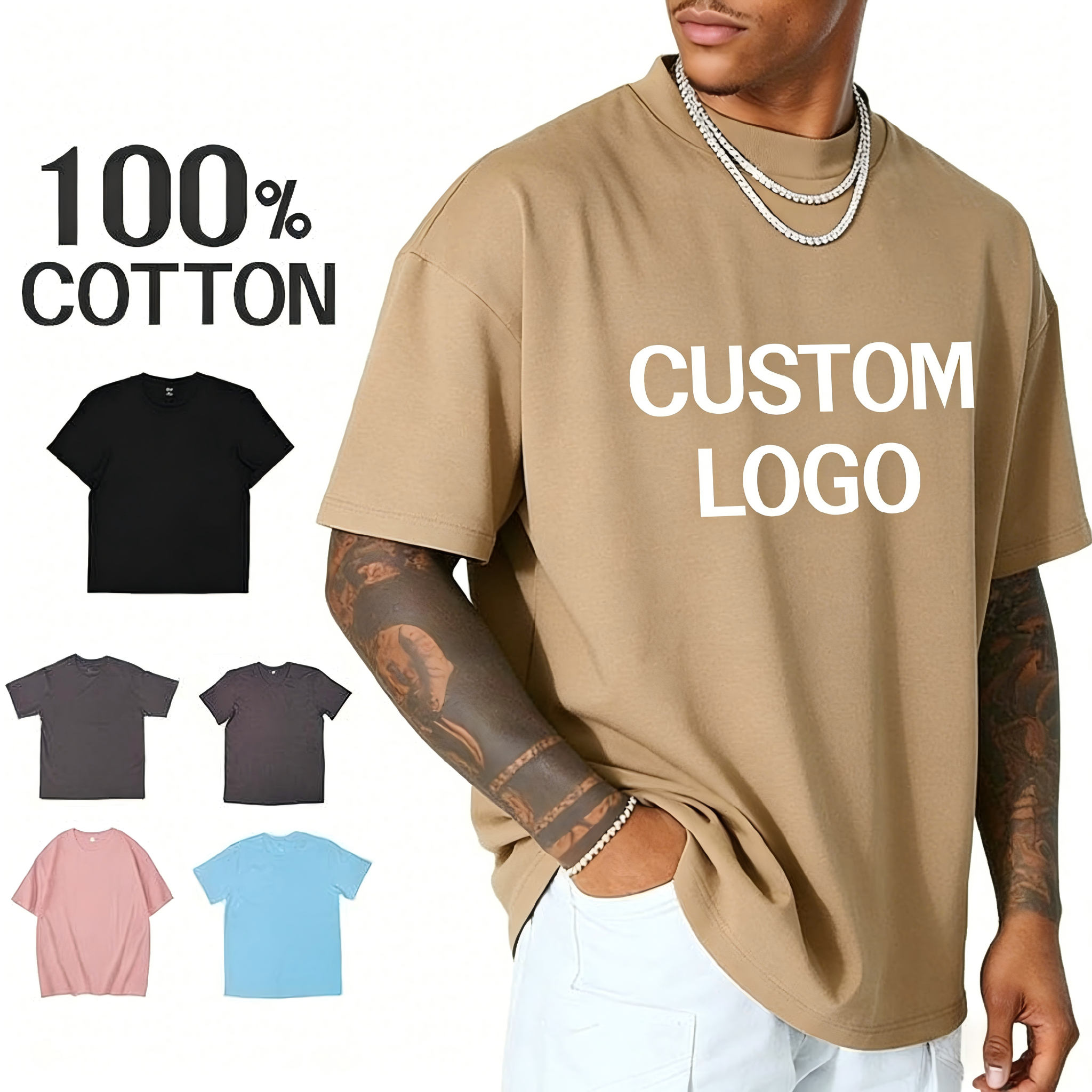
Material Selection: The type of fabric you choose significantly impacts the cost. Cotton is popular for its comfort and breathability, while blends may offer increased durability at a lower price point. Be sure to confirm material specifications, especially if specific qualities are required for your application.

Printing Method: Different printing techniques come with different costs. Screen printing generally has a lower per-unit cost for large quantities, while DTG printing can be more economical for smaller runs but may have higher setup fees. If you are looking for options in custom designs, consider also Hoodies & Sweatshirts for your apparel line.

Order Quantity: The minimum order quantity (MOQ) can affect pricing. Some suppliers may offer bulk discounts, which can significantly reduce the cost per item. It’s essential to communicate your expected order size to get an accurate quote.

Customization Options: Additional features such as specialty inks, custom sizes, or unique designs can increase production costs. Clearly outline your design requirements when requesting a quotation to ensure all factors are considered.

Packaging and Shipping: Don’t overlook packaging and shipping costs, as these can add to the final price. Confirm whether your supplier includes these costs in their pricing or if they are additional.

Applications of Personalized T-Shirts in Various Industries

Applications of Personalized T-Shirts in Various Industries

Personalised t-shirts serve diverse purposes across industries:

Promotional Events: Many businesses use personalised t-shirts to promote brand awareness during trade shows, conferences, or community events. They can serve as walking advertisements while providing employees or participants with a cohesive look.

Corporate Uniforms: Companies often design custom t-shirts as part of their corporate uniform. This practice fosters a sense of team identity and professionalism among employees.

Fundraising and Charity Events: Non-profit organizations frequently use personalised t-shirts as a fundraising tool. Selling custom t-shirts can help raise awareness and funds for specific causes while providing supporters with a memento.

Sports Teams: Local sports teams often use personalised t-shirts to unify players and create a team spirit. Custom jerseys can be designed for specific events or as part of a larger merchandise line.

Fashion and Retail: Custom t-shirts are a staple in the fashion industry, allowing brands to express their unique style and cater to niche markets. With the rise of e-commerce, personalised t-shirts can also be a key product line for online retailers, and you might want to include Polo Shirts in your offerings.

Technical Specifications for Custom T-Shirt Printing Projects

Understanding the technical specifications is vital for successful custom t-shirt printing:

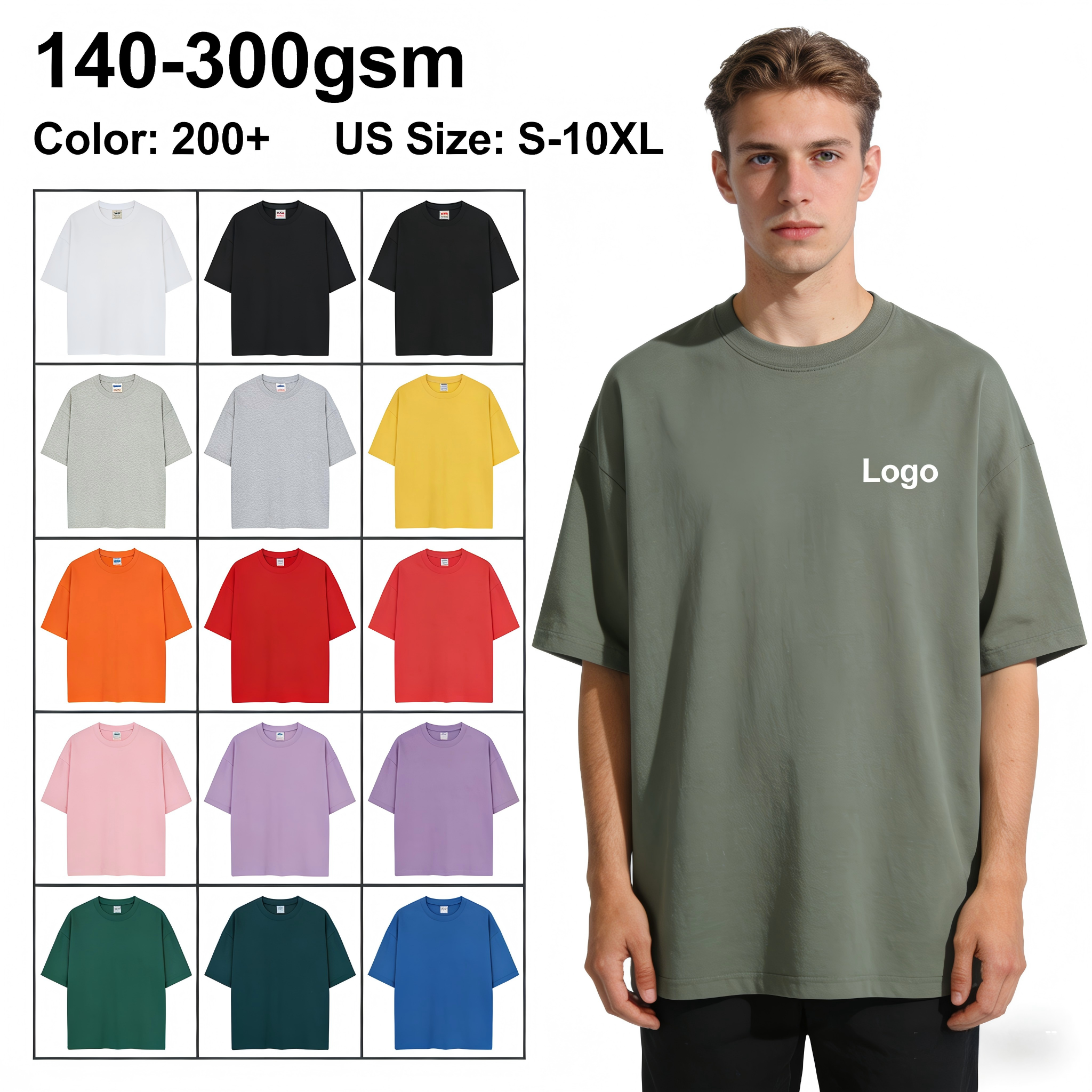
Fabric Weight: The weight of the fabric can affect the final product’s quality and comfort. Lighter fabrics may be better for warm climates, while heavier materials can provide durability and structure.

Print Resolution: The quality of the print is often determined by its resolution. Ensure that your designs are created at a high resolution to avoid pixelation when printed.

Ink Types: Different inks offer varied performance characteristics. Plastisol inks are popular for their opacity and durability, while water-based inks provide a softer feel. Discuss with your supplier the best ink options based on your design and application.

Fit and Size Specifications: Custom t-shirts should come in a range of sizes to accommodate different body types. Confirm size charts with the supplier to ensure proper fit.

Care Instructions: Understanding how to care for the printed t-shirts can prolong their lifespan. Ensure that your supplier provides clear care instructions to share with end-users.

By considering these factors, you can make informed decisions regarding your personalised t-shirt printing needs. Whether for promotional use or as merchandise, understanding the intricacies of the process will help you choose the right supplier and achieve the best results for your business.

A Guide

When considering personalised t-shirt printing for your business, it is crucial to understand the various options available. Personalised T-shirts can be produced using several printing methods, including screen printing, direct-to-garment (DTG), and heat transfer. Each method has its own advantages and limitations.

Screen printing is ideal for bulk orders, as it offers vibrant colors and durability, making it suitable for promotional events and corporate giveaways. DTG allows for intricate designs and is well-suited for smaller runs, as it requires less setup time. Heat transfer is versatile, enabling customization of different fabrics, but it may not offer the same longevity as screen printing.

Selecting the right method depends on your specific needs, such as order quantity, design complexity, and budget. Ensure that your chosen supplier has the necessary capabilities and equipment to meet your requirements. For example, if you're considering bulk orders, you might want to explore options such as Apparel Accessories to enhance your product offerings.

Get a Free Quote

Our representative will contact you soon.
0/1000