Choosing Reliable Polo Suppliers for Wholesale Needs

Jinan Runhang Textile Co., Ltd.   —— Verified by SGS

application/polo-suppliers, application/polo-suppliers, 
Inquiry
Inquiry

polo suppliers

Choosing the right polo suppliers is crucial for businesses looking to source high-quality apparel for their brands or distribution channels. With various options available, understanding key factors like material quality, production capabilities, and supplier reliability is essential. This article delves into practical guidance for evaluating potential suppliers, ensuring that your wholesale needs are met with the utmost satisfaction.

Key Specifications to Evaluate When Sourcing Polo Shirts

Key Specifications to Evaluate When Sourcing Polo Shirts

When sourcing polo shirts, several specifications should be evaluated to ensure that the product meets your quality standards and application needs:

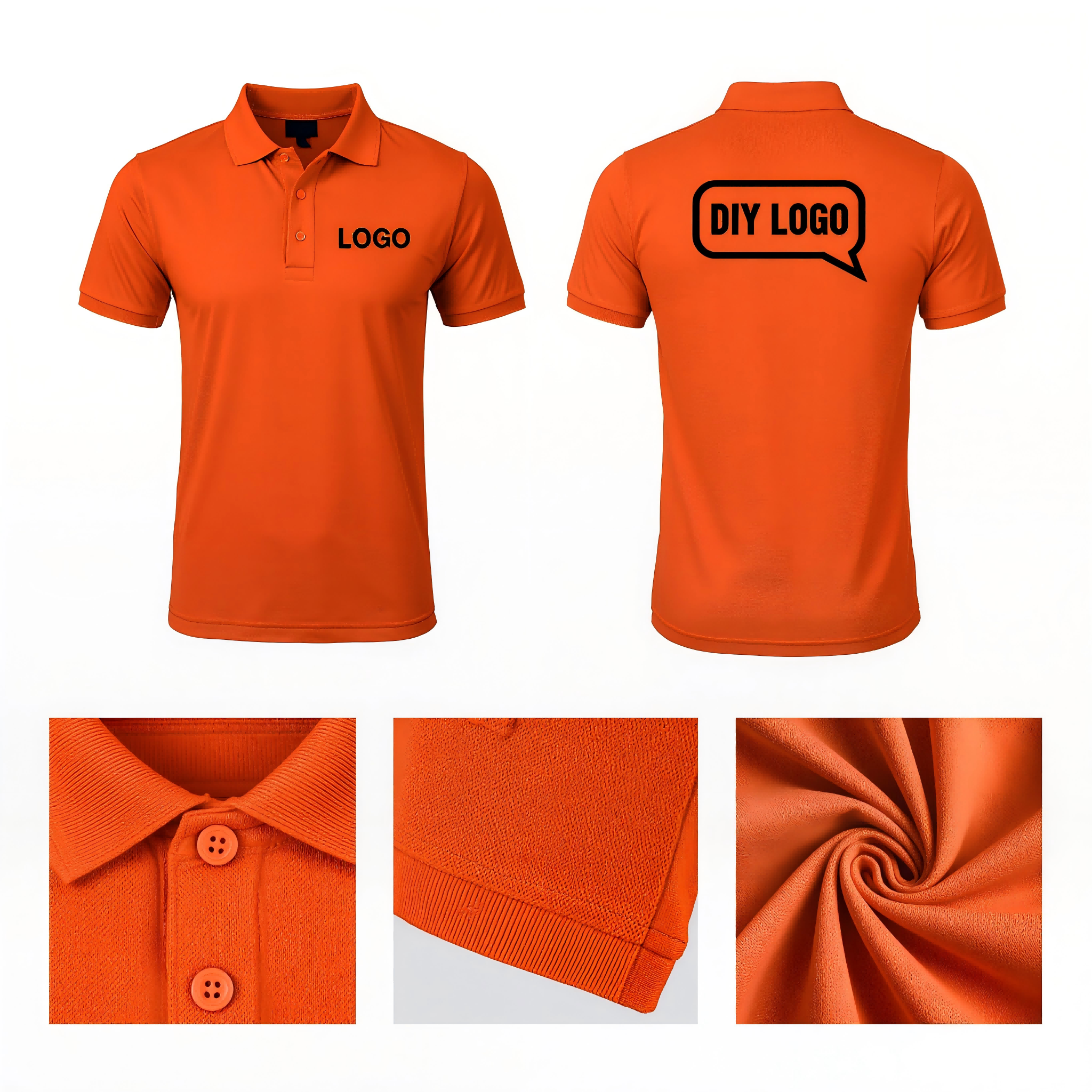
Material Composition: Common materials for polo shirts include cotton, polyester, and blends. Cotton offers breathability and comfort, while polyester is durable and moisture-wicking. The material choice should align with your target market's preferences. For instance, you may want to explore custom design hoodies if you're interested in expanding your product line.

Stitching Quality: Inspect the stitching methods used. Double-stitched seams are preferable for durability. Ensure the stitching is consistent and neat, as this reflects overall product quality.

Fit and Sizing: Understand the sizing standards the supplier follows. Request sizing samples to ensure they meet your specifications, as fit can significantly impact customer satisfaction.

Color Fastness: Verify the dyeing processes used to ensure colors remain vibrant after washing. This is particularly important for brands that prioritize aesthetic appeal.

Certifications: Look for suppliers with certifications related to quality management systems (like ISO 9001) or sustainability (like OEKO-TEX). These certifications indicate a commitment to quality and environmental responsibility.

Where to Find High-Quality Polo Suppliers for Importing

Where to Find High-Quality Polo Suppliers for Importing

Finding reputable polo suppliers for importing can be achieved through various channels. Industry trade shows and exhibitions provide opportunities to meet manufacturers face-to-face, allowing for direct communication regarding capabilities and quality standards.

Online B2B platforms like Alibaba, Global Sources, and ThomasNet can also be useful for discovering suppliers. When using these platforms, check for verified suppliers, read reviews, and request samples to assess product quality before making larger commitments.

Networking within industry forums or associations can lead to recommendations for reliable suppliers. Engaging with other businesses in your sector can provide insights into their experiences with specific suppliers.

The Advantages of Different Materials in Polo Shirt Manufacturing

The Advantages of Different Materials in Polo Shirt Manufacturing

The choice of material in polo shirt manufacturing impacts not only the shirt's appearance but also its performance and durability. Here are some common materials and their advantages:

Cotton: Known for its softness and breathability, cotton is ideal for casual wear. It absorbs moisture well, making it comfortable in warm weather. However, it is less durable and may require more care to maintain its appearance.

Polyester: This synthetic fabric is incredibly durable and resistant to shrinking and wrinkles. Polyester polo shirts are often moisture-wicking, making them suitable for active wear. They maintain their shape well and are easier to care for, although they may not be as breathable as cotton.

Cotton-Polyester Blends: Combining the benefits of both cotton and polyester, these blends offer a balance of comfort, durability, and ease of care. This makes them popular choices for corporate apparel and promotional products.

Performance Fabrics: These are engineered materials designed for specific uses, such as moisture management or UV protection. Understanding the end-use of the polo shirt can help determine the best material.

Installation Guidance for Custom Polo Shirts in Your Projects

When incorporating custom polo shirts into your projects, consider the following guidance to ensure a seamless installation process:

Artwork Approval: Before production, request a digital proof of the design. This helps ensure that colors, placements, and logos meet your specifications.

Sample Review: Always request a sample of the custom polo shirt before placing a bulk order. This allows you to inspect the material, fit, and print quality firsthand. Pay attention to how the fabric feels and how well it holds the design after washing.

Order Specifications: Be precise when communicating your order details, including sizes, quantities, and color options. Clearly outline any customization requirements so that the supplier can meet your expectations.

Packaging and Shipping: Discuss packaging options with your supplier. Proper packaging protects the polo shirts during transit and enhances the unboxing experience for your customers. Confirm shipping timelines to manage your inventory effectively.

Quality Control: Implement a quality control process upon receiving the garments. Check for any discrepancies in size, color, or print quality. Address any issues with the supplier promptly, as this can help prevent future problems. You might also want to ensure that the supplier's quality matches offerings like premium silk screen printed t-shirts.

By focusing on these practical aspects, businesses can successfully navigate the process of sourcing polo shirts, ensuring that they find the right suppliers that meet their specific needs.

How to Choose Reliable Polo Suppliers for Your Wholesale Needs

When selecting polo suppliers, businesses should prioritize reliability, production capacity, and quality control processes. Start by assessing the supplier's manufacturing capabilities, including their equipment and technology. A supplier with advanced machinery is more likely to produce consistent quality products.

Additionally, consider the supplier’s experience in the industry. A long-standing supplier often indicates stability and a track record of meeting customer demands. Request references from existing clients to gauge the supplier's reliability and service levels.

Lastly, inquire about their supply chain logistics. A supplier that can provide flexible delivery options and maintain transparency in order tracking will enhance your overall procurement process. For example, you might consider suppliers that offer high-performance polyester sweatshirts as part of their offerings.

Get a Free Quote

Our representative will contact you soon.
0/1000