Key Considerations for Sourcing T-Shirts Wholesale

Jinan Runhang Textile Co., Ltd.   —— Verified by SGS

application/t-shirt-maker, application/t-shirt-maker, 
Inquiry
Inquiry

t shirt maker

When sourcing T-shirts wholesale, understanding the various specifications and factors involved is crucial for B2B buyers, such as purchasing managers, distributors, and product managers. As a leading T-shirt maker, Jinan Runhang Textile Co., Ltd. specializes in manufacturing a wide array of apparel, including T-shirts, with a focus on quality craftsmanship and reliable supply. This article will guide you through key considerations when purchasing T-shirts in bulk, helping you make informed decisions that align with your business needs.

Comparing Material Advantages for Different T-Shirt Styles

Comparing Material Advantages for Different T-Shirt Styles

Understanding the advantages of various materials is crucial to selecting the right T-shirt for your needs:

Cotton: Known for its softness and breathability, cotton is ideal for casual wear and is often preferred for promotional T-shirts. However, it may shrink after washing, so pre-shrunk options are advisable for bulk orders.

Polyester: This synthetic fabric is lightweight, durable, and resistant to moisture and wrinkles, making it a popular choice for activewear. Polyester's color retention is also superior, allowing for vibrant designs that withstand repeated washes. You might want to look at our Custom Design All-Over Print Full Sublimation T-shirt for high-definition printing capabilities.

Blends: Cotton-polyester blends combine the best of both worlds, offering the softness of cotton with the durability of polyester. This makes them versatile for a range of applications, from casual to more formal settings.

Organic Materials: With increasing consumer demand for sustainable options, organic cotton is gaining popularity. Buyers should consider the eco-friendliness of the materials in their sourcing decision, as this can enhance brand reputation.

Understanding Cost Factors in Wholesale T-Shirt Purchases

Understanding Cost Factors in Wholesale T-Shirt Purchases

Several factors influence the cost of wholesale T-shirts, which can significantly impact your budgeting:

Material Costs: Higher quality materials generally lead to increased costs. When selecting fabrics, balance quality against your budget constraints. For example, organic cotton may be more expensive but can justify its price through customer appeal.

Customization: Custom designs, prints, or embroidery will increase the overall price. Be clear about your design requirements during negotiations to receive accurate quotes.

Order Quantity: Bulk orders typically result in lower per-unit costs. Understanding the manufacturer’s minimum order quantity (MOQ) can help you plan your purchases effectively.

Shipping and Handling: Factor in transportation costs, which can vary based on the supplier's location and your delivery requirements. Explore options for cost-effective shipping solutions.

Lead Time: Tight deadlines may incur rush fees. Discuss lead times with your supplier to align production schedules with your launch plans, ensuring timely delivery without unexpected costs.

Applications of Custom T-Shirts in Various Industries and Events

Applications of Custom T-Shirts in Various Industries and Events

Custom T-shirts serve a range of purposes across different industries and events:

Promotional Events: Businesses often use custom T-shirts for marketing campaigns or trade shows. They serve as effective promotional tools, creating brand visibility and fostering team unity among employees.

Corporate Uniforms: Many companies opt for custom T-shirts as part of their employee uniforms. This can help create a professional appearance while enhancing brand identity.

Sports Teams: Custom T-shirts are popular among sports teams for both practice and games. They can be designed with team logos and player names, fostering team spirit and cohesion.

Festivals and Conferences: Events such as music festivals, conferences, and charity runs frequently utilize custom T-shirts. These shirts can commemorate the occasion and serve as merchandise.

Non-Profits and Fundraisers: Non-profit organizations often use custom T-shirts to raise awareness for causes. Selling branded shirts can also serve as a fundraising strategy.

Guidance on Installation and Care for Your T-Shirt Products

While T-shirts may not require complicated installation, proper care ensures longevity and maintains appearance:

Washing Instructions: Provide clear washing guidelines to customers. Most T-shirts should be washed in cold water to prevent shrinking or fading. Avoid bleach, which can damage the fabric.

Drying Methods: Recommend air drying over machine drying whenever possible. High heat can lead to shrinkage and wear over time. If using a dryer, select a low heat setting.

Ironing and Storage: Advise customers to iron T-shirts on a low setting, especially when printed designs are involved. Proper storage methods, such as folding rather than hanging, can prevent stretching and maintain shape.

Handling Stains: Offer tips for stain removal, such as treating stains immediately with appropriate cleaners. This can enhance customer satisfaction and prolong the life of the product.

By understanding these key aspects of sourcing T-shirts, buyers can make informed decisions that align with their business needs. With Jinan Runhang Textile Co., Ltd.'s expertise in manufacturing high-quality T-shirts, partnering with a reliable supplier can streamline your purchasing process and elevate your brand offerings.

Key Specifications to Review When Sourcing T-Shirts Wholesale

When evaluating T-shirts for wholesale, several specifications warrant careful consideration:

Fabric Composition: The material used in T-shirt production significantly affects comfort, durability, and cost. Common materials include cotton, polyester, and blends. Cotton offers breathability and softness, while polyester provides moisture-wicking properties suitable for athletic wear. Depending on the intended use, selecting the right fabric is essential. For instance, you might consider our Custom Logo High-Performance 100% Polyester Sweatshirt for athletic applications.

Weight and Thickness: The weight of the fabric, measured in grams per square meter (GSM), impacts the T-shirt's feel and durability. Lighter fabrics (around 120-150 GSM) are ideal for summer wear, while heavier options (200 GSM and above) are more suitable for colder conditions. Balance your need for comfort against durability when choosing weight.

Size and Fit Options: Ensure the manufacturer offers a range of sizes and fits, from standard to fitted styles. Custom sizing may also be available, accommodating diverse customer preferences. Remember to confirm if the fit aligns with your target market's expectations.

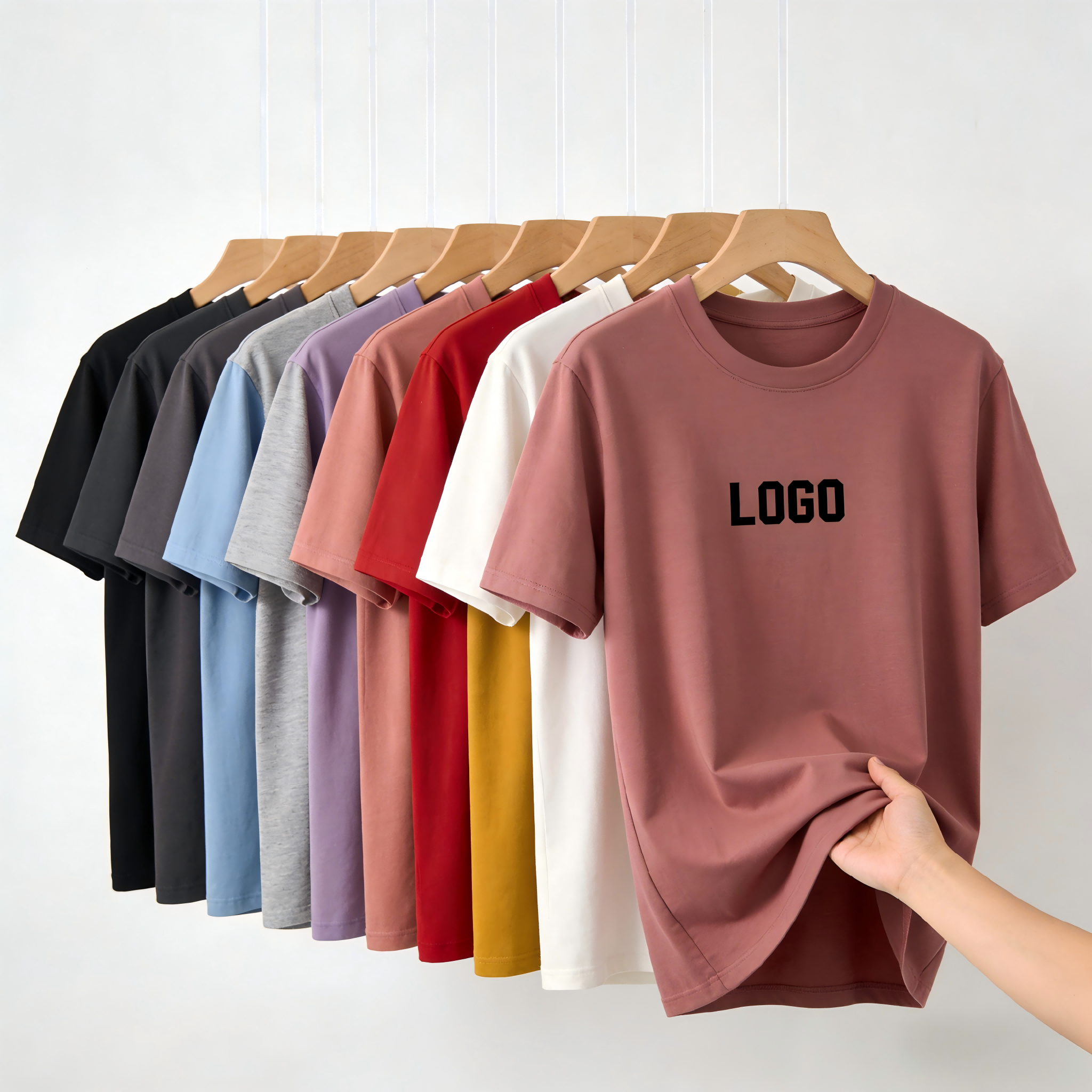
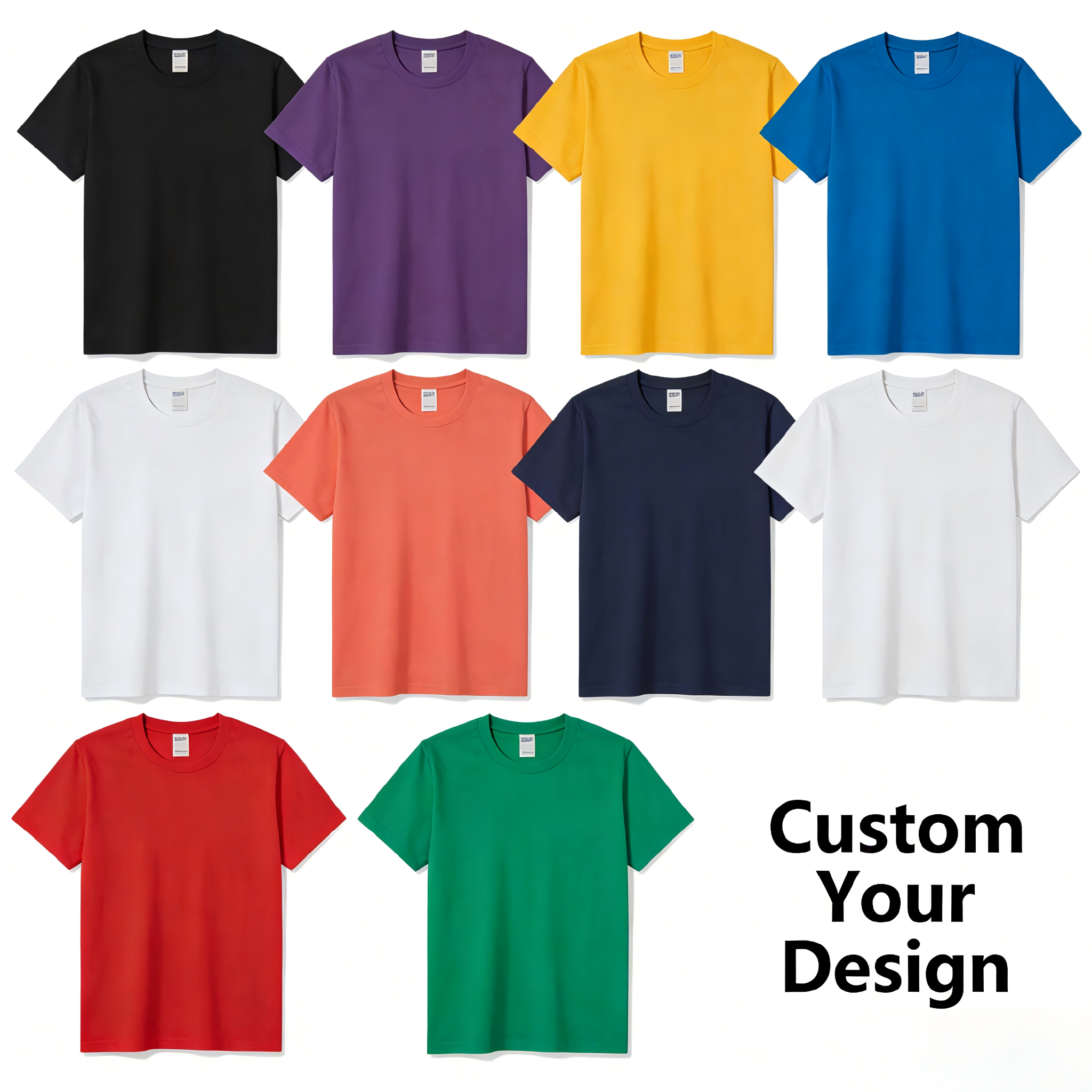
Color and Printing Options: Assess the available color palettes and printing techniques. Screen printing, heat transfer, and direct-to-garment (DTG) printing are popular methods, each with distinct advantages. Ensure the supplier can meet your design requirements and color consistency standards.

Quality Control Processes: Inquire about the manufacturer's quality assurance measures. A reputable T-shirt maker should have robust inspection procedures in place to ensure that each batch meets specified standards, reducing the likelihood of defects.

Get a Free Quote

Our representative will contact you soon.
0/1000