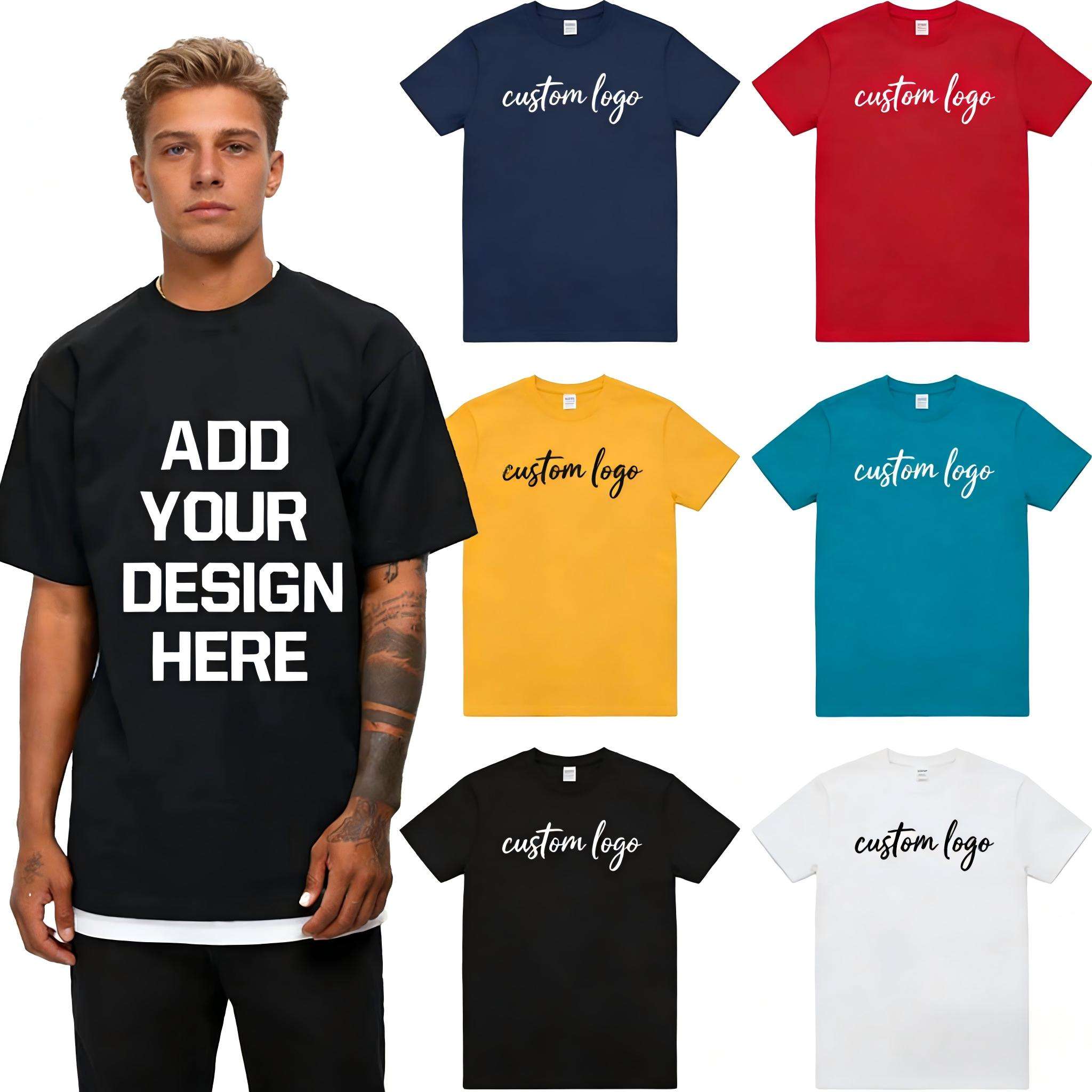
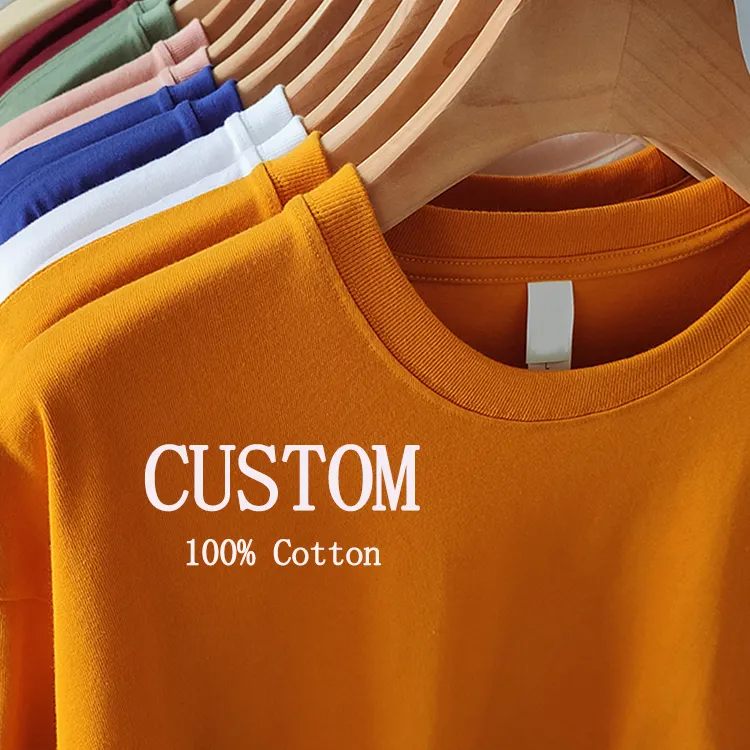
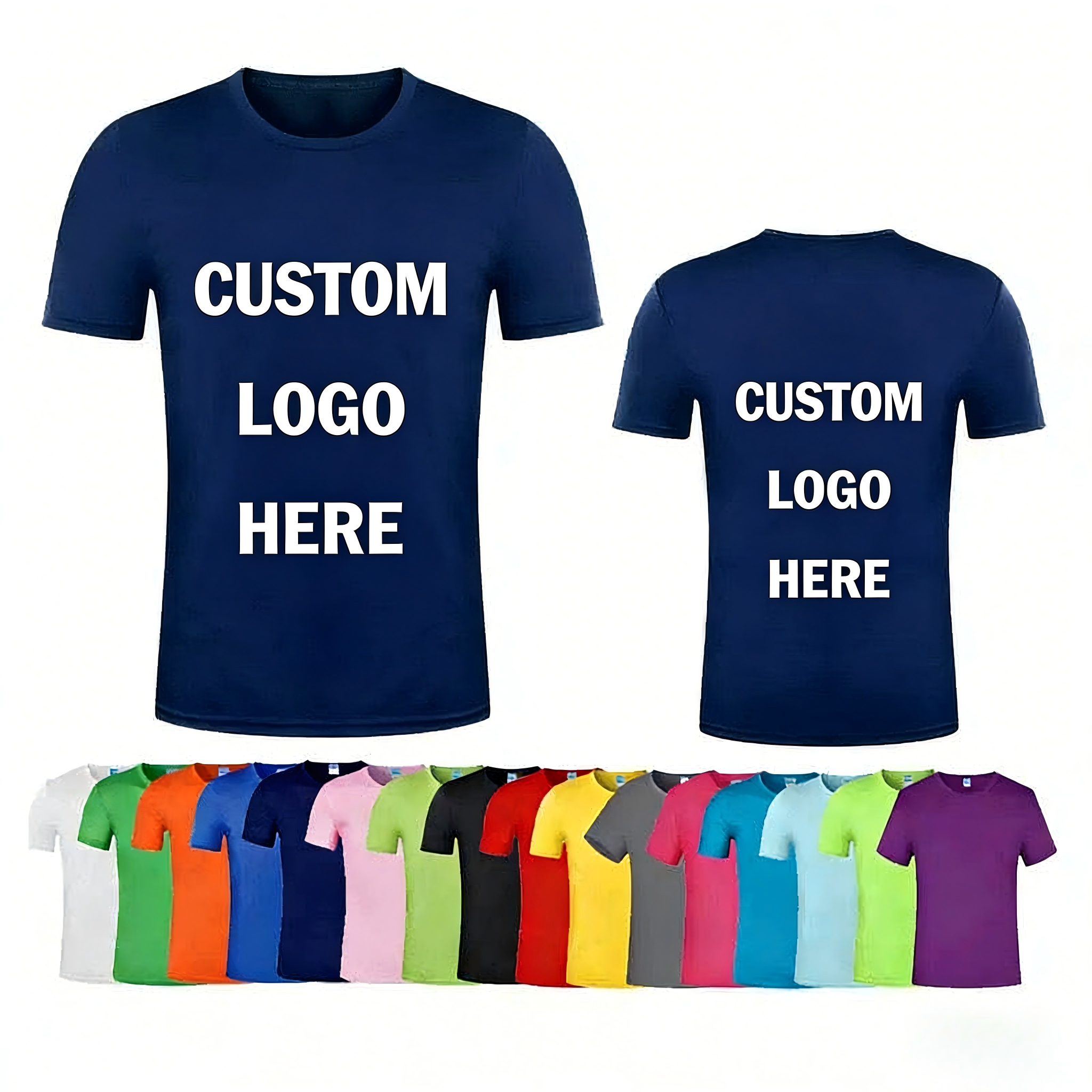
Key Considerations for T-Shirt Graphic Design

Jinan Runhang Textile Co., Ltd.   —— Verified by SGS

application/tshirt-graphic-design, application/tshirt-graphic-design, 
Inquiry
Inquiry

tshirt graphic design

Choosing the right T-shirt graphic design supplier is crucial for businesses looking to produce high-quality garments that resonate with their brand identity. The primary keyword, "tshirt graphic design," encapsulates a vital component of the apparel manufacturing process, especially for companies targeting specific demographics and market segments. This article will address common buyer concerns, such as material selection, production quality, and customization options, providing practical insights that can help decision-makers navigate the complexities of sourcing graphic designs effectively.

Key Specifications for Quality T-Shirt Graphic Designs

Key Specifications for Quality T-Shirt Graphic Designs

Quality T-shirt graphic designs hinge on specific key specifications that affect both visual appeal and production feasibility. First, the resolution of the artwork is paramount. High-resolution files (typically 300 DPI or higher) ensure crisp prints that do not lose quality during the transfer to fabric. A supplier should be able to provide guidance on the optimal file formats and specifications needed for various printing methods, such as screen printing or direct-to-garment printing.

Color accuracy is another significant specification. The Pantone Matching System (PMS) is often used to ensure color consistency across different batches. Buyers should request color swatches and conduct tests to confirm that the colors produced match the original design intent.

Additionally, the type of printing technique can greatly influence the outcome. Different methods, such as plastisol, water-based, or discharge inks, each have unique qualities and may be more suitable for specific fabrics or design requirements. Buyers should discuss these options with their suppliers to determine the best fit for their intended application.

Common Problems with T-Shirt Graphic Design and Their Solutions

Common Problems with T-Shirt Graphic Design and Their Solutions

One common issue that arises during the T-shirt graphic design process is miscommunication about design expectations. This often leads to discrepancies between the customer's vision and the final output. To mitigate this, it is advisable for buyers to approve a physical sample before mass production. This step ensures that all elements, including color, fit, and overall design, meet expectations.

Another frequent problem is the choice of fabric affecting design quality. Not all materials hold prints the same way; for instance, a design printed on a cotton fabric may look different on a polyester blend. Buyers should work closely with suppliers to understand how different materials interact with various printing techniques. Utilizing materials like organic combed cotton can enhance print quality and comfort.

Lastly, buyers may encounter issues with durability. If the chosen inks or printing techniques do not withstand washing or wear, the final product can fall short of quality expectations. Discussing maintenance and care instructions with the supplier can help ensure that the designs remain vibrant and intact over time.

Comparing Material Advantages for T-Shirt Graphic Designs

Comparing Material Advantages for T-Shirt Graphic Designs

The choice of material is pivotal when it comes to T-shirt graphic designs, as different fabrics can affect both the look and feel of the final product. Cotton is a popular choice due to its softness, breathability, and comfort, making it suitable for everyday wear. However, it may not hold prints as vibrantly as synthetic fabrics.

Polyester, on the other hand, is known for its durability and ability to retain color, making it an excellent choice for sportswear and activewear. It also tends to resist wrinkles and shrinking, which can be a significant advantage in maintaining the garment's appearance over time. Blends, such as cotton-polyester, can offer a middle ground, combining comfort with durability.

Buyers should also consider the intended use of the T-shirts when selecting materials. For instance, if the shirts are intended for outdoor events, moisture-wicking fabrics may be preferable. Understanding the material characteristics will help buyers make informed decisions that align with their design goals and target market needs.

Installation Guidance for Custom T-Shirt Graphic Design Projects

For successful implementation of custom T-shirt graphic designs, proper installation guidance is essential. First, buyers should ensure that the artwork is correctly positioned and scaled on the garment. This involves understanding the printing area and how the design will look when worn, which can vary significantly from flat layouts.

Next, it's crucial to follow the manufacturer's instructions for the chosen printing method. Each technique, whether screen printing, sublimation, or heat transfer, has its own set of requirements regarding temperature, pressure, and duration. Adhering to these guidelines ensures that the design adheres properly and maintains its quality through multiple washes.

Moreover, conducting a quality check after the printing process is vital. Inspecting sample prints for defects, color accuracy, and overall finish before full production can save time and resources. Buyers should also consider implementing a quality control process that includes regular checks throughout the production run to ensure consistency.

Navigating the complexities of T-shirt graphic design requires a thorough understanding of supplier capabilities, material choices, and quality assurance processes. By focusing on these areas, businesses can enhance their product offerings and ensure that their T-shirts align with their brand identity and customer expectations.

What to Consider When Choosing T-Shirt Graphic Design Suppliers

When selecting a supplier for T-shirt graphic designs, buyers should prioritize several key factors. First, evaluate the supplier's manufacturing capabilities. Look for a company with integrated production processes that can handle everything from initial design to final delivery. This not only streamlines operations but also ensures consistency in quality throughout the manufacturing process. For instance, a supplier offering high-performance polyester sweatshirts may have the necessary technology to produce vibrant prints.

Another critical consideration is the supplier's experience and portfolio. A reputable supplier should provide examples of past work and have a track record of delivering on time and within budget. This experience often translates into an understanding of common pitfalls, enabling them to offer solutions that can save time and costs.

Communication is also essential. Efficient collaboration with the supplier during the design phase can help address any potential issues early on, ensuring the final product aligns with brand expectations. In summary, buyers should assess manufacturing capabilities, previous work, and the supplier's communication style when selecting a T-shirt graphic design partner.

Get a Free Quote

Our representative will contact you soon.
0/1000