Custom Logo Printed T-Shirts for Branding Solutions

Jinan Runhang Textile Co., Ltd.   —— Verified by SGS

application/tshirt-with-logo-printing, application/tshirt-with-logo-printing, 
Inquiry
Inquiry

tshirt with logo printing

Custom logo printed T-shirts have become a staple in branding and marketing across various industries. These versatile garments serve not only as promotional tools but also as uniforms and casual wear that convey a company's identity. When sourcing T-shirts with logo printing, B2B buyers, including purchasing managers and distributors, often have specific concerns regarding quality, customization options, and manufacturing processes. This article will guide you through the essential specifications, quality control practices, common challenges, installation guidance for logo applications, and the diverse applications of logo-printed T-shirts.

Evaluating Quality Control in T-Shirt Manufacturing Processes

Evaluating Quality Control in T-Shirt Manufacturing Processes

Quality control is a critical aspect of T-shirt manufacturing that ensures the final product meets the desired standards. Here are essential quality control practices to consider:

Material Inspection: Before production begins, raw materials should be inspected for defects, color consistency, and adherence to specifications. This step helps avoid issues later in the manufacturing process.

Production Monitoring: During manufacturing, regular checks should be performed to ensure that production processes are followed correctly. This includes verifying stitching, sizing, and print alignment.

Sample Approval: Before mass production, it is advisable to approve a finished sample. This allows buyers to assess the fit, fabric quality, and printing accuracy. Many issues can be identified and corrected at this stage, saving time and costs later. If you're looking for a sample, consider the Custom Logo Professional Silk Screen Print T-shirt known for its high-definition printing quality.

Final Inspection: Once production is complete, a final quality inspection should be conducted. This includes checking for defects, ensuring print quality, and verifying packaging standards.

Implementing these quality control measures helps reduce the risk of receiving subpar products, ensuring that the T-shirts meet the buyer’s expectations.

Common Problems in T-Shirt Printing and Effective Solutions

Common Problems in T-Shirt Printing and Effective Solutions

T-shirt printing can present several challenges that might affect quality and customer satisfaction. Here are common problems and how to address them:

Color Mismatch: Discrepancies between the expected and actual print colors can occur due to variations in fabric color or printing techniques. To mitigate this, always request Pantone color matching and conduct a test print on the actual fabric.

Fading and Cracking: Over time, printed logos can fade or crack, especially if the incorrect ink is used. Discuss the appropriate inks for your T-shirt material with the manufacturer to ensure durability. Plastisol inks are commonly used for their longevity, while water-based inks are softer but may not be as durable.

Misalignment: Logos that are misaligned can detract from the T-shirt’s appearance. This can be prevented by ensuring that design templates are thoroughly checked and that production staff is trained in alignment techniques.

Fabric Shrinkage: If T-shirts shrink after washing, it can lead to customer dissatisfaction. Opt for pre-shrunk fabrics or discuss shrinkage testing with your supplier to ensure the garments maintain their size after washing.

By anticipating these problems and discussing solutions with manufacturers, buyers can enhance the overall quality and appeal of their custom logo printed T-shirts.

Installation Guidance for Logo Application on T-Shirts

Installation Guidance for Logo Application on T-Shirts

Applying logos to T-shirts involves specific techniques that can vary based on the chosen printing method. Here’s a brief guide on common methods:

Screen Printing: This involves creating a stencil (screen) for each color in the design. It's ideal for large runs due to efficiency and cost-effectiveness. Ensure the screens are properly aligned and the ink is suitable for the fabric to achieve the best results.

Heat Transfer: This method uses heat to transfer designs onto T-shirts. It’s suitable for small runs and allows for vibrant colors. However, ensure that heat settings are correctly calibrated to avoid damaging the fabric.

Direct-to-Garment (DTG): DTG allows for detailed, full-color designs to be printed directly on the fabric. Ensure the fabric is pre-treated and the printer is calibrated for optimal print quality.

Embroidery: For a premium look, embroidery can be used for logos. This method requires specific digitizing of the logo and attention to fabric types to prevent damage during stitching.

Buyers should collaborate with their manufacturers to select the most appropriate application method based on the desired outcome and cost considerations.

Applications of Logo Printed T-Shirts in Various Industries

Logo printed T-shirts serve multiple purposes across different industries, enhancing brand visibility and employee unity. Here are some common applications:

Corporate Branding: Many companies use logo T-shirts as part of their corporate attire. They promote brand identity and foster team spirit among employees, especially during events and trade shows.

Promotional Events: T-shirts are popular giveaways at events, trade shows, and festivals. They can enhance brand recognition and serve as walking advertisements when worn by attendees.

Sports Teams: Athletic organizations often utilize logo printed T-shirts for team uniforms. They provide a sense of unity and can be customized to include player names and numbers.

Non-Profit Organizations: Non-profits frequently use logo T-shirts for fundraising campaigns and awareness events. They help communicate the organization’s mission and increase visibility.

By understanding these applications, B2B buyers can better tailor their orders to meet specific marketing or operational needs, ensuring that the T-shirts serve their intended purpose effectively.

In summary, sourcing t-shirts with logo printing involves careful consideration of specifications, quality control, and application suitability. By understanding these elements, you can make informed decisions that enhance your branding efforts and overall satisfaction.

Key Specifications to Consider for Custom Logo Printed T-Shirts

When selecting T-shirts for logo printing, several key specifications must be evaluated to ensure they meet your branding needs.

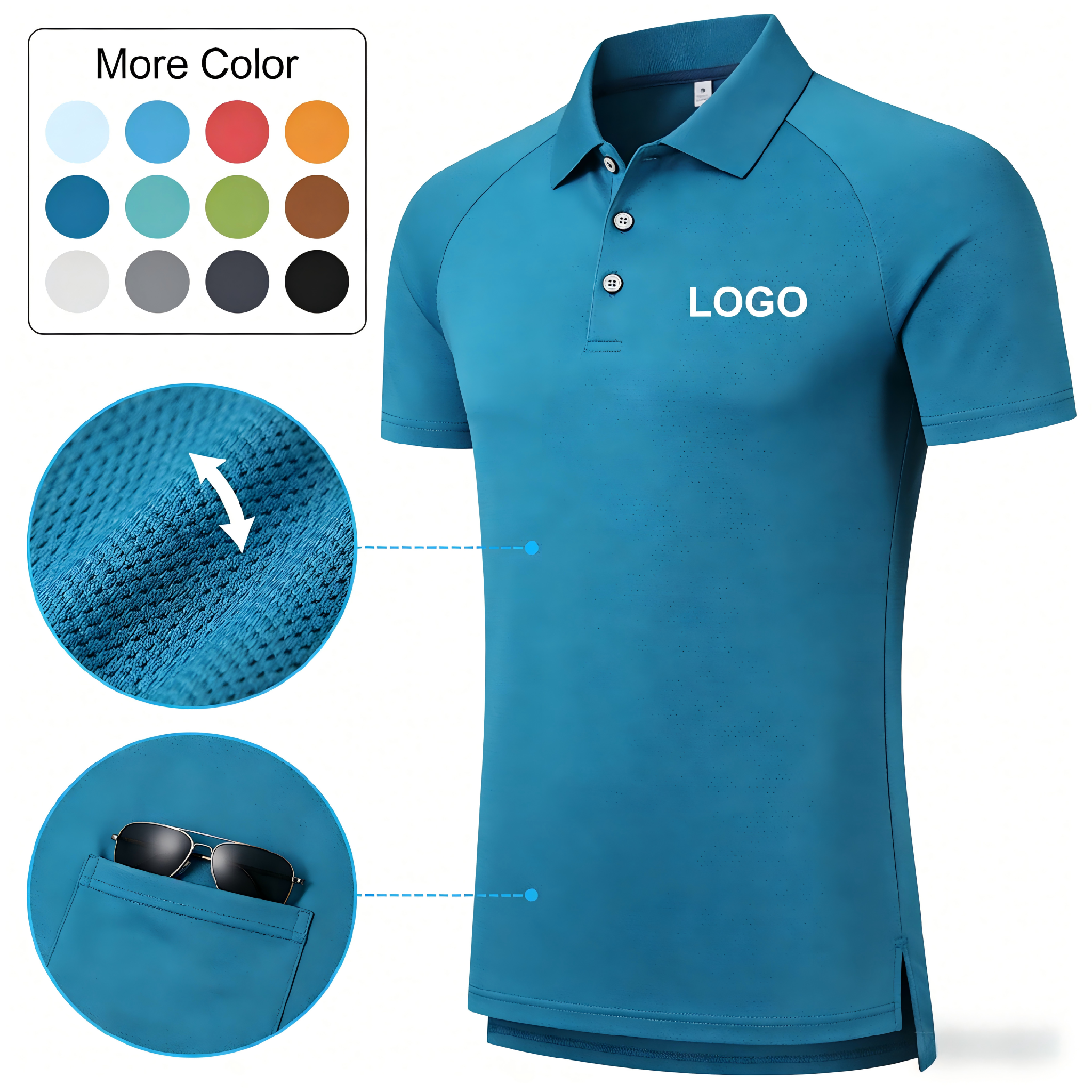
Material: The choice of fabric significantly impacts the T-shirt's feel, durability, and printing quality. Common materials include cotton, polyester, and blends. Cotton offers comfort and breathability, making it suitable for casual wear, while polyester is preferred for athletic applications due to its moisture-wicking properties. Blends can provide the best of both worlds. For those looking for high-performance options, consider the Custom Logo High-Performance 100% Polyester Sweatshirt which is designed for durability and comfort.

Weight and Thickness: T-shirt weight is typically measured in grams per square meter (GSM). A heavier fabric (around 180-220 GSM) is more durable and suitable for outdoor use, while lighter fabrics (around 150-180 GSM) are ideal for warm climates or promotional events where comfort is key.

Fit and Size: T-shirts come in various fits (classic, slim, relaxed) and sizes. Understanding your target audience’s preferences can guide your selection process and ensure a better fit, leading to higher satisfaction rates.

Printing Area: Different printing techniques, such as screen printing, heat transfer, or direct-to-garment (DTG), require adequate space for logos and designs. Be sure to discuss the specific printing method with your manufacturer to optimize the design layout.

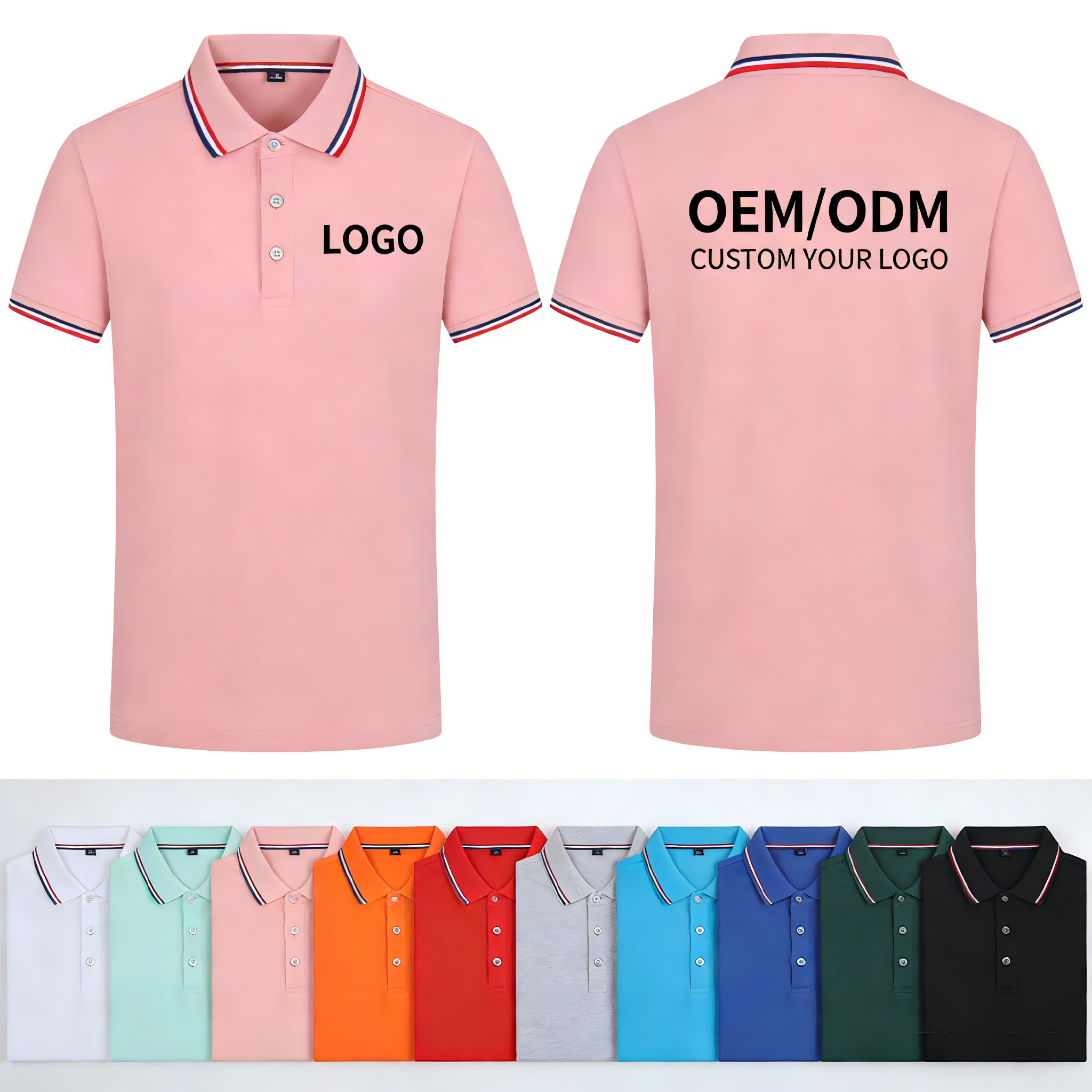
Color Options: The availability of colors can affect branding consistency. Ensure that the manufacturer has a wide range of colors to match your brand guidelines.

Understanding these specifications helps buyers make informed decisions that align with their branding and usage objectives.

Get a Free Quote

Our representative will contact you soon.
0/1000