Wholesale Vintage Golf Shirts: Sourcing Guide

Jinan Runhang Textile Co., Ltd.   —— Verified by SGS

application/vintage-golf-shirt, application/vintage-golf-shirt, 
Inquiry
Inquiry

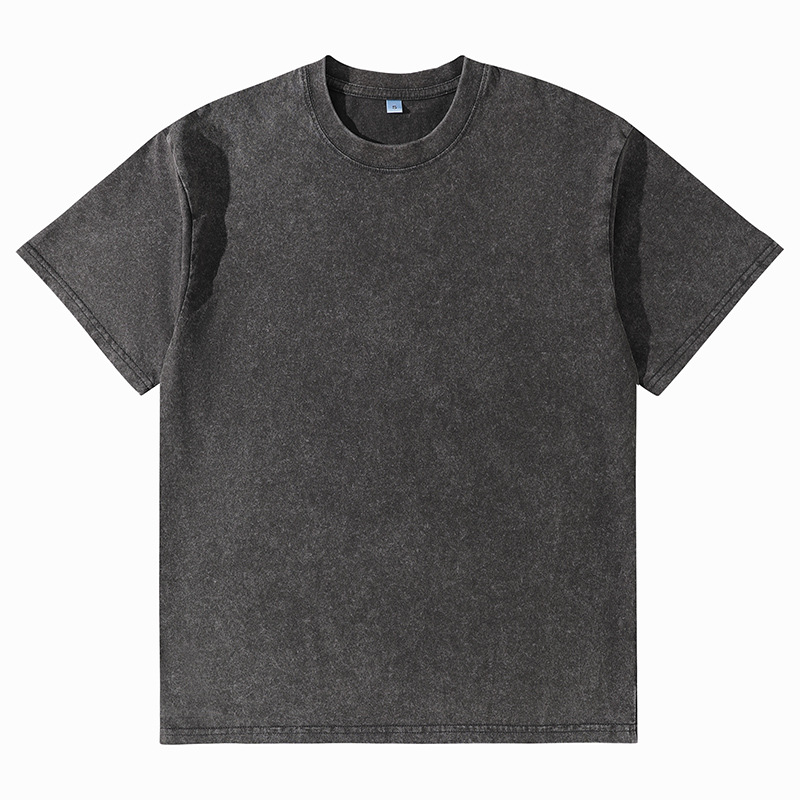
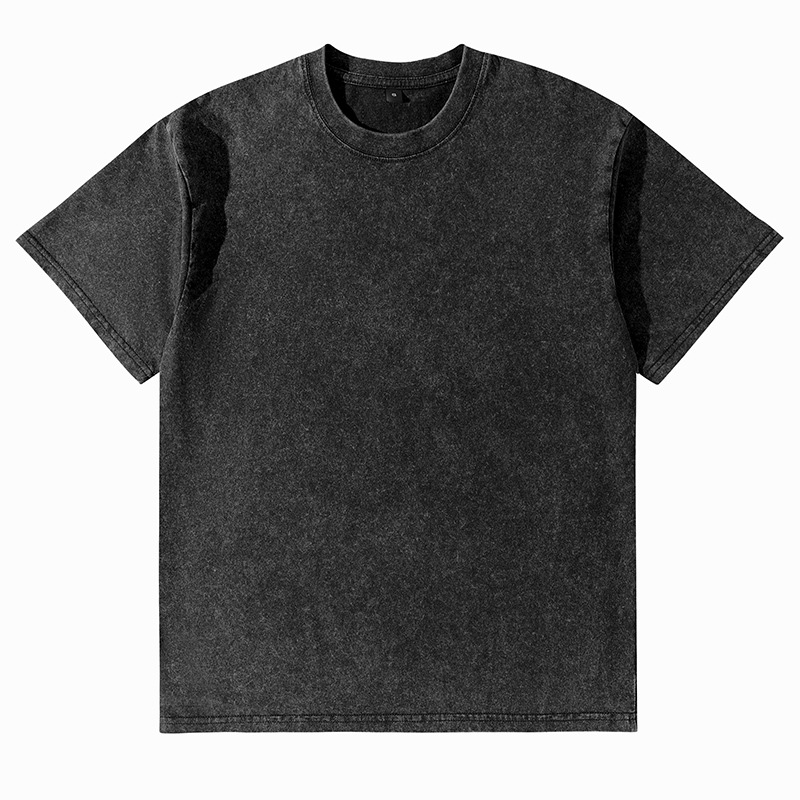
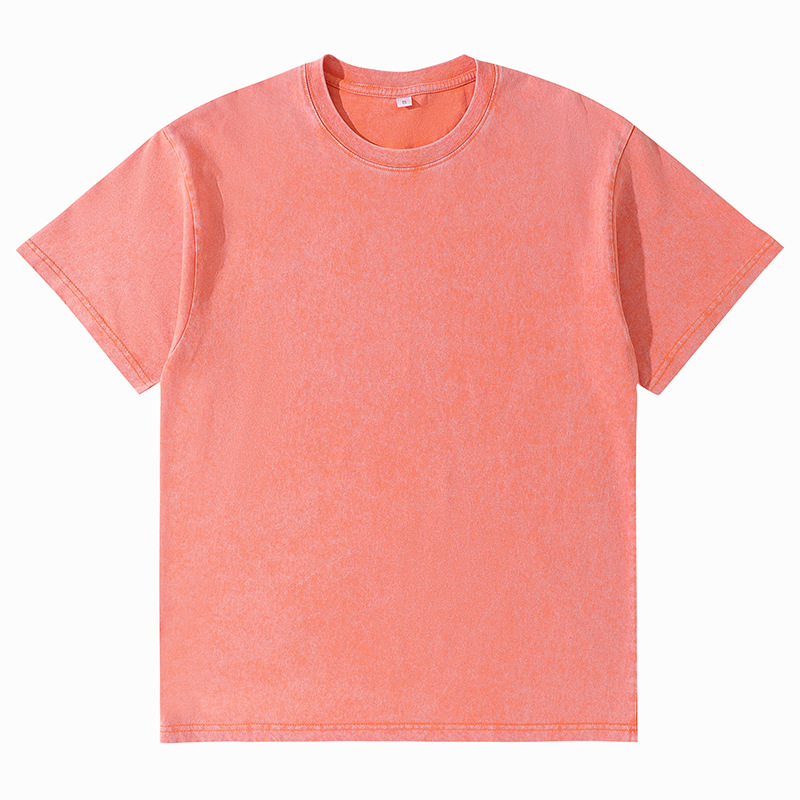
Vintage golf shirt

When sourcing vintage golf shirts for your brand or retail business, understanding the key specifications and considerations is essential for making informed purchasing decisions. Vintage golf shirts are distinguished not only by their style but also by the materials, manufacturing processes, and customization options that can significantly impact your product offering. This article will delve into what you need to know about vintage golf shirts, addressing common buyer concerns such as product specifications, cost factors, and sourcing challenges.

Evaluating Cost Factors for Bulk Orders of Vintage Golf Shirts

Evaluating Cost Factors for Bulk Orders of Vintage Golf Shirts

Understanding the essentials of vintage golf shirt sourcing can significantly enhance your buying strategy:

Minimum Order Quantities (MOQ): Different suppliers have varying MOQs. Be prepared to discuss your needs, as some manufacturers may offer flexibility based on your order size or potential for repeat business.

Lead Times: Factor in lead times for production and shipping when planning your inventory. Vintage styles may require longer lead times due to complex designs or customizations.

Sample Approval: Before mass production, ensure you receive samples to evaluate fit, fabric quality, and overall design. This step is critical in confirming that the final product aligns with your expectations.

Customization Opportunities: Many manufacturers offer customization options, such as embroidered logos or unique labels. Identify your customization needs early in the purchasing process to streamline communication with suppliers.

Common Problems with Vintage Golf Shirts and Their Viable Solutions

Common Problems with Vintage Golf Shirts and Their Viable Solutions

Pricing can vary widely based on several factors that buyers should carefully assess:

Material Costs: Higher quality fabrics typically command higher prices. Conduct market research to ensure that the materials used align with your pricing strategy.

Production Techniques: The manufacturing process affects cost. For example, screen printing may be less expensive than embroidery, but it may not offer the same vintage appeal. Understand the trade-offs when selecting techniques.

Quantity Discounts: Many golf shirts manufacturers provide tiered pricing based on order quantity. Be strategic about your orders to maximize savings while ensuring you meet your inventory needs.

Shipping Costs: International shipping can impact overall costs. Consider the location of your supplier and the associated shipping fees, as well as any potential tariffs.

Comparing Material Advantages in Vintage Golf Shirt Manufacturing

Comparing Material Advantages in Vintage Golf Shirt Manufacturing

Sourcing vintage golf shirts can present several challenges for buyers:

Quality Inconsistencies: Variability in fabric quality and stitching can occur, especially when working with multiple suppliers. Establishing a strong relationship with a reliable golf shirt supplier can help mitigate this issue.

Communication Barriers: Differences in language and time zones can complicate communications with international suppliers. Use clear, concise language and consider time zone differences when scheduling calls or meetings.

Compliance and Regulations: Ensure that your supplier adheres to international manufacturing standards and regulations, especially if your market has specific compliance requirements.

Cultural Differences: Understanding cultural nuances can aid in smoother negotiations and relationship-building with suppliers from different regions.

What to Look for in Quality Control for Vintage Golf Shirt Production

To maintain a steady supply of vintage golf shirts, consider the following strategies:

Build Strong Supplier Relationships: Developing long-term relationships with golf polo shirt manufacturers like JRT can lead to better communication, priority treatment, and improved negotiation outcomes.

Diversify Suppliers: Don’t rely on a single supplier; having multiple sources can protect against supply chain disruptions. This approach provides flexibility and options in case of production delays or quality issues.

Implement Quality Assurance Protocols: Establish quality assurance measures, including regular inspections and feedback loops with your supplier. This proactive approach can help catch issues before they escalate.

Stay Informed on Market Trends: Keeping abreast of fashion trends and consumer preferences is crucial for maintaining relevance in the market. Regularly engage with your suppliers to discuss new materials, styles, and consumer demands.

In summary, understanding the specifications, cost factors, and common challenges associated with sourcing vintage golf shirts can significantly enhance your purchasing strategy. By leveraging this knowledge and building strong supplier relationships, you can ensure a reliable supply of high-quality vintage golf shirts that meet your customers' needs. Ultimately, prioritizing authentic fabric textures, durable stitching, and consistent sizing guarantees superior product longevity and maximizes retail profitability across competitive markets.

How to Choose the Right Vintage Golf Shirt for Your Wholesale Needs

When evaluating vintage golf shirts for wholesale purchase, several specifications are crucial to ensure that the product meets your quality and style requirements:

Material Composition: Vintage golf shirts are often made from cotton, polyester, or blends that offer comfort and breathability. Cotton provides a soft feel, while polyester offers durability and moisture-wicking properties. Consider the intended use and climate when selecting materials.

Fit and Cut: The fit of the golf shirt is vital for customer satisfaction. Common styles include classic fit, slim fit, and tailored fit. Each has a different appeal, so understanding your target market will help you choose the right fit.

Weight and Thickness: The weight of the fabric typically ranges from 150 to 220 GSM (grams per square meter). Heavier fabrics tend to offer more durability, while lighter fabrics are preferable for warmer climates. Ensure that the weight aligns with your brand’s seasonal offerings.

Color and Print Options: Vintage golf shirts often feature unique colors or retro patterns. Discuss customization options with your supplier to ensure you can offer a diverse range of styles that appeal to your customers.

Quality Control: Investigate the manufacturer’s quality control processes. Consistent sizing and fabric quality are essential to avoid returns and maintain customer satisfaction.

Frequently Asked Questions

What fabrics are used in the vintage golf shirt?

Our vintage golf shirts use quality cotton blends and performance polyester options for comfort, breathability, and easy care. Fabric choices can be customized per order to meet brand specifications.
Yes. We provide standard and custom sizing, including men’s, women’s, and unisex fits. Size grading and fit adjustments are available to match your target market.
Absolutely. We offer embroidery, screen printing, woven labels, custom trims, and hardware. All embellishments are produced in-house to ensure consistent quality.
MOQ varies by style and customization but we support bulk and private-label orders. Typical lead times range from 30–75 days depending on complexity and order size; contact us for a precise quote.
We use integrated production and quality checkpoints across design, cutting, sewing, and finishing. Regular inspections and reliable logistics ensure consistent craftsmanship and on-time delivery.

Get a Free Quote

Our representative will contact you soon.
0/1000