Evaluating Vintage Tee Shirt Specifications

Jinan Runhang Textile Co., Ltd.   —— Verified by SGS

application/vintage-tee-shirts, application/vintage-tee-shirts, 
Inquiry
Inquiry

Vintage tee shirts

Vintage tee shirts have become a staple in many wardrobes, transcending generations with their timeless appeal. For B2B buyers, particularly purchasing managers and distributors, understanding the nuances of sourcing custom tee shirts is essential. This article will delve into critical aspects such as evaluating specifications, cost factors, common sourcing challenges, applications across market segments, and the materials used in production. By the end, readers will have a clearer perspective to make informed purchasing decisions for bulk orders.

Cost Factors to Consider When Purchasing Vintage T-Shirts Wholesale

Cost Factors to Consider When Purchasing Vintage T-Shirts Wholesale

The cost of vintage tee shirts can vary significantly based on several factors. Firstly, the choice of materials directly impacts pricing. Organic cotton or specialty blends may lead to higher costs due to sourcing and processing expenses, while standard cotton options may be more budget-friendly. 

Additionally, production volume plays a crucial role in pricing. Manufacturers often have a minimum order quantity (MOQ) that can influence overall costs. Larger orders typically yield lower per-unit prices, making it beneficial for buyers to assess their inventory needs carefully. 

Customization options, such as unique prints or specific color palettes, can also affect costs. While custom designs may enhance marketability, they often come with additional setup fees and longer lead times. Buyers should weigh these factors against their target pricing strategy to ensure that the final cost aligns with their budget and sales goals.

Common Problems in Vintage Tee Shirt Sourcing and Their Solutions

Common Problems in Vintage Tee Shirt Sourcing and Their Solutions

Sourcing JRT vintage tee shirts can present several challenges. One common issue is inconsistent quality across different batches. Variations in fabric quality, color fastness, or stitching can lead to discrepancies that may disappoint customers. To mitigate this risk, it is advisable to establish a strong relationship with the manufacturer, ensuring they understand and adhere to quality standards throughout production. Requesting quality assurance checks and pre-production samples can further safeguard against inconsistencies. 

Another problem is the supply chain's unpredictability, which can lead to delays in delivery. Buyers should consider the manufacturer's production capacity and lead times, especially during peak seasons. Having clear communication regarding timelines and potential delays can help manage expectations and plan accordingly.

Lastly, counterfeit products can also be a concern in the vintage market. Buyers should verify the authenticity of the manufacturer and their sourcing practices to ensure that the products are genuinely vintage and not replicas. Thorough supplier evaluations and checking references can help in selecting a trustworthy partner.

Applications of Vintage Tee Shirts in Various Market Segments

Applications of Vintage Tee Shirts in Various Market Segments

Vintage tee shirts have a broad range of applications across different market segments. In the retail sector, they serve as popular items in casual wear collections, appealing to consumers looking for unique, nostalgic styles. Brands often leverage vintage aesthetics to create limited-edition lines that resonate with specific subcultures. 

In the promotional products arena, vintage tees are frequently used for brand awareness campaigns. They make excellent giveaways or merchandise for events, as their nostalgic appeal can attract attention and enhance brand loyalty. Custom designs featuring company logos or unique artwork can turn these tees into effective marketing tools. 

Moreover, design custom tee shirts are increasingly finding their way into the online resale market, where consumers seek sustainable fashion choices. This trend aligns with the growing demand for environmentally conscious products, making vintage tees a compelling option for businesses looking to position themselves as eco-friendly.

Materials Used in Vintage Tee Shirt Production

The choice of materials in JRT vintage tee shirt production significantly influences the product's overall quality and feel. Common materials include cotton, polyester, and blends of both. 

Cotton is favored for its breathability and comfort, making it a go-to choice for vintage tees. Organic cotton, in particular, is becoming increasingly popular due to its environmental benefits, as it is grown without harmful chemicals and pesticides. This material provides a soft touch and is suitable for consumers seeking sustainable options. 

Polyester blends, on the other hand, offer durability and moisture-wicking properties, making them ideal for active lifestyles. Manufacturers may use a cotton-polyester blend to create a vintage tee that combines comfort with enhanced performance. Buyers should consider the intended use of the vintage tee shirts when selecting materials; for instance, tees intended for promotional events might benefit from a more durable fabric compared to those designed for casual wear. 

Understanding these material characteristics allows buyers to make informed choices that align with their brand's values and their customers' expectations. Before finalizing orders, it's prudent to request material samples to evaluate texture, drape, and overall quality, ensuring they meet the intended application requirements.

Evaluating Vintage Tee Shirt Specifications for Bulk Orders

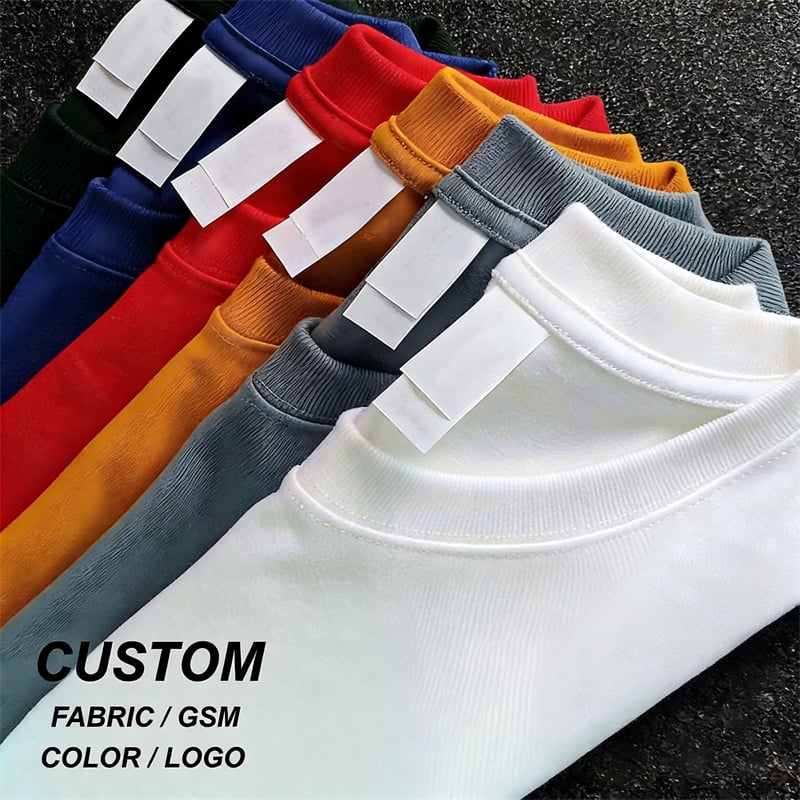
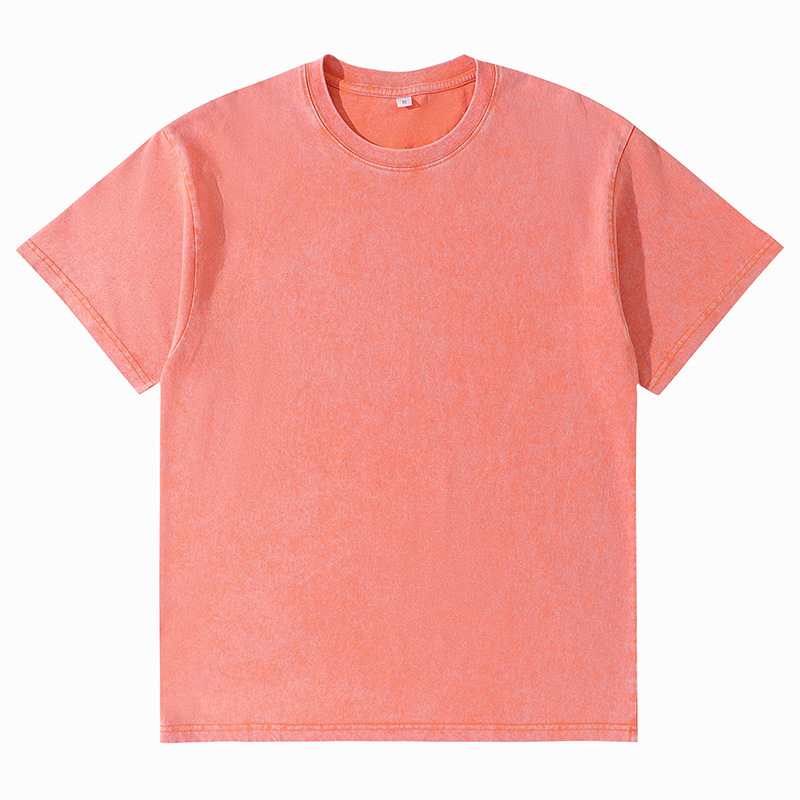
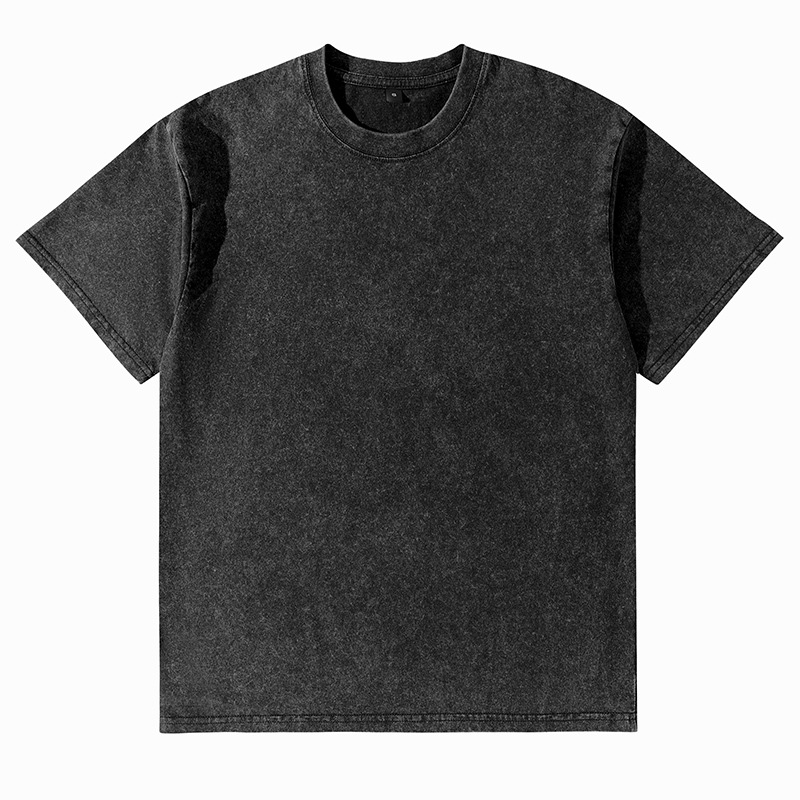
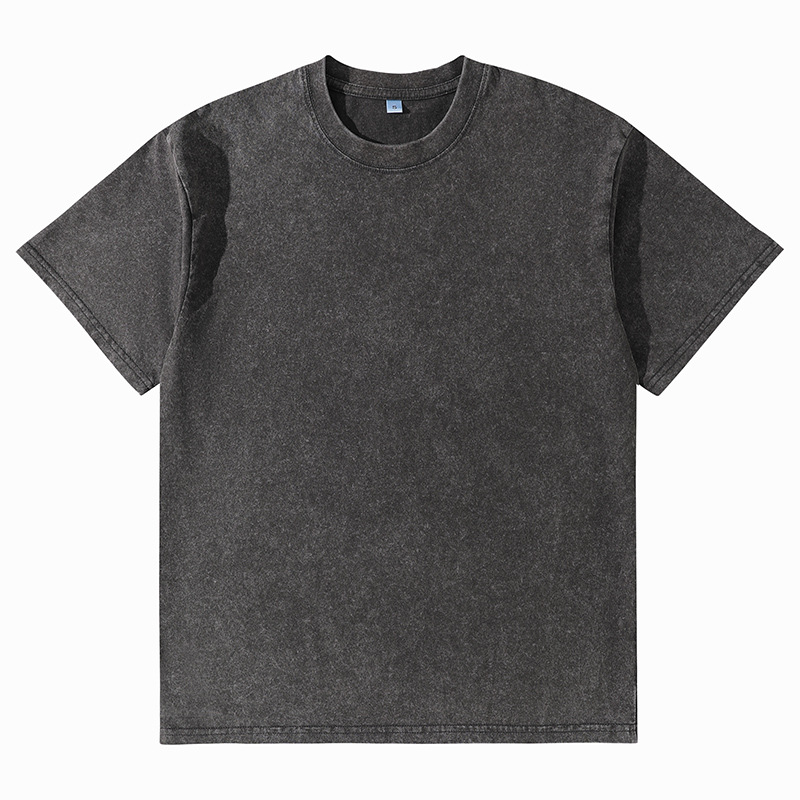
When sourcing JRT vintage tee shirts, precise specifications are crucial to ensure the product meets the expectations of your target market. Key specifications to evaluate include fabric weight, dimensions, stitching quality, and fit. 

Fabric weight, often measured in grams per square meter (GSM), affects the vintage tee shirts feel and durability. A typical vintage tee might range from 150 to 220 GSM; lighter fabrics are breathable and comfortable, while heavier options provide more durability and a structured fit. Buyers should also consider the vintage tee shirts dimensions, including chest width, length, and sleeve size, to ensure they align with standard sizing or target demographics. 

Stitching quality is another important factor; double-stitched hems and reinforced seams are indicators of a well-constructed vintage tee. These mens polyester tee shirts details not only enhance the product's longevity but also reflect the craftsmanship that end consumers expect from vintage apparel. Buyers should request samples to evaluate these specifications firsthand before placing bulk orders.

Frequently Asked Questions

What materials are used in your vintage tee shirts?

Our vintage tees use high-quality cotton blends or 100% cotton, chosen for softness and durability. Fabric weights and blends can be customized to meet brand specifications.
Yes. We offer one-stop design-to-delivery services including custom prints, washes, tags, and labels to match your branding and product requirements.
MOQs vary by style, fabric, and customization. Typical MOQs start modestly for bulk production; contact us with your specs for an exact quote.
Yes. We produce samples for approval before mass production. Samples allow you to check fit, fabric, print, and finish prior to full orders.
Lead times depend on order size and customization. Standard production lead times range from a few weeks; expedited options may be available upon request.

Get a Free Quote

Our representative will contact you soon.
0/1000