Essential Guide to Sourcing Cotton T-Shirts for Men

Jinan Runhang Textile Co., Ltd.   —— Verified by SGS

application/cotton-t-shirt-for-men, application/cotton-t-shirt-for-men, 
Inquiry
Inquiry

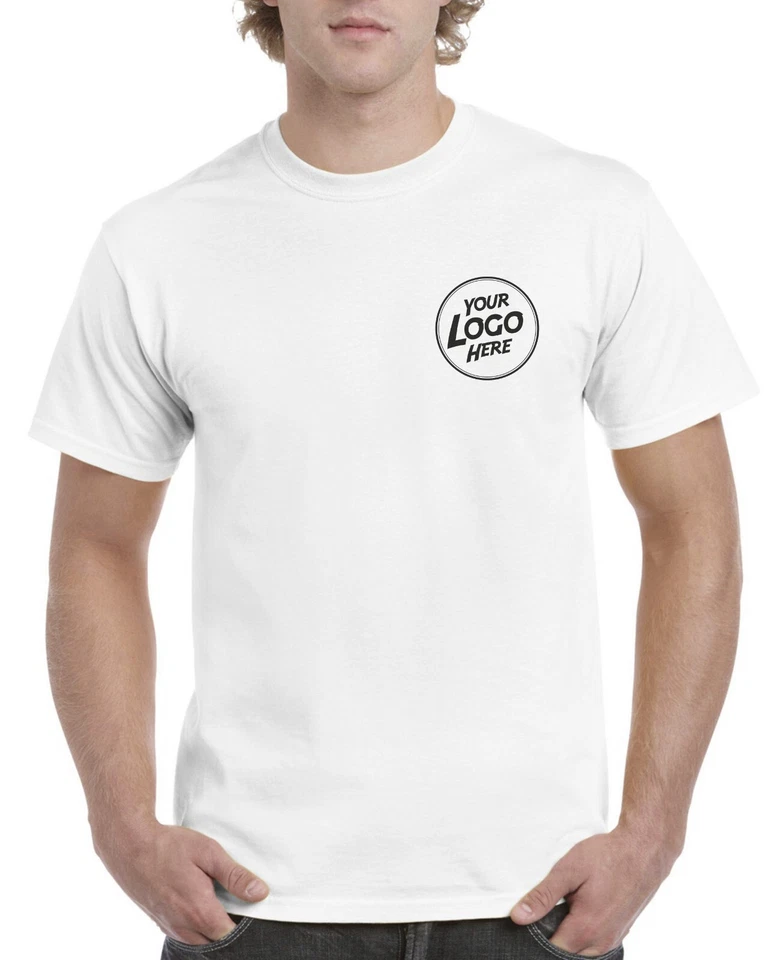
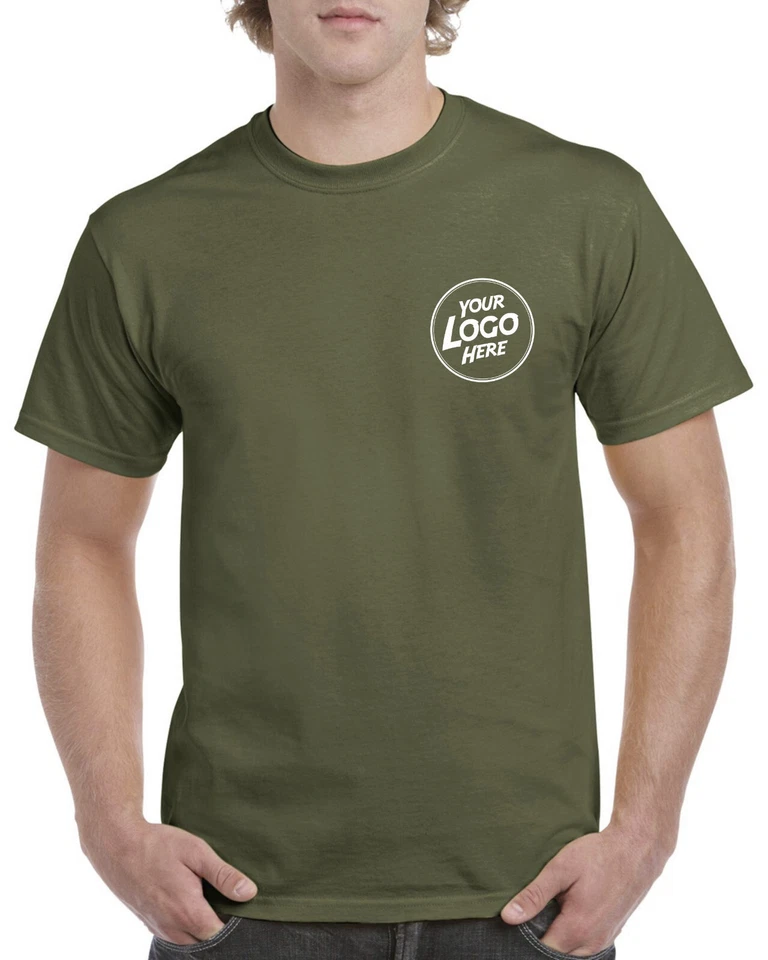
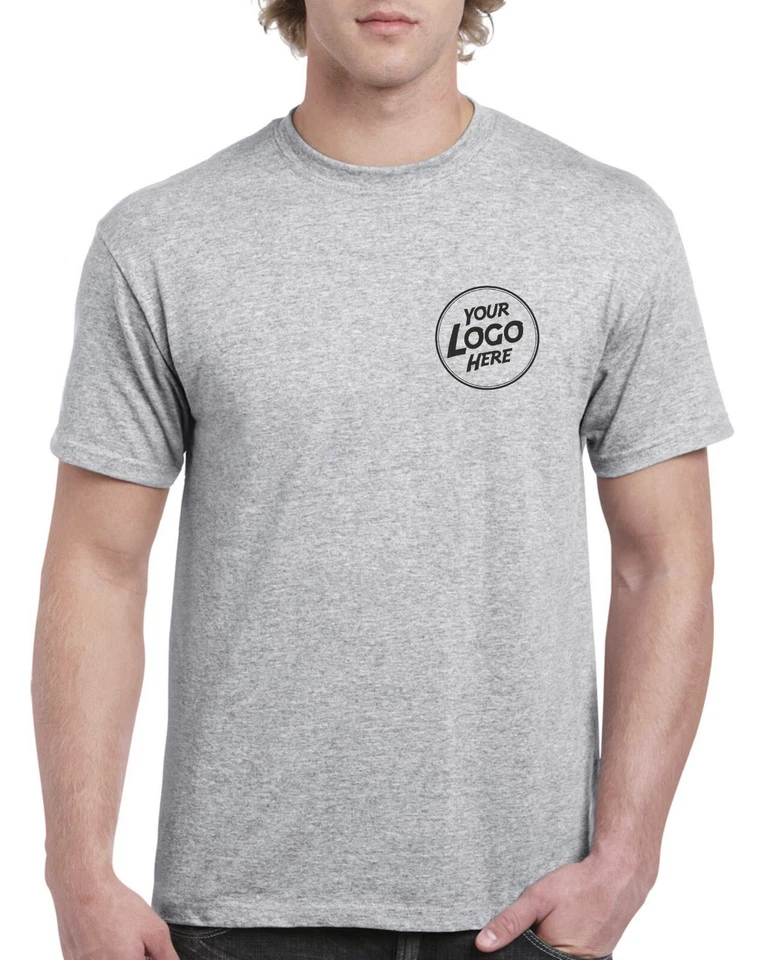
Cotton t shirt for men

Choosing the right cotton T-shirt for men is essential for retailers and distributors looking to meet customer demands while ensuring quality and cost-effectiveness. This article covers the critical aspects of sourcing cotton T-shirts, from identifying specifications and quality control practices to common challenges and technical insights. By understanding these factors, buyers can make informed purchasing decisions that align with their business needs.

Key Specifications to Evaluate When Sourcing Cotton T-Shirts

Key Specifications to Evaluate When Sourcing Cotton T-Shirts

Several key specifications should be evaluated when sourcing cotton T-shirts. These include:

Fabric Weight: Measured in grams per square meter (GSM), fabric weight affects the cotton T-shirt's durability and feel. Lighter fabrics (around 150-160 GSM) are suitable for summer wear, while heavier fabrics (200 GSM and above) offer better durability for everyday use

Stitching Quality: Look for T-shirts with reinforced stitching, especially at seams, hems, and shoulders. This ensures longevity and helps prevent wear and tear

Sizing Standards: Ensure that the manufacturer adheres to standard sizing charts, as discrepancies can lead to customer dissatisfaction and returns

Color Fastness: It’s important to confirm that the dye used in the fabric is colorfast, meaning it won’t fade or bleed in washing. This is crucial for maintaining the T-shirt’s appearance

Labeling and Compliance: Verify that the cotton T-shirts comply with relevant regulations and include care labels that provide necessary washing and usage instructions

Understanding these specifications will help you select T-shirts that not only meet your quality expectations but also resonate with your customers.

Quality Control Practices in Cotton T-Shirt Manufacturing

Quality Control Practices in Cotton T-Shirt Manufacturing

Quality control is paramount in cotton T-shirt manufacturing to ensure that the final product meets the required standards. Effective practices include:

Raw Material Inspection: Before production begins, inspect the cotton fabric used for any defects, such as uneven dyeing or inconsistent fiber quality. This step ensures that only high-quality materials are processed

In-Process Checks: Monitoring the production process allows for timely identification of issues. This can include checking the stitching during assembly and ensuring that dimensions match specifications

Final Inspection: Conduct a thorough examination of the finished T-shirts. Key areas to assess include stitching accuracy, fabric defects, and overall appearance

Testing for Durability: Perform washing and wear tests to ensure that the T-shirts maintain their shape and color after repeated use

Implementing these quality control practices helps maintain the integrity of your products and builds trust with your customers.

Common Problems When Sourcing Cotton T-Shirts and Solutions

Common Problems When Sourcing Cotton T-Shirts and Solutions

Buyers often encounter several common challenges when sourcing cotton fabric T-shirts. Addressing these issues proactively can streamline the purchasing process:

Inconsistent Quality: Variations in product quality can arise from using different suppliers or production batches. To mitigate this, establish clear quality standards and conduct regular audits of suppliers

Communication Barriers: Misunderstandings can occur due to language differences or unclear specifications. Ensure that all requirements are documented and confirmed before production begins. Regular communication with suppliers can also help clarify expectations

Long Lead Times: Delays can impact inventory levels and sales. To avoid this, work closely with manufacturers like JRT to understand their production timelines and explore options for expedited shipping if necessary

Sample Approval Delays: Before mass production, always request samples to verify fit, color, and quality. This step helps prevent costly mistakes that may arise from assumptions made during the ordering process

By recognizing these common challenges and implementing effective solutions, buyers can streamline their sourcing processes and enhance their overall purchasing experience.

Technical Insights on Cotton Fabric for Menu2019s T-Shirts

Understanding the technical aspects of cotton fabric is crucial for selecting the right T-shirts. Cotton fibers are known for their absorbency and breathability, making them ideal for casual wear. However, not all cotton is created equal:

Types of Cotton: Familiarize yourself with different types of cotton, such as combed, ringspun, and organic cotton tee shirts. Combed cotton is softer and more durable, while organic cotton is grown without synthetic pesticides, appealing to environmentally conscious consumers

Fabric Treatments: Some cotton tees undergo treatments such as preshrinking, which can prevent size changes after washing. Additionally, moisture-wicking treatments can enhance comfort during physical activities

Finishing Processes: Be aware of finishing processes like mercerization, which adds luster and strength to cotton fibers. This can improve the T-shirt's overall aesthetic and longevity

By grasping these technical details, buyers can make more informed decisions that align with their brand values and customer preferences

In summary, sourcing cotton T-shirts for men involves careful consideration of style, specifications, quality control practices, and technical insights. By paying attention to these factors, retailers and distributors can ensure a successful purchase that meets market demands.

How to Choose the Right Cotton T-Shirt for Your Wholesale Needs

When selecting cotton T-shirts for wholesale, consider your target market, the intended use of the cotton T-shirts, and the specific needs of your customers. Begin by analyzing the desired style—do your customers prefer classic crew necks, trendy V-necks, or long-sleeve options? Next, assess the fabric quality; 100% cotton is often favored for its breathability and comfort, while blends can provide durability and wrinkle resistance.

Additionally, pay attention to sizing and fit. Offering a range of sizes and fits can help you cater to a broader audience. Understanding your customer demographic will guide you in selecting the right colors, prints, and branding options. Finally, consider the minimum order quantities (MOQs) and lead times to ensure that your supply chain remains efficient and responsive.

Frequently Asked Questions

What materials are used in your cotton T-shirts?

Our cotton T-shirts are made from high-quality 100% cotton or cotton blends, chosen for softness, breathability, and durability to meet global brand standards.
Yes. We offer one-stop design-to-delivery services including custom designs, sizing ranges, labels, and packaging to meet client specifications.
MOQ varies by style and customization. Contact our sales team with your design and quantity needs for a tailored MOQ and pricing.
We control production in-house with standardized processes, quality inspections, and experienced craftsmen to ensure consistent fit, stitching, and fabric quality.
Lead times depend on order size and customization. Standard orders usually take several weeks; please provide order details for an accurate timeline and delivery plan.

Get a Free Quote

Our representative will contact you soon.
0/1000