Custom Polo Embroidered Shirts for Your Business

Jinan Runhang Textile Co., Ltd.   —— Verified by SGS

application/custom-polo-embroidered-shirts, application/custom-polo-embroidered-shirts, 
Inquiry
Inquiry

custom polo embroidered shirts

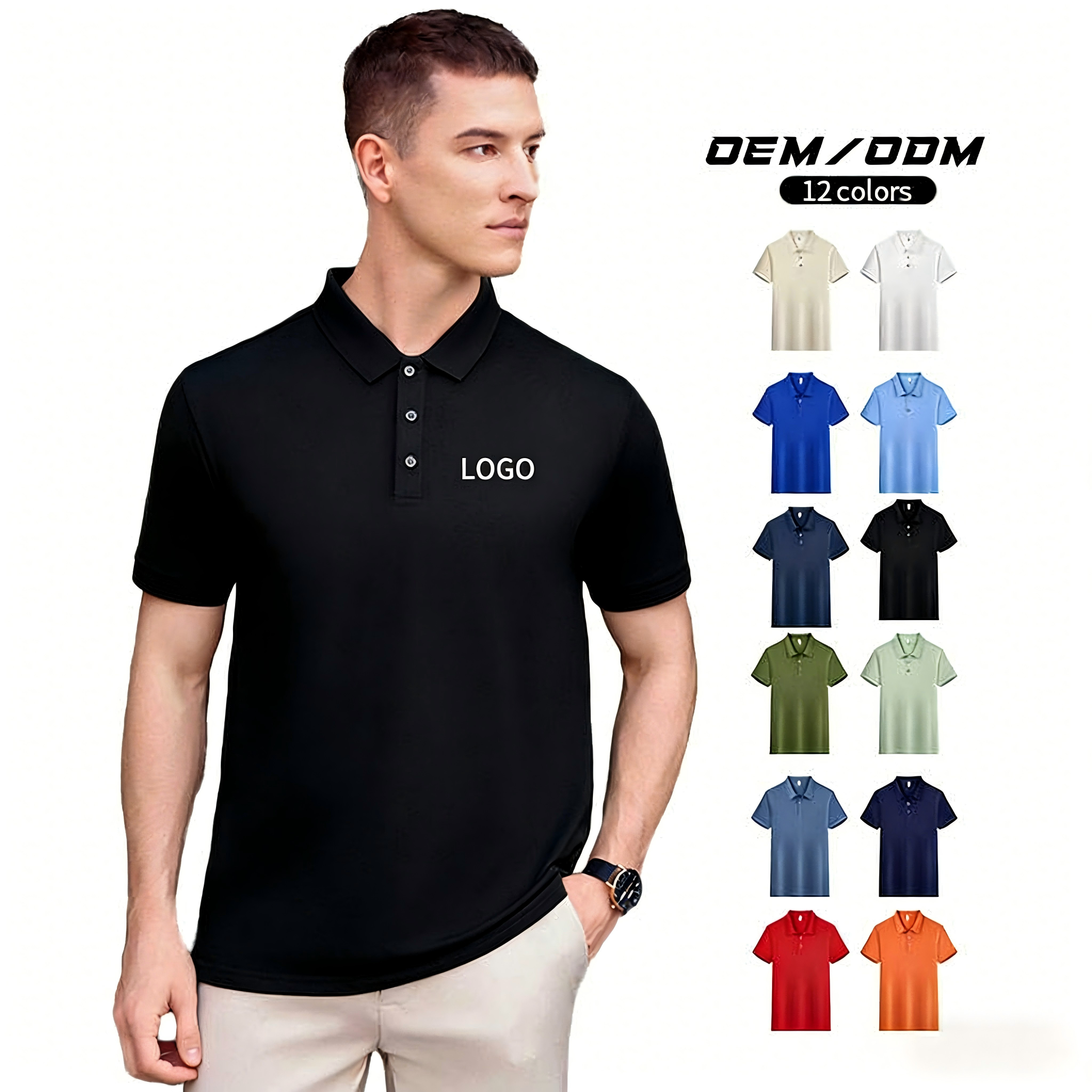
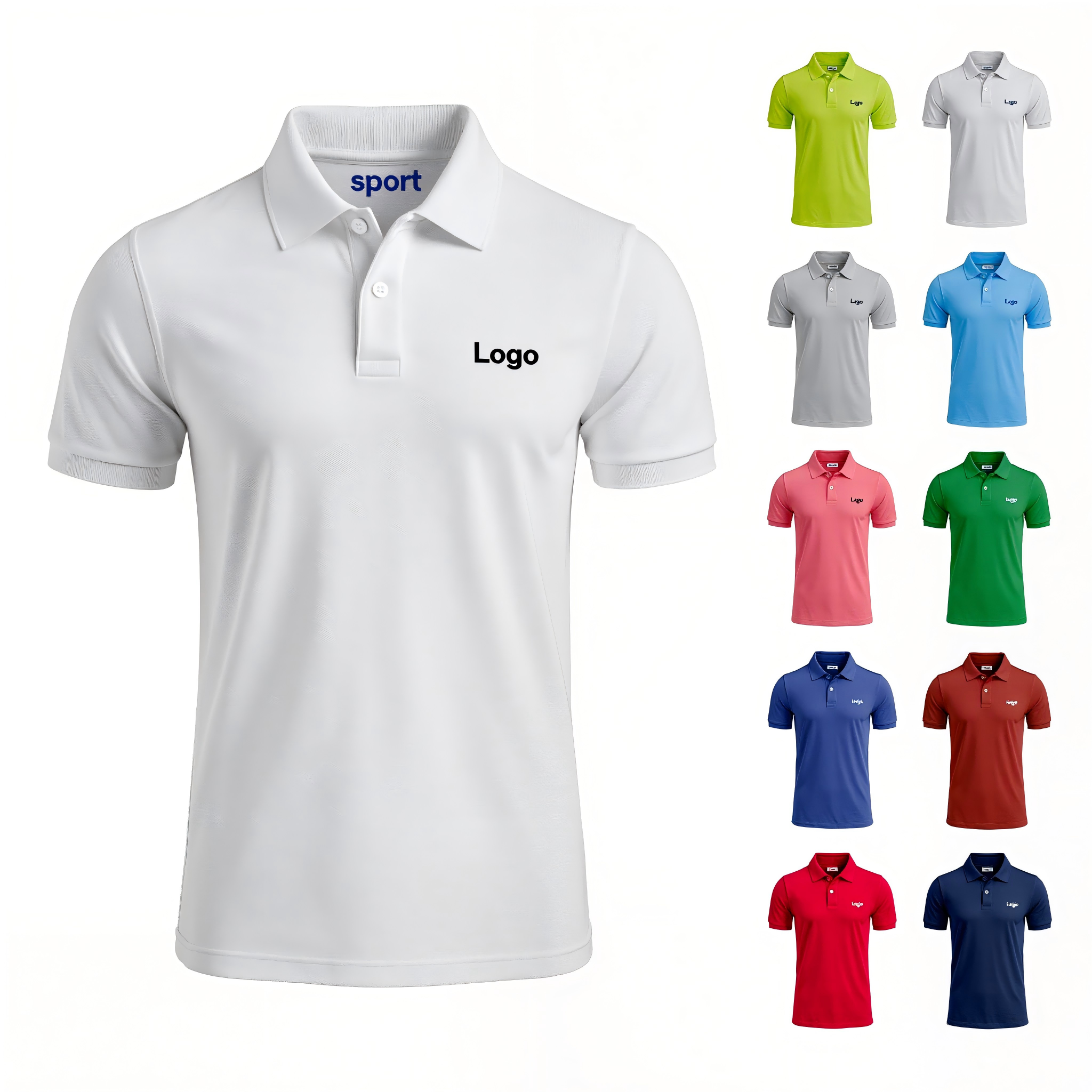
Understanding custom polo embroidered shirts is crucial for B2B buyers looking to enhance brand visibility and employee uniformity. These shirts serve not only as casual work attire but also as a canvas for branding through embroidery. Buyers often have concerns regarding the quality, durability, and customization options of these shirts. In this article, we will explore essential specifications, how to choose reliable suppliers, common issues and their solutions, materials used, and installation guidance for bulk orders. Additionally, if you are interested in enhancing your brand's visibility even further, consider our Custom Design High-Definition All-Over Print Sublimation Hoodie for versatile team wear.
Partnering with Reliable Manufacturers for Polo Shirts

Partnering with Reliable Manufacturers for Polo Shirts

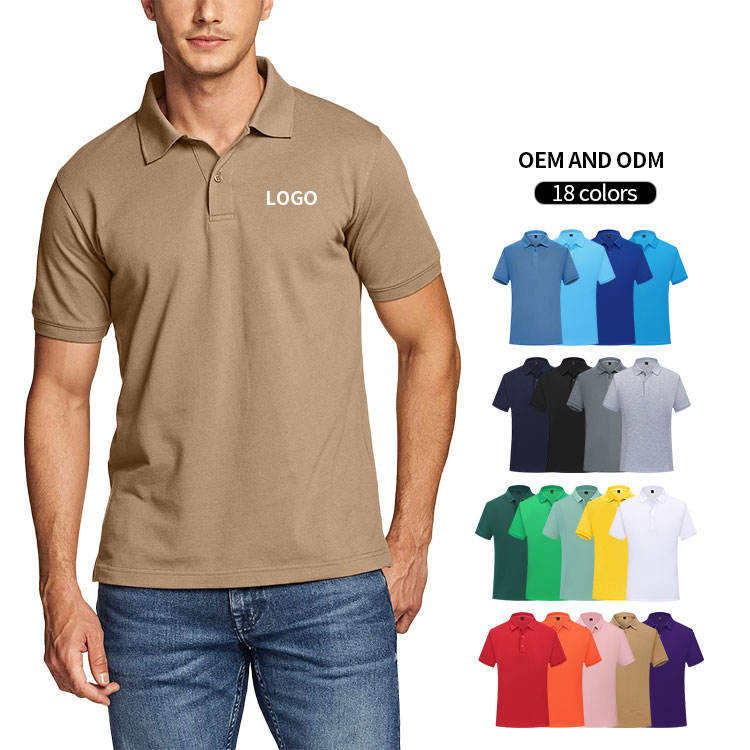
Selecting a reliable supplier is essential to ensure quality and timely delivery of custom polo embroidered shirts. Here are key considerations for evaluating potential suppliers:

Experience and Reputation: Look for suppliers with a proven track record in the industry. Research their reputation through customer reviews and case studies. A supplier with extensive experience in producing custom apparel will likely understand the nuances of quality and design.

Manufacturing Capabilities: Assess the supplier's manufacturing capabilities, including available technologies and equipment. Advanced embroidery machines and quality control processes can significantly impact the finished product's quality.

Customization Options: Ensure the supplier can accommodate your specific customization needs, from embroidery techniques to color matching. The ability to provide samples before mass production is also crucial for verifying quality and design accuracy.

Lead Times and Minimum Order Quantities (MOQ): Clarify lead times and MOQs, as these factors can affect your supply chain. Reliable suppliers will provide transparent timelines and flexible ordering options to meet your needs.

By carefully evaluating these aspects, buyers can select a supplier that aligns with their quality expectations and operational requirements.

Technical Specifications to Consider for Custom Polo Embroidered Shirts

Technical Specifications to Consider for Custom Polo Embroidered Shirts

While custom polo embroidered shirts offer great branding opportunities, they can present several challenges. Understanding these common issues and their solutions can help buyers avoid pitfalls:

Embroidery Quality Issues: Poor embroidery can lead to fraying or fading. To prevent this, work with suppliers who use high-quality threads and have experience with various embroidery techniques. Request samples to check the quality before placing a bulk order.

Sizing Inconsistencies: Variations in sizing can lead to dissatisfaction among employees. To mitigate this, request samples in different sizes and fits before placing a large order. Establishing a size chart that aligns with industry standards can also help maintain consistency.

Fabric Wear and Tear: Some fabrics may not withstand regular washing or heavy use. Select durable materials and discuss care instructions with the supplier to ensure longevity. Conducting wear tests on samples can provide insights into how the fabric holds up over time.

By proactively addressing these common issues, buyers can ensure a smoother purchasing experience and higher satisfaction among end-users. If you’re looking for something specifically designed for athletic performance, our Custom Logo High-Performance 100% Polyester Sweatshirt is an excellent option.

Where to Buy Custom Polo Embroidered Shirts in Bulk

Where to Buy Custom Polo Embroidered Shirts in Bulk

The choice of materials for custom polo embroidered shirts greatly influences their performance and suitability for different applications. Here are the most common materials used:

Cotton: Known for its softness and breathability, cotton is a popular choice for casual wear. It is comfortable against the skin but may not be the best option for moisture-wicking needs.

Polyester: This synthetic fabric is highly durable and has excellent moisture-wicking properties, making it ideal for active environments. Polyester can also hold colors well and is resistant to shrinking and wrinkling.

Blends: Many suppliers offer cotton-polyester blends, combining the comfort of cotton with the durability of polyester. These blends can provide a balanced performance suitable for various applications.

Understanding the properties of these materials will help buyers choose the right fabric based on their intended use, climate, and branding requirements.

How to Install Custom Embroidered Polo Shirts for Maximum Impac

When ordering custom polo embroidered shirts in bulk, it is essential to ensure a smooth installation and distribution process. Here are some practical tips:

Order Samples: Before committing to a bulk order, request samples of the shirts to verify sizing, fit, and embroidery quality. This step is crucial for ensuring the final product meets expectations.

Coordinate with Designers: If you are providing artwork for embroidery, work closely with the supplier's design team. Ensure that files are compatible and meet the specifications for high-quality embroidery.

Distribution Plan: Develop a distribution plan that outlines how the shirts will be allocated among employees or customers. This plan should also include considerations for packaging, labeling, and storage to maintain the shirts' quality until they are distributed.

By following these guidelines, buyers can effectively manage the installation and ensure that the custom polo embroidered shirts are ready for use upon arrival.

Choosing the Right Custom Polo Embroidered Shirts for Your Business Needs

When considering custom polo embroidered shirts, several specifications are vital for making informed purchasing decisions. Key specifications include fabric composition, weight, fit, and embroidery area.

Fabric Composition: Common materials include cotton, polyester, and blends. Cotton provides breathability and comfort, while polyester enhances durability and moisture-wicking properties. The choice of fabric affects not only the shirt's feel but also its performance in various environments.

Weight: The weight of the fabric, often measured in grams per square meter (GSM), impacts the shirt's heaviness and drape. A heavier fabric may offer more durability but could also be less breathable, making it unsuitable for hot climates.

Fit: The fit is critical for comfort and presentation. Sizing options should be available in various styles, such as regular, slim, or relaxed fit, to accommodate different body types.

Embroidery Area: The size and location of the embroidery can influence the design's visibility and impact. Buyers should confirm the maximum embroidery area allowed to ensure their logo fits without compromising the shirt's integrity.

Understanding these specifications will help buyers select shirts that not only meet their branding needs but also provide comfort and durability for the wearer.

Get a Free Quote

Our representative will contact you soon.
0/1000