Custom T-Shirts: A Comprehensive Guide for B2B Buyers

Jinan Runhang Textile Co., Ltd.   —— Verified by SGS

application/custom-t-shirts, application/custom-t-shirts, 
Inquiry
Inquiry

custom t shirts

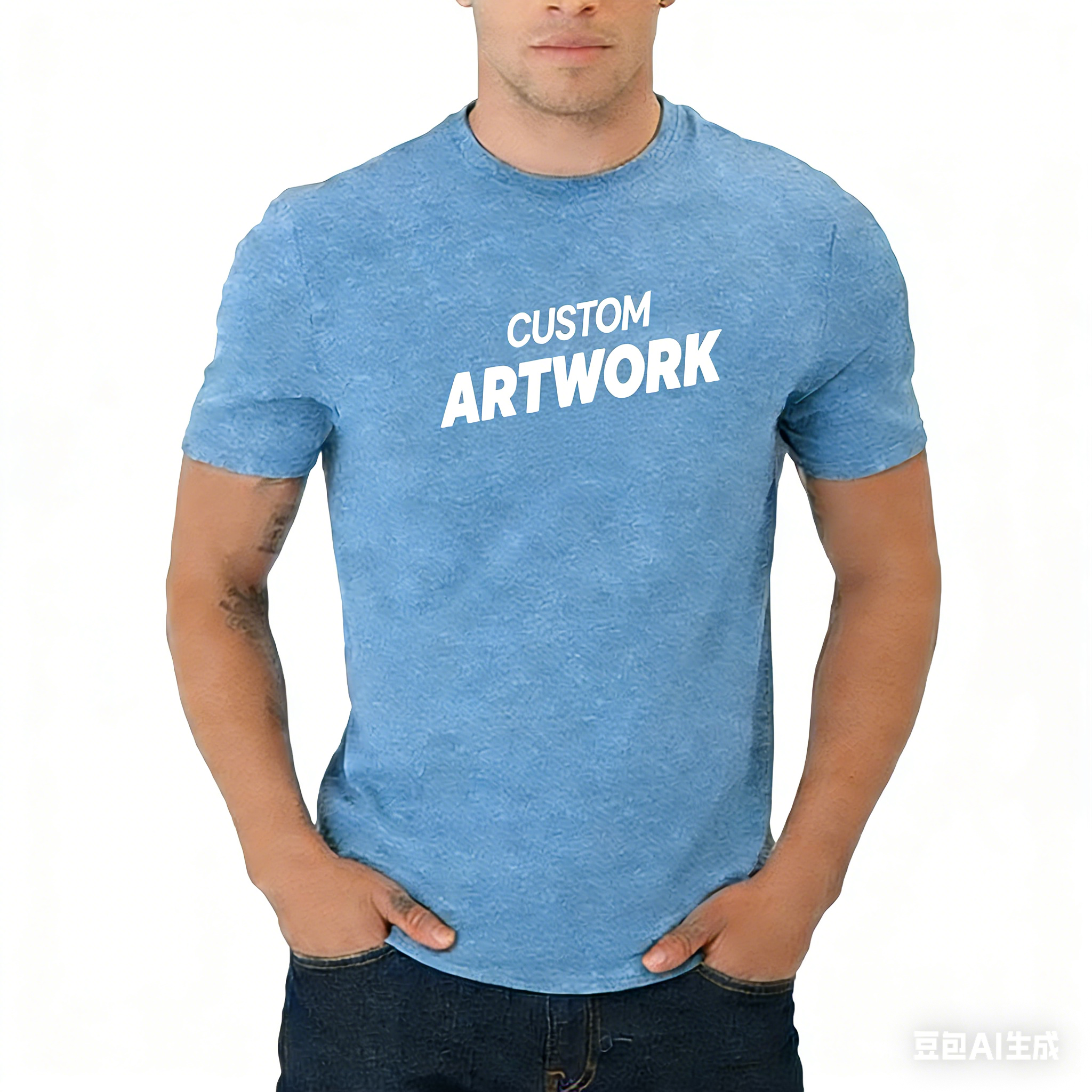
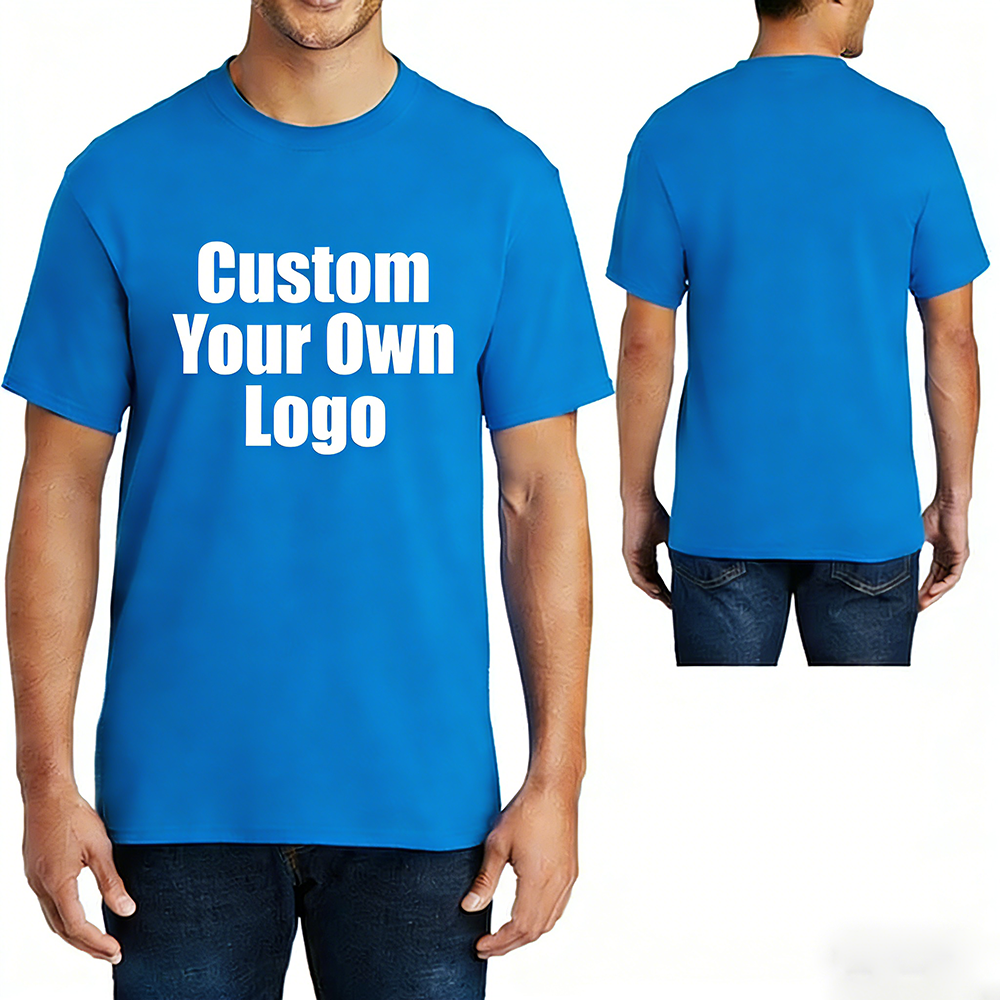
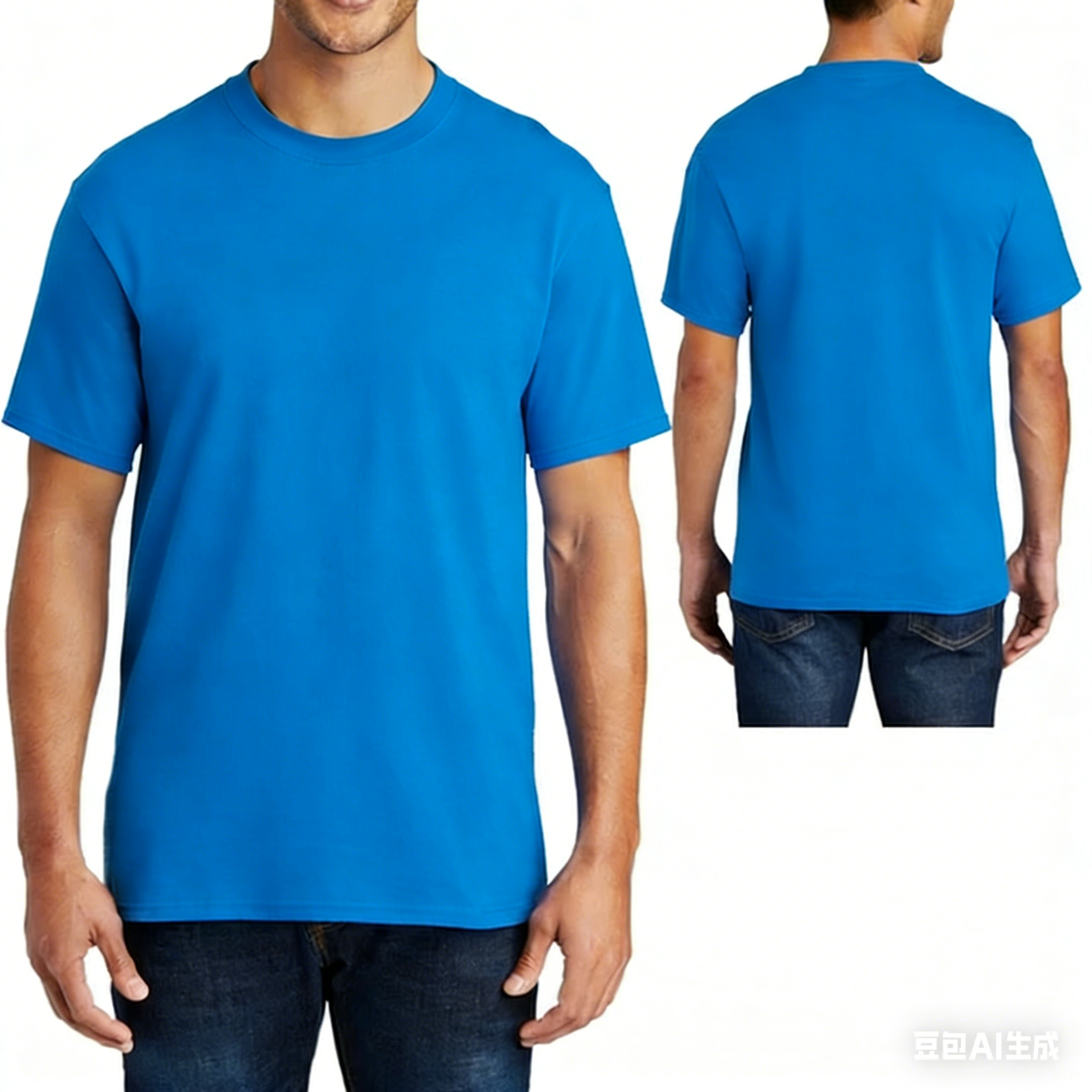
Custom T-shirts are a versatile and popular choice for businesses looking to enhance their brand visibility, create team unity, or provide promotional items. For B2B buyers, the selection of custom T-shirts involves careful consideration of material, design, quality, and supplier reliability. This article will address essential factors to ensure that purchasing managers and distributors can make informed decisions when sourcing custom T-shirts that meet their specific needs.

What to Consider

What to Consider

Before placing an order for custom T-shirts, there are several key factors to consider:

Design Specifications: Ensure that your design is suitable for the chosen material. Some fabrics may require specific printing techniques to achieve the desired effect.

Quantity and MOQ: Many manufacturers have a Minimum Order Quantity (MOQ) that can affect pricing and production timelines. It's essential to confirm this to avoid unexpected costs.

Customization Options: Evaluate the level of customization available, including sizes, colors, and printing methods. A manufacturer like Jinan Runhang Textile Co., Ltd. offers a range of customization options to meet various client needs. Additionally, exploring Apparel Accessories can enhance the overall branding experience.

Production Lead Time: Understand the estimated time for production and delivery. This is especially important if the T-shirts are needed for a specific event or promotion.

Cost: Price can vary significantly based on material, design complexity, and order size. Be prepared to discuss your budget during the RFQ process.

By considering these factors, buyers can streamline the sourcing process and ensure they select a product that aligns with their expectations.

Ensuring Quality Delivery

Ensuring Quality Delivery

Quality assurance is a critical component of the custom T-shirt production process. Buyers should look for manufacturers that implement stringent quality control measures throughout production. Here are some key steps to ensure quality delivery:

Sampling: Always request samples before mass production. This allows you to evaluate the material, stitching, and print quality firsthand.

Manufacturer Certifications: Check for relevant certifications that indicate adherence to industry standards. This can provide assurance regarding the quality and safety of the materials used.

Inspection Process: Understand the manufacturer’s inspection process for finished products. A reliable supplier will conduct thorough inspections to ensure that each batch meets the agreed specifications.

Feedback Loop: Establish a communication channel for feedback during the production process. This can help address any issues before they escalate.

By prioritizing these quality assurance steps, buyers can minimize the risk of receiving subpar products.

Evaluating the Quality of Custom T-Shirts for Distribution Success

Evaluating the Quality of Custom T-Shirts for Distribution Success

The quality of custom T-shirts directly impacts customer satisfaction and brand representation. When evaluating T-shirts for distribution, consider the following aspects:

Fabric Quality: Inspect the fabric for softness, durability, and weight. A heavier fabric may indicate better quality, but it’s essential to balance this with comfort.

Stitching and Finish: Examine the stitching for evenness and strength. High-quality T-shirts should have no loose threads and should appear well-constructed.

Print Quality: Check the clarity and adherence of any printed designs. Poor print quality can diminish the perceived value of the T-shirt and may affect brand image.

Fit and Sizing: Ensure that the sizing aligns with standard measurements or your target demographic. An inconsistent fit can lead to dissatisfaction among end users.

By conducting a thorough quality evaluation, businesses can ensure that the custom T-shirts they distribute enhance their brand image and meet customer expectations.

A Step-by-Step Guide

To streamline the purchasing process for custom T-shirts, follow this step-by-step guide:

Define Your Needs: Determine the purpose of the T-shirts, including quantity, design requirements, and material preferences.

Research Suppliers: Identify potential suppliers, focusing on those with proven experience in custom apparel manufacturing. Jinan Runhang Textile Co., Ltd. is an example of a reliable manufacturer with integrated production capabilities.

Request Quotes: Prepare a detailed RFQ that includes your specifications, desired quantities, and any customization requirements. This will help suppliers provide accurate quotes.

Review Samples: Once received, evaluate the samples against your quality criteria. Check for fabric quality, fit, and print accuracy.

Finalize Order: After approving samples, confirm the order details, including production timelines, pricing, and payment terms.

Monitor Production: Maintain communication with the supplier throughout the production process to address any issues promptly.

Quality Check Upon Delivery: Upon receiving the final products, conduct a quality inspection to ensure they meet your specifications before distribution.

By following these steps, buyers can effectively navigate the custom T-shirt sourcing process, ensuring they receive high-quality products that align with their brand goals. Additionally, considering options like Hoodies & Sweatshirts can further diversify their offerings.

Comparing Material Advantages for Custom T-Shirt Production

When selecting materials for custom T-shirts, it's crucial to consider the intended application, comfort, durability, and breathability. Common materials include cotton, polyester, and blends.

Cotton: Known for its softness and breathability, cotton is an excellent choice for promotional T-shirts and casual wear. However, it may not be as durable as synthetic fabrics and can shrink or fade over time if not properly cared for.

Polyester: This synthetic material offers superior durability and moisture-wicking properties, making it ideal for athletic or outdoor apparel. Polyester T-shirts tend to retain their shape and color better than cotton, making them a great choice for long-term use.

Blends: Cotton-polyester blends combine the best of both worlds, providing the comfort of cotton with the durability of polyester. These are often used in corporate uniforms or casual wear where both comfort and longevity are valued.

Understanding these material properties can significantly impact the effectiveness of your custom T-shirts in meeting your brand's needs.

Get a Free Quote

Our representative will contact you soon.
0/1000