Key Specifications to Consider When Purchasing Embroidered Sweatshirts
When selecting embroidered sweatshirts, several technical specifications are essential for ensuring the final product meets your requirements.
Material: The fabric composition affects the garment's durability, comfort, and appearance. Common materials include cotton, polyester, or blends. Cotton offers breathability and softness, while polyester provides moisture-wicking properties and maintains color vibrancy.
Weight: The weight of the fabric, typically measured in grams per square meter (GSM), influences the sweatshirt's warmth and feel. A heavier fabric (around 300-350 GSM) is suitable for colder climates, while lighter options (around 200-250 GSM) are ideal for layering.
Fit and Sizing: Understanding your target market's sizing preferences is crucial. Pay attention to the manufacturer’s sizing charts and fit options, as these can vary significantly between brands.
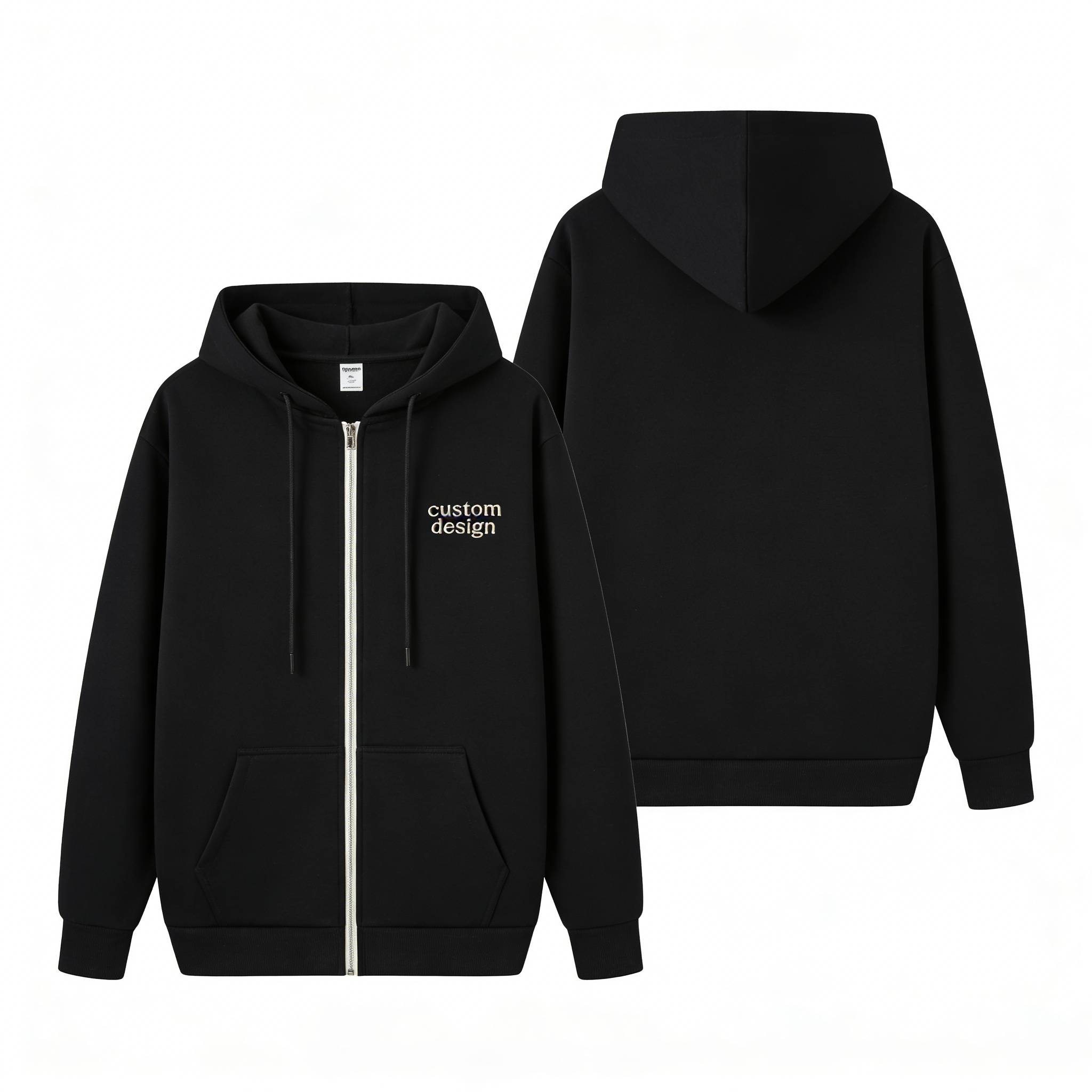
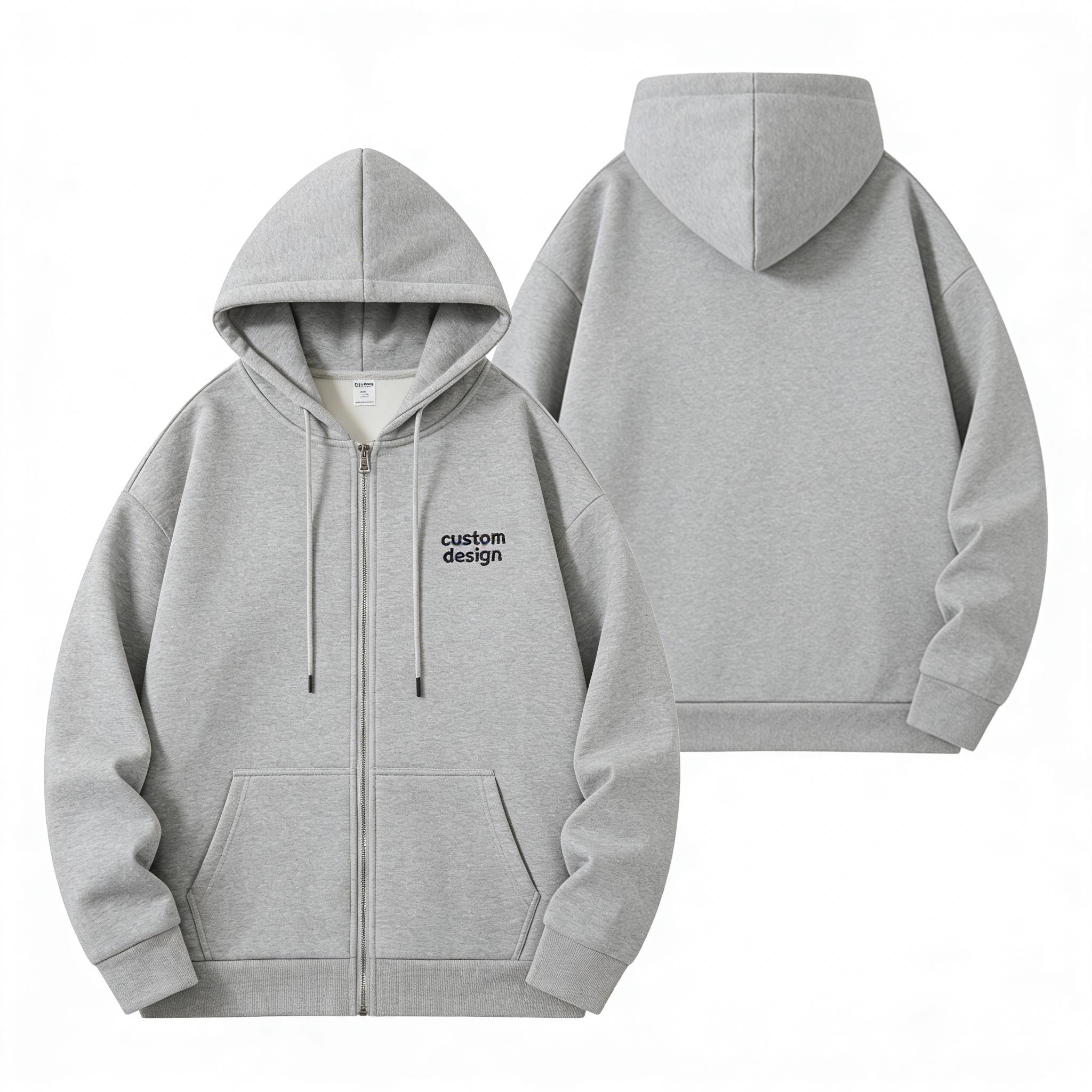
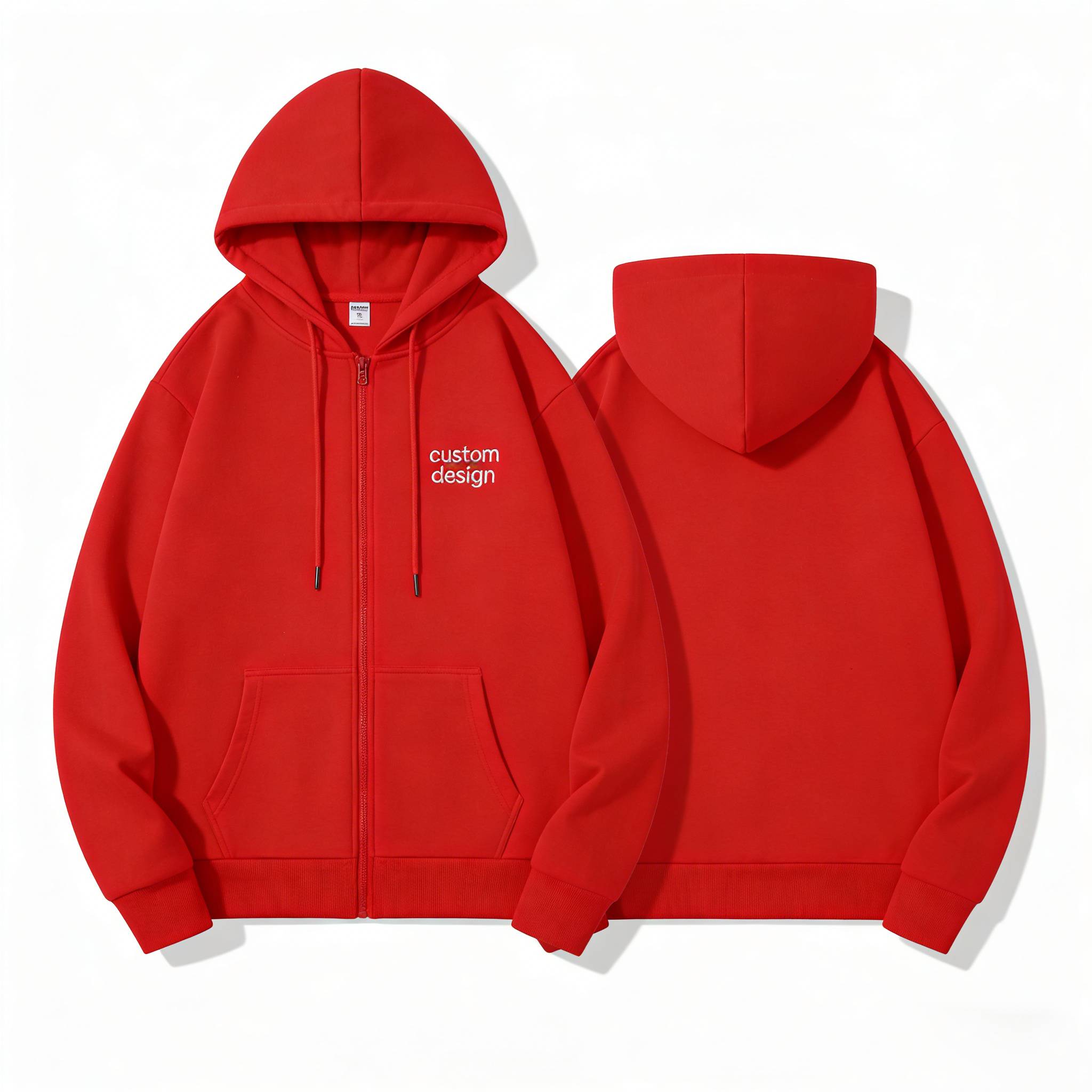
Embroidery Area: Consider the area available for embroidery. Standard placements include the left chest, back, or sleeve. Ensure your design fits within the specified dimensions without compromising the garment's integrity.
Production Capabilities: Verify the supplier's ability to produce sweatshirts in the desired quantity and with the required embroidery techniques (e.g., direct embroidery, heat transfer).
By focusing on these specifications, you can ensure the embroidered sweatshirts align with your branding and customer expectations. For those looking to expand their offerings, consider adding Apparel Accessories to enhance your product line.
 EN