Key Considerations for Making T-Shirts for Wholesale

Jinan Runhang Textile Co., Ltd.   —— Verified by SGS

application/making-tshirt, application/making-tshirt, 
Inquiry
Inquiry

making tshirt

When considering the process of making T-shirts, it’s essential to understand the various elements that contribute to quality and suitability for wholesale orders. T-shirts are versatile garments used across industries, from promotional events to everyday wear. B2B buyers often seek to ensure that their purchases meet specific quality standards, cost-effectiveness, and design flexibility. This article will address key considerations for selecting T-shirts for wholesale orders, the specifications needed for custom manufacturing, cost factors, quality control processes, and sourcing options for high-quality T-shirts.

Specifications to Look for in Custom T-Shirt Manufacturing

Specifications to Look for in Custom T-Shirt Manufacturing

When engaging with a manufacturer for custom T-shirt production, specific specifications need to be addressed to ensure the final product meets expectations. Key specifications include:

Fabric Type and Weight: The choice of fabric affects comfort and performance. Common weights range from 120g/m² to 200g/m², and buyers should specify their preference based on the intended use.

Fit and Size Range: Buyers should confirm the available size range and whether the fit is standard, slim, or relaxed. Comprehensive size charts help avoid sizing issues during production.

Seam Construction: The type of seam can influence durability. Double-stitched seams provide added strength, especially in high-stress areas.

Labeling and Tags: Custom labels enhance brand identity. Buyers need to specify whether they want printed labels, woven tags, or care labels.

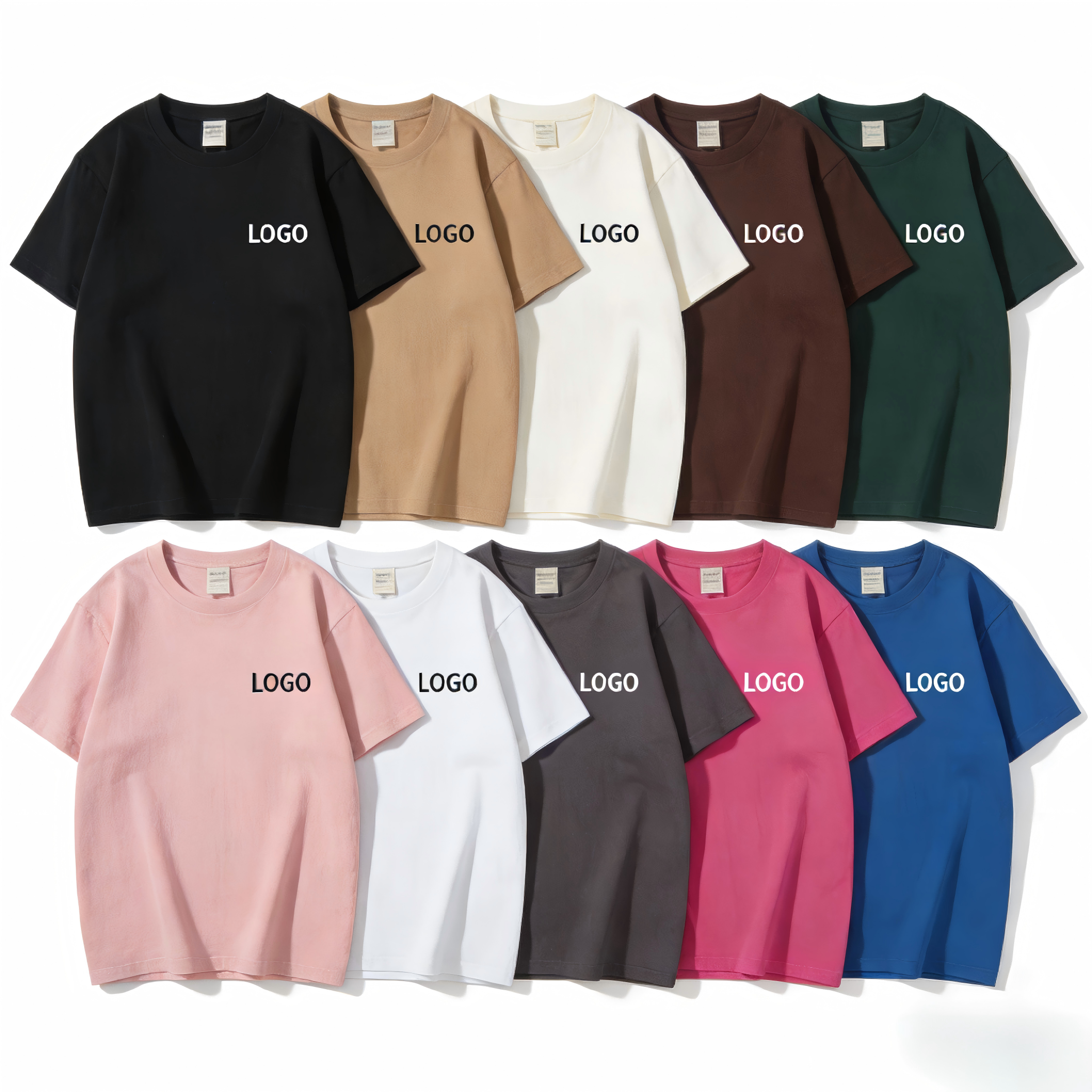
Color Matching: Exact color matching is essential for branding. Buyers should provide Pantone color codes to ensure consistency across batches.

By clearly defining these specifications, buyers can minimize misunderstandings and ensure that the manufactured T-shirts align with their quality and branding expectations.

Cost Factors to Evaluate When Purchasing T-Shirts in Bulk

Cost Factors to Evaluate When Purchasing T-Shirts in Bulk

Understanding the cost structure of T-shirt manufacturing is vital for B2B buyers. Several factors affect pricing, including:

Material Costs: The choice of fabric significantly impacts the overall price. Higher-quality materials typically come at a premium but offer better performance. For instance, the Custom Logo Premium Heavyweight 100% Cotton Hoodie is a great example of a high-quality option.

Customization Requirements: Custom printing or embroidery can increase costs. Buyers should evaluate whether the added expense aligns with their marketing strategy.

Production Volume: Bulk orders often qualify for discounts. Buyers should assess the MOQ and determine if they can meet it to achieve cost savings.

Shipping and Import Duties: Depending on the manufacturing location, shipping costs and import duties can add to the overall expenditure. Buyers should factor these into their budget.

Lead Time Implications: Rush orders may incur additional charges. Understanding the balance between lead time and cost is crucial for effective planning.

By evaluating these cost factors, buyers can make informed decisions that balance quality and budgetary constraints.

How to Ensure Quality Control in T-Shirt Manufacturing Processes

How to Ensure Quality Control in T-Shirt Manufacturing Processes

Quality control is a critical aspect of T-shirt manufacturing that ensures the final product meets the required standards. Effective quality control processes should include:

Pre-Production Samples: Buyers should request samples before mass production. This allows for checks on fit, fabric quality, and overall appearance, helping to identify any discrepancies early.

In-Process Inspections: Regular inspections during the production process can help catch issues such as misaligned prints, improper stitching, or fabric defects. Buyers can work with manufacturers to establish checkpoints throughout production.

Final Inspection: Before shipping, a final inspection should be conducted to ensure that all specifications have been met. This includes checking for color consistency, sizing accuracy, and quality of prints or embroidery.

Feedback Loop: Establishing a feedback mechanism with the manufacturer allows for continuous improvement. Buyers should provide input on any quality issues experienced in prior orders to help refine future production runs.

By implementing rigorous quality control measures, buyers can significantly reduce the risk of receiving subpar products.

Where to Source High-Quality T-Shirts for Your Distribution Needs

Sourcing high-quality T-shirts involves identifying reliable manufacturers and suppliers that can deliver on both quality and service. Potential sourcing avenues include:

Direct Manufacturers: Engaging with manufacturers like Jinan Runhang Textile Co., Ltd. can provide benefits such as lower costs due to direct sourcing and access to a wider range of customization options.

Trade Shows: Attending industry trade shows allows buyers to meet multiple manufacturers, compare products, and establish relationships that foster better communication and service.

Online Marketplaces: Platforms like Alibaba or Global Sources can be useful for finding manufacturers, but buyers should exercise caution and perform due diligence to verify quality and reliability.

Local Suppliers: For those concerned about shipping times or tariffs, local suppliers may offer quicker turnaround times, though typically at a higher cost.

Industry Networks: Leveraging networks and referrals can lead to finding reputable suppliers known for quality and reliability.

By exploring these sourcing options, buyers can identify partners that align with their quality standards and distribution needs, ultimately ensuring a successful wholesale T-shirt purchase. Making informed choices when selecting and sourcing T-shirts will lead to better outcomes for B2B buyers, ensuring that they receive quality products that meet their specific needs while maintaining cost efficiency.

What to Consider When Choosing T-Shirts for Wholesale Orders

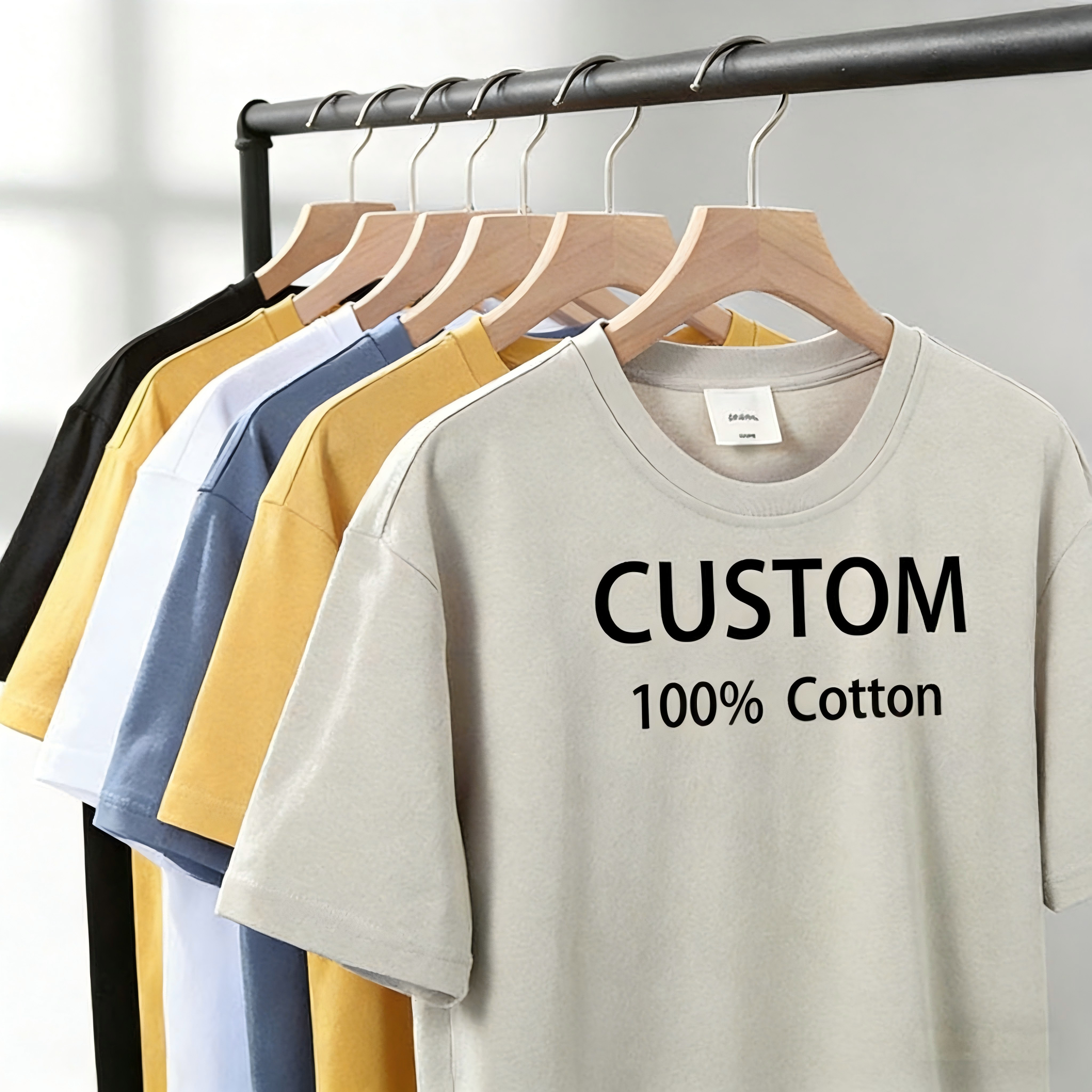
When selecting T-shirts for wholesale orders, key factors include the target market, intended use, and design requirements. Buyers should consider the garment's fabric composition, such as cotton, polyester, or blends, as these materials affect comfort, durability, and care instructions. For example, 100% cotton T-shirts are breathable and soft but may shrink after washing, while polyester blends are more resistant to wrinkling and fading. Custom Logo Professional Silk Screen Print T-shirt - High-Definition Opaque Ink Printing - 100% Combed Cotton Premium Tee can be an excellent choice for those looking for high-quality printing.

Additionally, the weight of the fabric is crucial. Heavier fabrics often signal higher quality but may not be suitable for all applications. For promotional events, lightweight T-shirts might suffice, while fashion brands may prefer heavier options for a premium feel. Buyers should also explore customization options, such as screen printing or embroidery, to align the product with branding requirements. Lastly, minimum order quantities (MOQs) can vary significantly between suppliers, making it essential to factor this into the purchasing decision.

Get a Free Quote

Our representative will contact you soon.
0/1000