Choosing Quality Organic Cotton Tees for Wholesale

Jinan Runhang Textile Co., Ltd.   —— Verified by SGS

application/organic-cotton-tee, application/organic-cotton-tee, 
Inquiry
Inquiry

Organic cotton tee

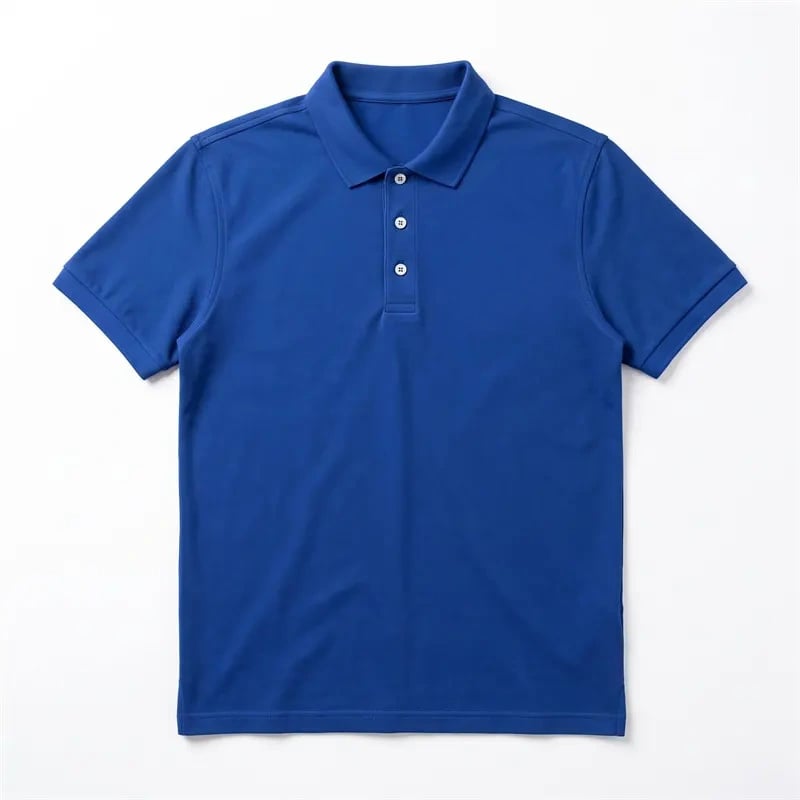
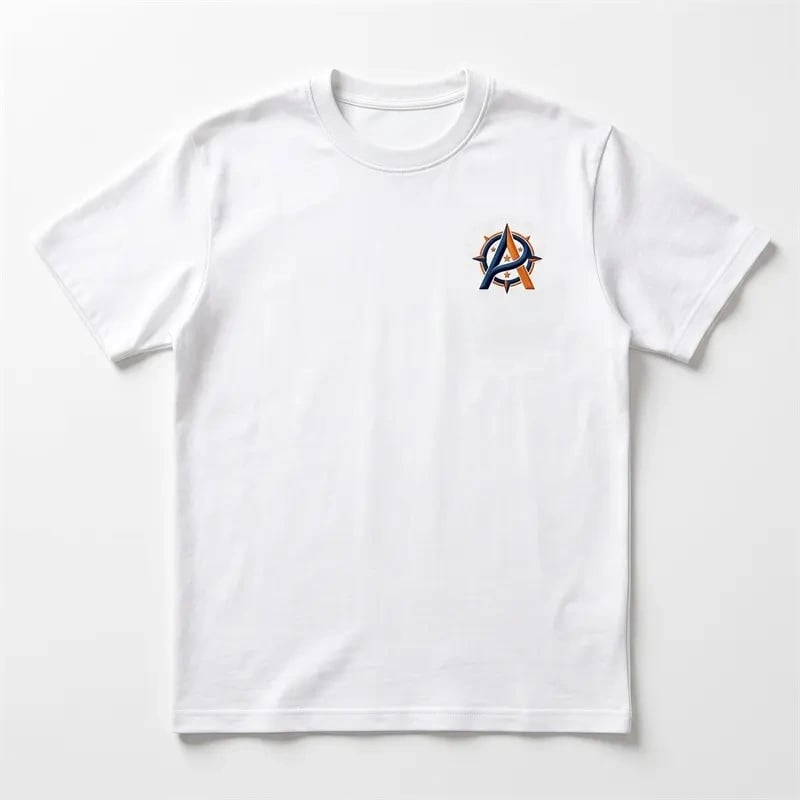
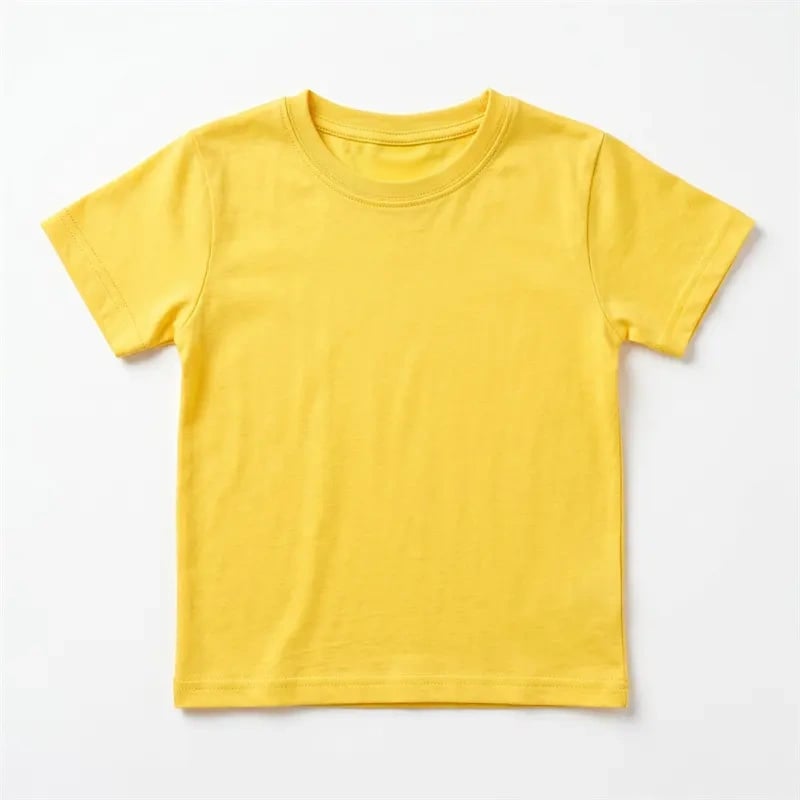
Organic cotton tees have gained popularity among brands and consumers seeking sustainable and eco-friendly apparel. As the demand for these garments grows, B2B buyers must consider various factors when sourcing quality organic cotton tees for wholesale orders. This article will address key buyer concerns, including product specifications, supplier reliability, benefits of organic mens cotton tees, common sourcing problems, and expert tips for successful procurement.

Where to Find Reliable Suppliers for Bulk Organic Cotton Tees

Where to Find Reliable Suppliers for Bulk Organic Cotton Tees

Finding trustworthy suppliers for bulk organic cotton tees requires thorough research and evaluation. Start by attending industry trade shows, which provide opportunities to meet manufacturers face-to-face and review their product offerings. Networking with other businesses in the textile industry can also lead to valuable recommendations for reliable suppliers for bulk organic cotton tees.

Online platforms like Alibaba or specialized B2B marketplaces can be useful for sourcing suppliers. However, ensure you vet potential partners carefully. Request samples to assess fabric quality, stitching, and overall workmanship. Additionally, investigate the supplier's production capacity and lead times to ensure they can meet your order requirements without delays.

Building a long-term relationship with suppliers can be beneficial. Establish clear communication channels and consider visiting their facilities if possible. This helps build trust and gives you insights into their quality control processes and production capabilities.

Understanding the Benefits of Organic Cotton for Your Projects

Understanding the Benefits of Organic Cotton for Your Projects

Organic cotton offers numerous advantages that make it an appealing choice for various projects. One of the most significant benefits is its reduced environmental impact. Organic cotton is grown without synthetic pesticides or fertilizers, resulting in healthier soil and less water consumption. This eco-friendly approach can enhance your brand's sustainability credentials and attract environmentally-conscious consumers.

In addition to being better for the environment, organic cotton is often softer and gentler on the skin, making it suitable for sensitive individuals. This characteristic can be a selling point for brands targeting niche markets, such as children's clothing or activewear.

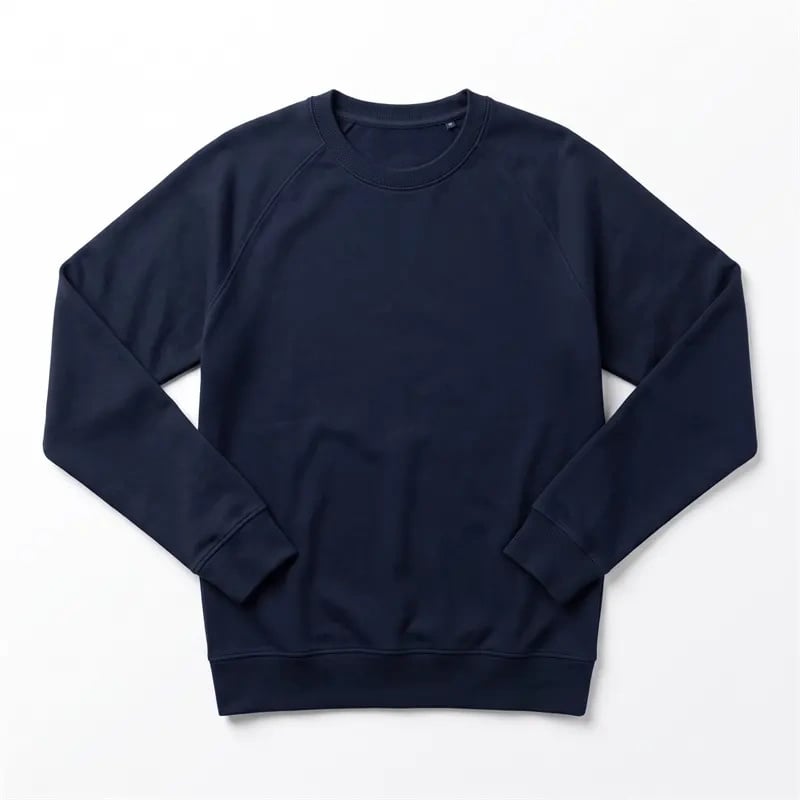
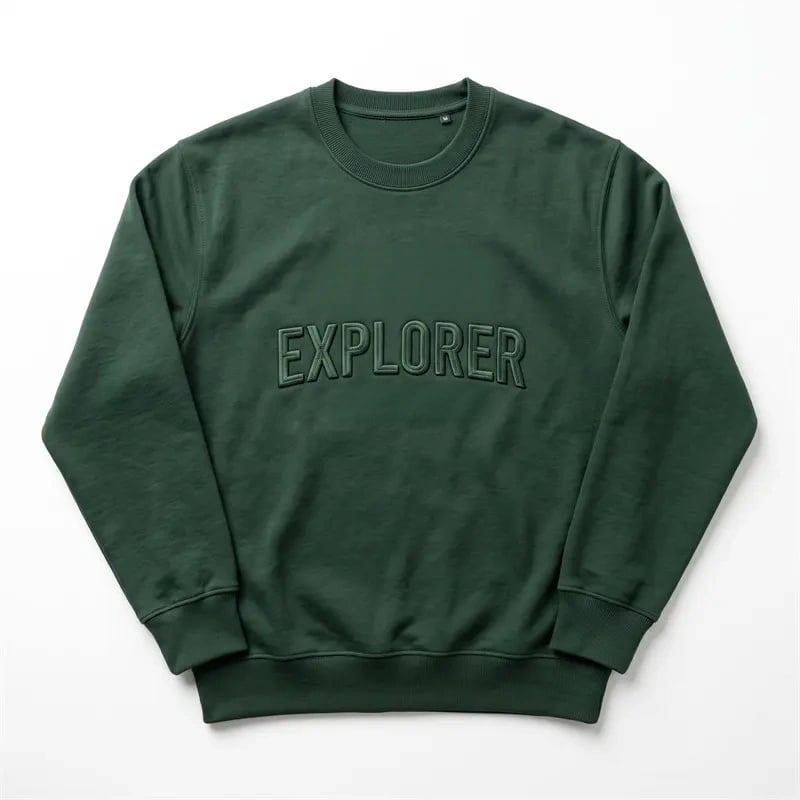
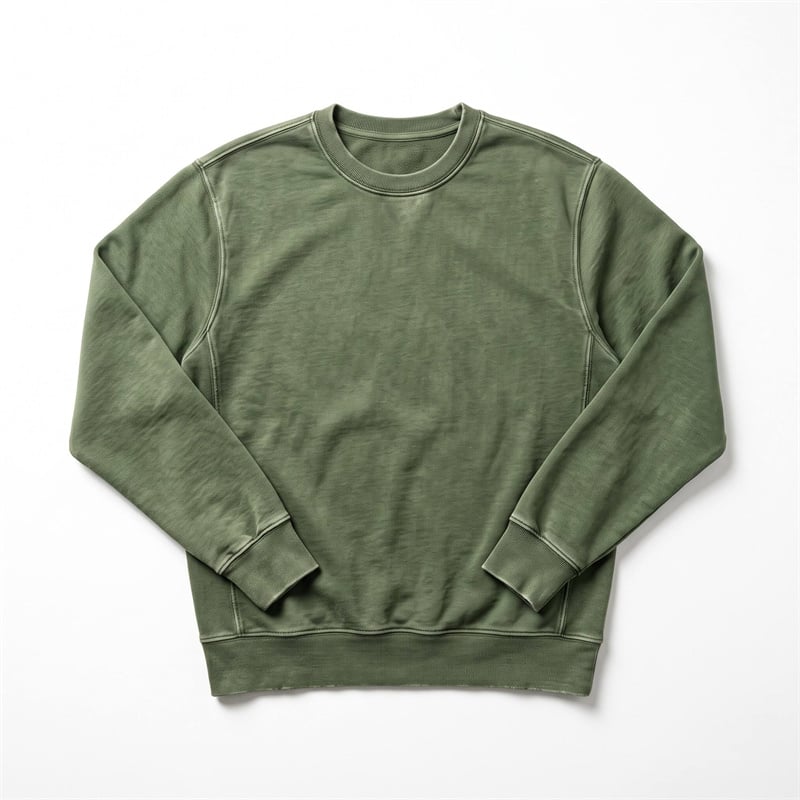
Furthermore, using organic cotton can align with corporate social responsibility (CSR) initiatives. Many consumers prefer brands that prioritize ethical sourcing and environmentally friendly practices. By incorporating organic cotton sweatshirts into your product line, you can differentiate your brand and potentially command higher prices.

Common Problems When Sourcing Organic Cotton Tees and Solutions

Common Problems When Sourcing Organic Cotton Tees and Solutions

Sourcing organic cotton tees can present challenges that buyers must navigate. One common issue is inconsistent quality among different suppliers. Variations in fabric weight, color, and finish can occur, leading to dissatisfaction with the final product. To mitigate this risk, always request samples and conduct thorough quality inspections before placing bulk orders. Consider implementing a quality assurance process that includes regular audits of the supplier's production.

Another frequent challenge is managing lead times and production schedules. Organic cotton production can be affected by seasonal factors, impacting availability. To address this, plan your orders well in advance and maintain open communication with suppliers regarding their production capabilities.

Additionally, buyers may face challenges related to compliance and certification verification. Ensure that your suppliers can provide legitimate certification documents for organic cotton. Establishing a strong relationship with suppliers can facilitate transparency and help resolve any compliance issues that may arise.

Expert Tips for Successful Sourcing of Organic Cotton T-Shirts

To successfully source organic cotton tees, consider the following expert tips:

Define Your Specifications: Clearly outline the specifications you require, including fabric weight, color options, and any customization needs. Providing detailed information upfront helps suppliers understand your requirements and reduces the likelihood of miscommunication.

Request MOQs: Minimum Order Quantities (MOQs) can vary significantly among suppliers. Before committing, ensure that the supplier's MOQs align with your purchasing capacity to avoid overstocking or financial strain.

Prioritize Communication: Establish frequent and open communication with your supplier. Regular updates on production status, potential delays, and any issues can help maintain a smooth sourcing process.

Conduct Quality Inspections: Before finalizing orders, conduct thorough quality inspections of samples and bulk shipments. Check for consistency in color, fabric quality, and overall construction to ensure they meet your standards.

Be Open to Adjustments: Production processes can be unpredictable. Be prepared to adapt your orders based on availability and market conditions while maintaining your core quality requirements.

By implementing these tips, buyers can enhance their sourcing strategies and ensure successful procurement of organic cotton tees that meet their business needs.

Incorporating organic cotton tees into your product offerings can provide numerous benefits, from appealing to eco-conscious consumers to enhancing brand reputation. By understanding how to choose quality products, find reliable suppliers, and navigate sourcing challenges, you can position your business for success in the growing market for sustainable apparel.

How to Choose Quality Organic Cotton Tees for Wholesale Orders

Selecting high-quality organic cotton tees involves understanding several critical factors. First, evaluate the fabric's weight and thickness, as these specifications influence the garment's durability and comfort. A standard weight for organic cotton sweatshirt is usually between 150-200 grams per square meter (GSM). Heavier fabrics tend to be more durable but may sacrifice breathability.

Next, consider the weaving method. Organic cotton can be processed in various ways, such as combed or ring-spun, which affects the softness and finish of the fabric. Combed cotton is softer and has a finer texture due to the removal of short fibers, making it a preferred choice for premium products.

Finally, don't overlook the certifications. Look for certifications such as Global Organic Textile Standard (GOTS), which ensures the cotton is grown without harmful chemicals and processed under strict environmental standards. These certifications not only assure buyers of product quality but also enhance brand reputation.

Frequently Asked Questions

What materials are used in the organic cotton tee?

Our organic cotton tee is made from certified organic cotton grown and processed without synthetic pesticides or GMOs, ensuring a soft, breathable, and eco-friendly fabric.
Yes. We provide one-stop design-to-delivery services including custom designs, sizing, and private labeling to meet brand and distributor requirements.
We offer a full size range from XS to XXL with options for classic, slim, and relaxed fits. Custom size grading is available for bulk orders.
Absolutely. With integrated production capabilities, we handle large-volume manufacturing and reliable worldwide shipping for brands and distributors.
Quality is maintained through in-house production controls, skilled craftsmanship, and final inspections to ensure consistent fabric, stitching, and color across batches.

Get a Free Quote

Our representative will contact you soon.
0/1000