Choosing the Right T-Shirt Logo Printing Supplier

Jinan Runhang Textile Co., Ltd.   —— Verified by SGS

application/t-shirt-logo-printing, application/t-shirt-logo-printing, 
Inquiry
Inquiry

t shirt logo printing

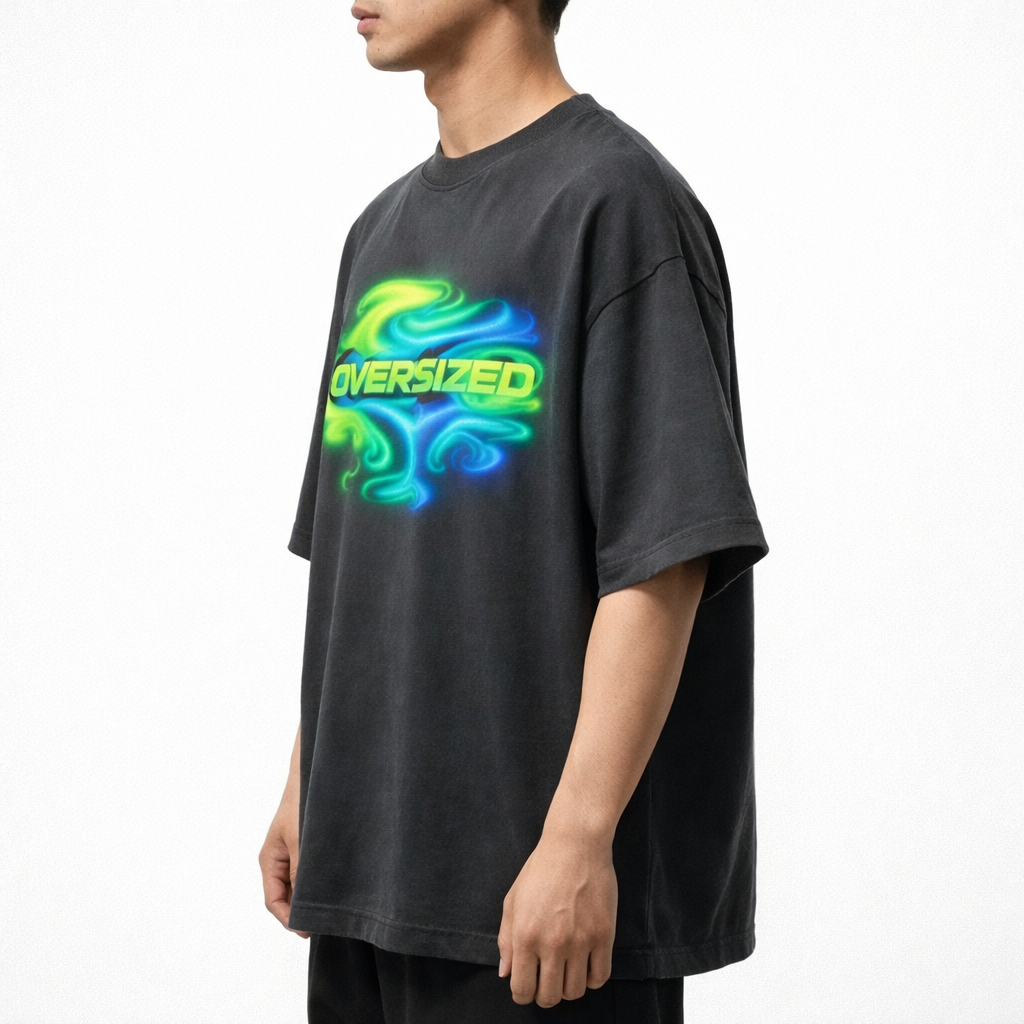
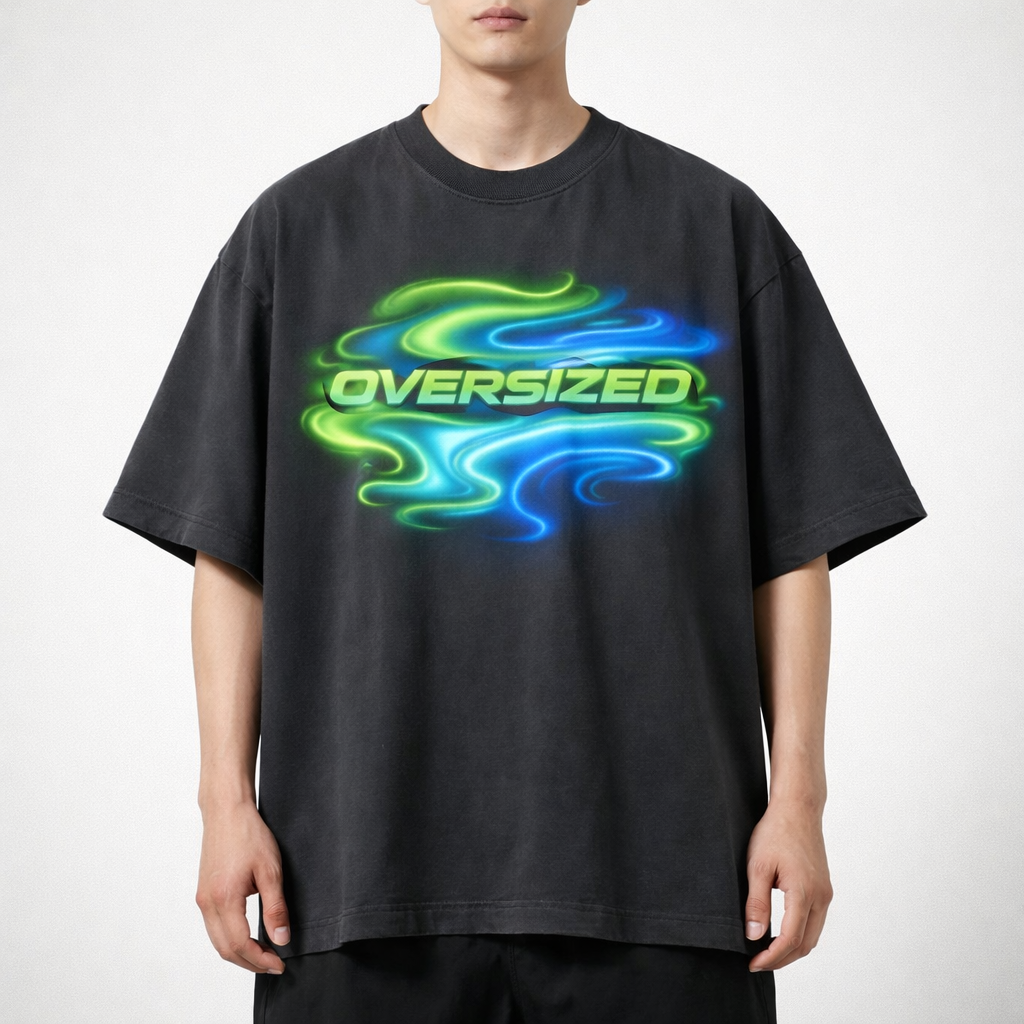
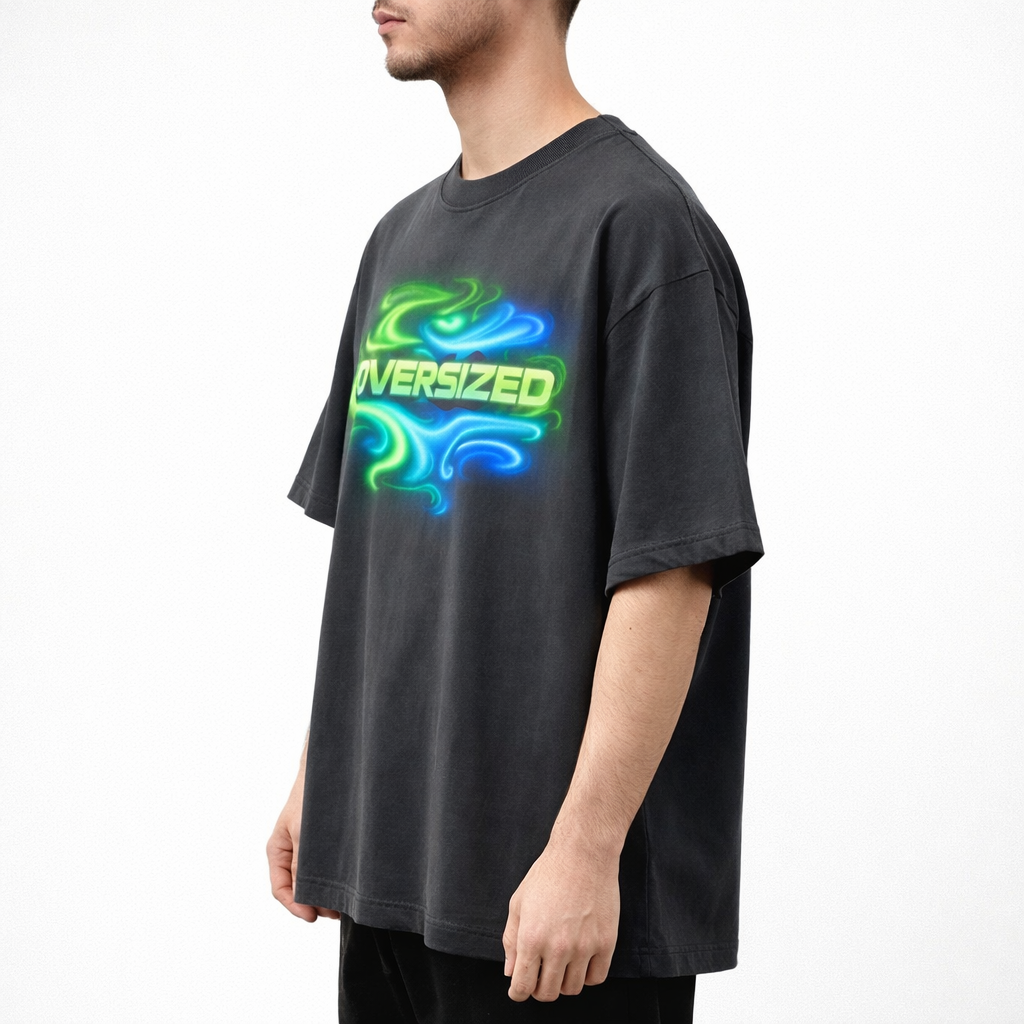
When it comes to t-shirt logo printing, selecting the right supplier is crucial for ensuring quality and reliability in your branding. As a B2B buyer, you likely have specific concerns regarding product quality, customization options, lead times, and overall supplier capabilities. This article will guide you through the essentials of t-shirt logo printing, helping you understand how to choose the right supplier, installation guidance, applications across industries, quality control processes, and informed purchasing decisions.

Installation Guidance for Custom T-Shirt Logo Printing Solutions

Installation Guidance for Custom T-Shirt Logo Printing Solutions

When it comes to custom t-shirt logo printing, installation is a key consideration that often gets overlooked. Proper installation of printed logos can significantly affect the overall appearance and durability of the product.

Typically, suppliers provide specific instructions for care and handling post-printing. For instance, understanding the recommended washing temperatures and drying methods can prevent premature fading or cracking of the print. Buyers should also consider the type of ink used; some inks may require special handling or may not be as durable as others.

If you are producing a large volume of t-shirts, it may be beneficial to request a sample before full production. This allows you to inspect the print quality and ensures that the installation process aligns with your expectations. You might want to explore options such as a Custom Design All-Over Print Full Sublimation T-shirt for a unique look.

Applications of T-Shirt Logo Printing for Various Industries and Events

Applications of T-Shirt Logo Printing for Various Industries and Events

T-shirt logo printing has a diverse range of applications across various industries. From corporate branding to promotional events, the versatility of printed t-shirts can enhance visibility and create lasting impressions.

In the corporate world, companies often use branded t-shirts for employee uniforms, trade shows, and promotional giveaways. This not only promotes brand awareness but also fosters a sense of unity among employees.

In the event sector, t-shirts are a popular choice for organizers looking to create a cohesive look for participants or staff. Whether it’s a charity run, music festival, or sports event, customized t-shirts serve as a functional piece of merchandise that attendees can wear long after the event.

Another growing market is in the educational sector, where schools and universities utilize logo printing for student uniforms and merchandise. This helps to promote school spirit while providing students with quality apparel.

Evaluating Quality Control Processes in T-Shirt Logo Printing

Evaluating Quality Control Processes in T-Shirt Logo Printing

Quality control is paramount in t-shirt logo printing, as it can affect both the visual appeal and durability of the final product. When evaluating suppliers, ask about their quality control processes. A reputable manufacturer will have a multi-step quality assurance protocol in place.

This may include pre-production sample approvals, where the buyer reviews a printed sample to confirm colors, placement, and overall quality before mass production begins. Additionally, inquire about their inspection processes during and after production. For example, checking for print clarity, color consistency, and fabric defects can prevent costly mistakes.

It's also wise to verify whether the supplier has any certifications related to quality management systems, which can serve as an assurance of their commitment to quality.

How to Make Informed Purchasing Decisions for T-Shirt Logo Printing

Making informed purchasing decisions in t-shirt logo printing starts with a clear understanding of your needs and specifications. Before reaching out to suppliers, identify the following:

Design Specifications: What design elements do you require? This includes the logo size, colors, and any additional text. Having a clear design will streamline the quoting process.

Material Selection: Different materials can affect the look and feel of the final product. For example, 100% cotton is popular for its comfort but may shrink more than a cotton-polyester blend. Understanding the materials can help you select the right option for your application.

Quantity and Budget: Determine your budget and the quantity you need. Larger orders often lead to bulk discounts, but be mindful of the MOQ set by the supplier.

Delivery Timeline: Establish a timeline for when you need the t-shirts delivered. Discuss this upfront with the supplier to ensure they can meet your deadlines.

Artwork and Samples: Providing high-quality artwork and requesting samples can ensure that the final product meets your expectations. This step is crucial for confirming print quality before full production.

By having this information prepared, you can engage in productive discussions with potential suppliers and make decisions based on clear criteria.

By focusing on these key areas, you can navigate the complexities of t-shirt logo printing and partner with a supplier that aligns with your business needs. Understanding the entire process, from selection to quality control, empowers you to make informed decisions that enhance your brand's visibility and impact.

How to Choose the Right T-Shirt Logo Printing Supplier for Your Needs

Choosing the right supplier for t-shirt logo printing involves evaluating several critical factors. First, consider their manufacturing capabilities. A supplier like Jinan Runhang Textile Co., Ltd. offers integrated production, which can enhance efficiency and reduce lead times. It's essential to verify whether the supplier can meet your specific requirements for materials, print methods (such as screen printing, heat transfer, or direct-to-garment), and customization options. For instance, you might consider a Custom Logo Professional Silk Screen Print T-shirt for high-definition printing.

Next, assess their experience in the industry. Suppliers with a history of working with global brands and distributors often have established quality control processes and a better understanding of market demands. Additionally, inquire about their minimum order quantity (MOQ) and production capacity to ensure they can handle your order size without compromising quality.

Lastly, evaluate logistics capabilities. Ensure that the supplier can efficiently manage shipping, especially if you are operating in international markets. This will help you avoid delays that could impact your supply chain.

Get a Free Quote

Our representative will contact you soon.
0/1000