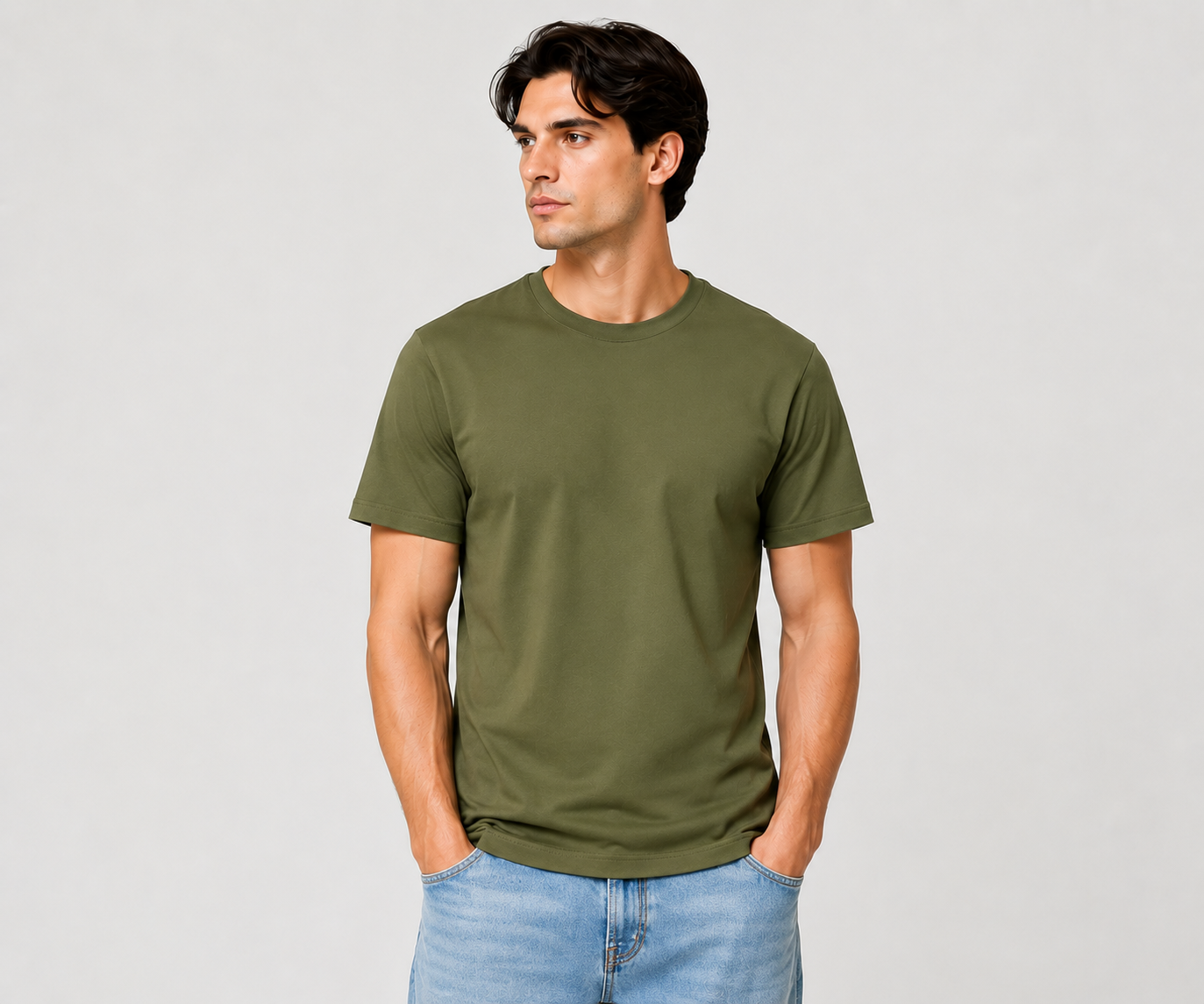
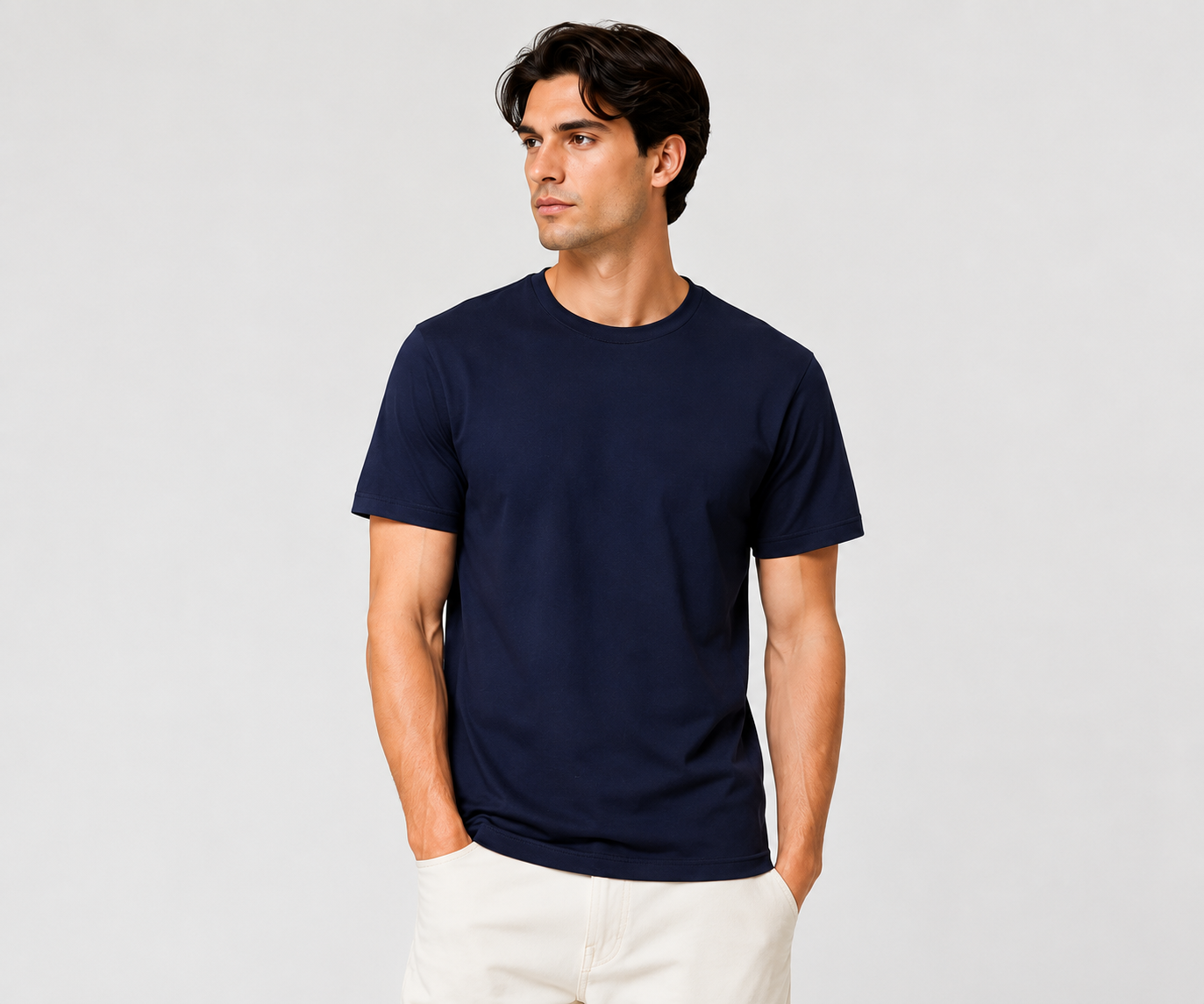
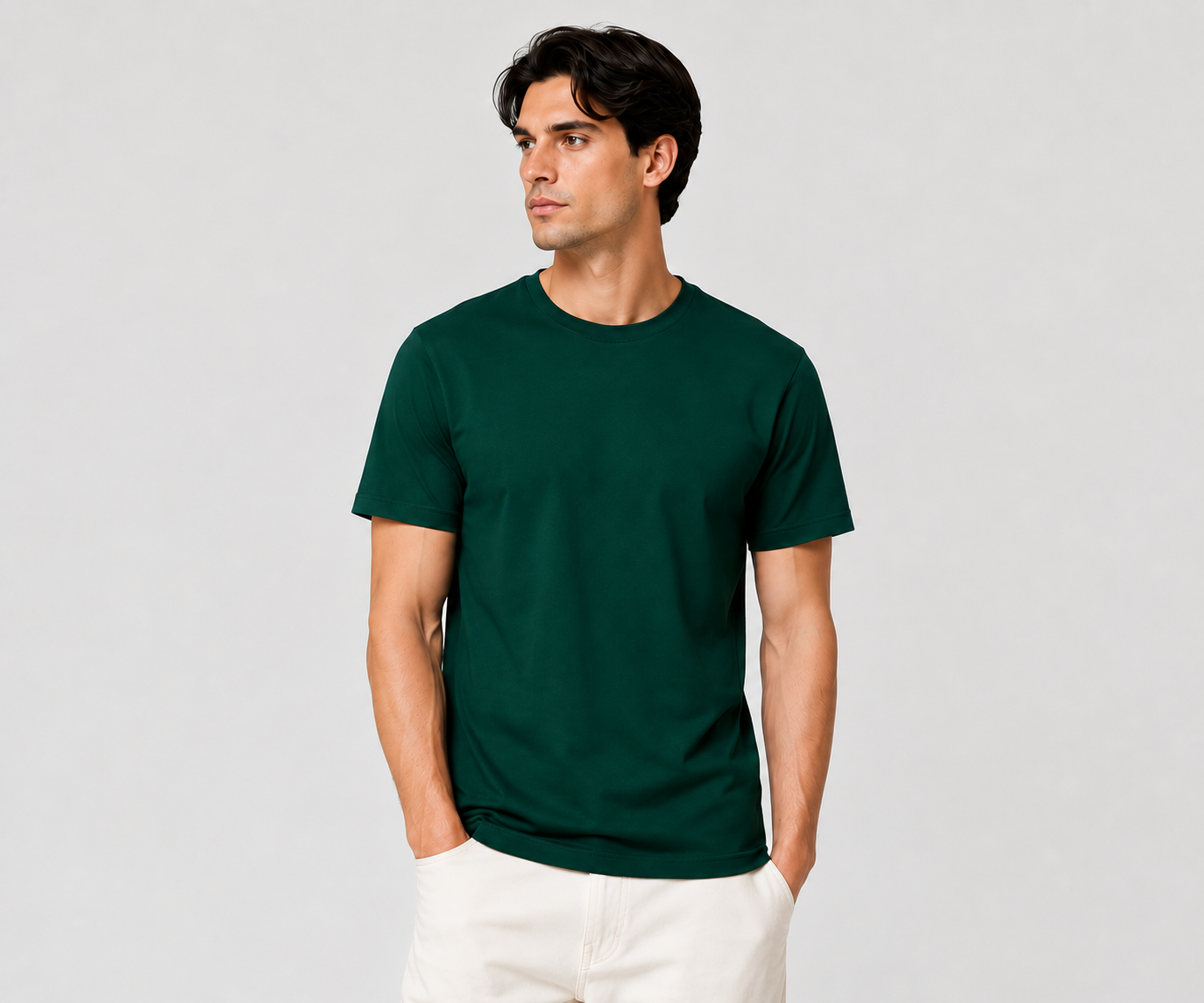
T-Shirt Printing Manufacturers: Key Specifications

Jinan Runhang Textile Co., Ltd.   —— Verified by SGS

application/t-shirt-printing-manufacturers, application/t-shirt-printing-manufacturers, 
Inquiry
Inquiry

T shirt printing manufacturers

When selecting a T-shirt printing manufacturer, understanding the specific printing specifications is crucial for businesses looking to ensure quality and brand consistency. This article will delve into the various printing methods, material advantages, installation guidance for custom T-shirt printing solutions, cost factors for wholesale sourcing, and application scenarios across different industries. Each section will equip purchasing managers, engineers, and distributors with essential insights to make informed decisions in their sourcing process.

Understanding Material Advantages in T-Shirt Manufacturing

Understanding Material Advantages in T-Shirt Manufacturing

The choice of material in T-shirt printing manufacturers is pivotal to the overall quality and performance of the final product. Common materials include cotton, polyester, and blended fabrics, each offering distinct advantages:

Cotton: Known for its softness and breathability, cotton is an excellent choice for comfort. However, it may not perform as well in moisture-wicking applications compared to synthetic materials

Polyester: This synthetic fabric is durable, moisture-wicking, and quick-drying, making it ideal for athletic wear. It holds color well and is often more resistant to shrinking and wrinkling than cotton

Blended Fabrics: Combining cotton and polyester can provide the best of both worlds—comfort and durability. This blend is often used in promotional apparel, striking a balance between cost and quality

Understanding the intended use of the T-shirts will help guide your material selection. For instance, promotional items for outdoor events might benefit from polyester, while everyday apparel may prioritize the comfort of cotton.

Installation Guidance for Custom T-Shirt Printing Solutions

Installation Guidance for Custom T-Shirt Printing Solutions

When implementing custom T-shirt printing solutions, proper installation and setup are essential for achieving optimal results. Here are key steps to consider:

Sample Approval: Before mass production, always request a sample. This allows you to assess the print quality, color accuracy, and fit of the T-shirt. Confirming dimensions and aesthetics at this stage is crucial

Equipment Compatibility: Ensure that your printing equipment is compatible with the type of fabric chosen. For example, DTG printers require pre-treatment of cotton fabrics for the best results

Artwork Preparation: Provide high-resolution artwork files to your manufacturer. Vector files are preferred, as they can be scaled without loss of quality

Quality Control: Establish quality control processes. This might include inspecting a set number of samples from each batch to ensure consistency in color and print quality

By following these guidelines, businesses can ensure that installations are smooth and the final products meet their quality standards.

Cost Factors to Consider When Sourcing T-Shirts Wholesale

Cost Factors to Consider When Sourcing T-Shirts Wholesale

Understanding the various cost factors involved in sourcing T-shirts wholesale is essential for budgeting and maximizing profitability. Key considerations include:

Material Costs: The choice of fabric will significantly impact pricing. Higher-quality materials like organic cotton may have a higher upfront cost but can justify a premium price point

Printing Method: Different printing methods come with varying costs. Screen printing generally has lower costs for bulk orders, while DTG may be more economical for smaller runs but with higher per-item costs

Minimum Order Quantity (MOQ): Many manufacturers have MOQs that can affect total costs. It’s important to align your order quantity with your budget and sales forecasts

Shipping and Handling: Consider the logistics of shipping, which can add to the overall cost. Bulk orders may reduce shipping cost factor per unit, but it’s essential to factor in storage and inventory management

By evaluating these cost factors carefully, businesses can make more informed decisions that align with their financial goals.

Application Scenarios for Custom T-Shirts in Various Industries

Custom T-shirts are versatile products used across multiple industries. Here are some common application scenarios:

Promotional Events: Companies often use custom t shirt for branding at trade shows or events. Vibrant designs with company logos can enhance visibility and boost brand recognition

Corporate Uniforms: Many businesses adopt custom tee shirts as part of their employee uniforms. This can foster a sense of unity and professionalism among staff, especially in casual work environments

Sports Teams: Custom T-shirts are popular in sports, providing teams with a unified look. Moisture-wicking fabrics are often preferred for athletic wear to enhance performance during activities

Fashion Industry: Designers leverage custom T-shirts as canvas pieces. Whether for streetwear or high fashion, unique prints and styles can set brands apart in a competitive market

Understanding these application scenarios helps businesses tailor their custom T-shirt offerings to meet specific market needs, ensuring better alignment with customer expectations and trends

Each of these insights is critical for those involved in the sourcing process for T-shirt printing manufacturers, facilitating better decision-making and ultimately leading to successful product outcomes.

Comparing T-Shirt Printing Specifications for Your Business

Choosing the right T-shirt printing specifications can significantly impact the quality and appeal of your final product. Common printing methods include screen printing, direct-to-garment (DTG) printing, and heat transfer. Each method has its unique characteristics:

Screen Printing: This traditional method is cost-effective for large runs and provides vibrant colors. However, it may not be suitable for complex designs or smaller quantities due to setup costs. Ideal for simple logos and bulk orders, screen T-shirt printing offers durability and longevity

Direct-to-Garment (DTG): DTG T-shirt printing allows for high-resolution designs and is perfect for small batches or one-off prints. The downside is that it may have a higher cost per unit compared to screen printing, and fabric compatibility can affect print quality

Heat Transfer: This technique uses heat to transfer designs from a carrier to the fabric. While it’s versatile and can handle intricate designs, the durability might be less than that of screen printing

When making your selection, consider the design complexity, order volume, and desired durability. Confirming these specifications with your manufacturer before proceeding can prevent costly mistakes.

Frequently Asked Questions

What products do your T shirt printing manufacturers make?

We produce T-shirts, polo shirts, hoodies, jackets, pants and shorts with custom printing and finishing options.
Yes. We provide integrated one-stop services from design and sampling to production, quality control and global delivery.
We offer screen printing, DTG, heat transfer and embroidery, tailored to fabric and quantity for optimal results.
Yes. We support bulk and repeat orders with scalable production, consistent quality and reliable lead times.
We use strict quality control, experienced craftsmanship and coordinated production planning to meet specifications and delivery schedules.

Get a Free Quote

Our representative will contact you soon.
0/1000