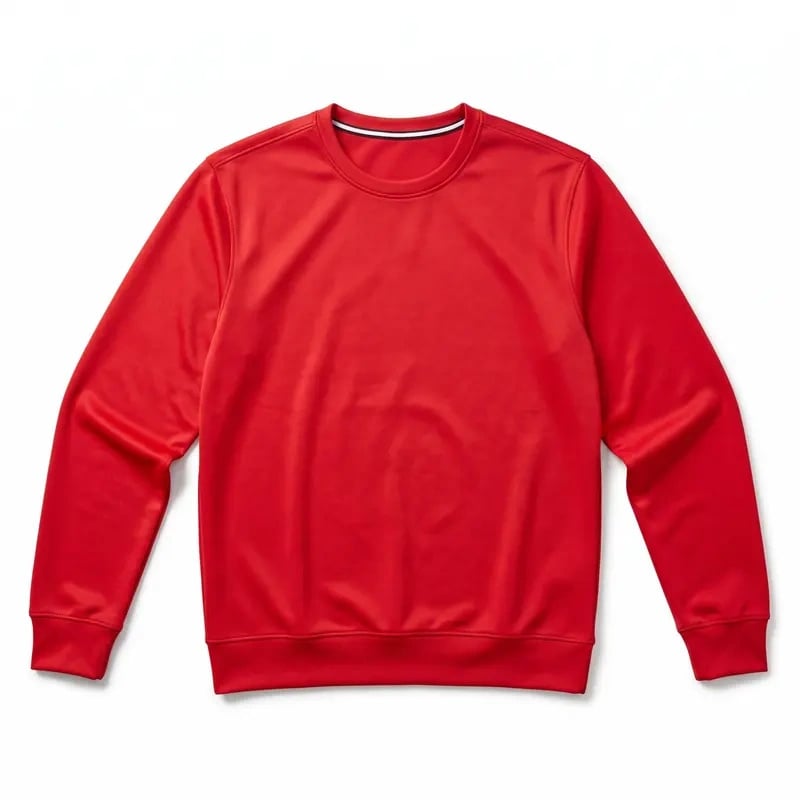
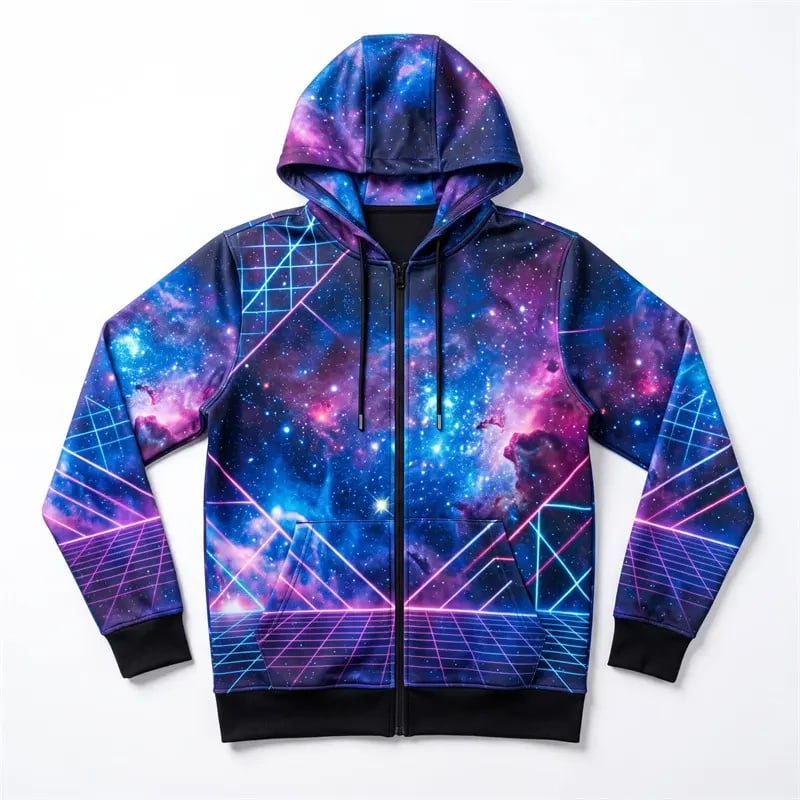
T-Shirt Printing with Sublimation: Key Insights

Jinan Runhang Textile Co., Ltd.   —— Verified by SGS

application/t-shirt-printing-with-sublimation, application/t-shirt-printing-with-sublimation, 
Inquiry
Inquiry

T shirt printing with sublimation

Sublimation printing is a popular technique for creating vibrant and durable designs on T-shirts and other apparel. For businesses looking to capitalize sublimation T-shirt printing on this method, understanding the nuances of t-shirt printing with sublimation is crucial. From material selection to production capabilities, this article will address common concerns faced by B2B buyers, such as quality control, customization options, and operational challenges. By delving into these aspects, we aim to equip purchasing managers, distributors, and product managers with the information necessary to make informed decisions.

Best Practices

Best Practices

To ensure optimal results in sublimation T-shirt printing, several best practices should be followed. First, always conduct a sample print before mass production. This allows for a quality control, adjustments in color, design placement, and material compatibility. Buyers should request samples that reflect the final product specifications to assess how the design translates onto the fabric. Additionally, maintaining a clean printing environment and using high-quality sublimation paper can significantly affect the final output. The printing equipment should be cleaned regularly to prevent ink build-up, which can lead to inconsistencies in print quality.

It is also advisable to establish strong communication with the manufacturer regarding design files. Providing vector formats and ensuring that all design elements meet the production standards can streamline the process and reduce the likelihood of errors.

Exploring Applications of Sublimation Printing in Modern Fashion

Exploring Applications of Sublimation Printing in Modern Fashion

Sublimation printing has expanded beyond simple T-shirt designs to encompass a wide range of fashion applications. This method allows for the creation of t-shirt customization, including sports jerseys, activewear, and promotional clothing, making it ideal for brands looking to differentiate themselves in a competitive market. Moreover, sublimation is gaining traction in niche markets such as eco-friendly fashion. Many manufacturers are now using recycled polyester fabrics, which can be sublimated effectively, appealing to environmentally conscious consumers. The ability to produce intricate designs without compromising fabric quality enables brands to explore creative patterns and styles that resonate with their target audience. In addition to apparel, sublimation printing is also being utilized for accessories like bags, caps, and even home textiles, allowing businesses to offer a cohesive product line.

Comparing Sublimation T-Shirt Printing to Other Printing Methods

Comparing Sublimation T-Shirt Printing to Other Printing Methods

When evaluating sublimation T-shirt printing against other methods like screen printing or direct-to-garment (DTG) printing, several factors come into play. Sublimation excels in producing vibrant, full-color designs with high durability, as the ink becomes part of the fabric rather than sitting on top. This results in prints that are resistant to fading and cracking. In contrast, screen printing is often more economical for large runs of simple designs, but it can be limited in color complexity and requires more setup time. DTG printing offers flexibility for small orders and complex designs, but it may not match the durability and vibrancy of sublimated prints, especially on polyester fabrics. Ultimately, the choice between these methods depends on the specific requirements of the project, including order size, design complexity, and desired fabric characteristics.

What Wholesale Buyers Need to Know About Sublimation Printing Techniques

For wholesale buyers considering sublimation printing, understanding the technical aspects is key to ensuring successful outcomes. First, buyers should inquire about the minimum order quantities (MOQ) from suppliers. Sublimation printing is often more cost-effective at larger volumes, so knowing the MOQ can help in planning inventory. It is also critical to discuss lead times, as sublimation printing may require longer processing times due to the complexity of the printing process and the need for heat transfer. Buyers should confirm the expected delivery timeline to align with their marketing efforts or retail launches. Moreover, understanding the customization capabilities of the manufacturer is essential. Buyers may want to know if the supplier can accommodate custom sizes, colors, or designs, and whether they have the capacity to handle seasonal spikes in demand.

Lastly, quality control processes are paramount. Buyers should ask about inspection procedures before shipping and whether they can receive samples for approval. This step ensures that the final products meet their expectations in terms of design fidelity and print quality. By addressing these key areas, wholesale buyers can confidently navigate the complexities of t-shirt printing with sublimation, leading to successful partnerships with manufacturers like Jinan Runhang Textile Co., Ltd.

Common Problems in Sublimation T-Shirt Printing and Their Solutions

One of the most common issues in sublimation T-shirt printing is color mismatch. This occurs when the final printed colors differ from the digital design. To mitigate this, businesses should invest in high-quality color management software and ensure that the printing equipment is calibrated correctly. Additionally, using the right sublimation inks that are compatible with the chosen substrates can lead to no color mismatch. Another frequent problem is the quality of the substrate. Not all fabrics are suitable for sublimation printing; polyester blends are preferred due to their ability to hold vibrant colors. Using cotton or low-polyester blends can lead to faded prints. Therefore, it's important for buyers to specify the fabric content when ordering to avoid these pitfalls. Finally, issues with heat transfer can cause distortion or uneven prints. Ensuring that heat presses are correctly set to the recommended temperature and pressure for the material being used is essential. Regular equipment maintenance and operator training on best practices can also help reduce these problems.

Frequently Asked Questions

What is sublimation T-shirt printing?

Sublimation printing transfers dye into fabric fibers using heat, producing vibrant, long-lasting full-color prints ideal for polyester or polyester-blend T-shirts.
100% polyester or high-polyester blends yield the best color saturation and washfastness. Cotton is not recommended without special coatings.
Yes. We offer integrated production and one-stop services to fulfill large-volume orders for brands and distributors with consistent quality and reliable delivery.
We provide full-color all-over prints, placement prints, sizes, labels, and packaging customization, plus design-to-delivery support for brand requirements.
Lead times depend on order size; typical production ranges from weeks to months. We enforce strict quality checks at each stage to ensure craftsmanship and supply reliability.

Get a Free Quote

Our representative will contact you soon.
0/1000