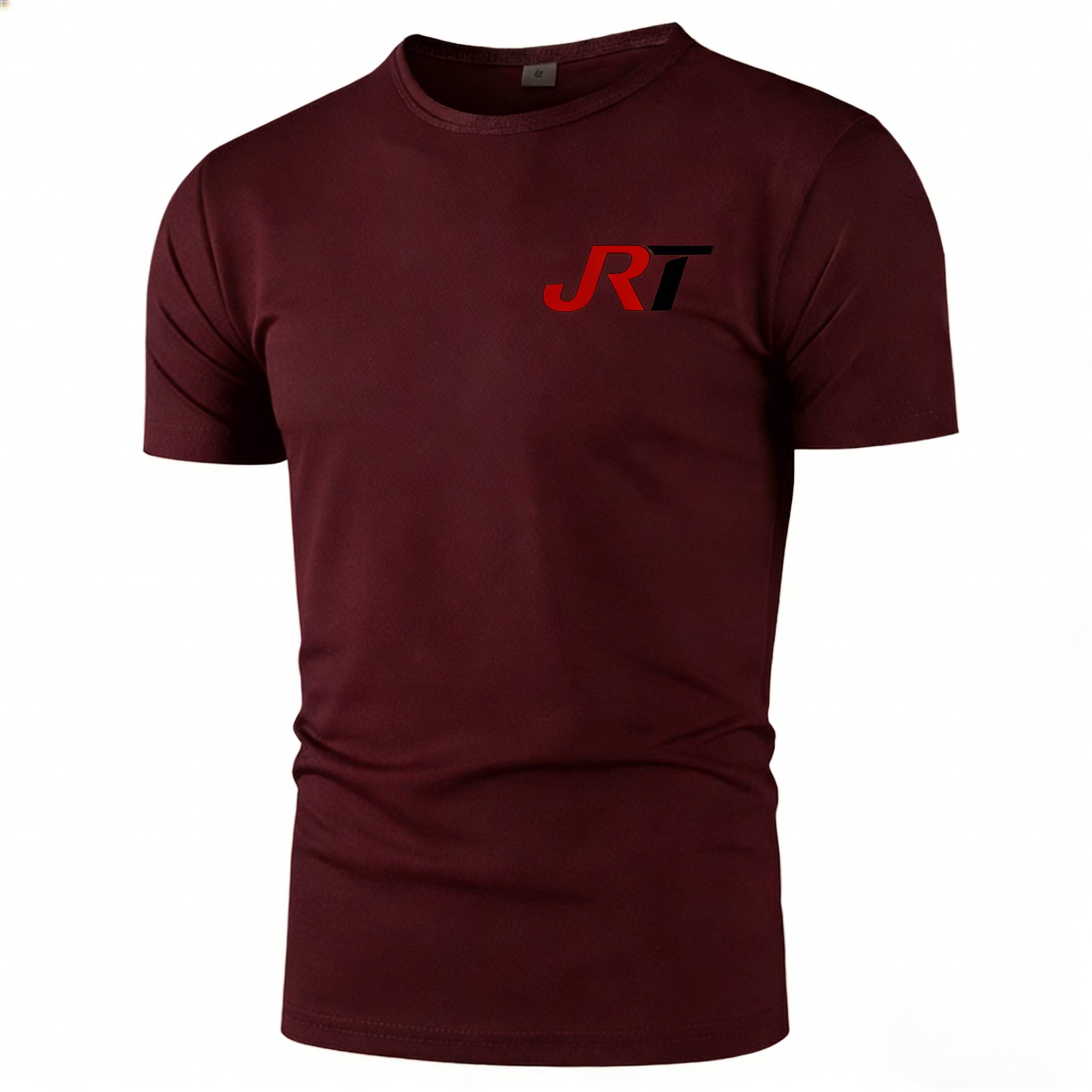
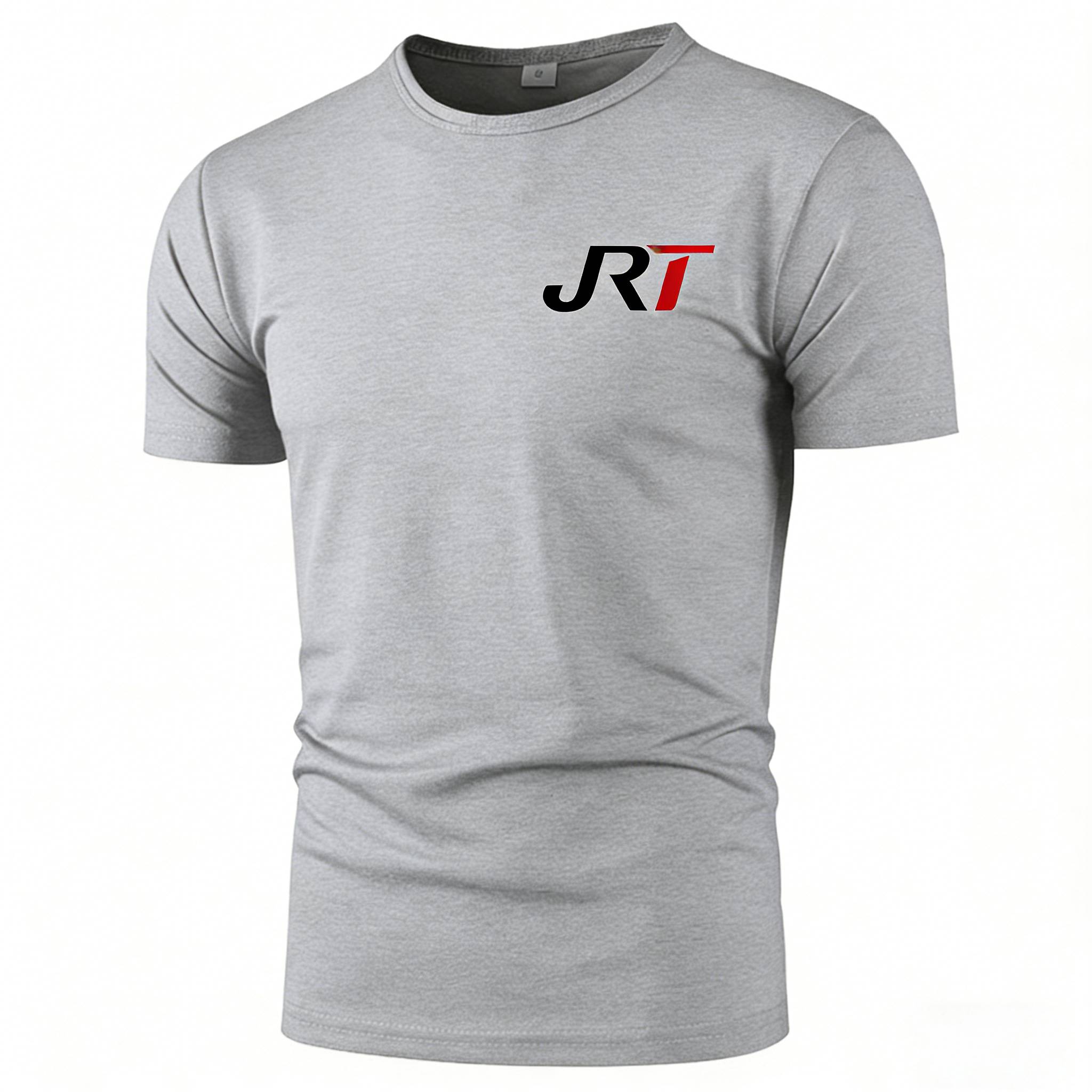
How to Choose a Reliable T-Shirt Supplier

Jinan Runhang Textile Co., Ltd.   —— Verified by SGS

application/t-shirt-supplier, application/t-shirt-supplier, 
Inquiry
Inquiry

T shirt supplier

When searching for a reliable t-shirt supplier for your business, numerous factors come into play to ensure you’re making the right choice. T-shirts are not just simple garments; they represent branding, quality, and customer satisfaction. As a purchasing manager or distributor, your main concerns likely revolve around product quality, supplier reliability, and the ability to meet your specific needs. This article will guide you through evaluating the quality of t-shirts from wholesale suppliers, finding trustworthy partners, and understanding essential materials and production processes. 

Where to Find Reliable Wholesale T-Shirt Suppliers for Your Business

Where to Find Reliable Wholesale T-Shirt Suppliers for Your Business

Finding trustworthy wholesale supplier requires a combination of research and networking. Start by exploring industry directories and trade shows, which can connect you with established manufacturers like Jinan Runhang Textile Co., Ltd. These events offer opportunities to meet suppliers face-to-face, ask questions, and view their products firsthand. Online platforms can also serve as valuable resources. Look for suppliers with positive reviews and a proven track record in the industry. Pay attention to their response times and willingness to provide detailed product information, as these factors can indicate their reliability and customer service quality. Networking within industry associations can yield recommendations for reputable suppliers. Engaging with peers in your sector can help you gather insights about their experiences, enabling you to make informed decisions.

Key Factors for Buyers

Key Factors for Buyers

When selecting a t-shirt wholesale supplier, consider these key factors:


1. Customization Capabilities: Ensure the supplier can accommodate your specific design needs, such as color variations, sizes, and branding options. Customization flexibility is crucial for catering to your target market.

2. Minimum Order Quantity (MOQ): Be aware of the supplier's MOQ, as this can impact your inventory management and cash flow. Some suppliers may offer lower MOQs, which can be beneficial for smaller businesses or new product launches.

3. Lead Time: Understand the lead time for production and shipping. This is particularly important if you have tight deadlines for events or marketing campaigns. Confirming timelines upfront can help you manage expectations and plan accordingly.

4. Quality Control Processes: Inquire about the manufacturer’s quality control measures. A reliable supplier should have stringent processes in place to ensure that every batch meets your quality standards.

5. Pricing Structure: Obtain detailed pricing information, including any additional costs for customization, shipping, or bulk discounts. Understanding the complete cost structure will help in budgeting and maximizing profit margins.

Applications of T-Shirts in Various Industries and Markets Today

Applications of T-Shirts in Various Industries and Markets Today

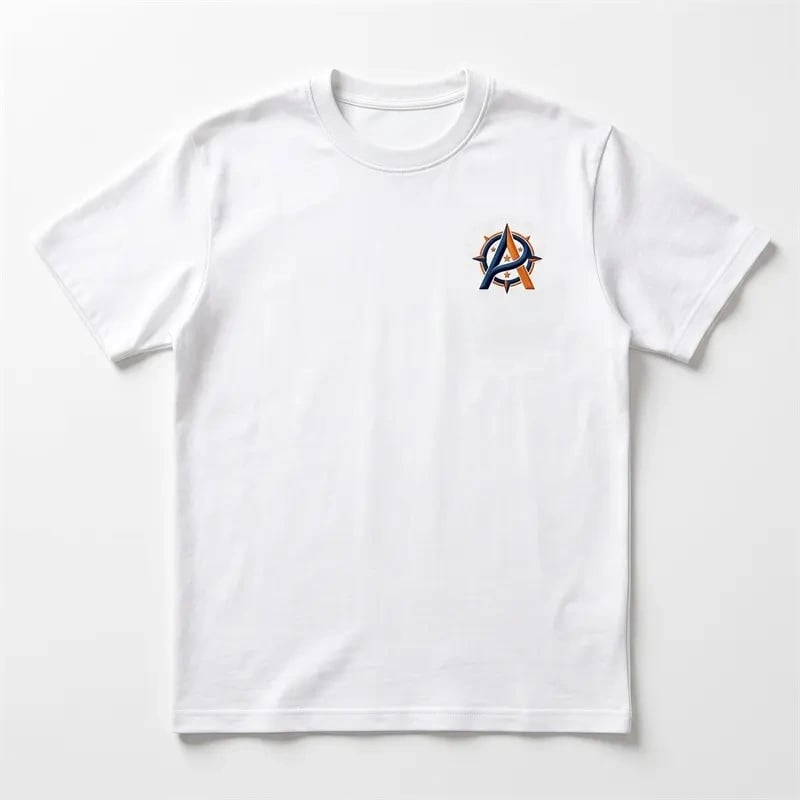
T-shirts are versatile garments that cater to a wide range of industries and markets. In the fashion industry, they serve as essential wardrobe staples, often used for branding and promotional purposes. Custom-designed t-shirts with logos or slogans can enhance brand recognition during events, trade shows, or marketing campaigns. In the corporate sector, t-shirts are becoming increasingly popular for team-building events, employee uniforms, and promotional  giveaways. They offer a cost-effective way to promote company culture and foster unity among employees. The athletic and fitness sectors utilize t-shirts for team sports, workout gear, and merchandise. Materials that provide moisture-wicking properties and comfortable fits are particularly valuable in this market. Additionally, t-shirt suppliers are prominent in the education sector, often used for school events, clubs, and fundraisers. Custom designs can help build school spirit and foster a sense of community among students and faculty.

Essential Materials Used in T-Shirt Manufacturing

The choice of materials used in t-shirt manufacturing is critical, significantly affecting the garment's performance, comfort, and durability. Common materials include:


1. Cotton: Known for its softness and breathability, cotton is a popular choice for casual wear. It is absorbent and suitable for screen printing but can shrink if not pre-treated properly.

2. Polyester: This synthetic material is durable and resistant to wrinkles and shrinking. It is commonly used in athletic t-shirts due to its moisture-wicking properties, allowing for better performance during physical activities.

3. Cotton-Polyester Blends: These blends aim to combine the best of both worlds, offering softness from cotton while retaining the durability and moisture management of polyester.

4. Bamboo: An eco-friendly alternative, bamboo fabric is naturally antibacterial and moisture-wicking, making it a sustainable choice for consumers who prioritize environmentally friendly options.

When selecting materials, consider the intended application of the . For example, if the t-shirts are meant for outdoor events, fabrics with UV protection may be beneficial.

Understanding these material characteristics will help buyers choose the right t-shirts for their specific purposes, ensuring customer satisfaction and repeat business.

How to Evaluate the Quality of T-Shirts from Wholesale Suppliers

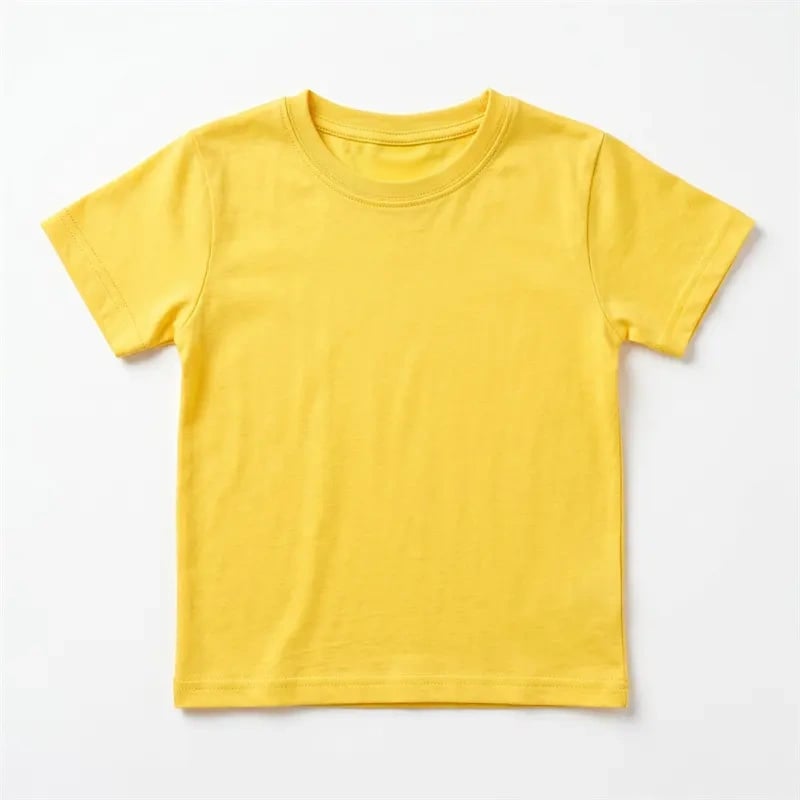
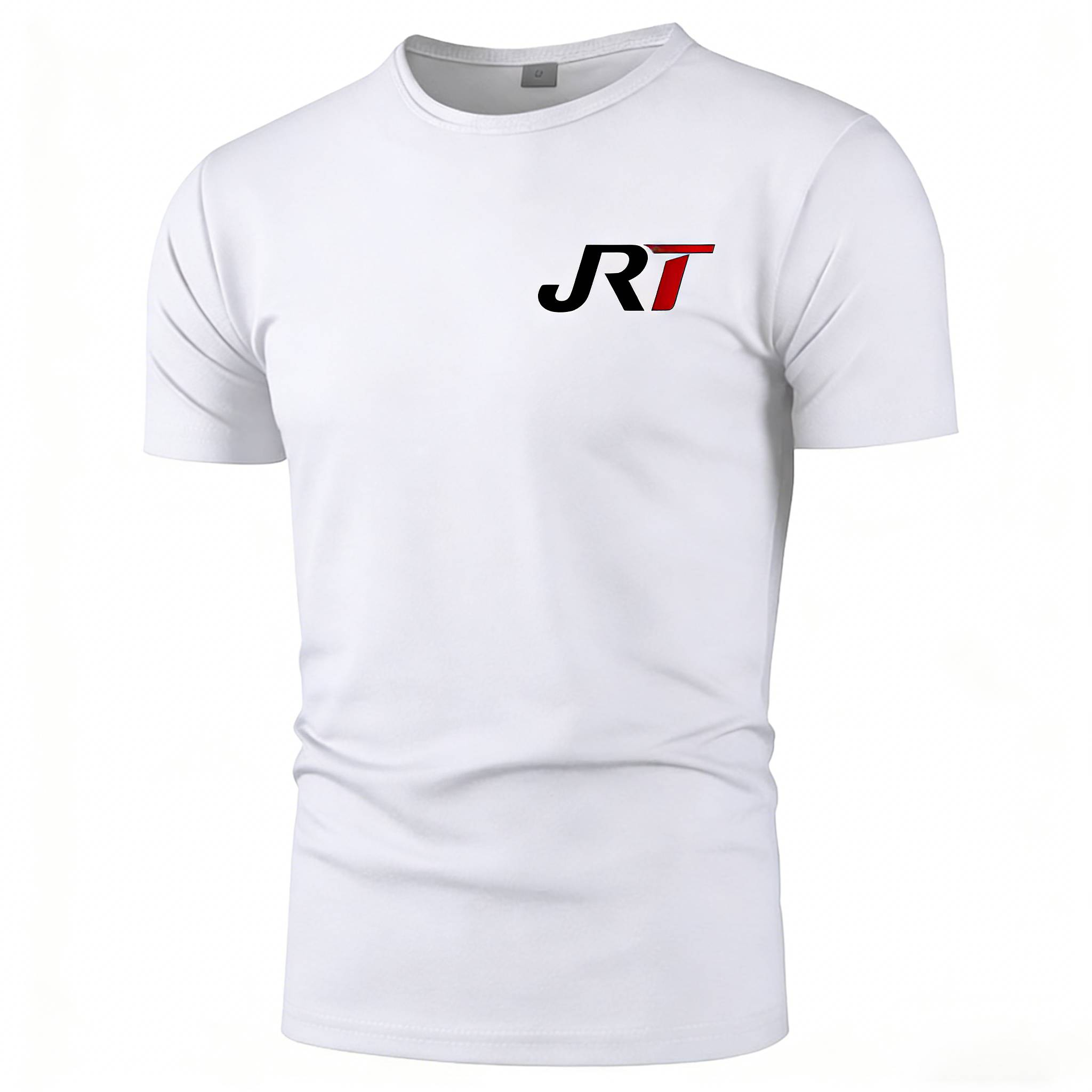
Evaluating the quality of t-shirts  from t-shirt wholesale suppliers involves assessing several key attributes. Start by examining the fabric composition. Materials such as cotton, polyester, or blends can significantly impact the t-shirt's feel, durability, and suitability for different applications. For instance, 100% cotton is highly breathable and comfortable, ideal for casual wear, whereas polyester blends may offer better moisture-wicking properties, making them suitable for athletic wear. Next, consider the stitching quality. Check for even seams and secure hems, as these factors determine the t-shirt's longevity. A well-constructed t-shirt should withstand multiple washes without fraying or losing shape. Additionally, inspect the quality of t-shirts, weight of the fabric; heavier weights generally indicate higher quality and durability, while lighter fabrics might be more affordable but could sacrifice lifespan. Finally, request samples before committing to a large order. This allows you to evaluate not only the physical attributes but also the fit and overall appearance of the t-shirts. Confirming these details upfront can help avoid common production problems later on.

Frequently Asked Questions

What products do you manufacture besides T-shirts?

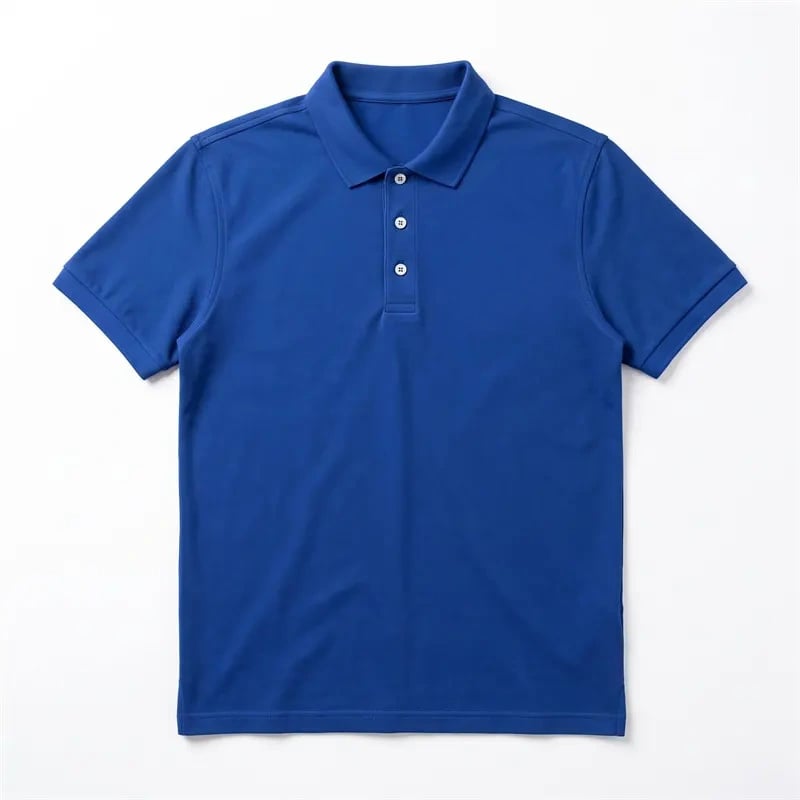
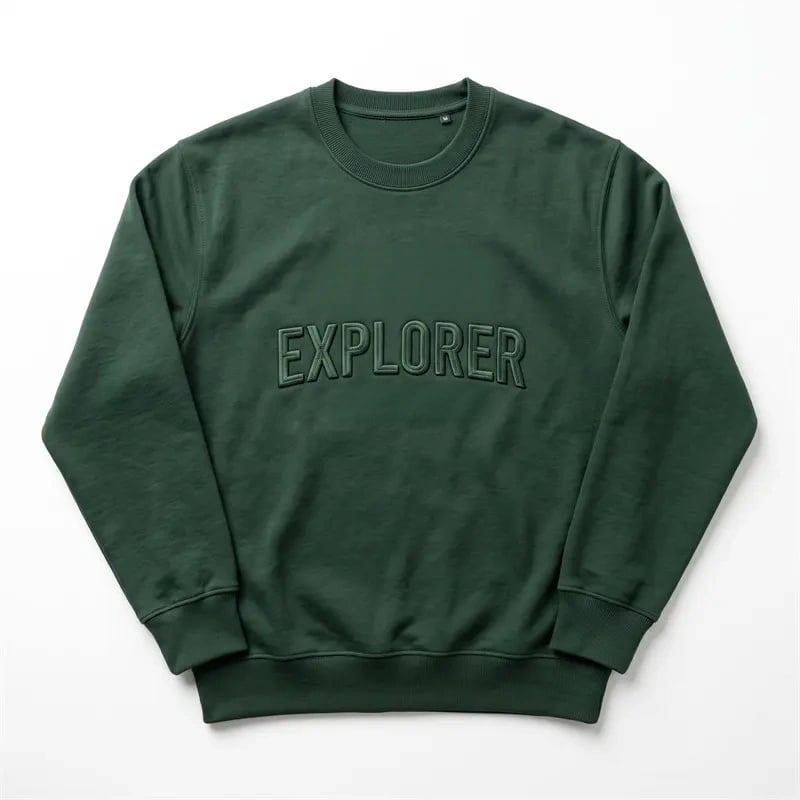
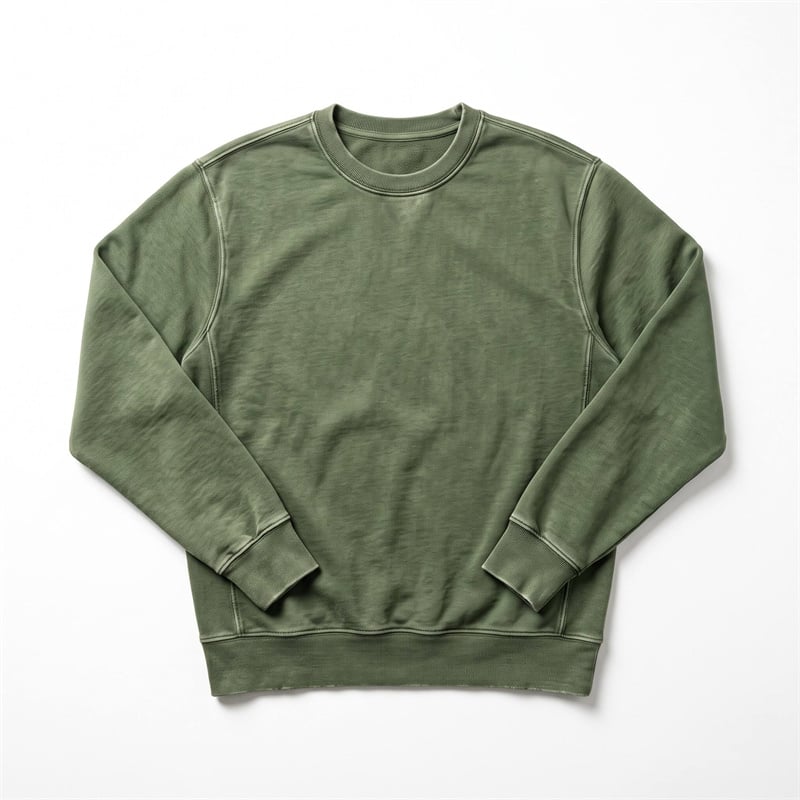
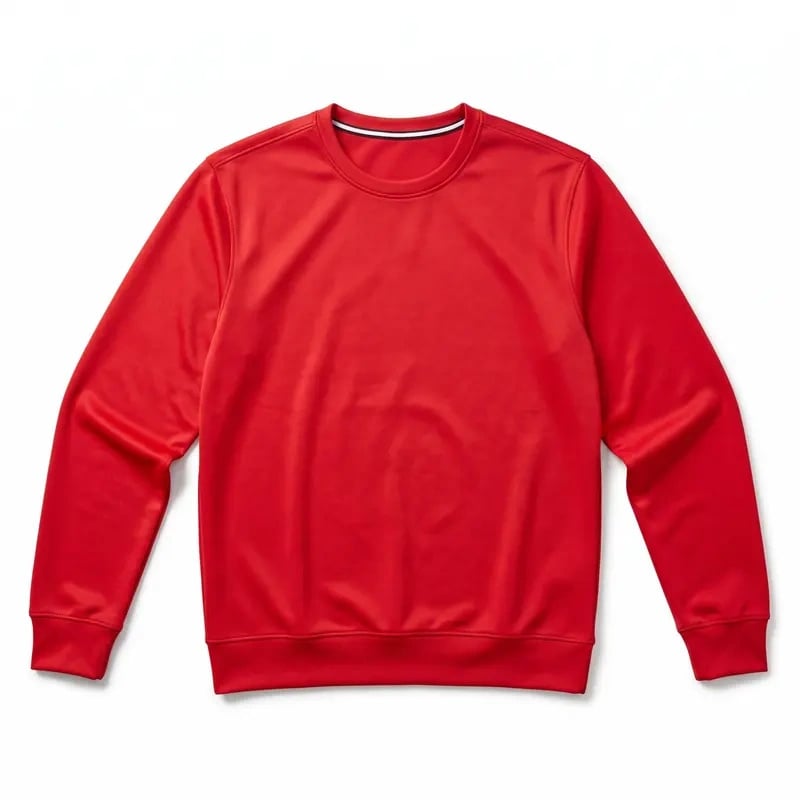
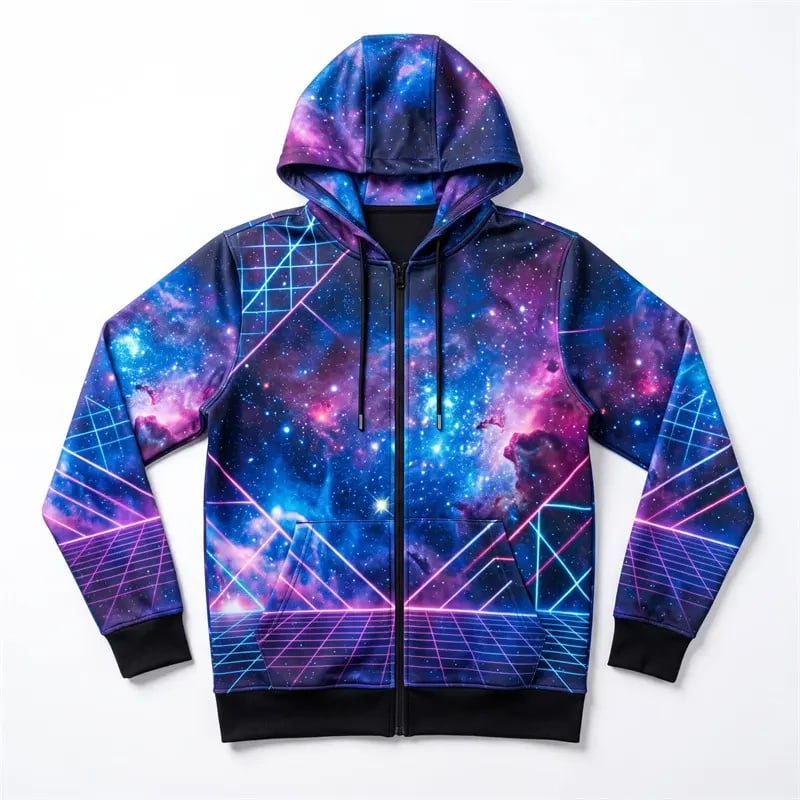
We produce T-shirts, polo shirts, hoodies, jackets, pants, and shorts with integrated design-to-delivery services.
Yes. We provide one-stop design, customization, and private label services to match brand specifications and packaging needs.
MOQ varies by style and customization. Contact us with your design, fabric, and quantity requirements for a precise MOQ and quote.
Yes. We operate integrated production lines to ensure consistent quality and reliable supply for global brands and distributors.
We apply factory-grade inspections at each production stage, including material checks, in-line monitoring, and final quality inspection before shipment.

Get a Free Quote

Our representative will contact you soon.
0/1000