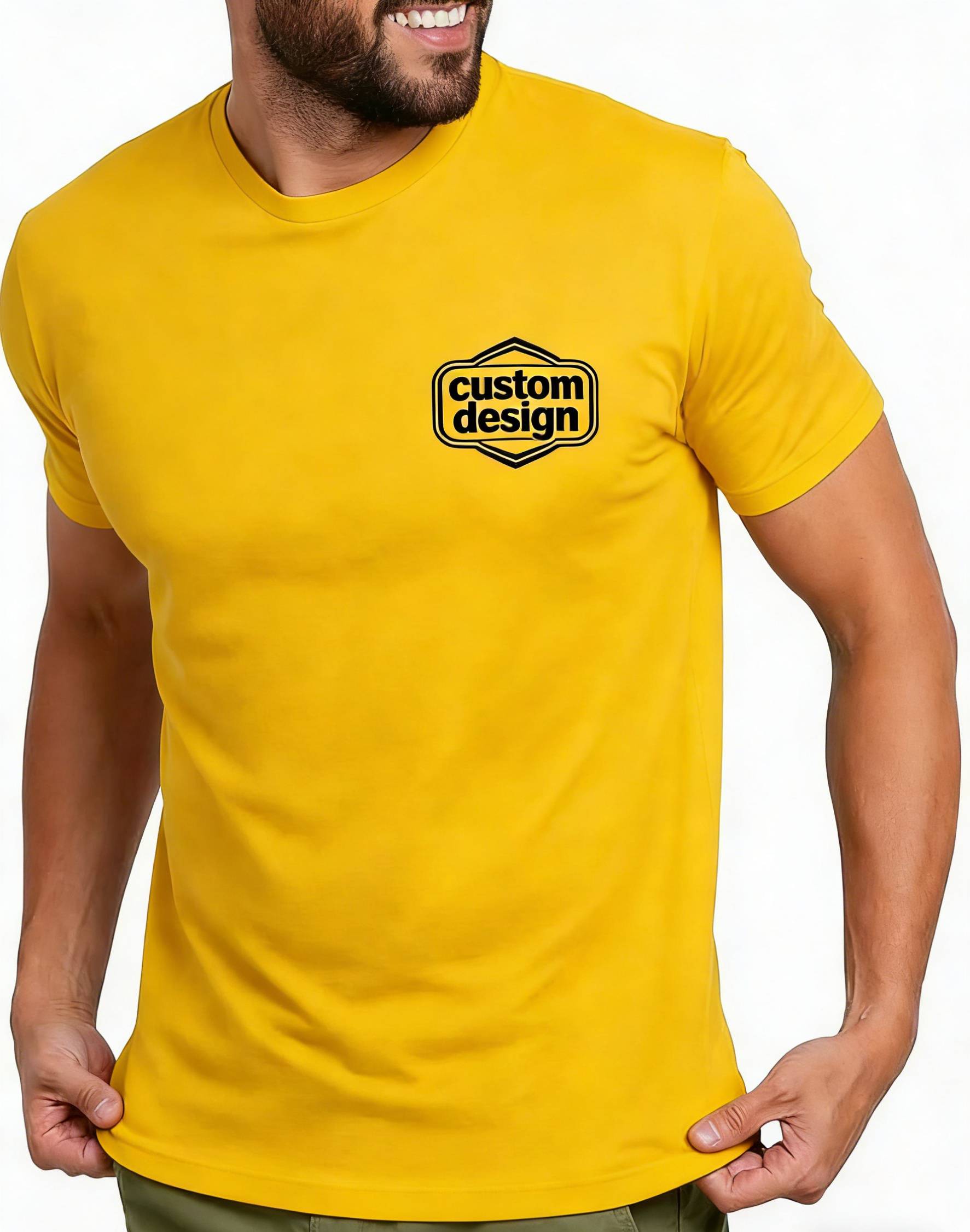
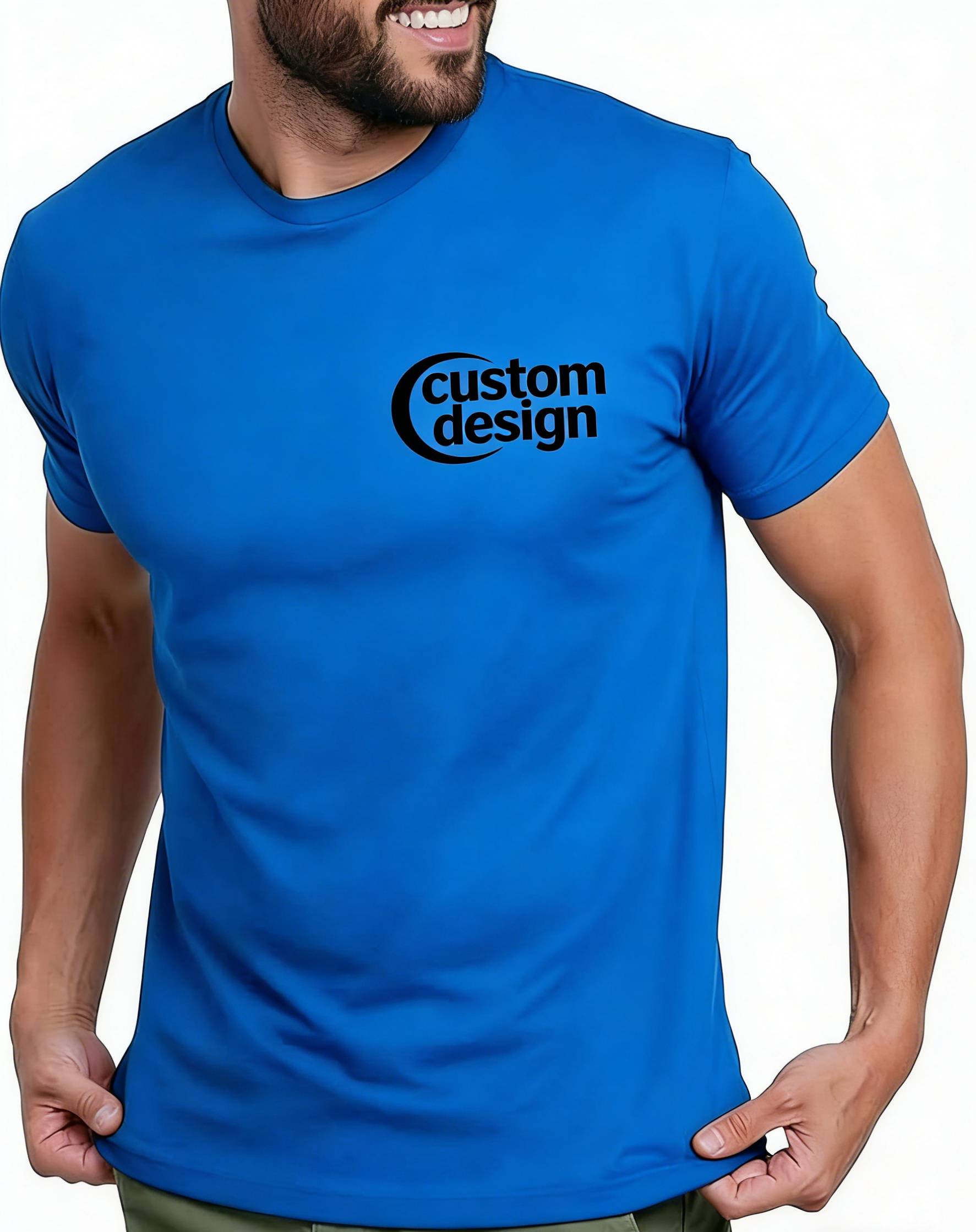
Key Considerations When Choosing a T-Shirt Manufacturer

Jinan Runhang Textile Co., Ltd.   —— Verified by SGS

application/tshirt-manufacturer, application/tshirt-manufacturer, 
Inquiry
Inquiry

Tshirt manufacturer

When sourcing T-shirts for your business, understanding the nuances of working with a t-shirt manufacturer is crucial. T-shirts are a staple in the apparel industry and can vary widely in quality, design, and price. Buyers often face concerns regarding material selection, production timelines, and quality control. This article will guide you through essential specifications, common sourcing challenges, cost factors, the importance of quality control, and what to expect regarding production timelines.

Common Problems in T-Shirt Sourcing and Effective Solutions

Common Problems in T-Shirt Sourcing and Effective Solutions

Sourcing T-shirts can come with various sourcing challenges that buyers should be prepared to address:

Quality Consistency: One of the most common issues is inconsistent quality between different production batches. It is crucial to request samples before placing a bulk order. Inspect samples for a quality control, fabric quality, stitching, and finishing details to ensure they meet your standards.

Lead Time Delays: Production timelines can often extend beyond initial estimates due to material shortages or manufacturing issues. To mitigate this risk, establish clear timelines with your manufacturer and consider implementing a buffer period in your supply chain planning.

Miscommunication: Language barriers or cultural differences can lead to misunderstandings regarding design specifications or production requirements. To avoid this, provide clear technical drawings and written specifications, and set regular check-in points during production.

Inventory Management: Overestimating demand can lead to excess stock, while underestimating can result in missed sales opportunities. Collaborate with your manufacturer to assess their minimum order quantities (MOQ) and production capabilities to align with your inventory strategy.

Cost Factors to Consider When Purchasing T-Shirts Wholesale

Cost Factors to Consider When Purchasing T-Shirts Wholesale

Understanding the cost factors involved in purchasing T-shirts wholesale is essential for budgeting. Here are a few key elements to consider:

Material Costs: The choice of fabric will significantly impact the price. Organic or specialty fabrics typically incur higher costs than standard cotton or polyester.

Customization Fees: Customization can add to the overall cost. Factor in any additional fees for printing, embroidery, or unique design implementations.

Order Volume: Manufacturers often provide tiered pricing based on order volume. Higher quantities may reduce the per-unit price, so consider your sales forecasts when placing orders.

Shipping and Handling: Shipping costs can vary depending on the destination and order size. When negotiating, clarify who will cover these costs and how they will be calculated.

Payment Terms: Discuss payment terms upfront. Some manufacturers may require a deposit, while others might offer more flexible payment options.

The Importance of Quality Control in T-Shirt Manufacturing

The Importance of Quality Control in T-Shirt Manufacturing

Quality control is a critical aspect of t-shirt manufacturing that can significantly affect your brand reputation. Here’s why it matters:

Defect Prevention: Implementing a robust quality control process helps identify defects before products reach the market. This can include inspections at various production stages raw materials, in-process, and final checks.

Brand Integrity: Consistent quality reinforces your brand image. Subpar products can lead to customer dissatisfaction and damage your reputation. Establish quality benchmarks that align with your brand standards.

Compliance with Standards: Ensuring that the manufacturer adheres to industry standards and certifications can protect your business from liability. It also assures customers of the product’s safety and ethical sourcing.

Feedback Loop: Create a feedback mechanism with your manufacturer. Regular communication about quality issues can foster a collaborative approach to resolving problems and improving production processes.

What You Need to Know About T-Shirt Production Timelines

Understanding production timelines is essential for effective planning. Here's what to consider:

Pre-Production Time: This phase includes design finalization, material sourcing, and sampling. Depending on the complexity of your design and materials, this could take several weeks.

Production Timeline: Once production begins, timelines can vary based on order size and manufacturer capacity. Smaller orders may be completed more quickly, while larger orders could require extended lead times.

Shipping and Delivery: After production, consider the time required for shipping. International orders may take longer due to customs clearance, so factor this into your overall timeline.

Flexibility: Maintain flexibility in your plans. Unexpected delays can occur, so having contingency plans and alternative suppliers can help mitigate potential disruptions.

In summary, working with a t-shirt manufacturer involves careful consideration of specifications, challenges in sourcing, cost factors, quality control, and production timelines. By addressing these areas, you can make informed purchasing decisions that align with your business goals.

Key Specifications for Buyers

When evaluating a t-shirt manufacturer, several key specifications should influence your purchasing decision.

Material Composition: Look for T-shirts made from quality fabrics such as cotton, polyester, or blends. Cotton offers breathability and comfort, while polyester enhances durability and moisture-wicking properties. The choice of material will affect the shirt’s feel, durability, and suitability for various applications.

Weight and Thickness: The weight of the fabric is typically measured in grams per square meter (GSM). A higher GSM indicates a thicker and more durable T-shirt, while a lower GSM might be more suitable for lighter, summer wear. Consider your target market's preferences when selecting the appropriate weight.

Fit and Size Range: Ensure that the manufacturer provides a variety of fits (e.g., slim, regular, oversized) and a comprehensive size range to cater to different customer demographics. This is vital for expanding your market reach.

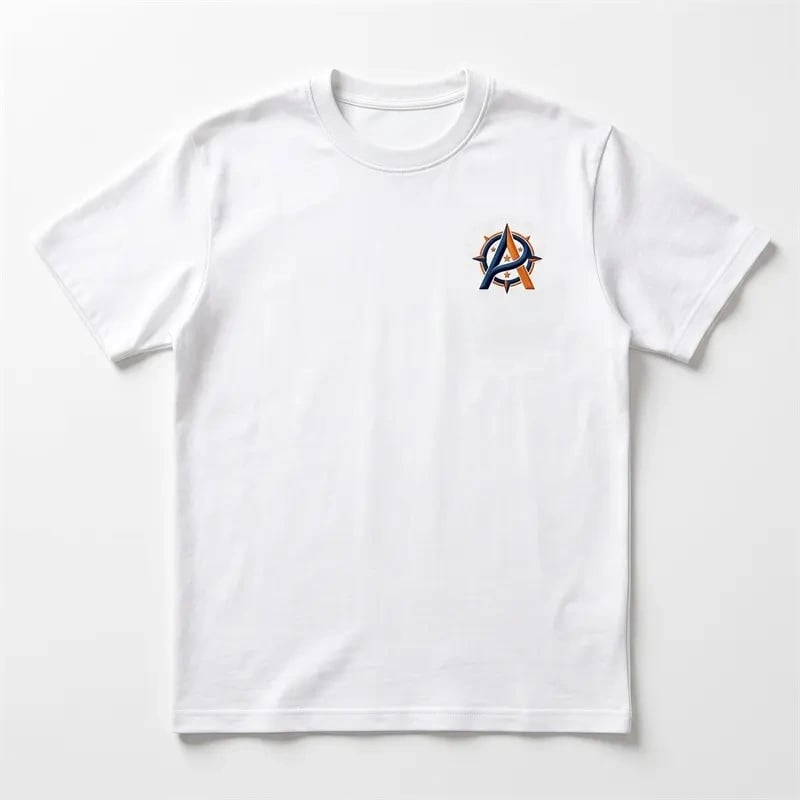
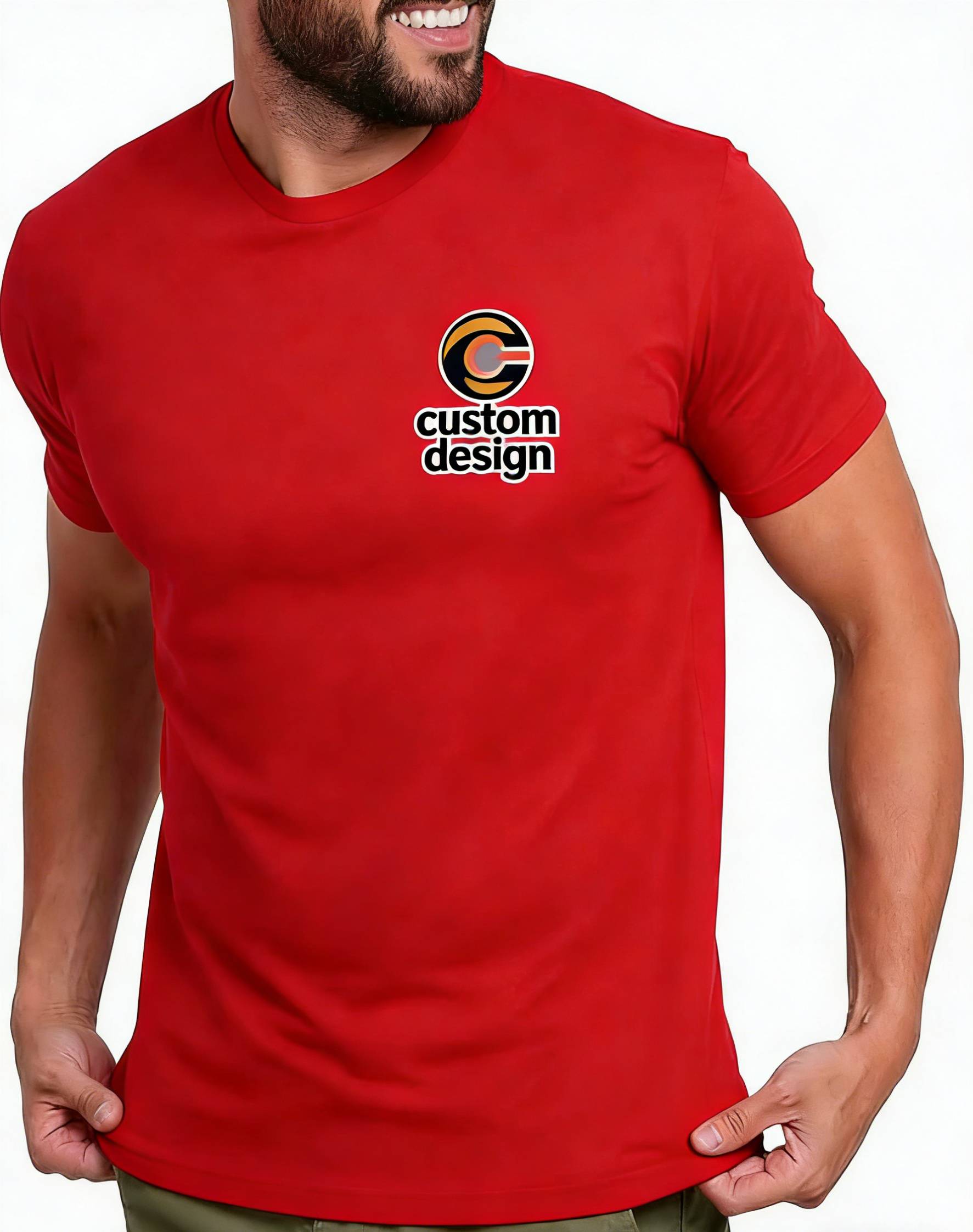
Customization Options: Many manufacturers offer customization options such as screen printing, embroidery, or heat transfers. Discuss these capabilities upfront to ensure they align with your branding needs.

Quality Certifications: Verify if the manufacturer has relevant certifications such as OEKO-TEX or GOTS for organic fabrics, which can enhance your product's credibility in the market.

Frequently Asked Questions

What products does your company manufacture?

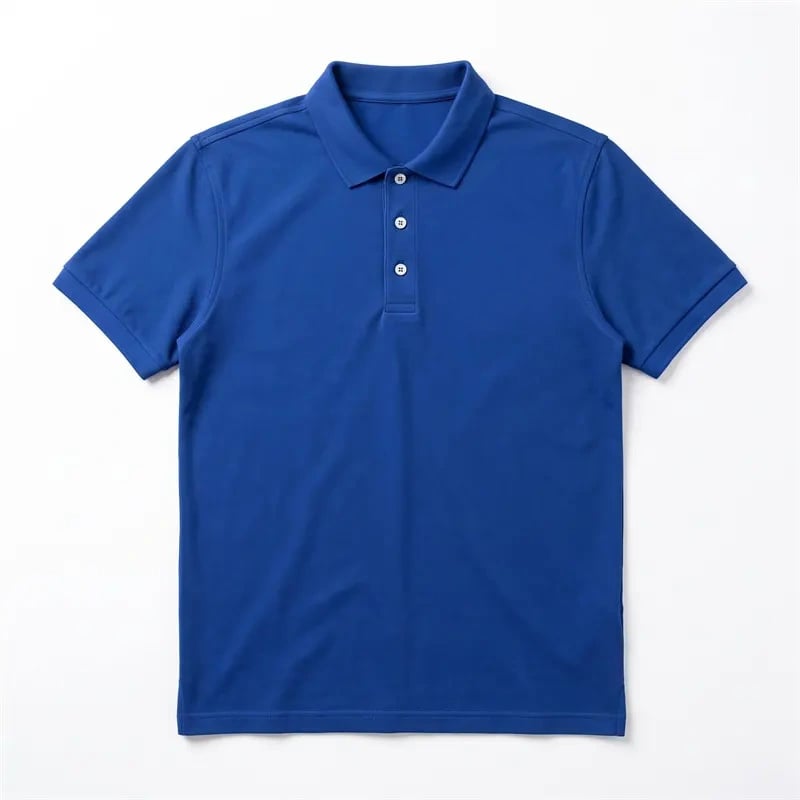
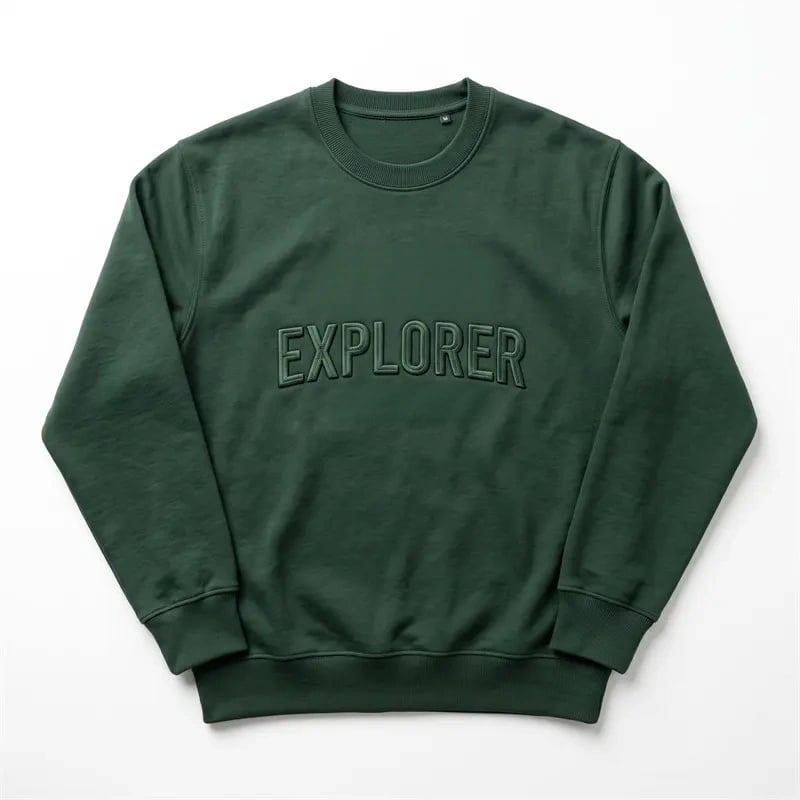
We produce T-shirts, polo shirts, hoodies, jackets, pants, and shorts with full in-house production.
Yes. We provide one-stop services from design, sampling, production to global delivery.
Yes. We serve global brands and distributors with scalable production and reliable supply.
We emphasize quality craftsmanship, strict quality control, and consistent inspections throughout production.
Contact our sales team with product details, quantities, fabrics and delivery location; we will provide a quote and sample timeline.

Get a Free Quote

Our representative will contact you soon.
0/1000