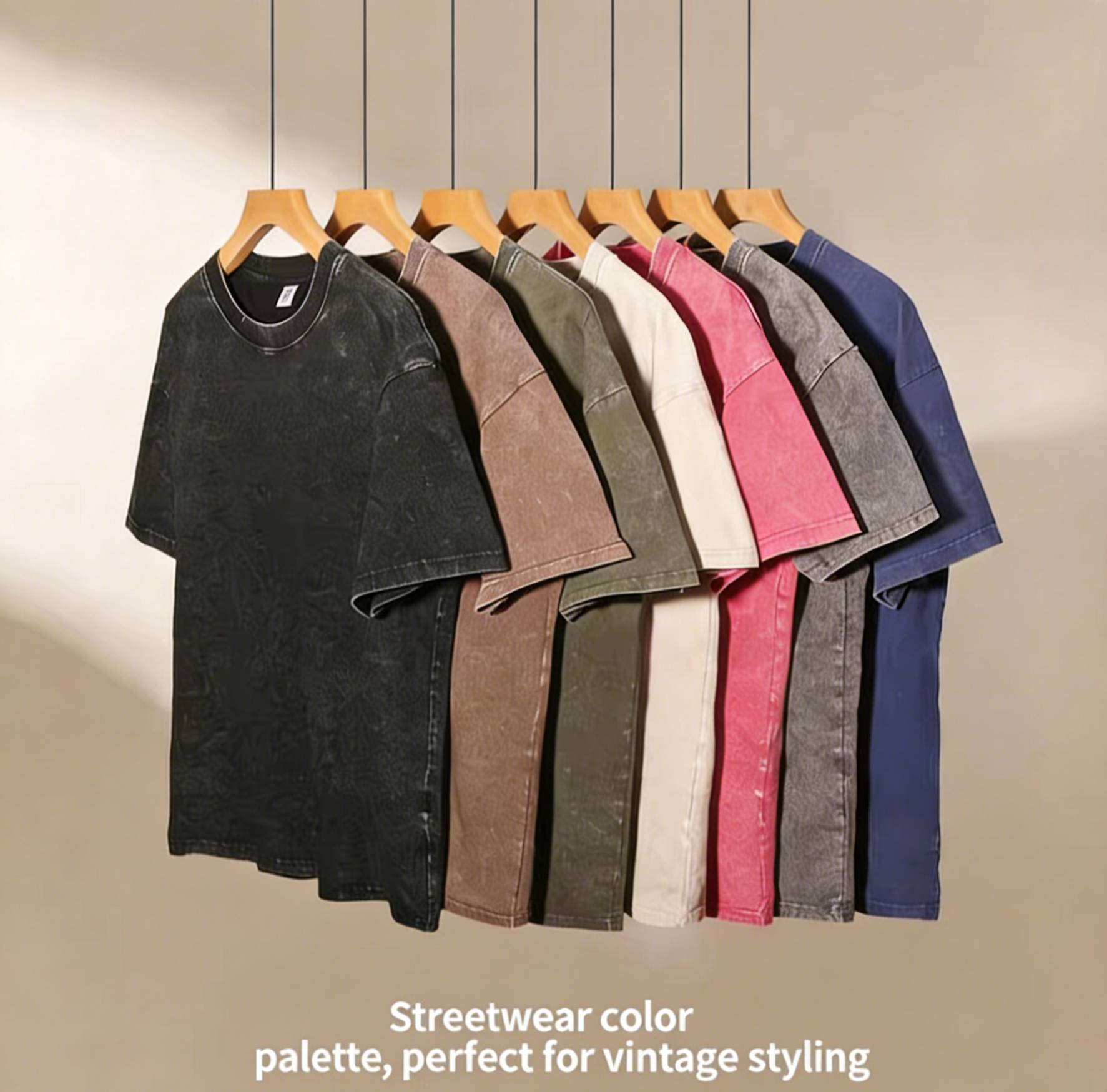
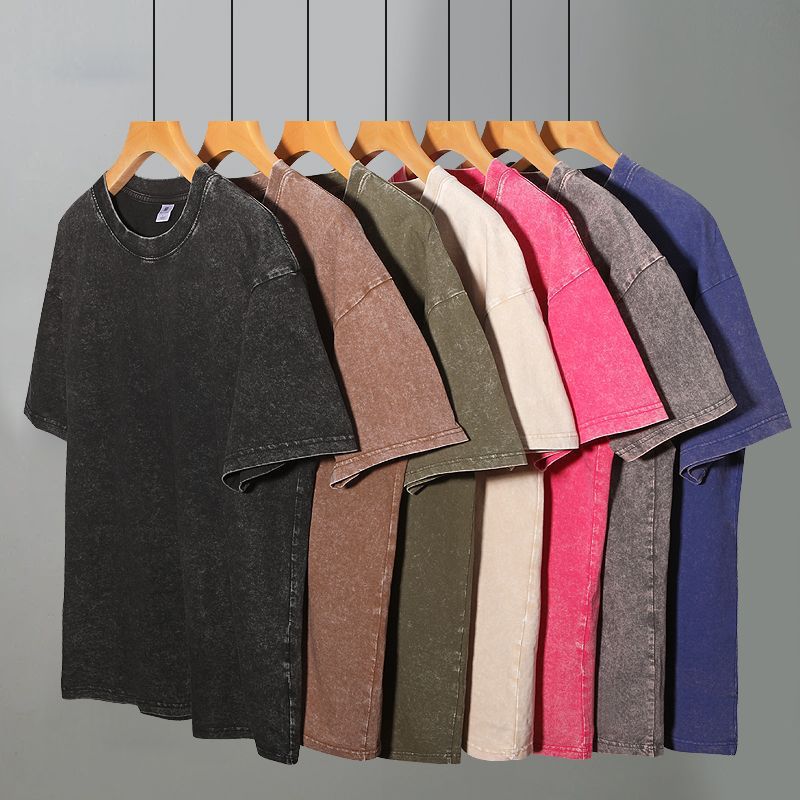
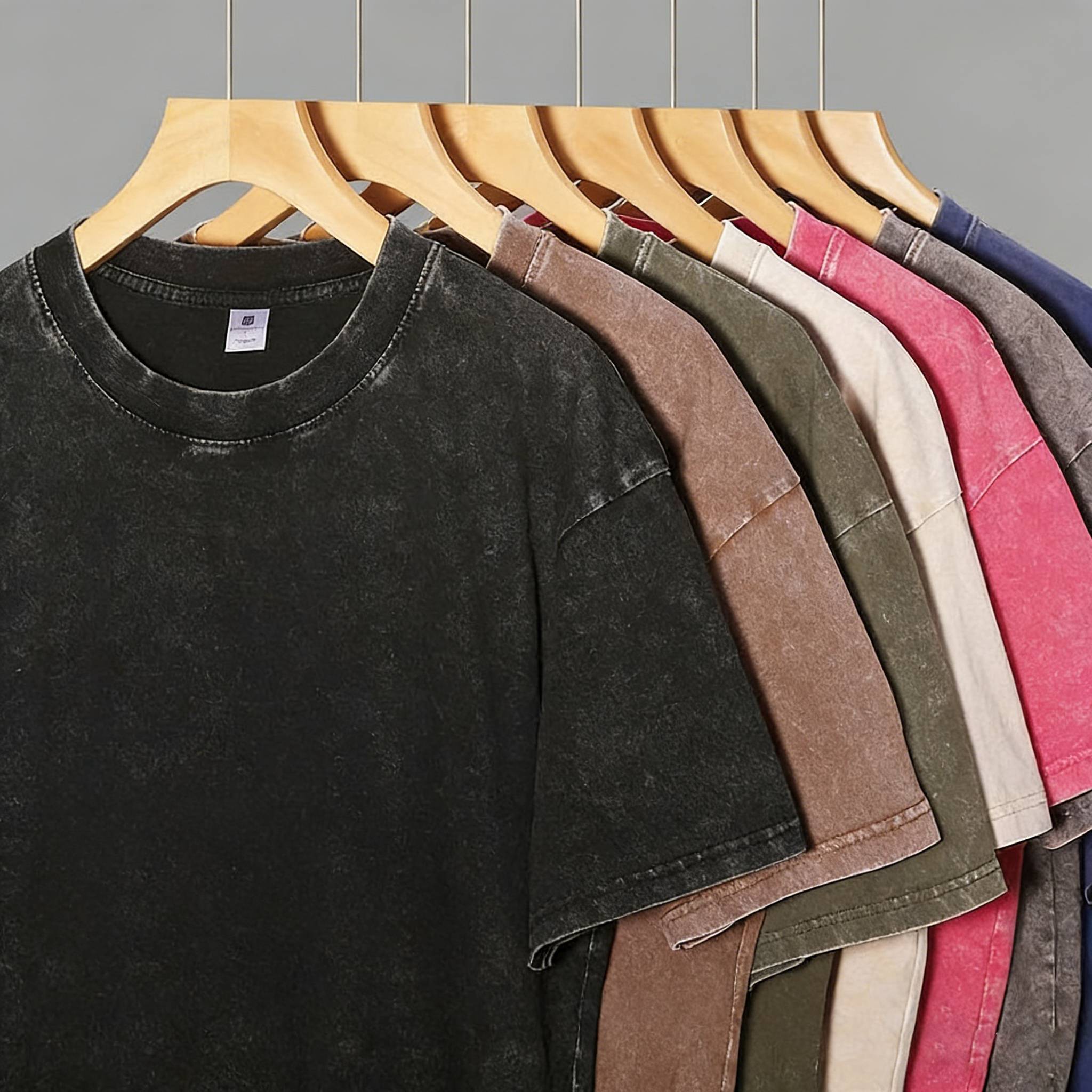
Key Specifications for Vintage Graphic Tee Shirts

Jinan Runhang Textile Co., Ltd.   —— Verified by SGS

application/vintage-graphic-tee-shirts, application/vintage-graphic-tee-shirts, 
Inquiry
Inquiry

Vintage graphic tee shirts

Vintage graphic tee shirts have become a staple in casual and fashion-forward wardrobes alike. For B2B buyers, such as purchasing managers and distributors, sourcing vintage graphic tee shirts in bulk requires careful consideration of various factors, including quality, material, and supplier reliability. This article will guide you through key specifications, applications for vintage graphic tee shirts, supplier comparisons, material advantages, and best practices for displaying vintage graphic tee shirts, ensuring you make informed purchasing decisions.

Best Applications for Vintage Graphic Tee Shirts in Your Inventory

Best Applications for Vintage Graphic Tee Shirts in Your Inventory

Vintage graphic tee shirts are versatile and can cater to various markets and applications. Common applications include:

Retail Clothing Stores: Offering vintage tees can attract customers looking for unique, trendy options. They can be featured prominently in your store or online shop, appealing to younger demographics.

Promotional Merchandise: Businesses often use vintage graphic tees as promotional items or event merchandise. They can help create brand awareness while providing a stylish product that consumers will wear.

Custom Events: Vintage tees can be customized for events such as music festivals, charity runs, or corporate gatherings, making them a popular choice for event organizers.

Online Marketplaces: E-commerce platforms allow you to reach a broader audience. Vintage tees can be marketed effectively through social media, leveraging their trending appeal.

How to Compare Different Vintage Graphic Tee Shirt Suppliers Effectively

How to Compare Different Vintage Graphic Tee Shirt Suppliers Effectively

Selecting the right supplier for vintage graphic tee shirts involves evaluating multiple facets of their operations. Consider these factors in your comparison:

Quality Assurance Processes: Inquire about the supplier's quality control measures. A reputable supplier will have systems in place for inspecting materials, finished products, and ensuring consistency across orders.

Production Capabilities: Assess the supplier's capacity to handle large orders and their lead times. Understanding their vintage graphic t shirts production capabilities is crucial to meet your timeline and demand.

Customization Options: Evaluate how flexible the supplier is regarding custom designs and sizes. A supplier that can accommodate your branding needs will be more valuable.

Customer Service and Support: Reliable communication and support can greatly influence your purchasing experience. Choose a supplier known for their responsiveness and willingness to assist with inquiries.

Previous Client References: Ask for references or case studies from past clients. This can provide insight into their reliability and product quality.

Understanding Material Advantages in Vintage Graphic Tee Shirt Production

Understanding Material Advantages in Vintage Graphic Tee Shirt Production

The choice of material plays a vital role in the performance and appeal of vintage graphic tee shirts. Here are some common materials and their advantages:

Cotton: Known for its breathability and softness, cotton is the most popular choice for vintage tees. It offers comfort and is suitable for everyday wear. Look for 100% ringspun cotton for a softer feel.

Cotton-Polyester Blends: These blends combine the best of both worlds. They provide durability, wrinkle resistance, and moisture-wicking properties, making them ideal for active wear or hotter climates.

Organic Cotton: If your brand focuses on sustainability, consider sourcing tees made from organic cotton. They are grown without harmful pesticides and chemicals, appealing to eco-conscious consumers.

Tri-Blend Fabrics: A mix of cotton, polyester, and rayon offers a unique feel with added stretch and durability. This cotton graphic tees material tends to drape well and is often favored for a more fitted look.

Understanding these material properties will help you select the right fabric based on your target audience's preferences and the intended use of the shirts.

Guidelines for Installing and Displaying Vintage Graphic Tee Shirts in Retail

Effective display and installation of vintage graphic tee shirts in retail environments can significantly impact sales. Here are guidelines to enhance visibility and appeal:

Create Attractive Displays: Use mannequins, racks, or hanging displays to showcase the shirts effectively. Grouping them by color, size, or theme can make it easier for customers to browse.

Incorporate Signage: Use clear, engaging signage that highlights the unique features of your vintage tees, such as their quality, origin, or design story. This contextual information can influence purchasing decisions.

Seasonal Promotions: Align your display with seasonal trends or events. Highlighting vintage tees around holidays or local events can attract attention and drive sales.

Customer Interaction: Encourage customers to touch and feel the fabric. If possible, provide fitting rooms for customers to try on the shirts, as this can increase the likelihood of purchase.

Online Display: For e-commerce platforms, ensure high-quality images and detailed descriptions are available. Customers should see the design, fabric texture, and fit through visually appealing photos.

By following these guidelines, you can create an inviting environment that encourages customers to engage with your vintage graphic shirts, ultimately increasing your sales potential.

By understanding the specifications, applications, supplier comparisons, material advantages, and display techniques for vintage graphic tee shirts, B2B buyers can make informed decisions that enhance their inventory and meet market demand effectively.

Key Specifications for Sourcing Vintage Graphic Tee Shirts in Bulk

When sourcing vintage graphic tee shirts, several specifications are essential to ensure quality and suitability for your market. Key factors include:

Material Composition: Most vintage graphic tees are made from cotton or cotton-blend fabrics. The fabric weight (measured in grams per square meter, GSM) typically ranges from 150 to 200 GSM. A higher GSM indicates a thicker, more durable shirt, which may be preferable for certain markets.

Print Quality: The printing technique significantly impacts the shirt's aesthetic and durability. Common methods include screen printing and direct-to-garment (DTG) printing. Screen printing is more suitable for bulk orders, while DTG allows for high-detail designs but may have a higher cost per unit.

Sizing and Fit: Ensure that your supplier offers a comprehensive size range, including unisex, men's, and women's fits. Consider how sizing aligns with your target market’s preferences.

Labeling and Packaging: Check if the supplier can provide custom labeling and packaging options, which can enhance brand visibility and appeal.

Minimum Order Quantity (MOQ): Different suppliers may have varying MOQs, impacting your purchasing strategy. Ensure the MOQ aligns with your inventory capacity and sales projections.

Frequently Asked Questions

What materials are used for the vintage graphic tee shirts?

Our vintage graphic tees are made from high-quality cotton blends chosen for softness and durability, with inks and finishes selected to create an authentic aged look while maintaining fabric integrity.
Yes. We offer one-stop design-to-delivery services, including custom graphics, tags, care labels, and packaging tailored to your specifications for bulk orders.
We provide a full size range from XS to XXL and can produce custom size runs. Fit options include classic, relaxed, and slim; sizing charts are available upon request.
Minimum order quantities vary by design and customization; typical MOQs start low for standard styles. Lead times depend on volume and finishing but are provided upfront after order confirmation.
We employ integrated production processes and quality checks at each stage—fabric sourcing, printing, sewing, and finishing—to ensure consistent craftsmanship and reliable supply for global distributors.

Get a Free Quote

Our representative will contact you soon.
0/1000