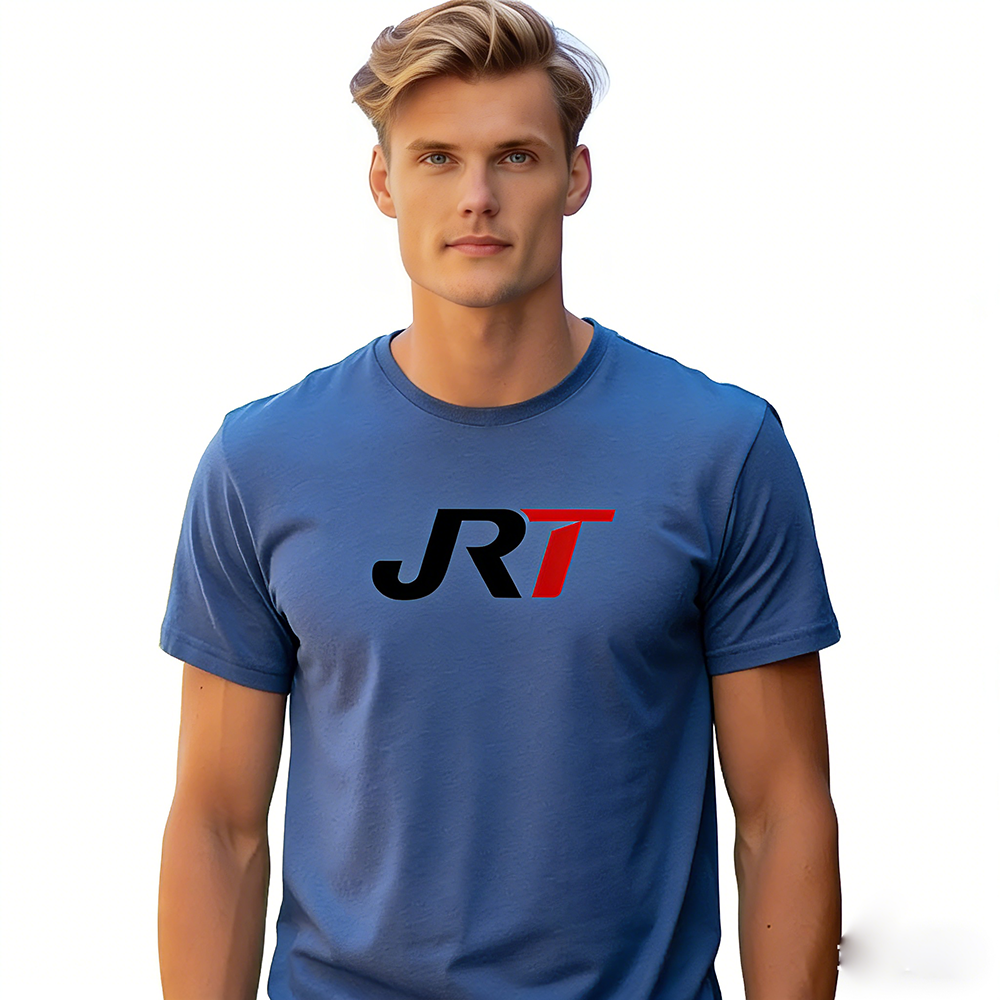
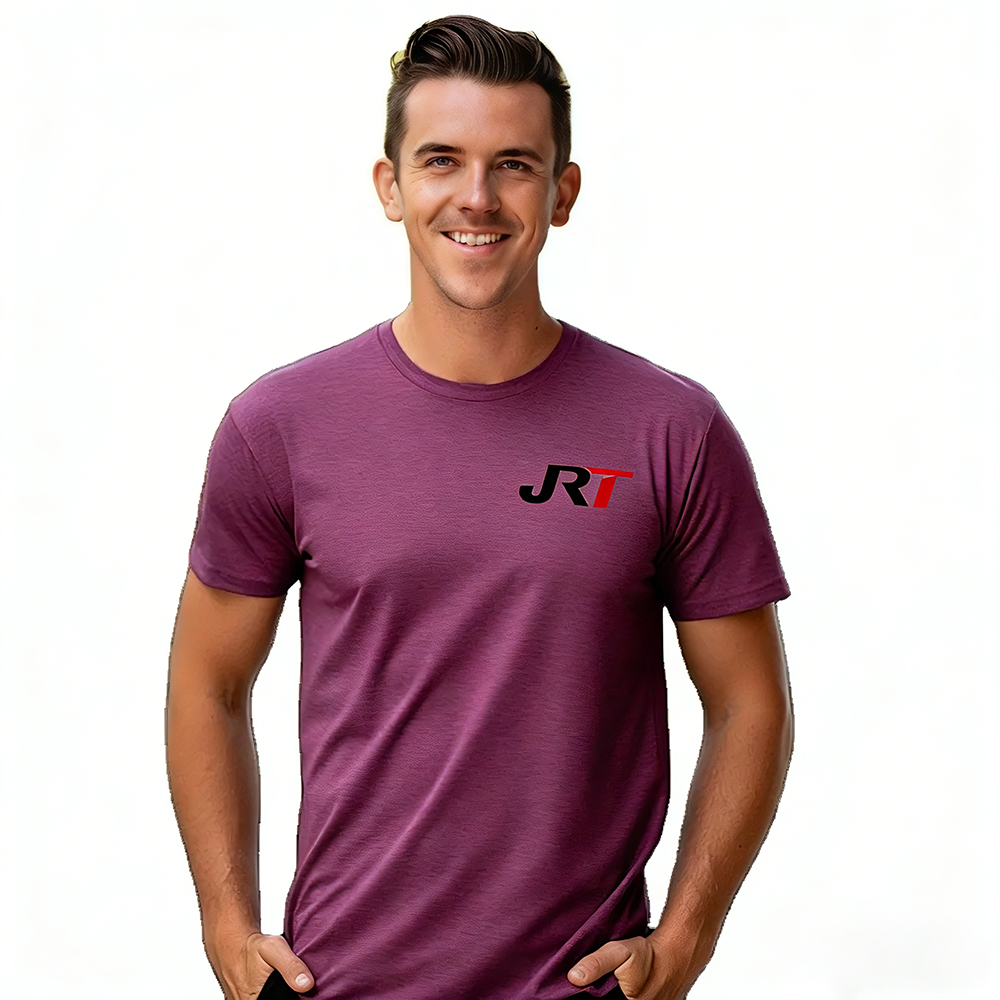
When placing orders for cotton T-shirts, several factors can impact the success of your procurement process. Consider the following key elements:
Minimum Order Quantity (MOQ): Always confirm the supplier's MOQ. This can vary significantly depending on the manufacturer and the level of customization required. Knowing this upfront can help you plan your inventory needs.
Customization Options: Determine what customization capabilities the supplier offers, such as printing, embroidery, or private labeling. Providing specific artwork and technical drawings will help ensure that your order meets your brand requirements.
Lead Time: Understanding the lead time for production is critical, especially for seasonal or promotional campaigns. Discuss scheduling upfront and consider any potential delays due to material sourcing or production capacity.
Quality Control: Establish clear quality inspection processes to ensure that the final products meet your standards. Request samples for approval before mass production to avoid issues down the line.
By addressing these factors early in the purchasing process, you can streamline your orders and ensure a successful partnership with your supplier.
In summary, navigating the world of cotton T-shirts for men requires careful consideration of materials, supplier reliability, and industry applications. By understanding these factors, B2B buyers can make well-informed decisions that enhance their procurement strategies. Furthermore, evaluating fabric weight (GSM), ring-spun versus combed cotton quality, pre-shrunk treatments, and sustainable certifications such as OEKO-TEX or GOTS ensures superior garment comfort, colorfastness, and durability. Partnering with vetted, ethical apparel manufacturers who maintain strict quality assurance protocols and transparent supply chains minimizes defective merchandise, protects brand reputation, lowers overall return rates, and maximizes profitability across retail, promotional, and corporate uniform programs.
 EN