Custom Cloth Printing for Your Wholesale Needs

Jinan Runhang Textile Co., Ltd.   —— Verified by SGS

application/custom-cloth-printing, application/custom-cloth-printing, 
Inquiry
Inquiry

custom cloth printing

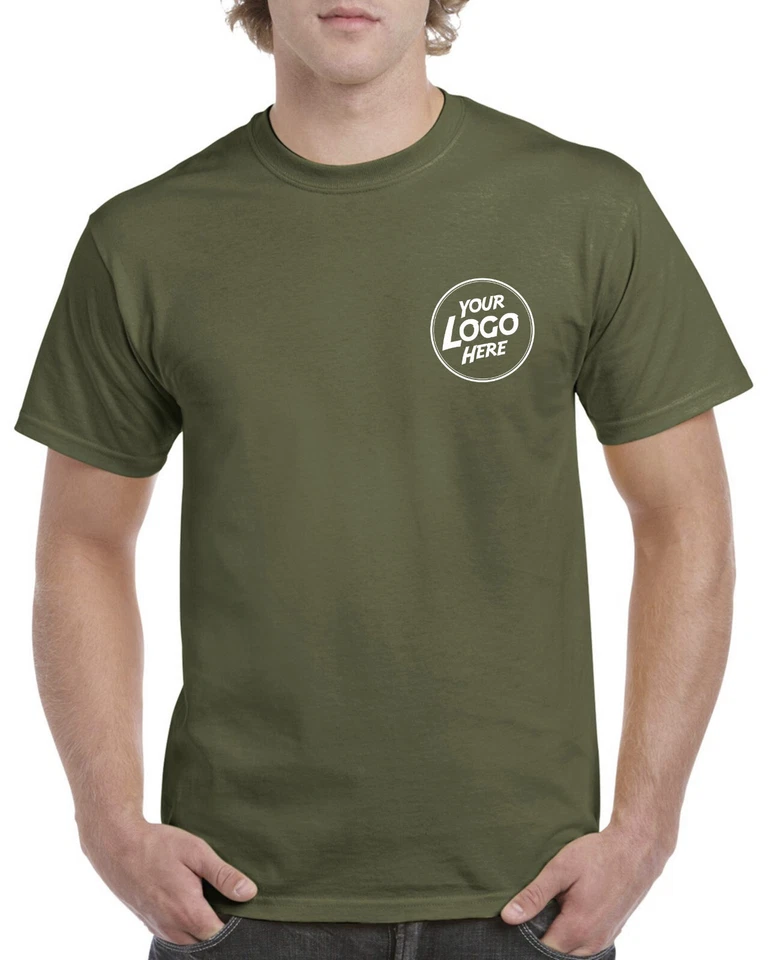
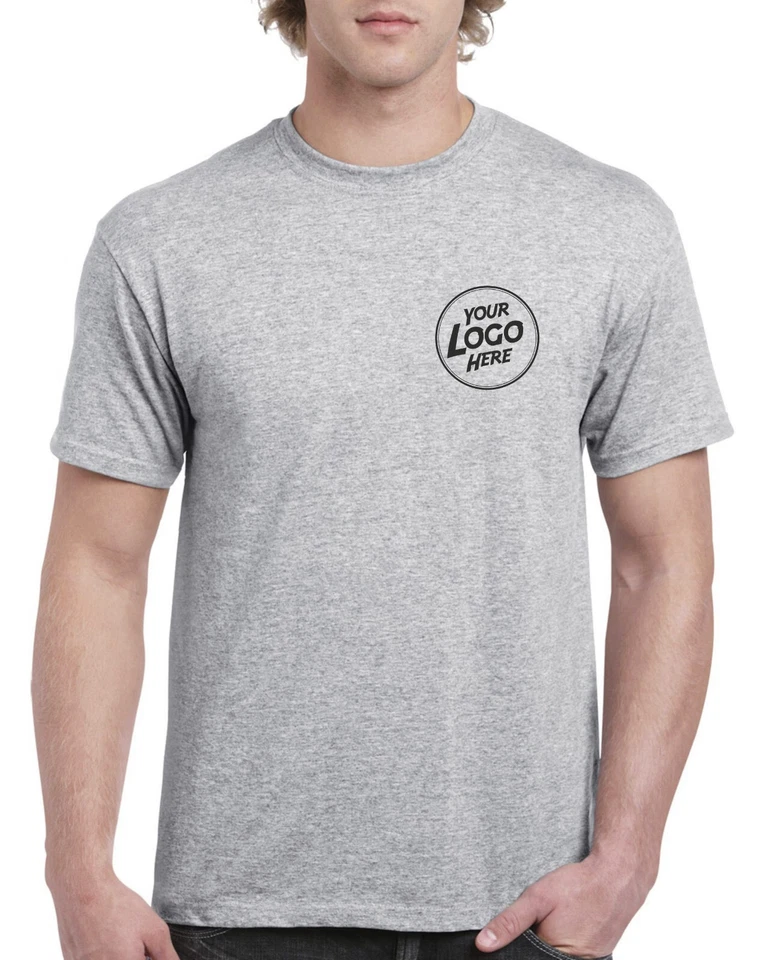
Custom cloth printing is a powerful tool for businesses looking to enhance their branding and product offerings. It allows companies to create unique designs on fabrics like T-shirts, hoodies, and other apparel, which can be crucial for promotional events or product lines. B2B buyers often face concerns regarding quality, material compatibility, and supplier reliability when searching for custom cloth printing solutions. This article will guide you through the essential aspects of custom cloth printing, helping you make informed decisions that align with your wholesale needs.
Where to Find Reliable Suppliers for Custom Cloth Printing

Where to Find Reliable Suppliers for Custom Cloth Printing

Finding a trustworthy supplier for custom cloth printing is crucial for ensuring quality and timely delivery. Start by looking for manufacturers like Jinan Runhang Textile Co., Ltd., which specializes in a variety of apparel accessories and offers integrated production services. When evaluating suppliers, consider the following:

Experience and Expertise: Look for companies with a solid track record in custom cloth printing. Experienced manufacturers are more likely to understand the intricacies of different fabrics and printing techniques. Quality Control Processes: Ensure that the supplier has stringent quality control measures in place to guarantee consistent output. Ask about their inspection processes and certifications. Customization Options: A good supplier should offer a range of customization options, including different printing techniques, material choices, and sizes. This flexibility can help you meet your specific needs.

By thoroughly vetting potential suppliers, you can find a partner that aligns with your quality and service expectations.

Specifications to Consider for Custom Cloth Printing Orders

Specifications to Consider for Custom Cloth Printing Orders

When placing an order for custom cloth printing, several specifications must be confirmed to ensure the final product meets your expectations:

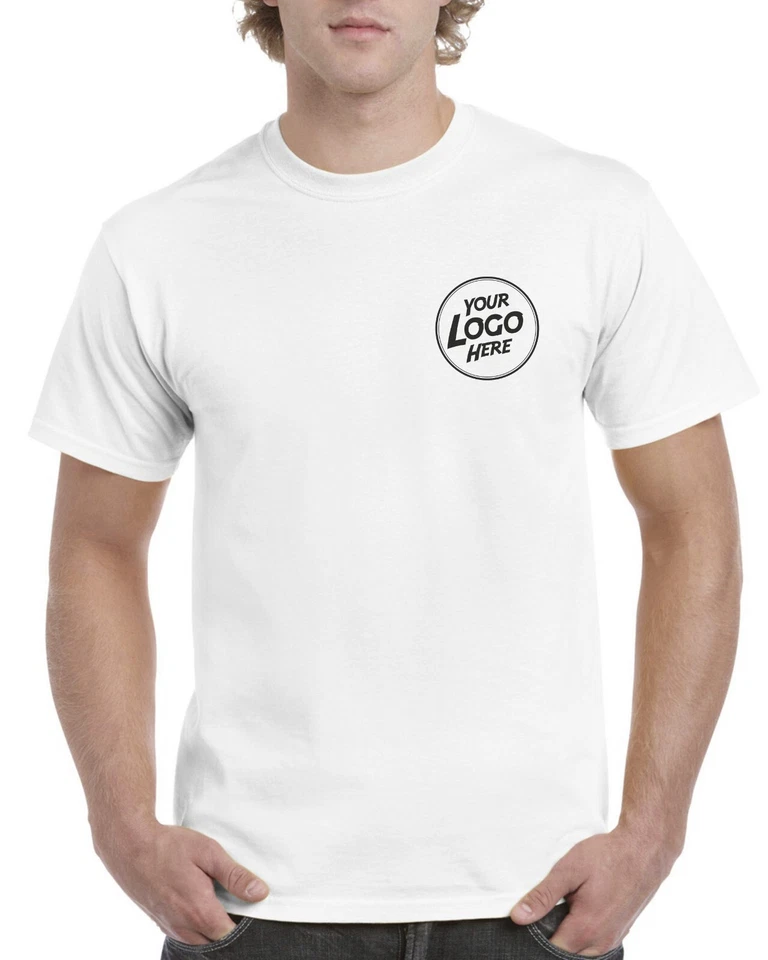
Material Type: The choice of fabric can significantly affect the printing process and final appearance. Consider factors such as breathability, stretch, and durability based on the intended use of the garments. Color Matching: If you have specific brand colors, communicate these clearly. Suppliers often use Pantone color matching systems to ensure accuracy. Print Dimensions and Placement: Clearly define where and how large the design should be printed. Providing artwork files in the correct format will also streamline the process. Minimum Order Quantity (MOQ): Different suppliers have varying MOQs, which can affect your budget and inventory management. Ensure you understand these requirements before committing to an order.

By paying attention to these specifications, you minimize the risk of production issues and ensure that the final products align with your expectations.

Applications of Custom Cloth Printing in Various Industries

Applications of Custom Cloth Printing in Various Industries

Custom cloth printing has versatile applications across numerous industries. Here are a few notable examples:

Retail and Fashion: Retailers often use custom printed apparel to promote brand identity and seasonal collections. Unique designs can set a brand apart from competitors. Corporate Events: Companies frequently use custom apparel for employee uniforms or promotional giveaways at trade shows and corporate events. This reinforces brand visibility while providing functional attire. Sports Teams: Custom printing is widely used for team jerseys, allowing for personalization with player names and numbers. This not only fosters team spirit but also creates a sense of community among fans. Non-Profits and Fundraising: Many organizations utilize custom cloth printing for fundraising events, creating apparel that reflects their mission and engages supporters.

Understanding these applications helps businesses identify where custom cloth printing can add value to their operations, including popular items like T-shirts and hoodies & sweatshirts.

Understanding Material Advantages for Custom Cloth Printing Services

The material chosen for custom cloth printing plays a critical role in the final product's performance and appearance. Here are some common materials and their advantages:

Cotton: Breathable and soft, cotton is a popular choice for T-shirts and casual wear. It absorbs ink well, making it ideal for vibrant prints but may shrink after washing. Polyester: Known for its durability and moisture-wicking properties, polyester is often used in athletic wear. It holds color well and resists fading, making it suitable for long-lasting prints. Blends: Cotton-polyester blends combine the softness of cotton with the durability of polyester, providing a balanced option for various applications.

As a buyer, understanding these material properties ensures that you select the right fabric for your intended use, enhancing the quality and lifespan of your custom printed products.

By considering these crucial aspects of custom cloth printing, you can make informed decisions that cater to your wholesale needs, ensuring high-quality results that effectively promote your brand or business.

Choosing the Right Custom Cloth Printing for Your Wholesale Needs

When selecting the right custom cloth printing method, consider the specific requirements of your project. There are several printing techniques available, including screen printing, digital printing, and heat transfer printing. Each method has its strengths and weaknesses:

Screen Printing: Ideal for bulk orders, screen printing offers high durability and vibrant colors. It is cost-effective for larger runs but may require setup fees and longer lead times. Digital Printing: This method allows for intricate designs and quick turnarounds, making it suitable for small batches or one-off pieces. However, the durability may not match that of screen printing. Heat Transfer Printing: This technique is versatile and allows for detailed designs. It works best on lighter fabrics and may not be as long-lasting as other methods, particularly in high-wear situations.

Understanding the nuances of each printing method will help you choose the one that fits your production goals and budget.

Get a Free Quote

Our representative will contact you soon.
0/1000