Custom Embroidery for Polo Shirts: A Complete Guide

Jinan Runhang Textile Co., Ltd.   —— Verified by SGS

application/custom-embroidery-on-polo-shirts, application/custom-embroidery-on-polo-shirts, 
Inquiry
Inquiry

custom embroidery on polo shirts

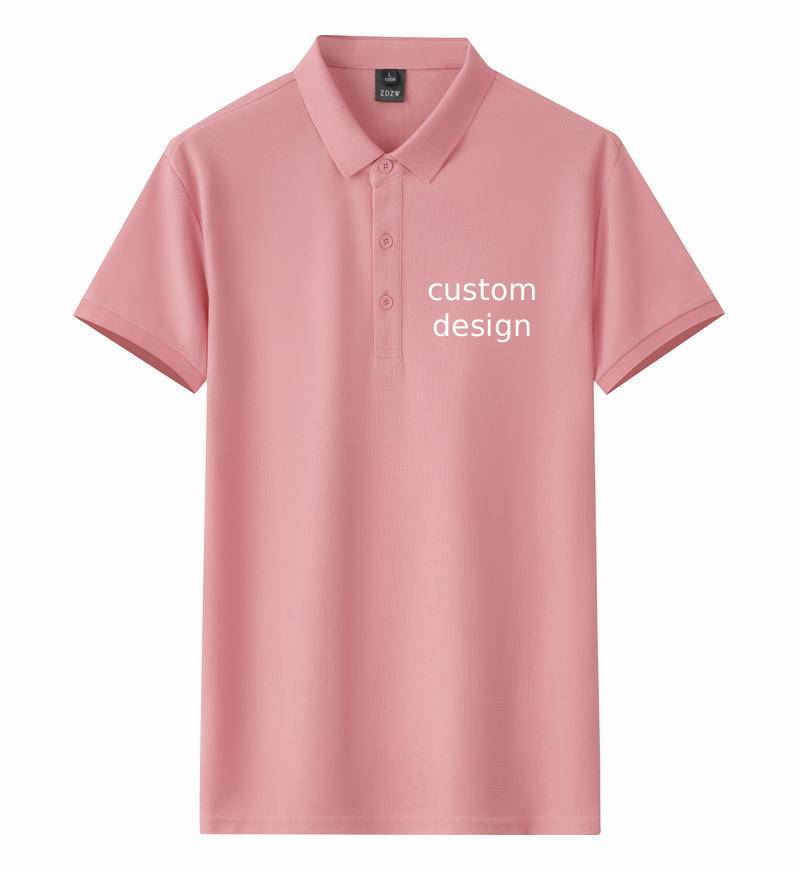
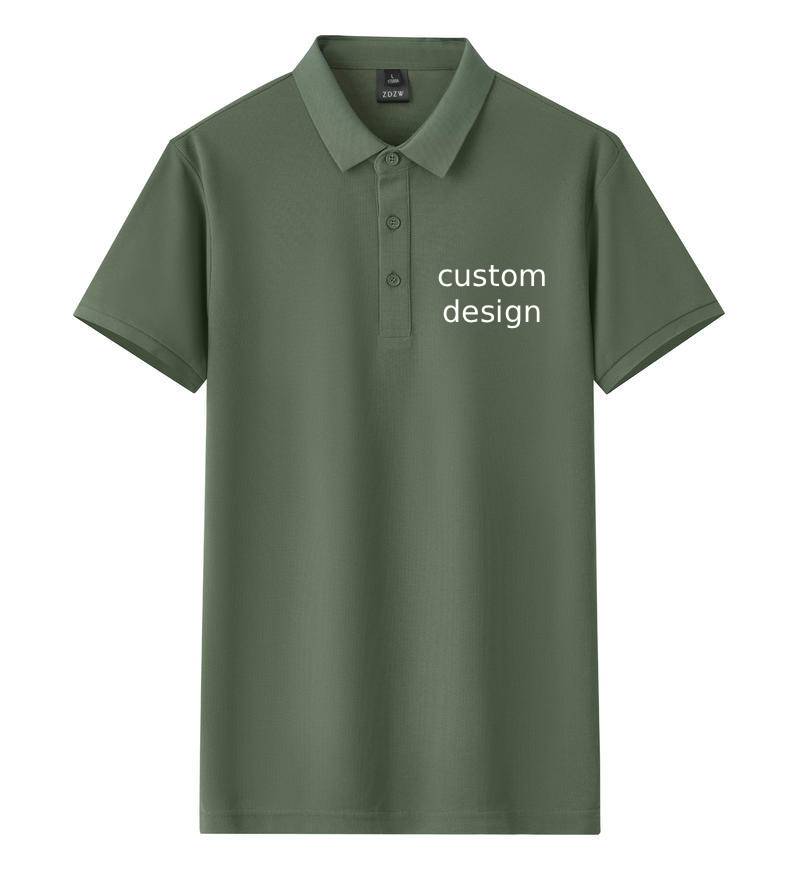
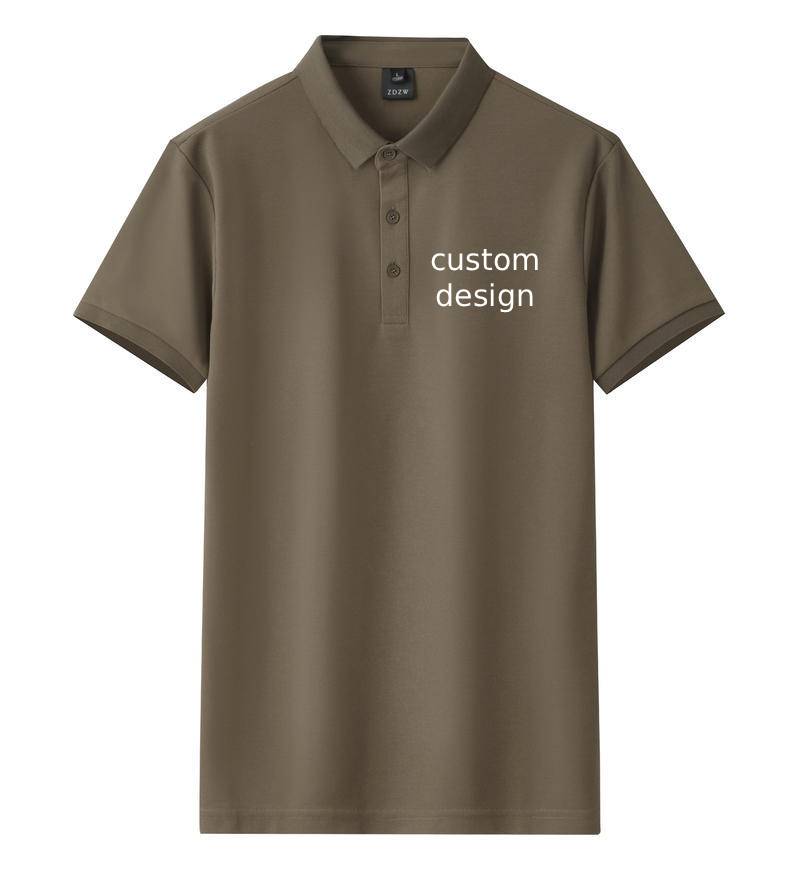
Custom embroidery on polo shirts is a popular choice for businesses looking to enhance their brand visibility and create a professional image. This article will explore various aspects of custom embroidery, providing valuable insights for purchasing managers, distributors, and brand managers. Key buyer concerns, such as quality, specifications, sourcing, and applications, will be addressed to help you make informed decisions when selecting custom embroidered polo shirts. For those looking to enhance their offerings, consider checking out our Custom Logo Professional Silk Screen Print T-shirt as an alternative option.

Key Specifications for Custom Embroidery on Polo Shirts

Key Specifications for Custom Embroidery on Polo Shirts

Understanding the specifications involved in custom embroidery is crucial for achieving the desired outcome. Here are key factors to consider:

Stitch Count: This refers to the number of stitches used in the embroidery design. A higher stitch count generally results in a more detailed image but can increase production time and cost.

Fabric Type: The fabric of the polo shirt affects the embroidery process. For instance, heavier fabrics may require specific needle types and thread tension adjustments to ensure quality results.

Embroidery Technique: Common techniques include flat embroidery, 3D puff embroidery, and digital printing. Each has implications for the final look and durability, so select a method that aligns with your branding needs. If you're interested in 3D puff embroidery, you might want to explore our Custom Logo Premium 3D Puff Embroidery Sweatshirt as a complementary product.

Thread Material: The choice between polyester and rayon threads can impact the embroidery's durability and appearance. Polyester is typically more resistant to fading and wear, making it suitable for active use.

Backing Material: Using a backing material can enhance the stability and longevity of the embroidery. Options include tear-away, cut-away, and adhesive backings, each serving different purposes depending on the fabric and design.

By confirming these specifications with your supplier, you can ensure that the embroidery will meet your functional and aesthetic requirements.

Evaluating Quality in Custom Embroidery for Polo Shirts

Evaluating Quality in Custom Embroidery for Polo Shirts

Quality assessment is vital when sourcing custom embroidered polo shirts. Here are several checkpoints to consider during the evaluation process:

Sample Approval: Always request a sample before proceeding to mass production. This allows you to examine the embroidery quality, color accuracy, and overall garment fit. Pay attention to the stitch integrity and cleanliness of the design.

Consistency: Check for consistency across samples. Variations in embroidery quality can occur, so it’s important to ensure that the production process maintains a uniform standard.

Durability Testing: Inquire if the manufacturer has conducted durability tests on the embroidery. This includes assessing how well the embroidery withstands washing, fading, and wear over time.

Manufacturer Reputation: Research the manufacturer's background and customer reviews. A well-established company with a track record of quality workmanship, like Jinan Runhang Textile Co., Ltd., is generally a safer choice.

Certification and Compliance: Verify if the manufacturer adheres to relevant quality standards and certifications. This can be an indicator of their commitment to maintaining high production standards.

By focusing on these quality factors, you can mitigate the risks associated with custom embroidery projects.

Where to Source Wholesale Custom Embroidered Polo Shirts

Where to Source Wholesale Custom Embroidered Polo Shirts

Sourcing custom embroidered polo shirts can be accomplished through various channels, each with its pros and cons. Here are some effective strategies:

Direct Manufacturers: Partnering with manufacturers like Jinan Runhang Textile Co., Ltd. allows for direct communication regarding customization, quality control, and pricing. This can result in better pricing and more flexible terms.

Wholesale Distributors: Many distributors specialize in promotional apparel and can offer a wide range of options. However, ensure they have a reliable supply chain to meet your volume and delivery needs.

Online Marketplaces: Platforms like Alibaba can connect you with a vast array of suppliers. While this offers variety, it requires careful vetting to ensure quality and reliability.

Local Suppliers: Depending on your location, sourcing from local suppliers may reduce shipping costs and lead times. This can be especially beneficial for urgent projects or smaller order quantities.

Trade Shows: Attending industry trade shows provides an opportunity to meet suppliers, see samples, and build relationships. This firsthand interaction can offer insights into quality and service levels.

When sourcing, always consider your specific needs, such as minimum order quantities (MOQ), lead times, and customization capabilities.

Applications of Custom Embroidery on Polo Shirts in Various Industries

Custom embroidery on polo shirts serves a wide range of applications across industries. Here are some notable examples:

Corporate Branding: Businesses use custom embroidered polo shirts as uniforms for employees, enhancing brand visibility and professionalism. It is common in sectors like retail, hospitality, and healthcare.

Promotional Events: Companies often distribute embroidered polo shirts as promotional items during events, trade shows, and conferences. This not only serves as a marketing tool but also builds team spirit among employees.

Sports Teams: Local sports teams frequently opt for embroidered polo shirts for their uniforms, offering a more polished appearance compared to standard T-shirts.

Non-Profit Organizations: Charities and non-profits utilize custom embroidery to create a cohesive look for volunteers and staff, fostering a sense of unity and purpose.

Educational Institutions: Schools and universities often use embroidered polo shirts for faculty and student uniforms, promoting school pride and identity.

Understanding these applications can help you tailor your custom embroidery project to meet the specific needs of your target audience and industry.

By grasping the nuances of custom embroidery on polo shirts, you can make informed decisions that enhance your brand's image while ensuring quality and functionality.

How to Choose the Right Custom Embroidery for Polo Shirts

When selecting custom embroidery for polo shirts, it is essential to consider several factors to ensure the final product aligns with your brand identity and functional needs. First, assess the design complexity. Simple logos with fewer colors and less intricate details tend to embroider more cleanly and cost-effectively.

Next, evaluate the placement of the embroidery. Common areas include the left chest, sleeve, or back. The size and position should complement the shirt's overall design without overwhelming it. Additionally, consider the thread type and color; high-quality polyester threads are often more durable and vibrant than cotton alternatives.

Lastly, discuss customization options with your supplier. This includes choosing the right embroidery method—such as direct embroidery or appliqué—each offering unique advantages. Collaborating closely with the manufacturer, like Jinan Runhang Textile Co., Ltd., can help ensure that your embroidery meets your expectations for quality and appearance.

Get a Free Quote

Our representative will contact you soon.
0/1000