How to Choose Custom Apparel for Your Business

Jinan Runhang Textile Co., Ltd.   —— Verified by SGS

application/customize-apparel, application/customize-apparel, 
Inquiry
Inquiry

customize apparel

When it comes to customizing apparel for your business, selecting the right products is essential to meet your brand's image and operational needs. Custom apparel includes everything from T-shirts and polo shirts to hoodies, jackets, pants, and shorts. This article aims to guide purchasing managers, distributors, and brand owners through the process of choosing high-quality custom apparel that aligns with their business objectives, ensuring that they address key concerns such as quality, supplier reliability, and application suitability.

Sourcing Reliable Suppliers for Bulk Orders

Sourcing Reliable Suppliers for Bulk Orders

Finding a trustworthy supplier is critical when sourcing custom apparel. Start by evaluating potential suppliers based on their production capabilities, experience, and customer reviews. Companies like Jinan Runhang Textile Co., Ltd., which offer integrated production and one-stop design-to-delivery services, can provide a streamlined experience.

Request samples to assess the quality of their products before placing bulk orders. Pay attention to the fabric feel, stitching quality, and overall finish. Additionally, inquire about their minimum order quantities (MOQ) to ensure they can accommodate your needs without excess inventory.

Another factor to consider is the supplier's ability to meet deadlines. Confirm their lead times for production and shipping, especially if your order is time-sensitive. Establishing clear communication channels and setting expectations can help foster a strong partnership with your supplier.

Key Specifications to Consider

Key Specifications to Consider

When selecting custom apparel, several specifications should be evaluated to ensure the products meet your expectations:

Material: The fabric type affects comfort, durability, and overall appearance. Common materials for custom apparel include cotton, polyester, and blends. Consider the fabric's weight, breathability, and moisture-wicking properties based on your application.

Fit and Size: Ensure that the sizing aligns with your target demographic. A well-fitted garment enhances comfort and encourages wear. Provide a size chart to help customers select the appropriate sizes.

Color Fastness: This refers to how well the color holds up during washing and exposure to sunlight. This is particularly important for promotional items that may face frequent wear.

Customization Techniques: Different techniques, such as screen printing, embroidery, and sublimation, each have specific implications for durability and appearance. Choose a method that aligns with your design and budget. For instance, Custom Design High-Definition All-Over Print Sublimation Hoodie is an excellent option for vibrant designs.

Durability: Assess the expected wear and tear for the intended use. For example, garments for active wear should withstand rigorous use, while corporate apparel may prioritize presentation over extreme durability.

Industries and Scenarios for Use

Industries and Scenarios for Use

Custom apparel finds applications across various industries and scenarios. Some common uses include:

Corporate Branding: T-shirts, polos, and jackets can promote company identity at events, trade shows, or in-store settings.Sports Teams: Custom jerseys and performance wear are essential for team identification and sponsor visibility.Promotional Events: Giveaways at events often include custom apparel to enhance brand visibility and connect with potential customers.Uniforms: Many industries, including hospitality and healthcare, utilize custom apparel for professional uniforms that reflect brand standards.

Understanding these applications can help you tailor your custom apparel offerings to meet the specific needs of your audience.

Tips for Seamless Integration

To ensure a smooth process when integrating custom apparel into your business, consider the following tips:

Clear Communication: Maintain open lines of communication with your supplier. Confirm all specifications, timelines, and expectations before production begins to avoid misunderstandings.

Approval Process: Establish an approval process for samples or prototypes. This step is crucial to verify that the final product meets your quality standards in terms of design, material, and fit before mass production.

Inventory Management: Coordinate with your supplier regarding inventory levels and reordering processes. Having a plan in place will ensure you can respond quickly to demand fluctuations without overstocking.

Feedback Loop: After distributing custom apparel, gather feedback from employees or customers. This information can be invaluable for making future ordering decisions and improving product offerings.

Compliance and Standards: Ensure that the apparel complies with any industry-specific regulations or standards, such as safety requirements for uniforms in hazardous work environments.

By following these guidelines, you can effectively integrate custom apparel into your business strategy, enhancing your brand presence and meeting your operational needs.

How to Choose the Right Custom Apparel for Your Business Needs

Choosing the right custom apparel begins with understanding your specific requirements. Begin by considering your target audience and the message you want to convey through your clothing. This will influence not only the style but also the material and fit of the garments.

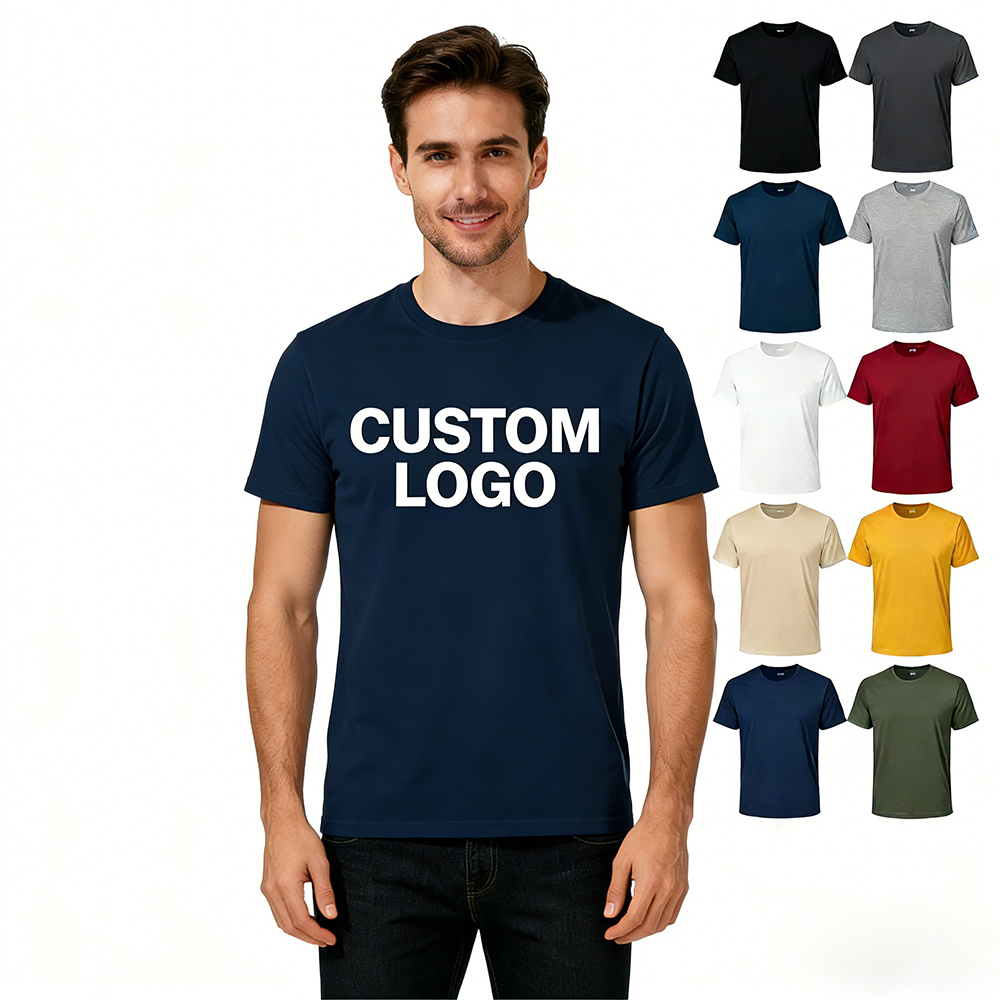
Next, evaluate the intended use of the apparel. For example, if the clothing is for outdoor events, look for breathable and moisture-wicking fabrics. If it's for corporate branding, the design should be professional and align with your branding guidelines. Custom Logo Professional Silk Screen Print T-shirt is a great example of a product that can help make a professional statement.

Finally, consider the customization options available, such as screen printing, embroidery, or heat transfer. Each method has its advantages and limitations, affecting not only the final appearance but also durability and cost. Working closely with your supplier can help ensure you select the right customization technique that meets both aesthetic and functional requirements.

Get a Free Quote

Our representative will contact you soon.
0/1000