Choosing the Right Hoodie Maker for Your Needs

Jinan Runhang Textile Co., Ltd.   —— Verified by SGS

application/hoodie-makers, application/hoodie-makers, 
Inquiry
Inquiry

hoodie makers

Choosing the right hoodie maker is crucial for businesses looking to offer high-quality apparel in today's competitive market. As a primary product for many clothing lines, hoodies must meet specific requirements in terms of design, durability, and comfort. This article will guide you through the essential considerations when selecting a hoodie maker, including key specifications, cost factors, applications, and quality control insights. Understanding these aspects will help ensure that you partner with a reliable manufacturer that meets your business needs.

Key Specifications to Evaluate When Sourcing Hoodies

Key Specifications to Evaluate When Sourcing Hoodies

Understanding the key specifications of hoodies is essential for ensuring they meet your quality and performance standards. Important factors to evaluate include:

Material Composition: Hoodies are typically made from cotton, polyester, or blends. Cotton provides comfort and breathability, while polyester offers durability and moisture-wicking properties. Depending on your target market, you may opt for eco-friendly materials or specific blends that enhance performance.

Thickness and Weight: The fabric weight affects the hoodie’s warmth and feel. Lighter fabrics may be suitable for layering in warmer climates, while heavier options are ideal for colder environments. Evaluate the intended use of the hoodie to determine the appropriate thickness.

Fit and Style: Hoodies come in various styles, including pullover, zip-up, and cropped designs. Each style caters to different fashion trends and customer preferences. Ensure that the manufacturer can accommodate various fits and sizes to meet market demands. If you're looking to enhance your collection, consider including options like Apparel Accessories to complement your hoodies.

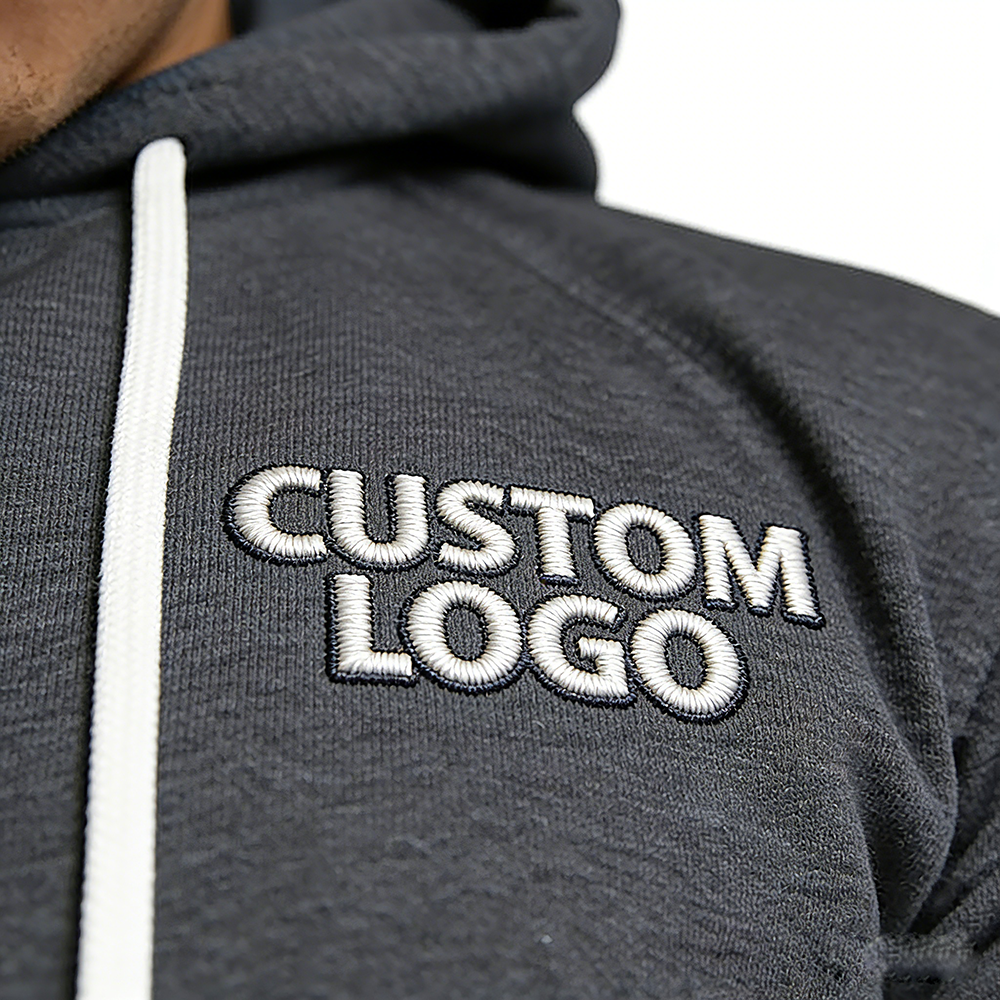
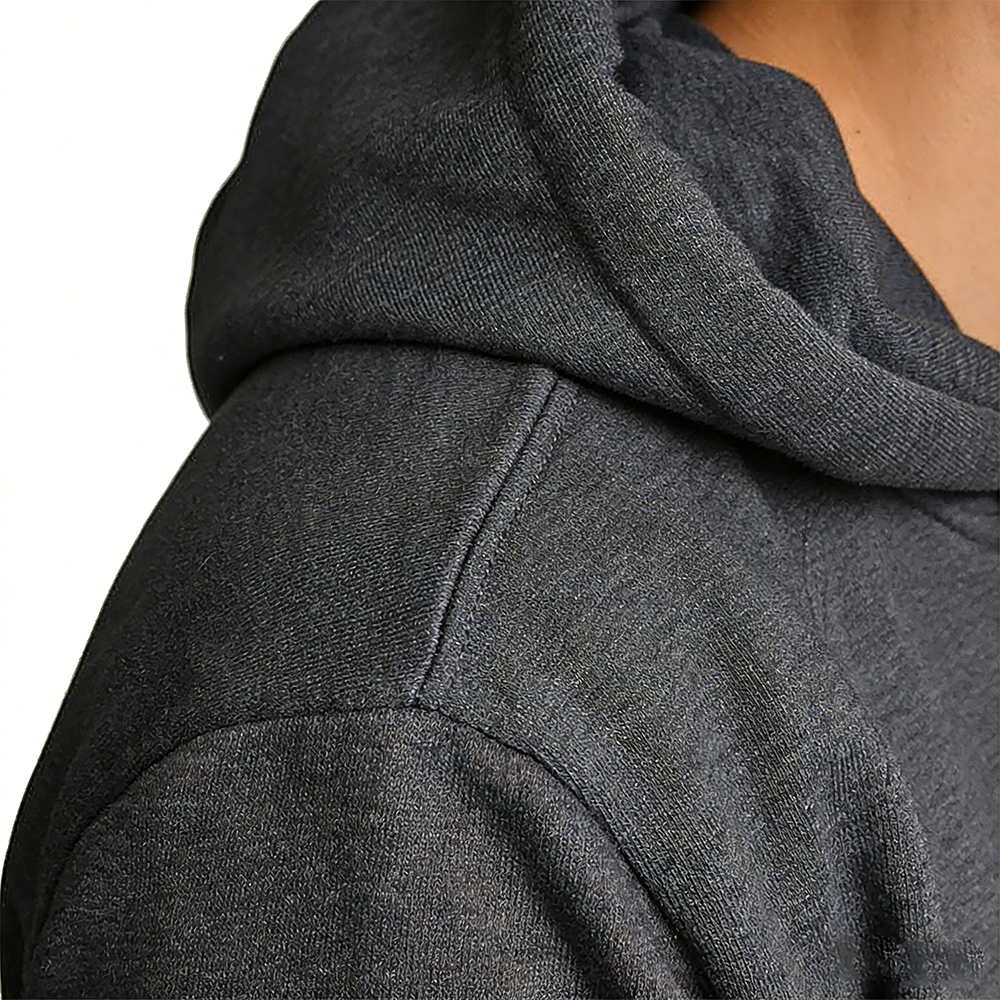
Stitching and Finishing: High-quality stitching and finishing are critical for durability. Inspect samples for stitching consistency, seam strength, and finishing details like hems and cuffs.

By closely examining these specifications, you can ensure that the hoodies you source align with your brand's quality standards and market expectations.

Understanding the Cost Factors in Hoodie Manufacturing

Understanding the Cost Factors in Hoodie Manufacturing

The cost of manufacturing hoodies can vary significantly based on several factors. Here are the key elements that influence pricing:

Material Costs: The choice of fabric significantly impacts the overall cost. Specialty materials or eco-friendly options may come at a premium, while standard cotton or polyester may be more cost-effective.

Production Volume: Higher order quantities often lead to lower per-unit costs due to economies of scale. Conversely, smaller orders may incur higher prices due to setup costs and production inefficiencies.

Customization: Custom designs, colors, or features can increase manufacturing costs. Be clear about your customization requirements upfront to receive accurate quotes.

Labor and Production Location: Labor costs vary by region, affecting the price of manufacturing. Suppliers in regions with lower labor costs may offer competitive pricing but consider the trade-offs regarding quality and lead time.

Shipping and Logistics: Factor in shipping costs, especially if you are importing from overseas. Assess the total landed cost, which includes production, shipping, tariffs, and taxes.

Understanding these cost factors will help you budget effectively and negotiate better terms with your chosen hoodie maker.

Applications of Custom Hoodies for Various Industries

Applications of Custom Hoodies for Various Industries

Custom hoodies serve a variety of purposes across multiple industries. Here are some common applications:

Promotional Merchandise: Many businesses use custom hoodies as promotional items to enhance brand visibility. Events, trade shows, and giveaways are ideal opportunities to distribute branded apparel.

Corporate Uniforms: Companies often opt for hoodies as part of their employee uniforms, especially in casual or creative industries. They offer comfort and a cohesive brand image.

Sports and Recreation: Athletic teams and recreational clubs frequently use custom hoodies for training and events. Performance-oriented fabrics and designs can enhance athletes' comfort and functionality.

Fashion Retail: The fashion industry uses hoodies as staple items in their collections. Custom designs can cater to seasonal trends, allowing brands to stay relevant with their target audience.

By exploring these diverse applications, you can identify how custom hoodies can benefit your business and align with your marketing strategies.

Expert Insights on Quality Control in Hoodie Manufacturing

Quality control is vital in hoodie manufacturing to ensure that the final product meets your standards and customer expectations. Here are some insights to consider:

Sample Approval Process: Before proceeding to mass production, always request samples. This step is crucial for verifying dimensions, fit, surface appearance, and overall production performance. Ensure that the sample aligns with your specifications and branding.

In-Process Inspections: Implementing in-process inspections during manufacturing can help identify issues early. This may include checking fabric quality, stitching integrity, and adherence to design specifications at different production stages.

Final Quality Checks: Conduct comprehensive quality checks on the finished products. This should include visual inspections for defects, testing fabric durability, and ensuring accurate labeling. Establish criteria for acceptable quality levels to guide your inspections.

Supplier Communication: Maintain open communication with your hoodie maker throughout the production process. Address any concerns or discrepancies promptly to avoid larger issues down the line.

By prioritizing quality control, you can mitigate risks associated with defective products, ensuring that you deliver high-quality hoodies to your customers.

Selecting the right hoodie maker involves careful consideration of specifications, cost factors, applications, and quality control measures. By taking a strategic approach to sourcing, you can effectively partner with a manufacturer that meets your needs and enhances your brand's reputation in the market.

How to Choose the Right Hoodie Maker for Your Wholesale Needs

When selecting a hoodie maker, consider several factors that align with your specific requirements. Start by evaluating the manufacturer's experience and capabilities in producing hoodies. A company like Jinan Runhang Textile Co., Ltd. offers integrated production and one-stop design-to-delivery services, which can simplify your procurement process. Additionally, if you're interested in a variety of styles, you might want to explore Hoodies & Sweatshirts options that they provide.

Next, assess the manufacturer's customization capabilities. Whether you need unique designs, specific colors, or custom sizes, a flexible manufacturer can accommodate your requests. Additionally, consider their minimum order quantities (MOQ) and lead times. A hoodie maker that can handle smaller orders may be more suitable for startups or brands testing new designs, while those with larger production capacities are ideal for established businesses.

Finally, verify the manufacturer's reputation in the industry. Look for reviews or case studies that highlight their work with other brands or distributors. This information can provide insights into their reliability and product quality.

Get a Free Quote

Our representative will contact you soon.
0/1000