Choosing Printed Custom Apparel for Your Business

Jinan Runhang Textile Co., Ltd.   —— Verified by SGS

application/printed-custom-apparel, application/printed-custom-apparel, 
Inquiry
Inquiry

printed custom apparel

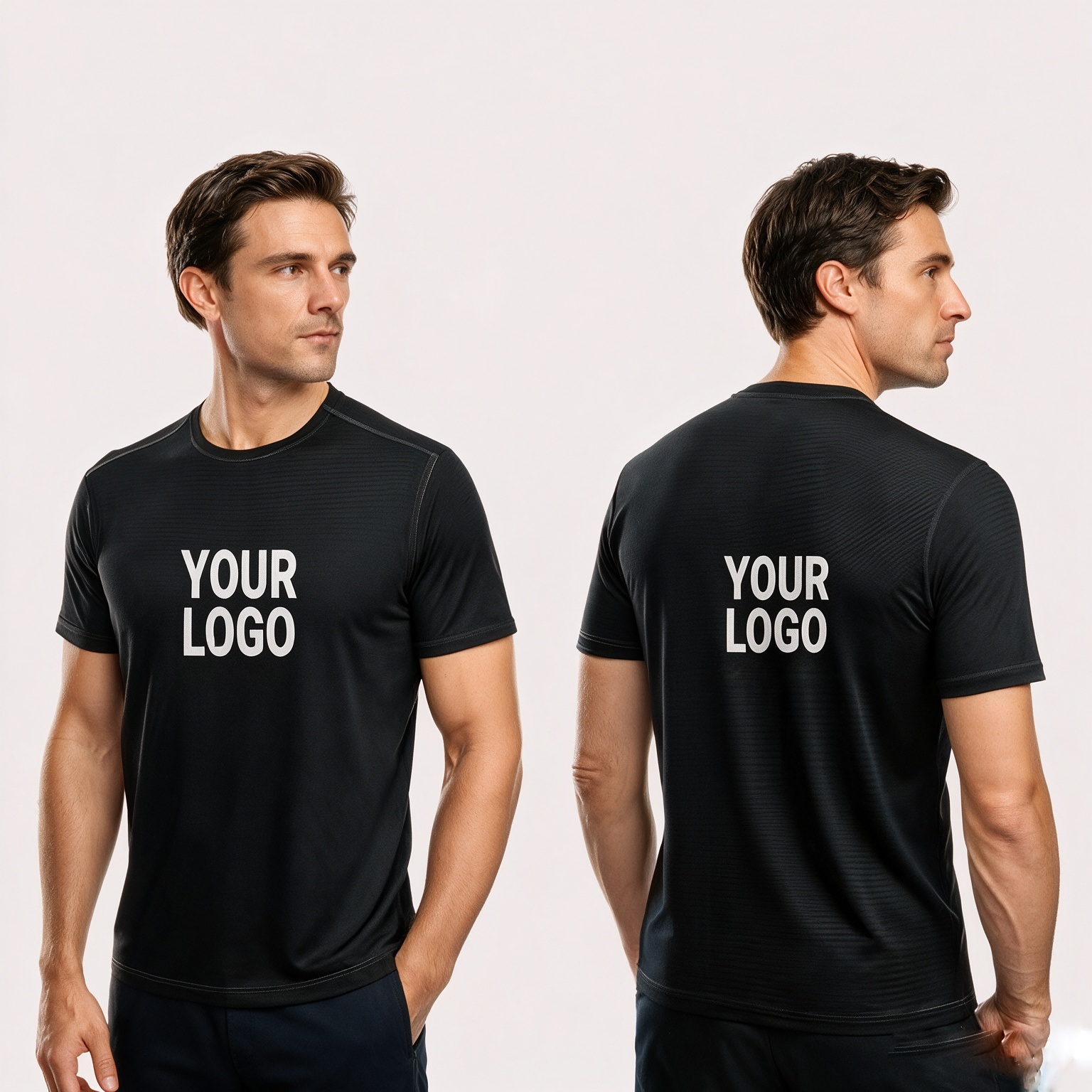
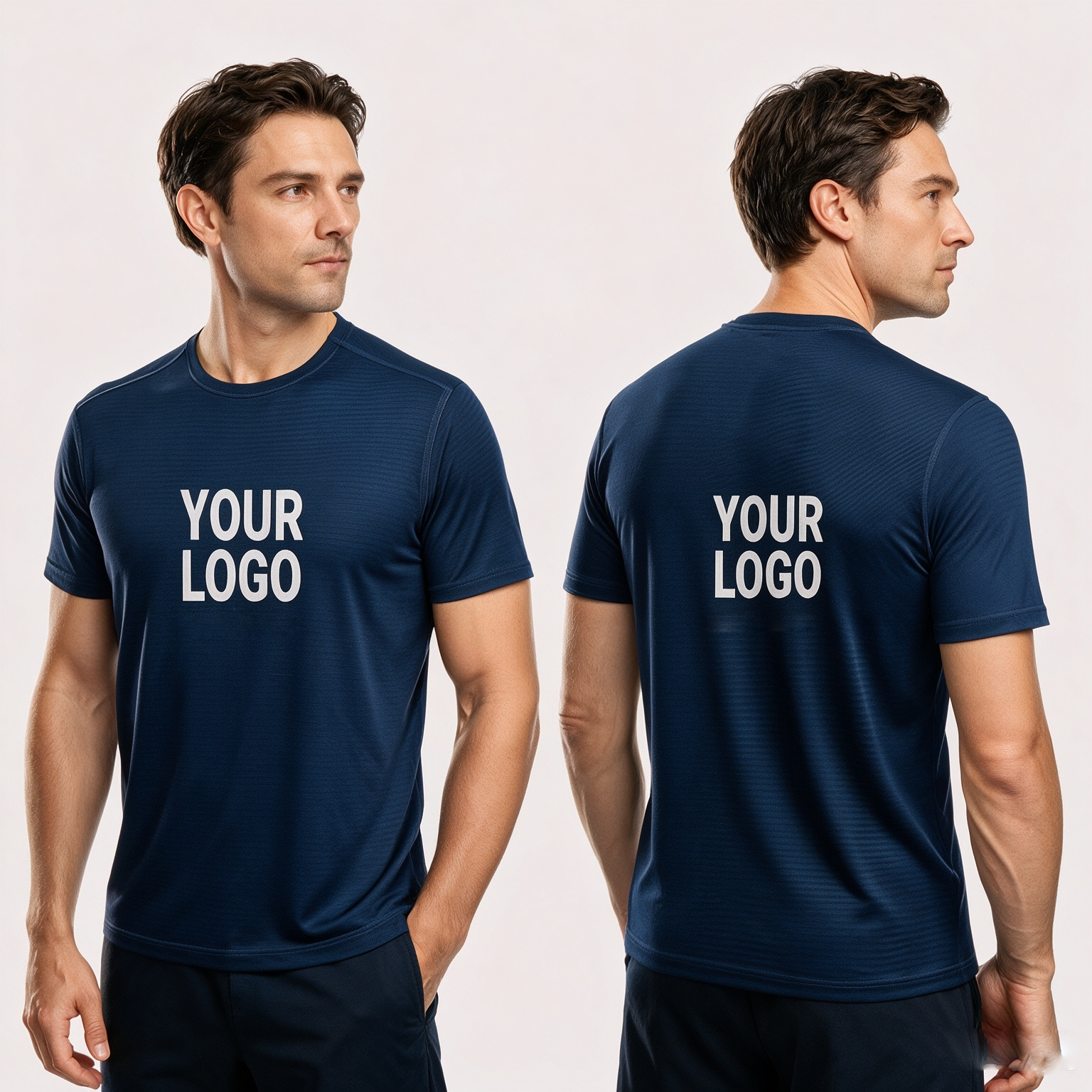
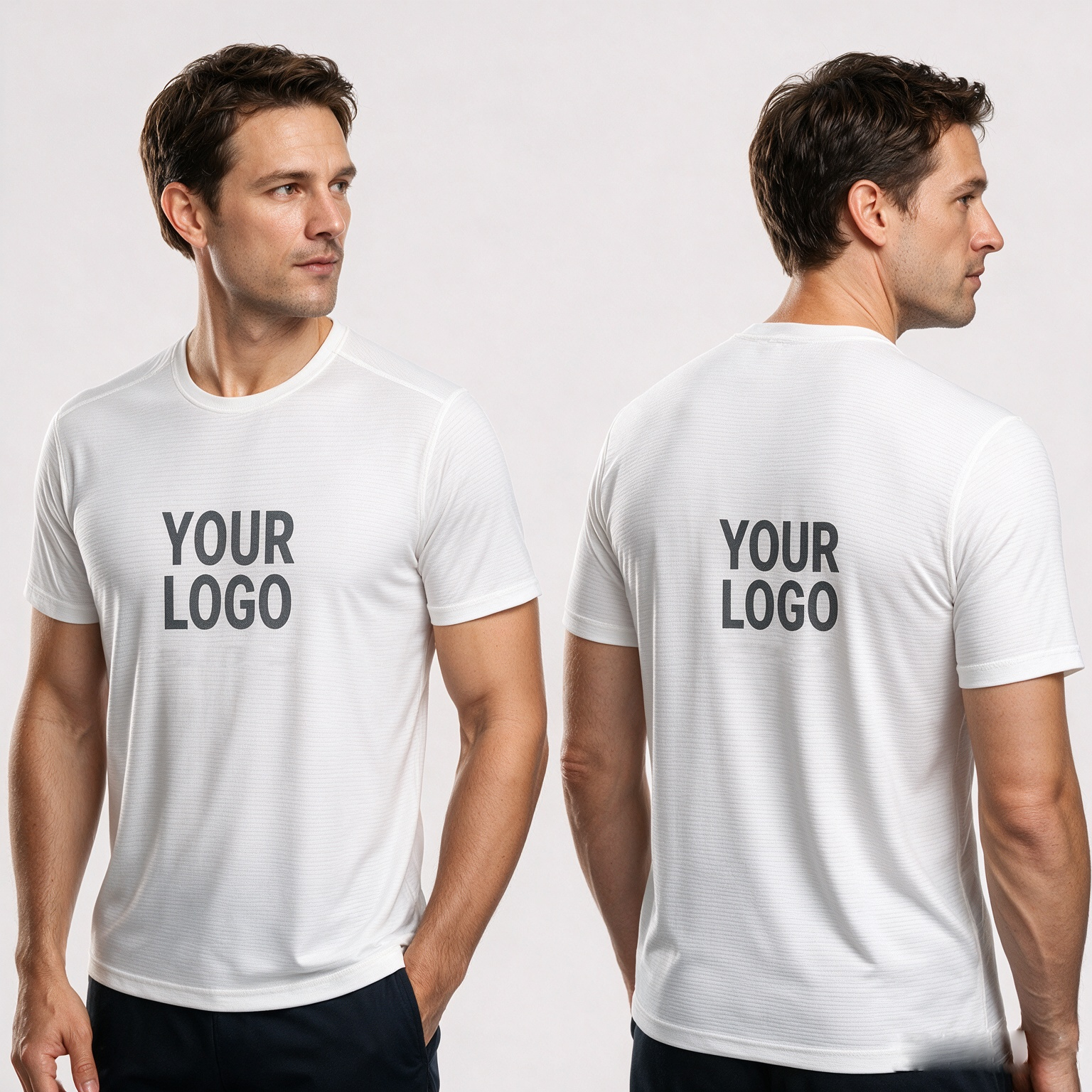
Choosing the right printed custom apparel for your business can significantly impact your brand visibility and customer engagement. This article will explore key factors that B2B buyers, such as purchasing managers and distributors, should consider when sourcing printed custom apparel. From product specifications to material advantages and supplier reliability, we will provide insights that help ensure you make informed decisions tailored to your specific requirements.

Cost Factors to Consider in Bulk Orders of Custom Apparel

Cost Factors to Consider in Bulk Orders of Custom Apparel

When placing a wholesale order for printed custom apparel, understanding product specifications is essential. Key specifications include fabric type, weight, dimensions, and printing methods. For example, cotton is a popular choice for its breathability and comfort, while polyester offers durability and moisture-wicking properties.

It's important to clarify the printing techniques available, such as screen printing or direct-to-garment (DTG) printing, as these can affect the final product's quality and appearance. Screen printing is typically more cost-effective for large quantities, while DTG allows for detailed designs on smaller runs.

Buyers should also confirm the minimum order quantity (MOQ) and production capacity with suppliers. This information will help you plan your orders according to your budget and inventory needs. Make sure to request samples to evaluate the quality of the product before committing to a larger order.

Common Problems in Custom Apparel Purchasing and Their Solutions

Common Problems in Custom Apparel Purchasing and Their Solutions

Finding reliable suppliers for custom apparel in bulk requires thorough research and evaluation. Start by looking for manufacturers with a proven track record in the industry, such as Jinan Runhang Textile Co., Ltd., known for its comprehensive design-to-delivery services.

Attend trade shows focused on textiles and apparel to meet potential suppliers face-to-face. This not only allows you to assess the quality of their products but also gives you the chance to discuss your specific needs directly. Online marketplaces and industry-specific directories can also be valuable resources, but make sure to check reviews and testimonials.

When evaluating suppliers, consider their production capabilities, quality control processes, and certifications. A well-established supplier should be able to provide documentation of their quality assurance practices and any relevant industry standards they comply with.

Where to Find Technical Guidance for Custom Apparel Installation

Where to Find Technical Guidance for Custom Apparel Installation

The choice of material plays a crucial role in the performance and appeal of printed custom apparel. Different fabrics offer unique benefits that can enhance the end product. Cotton is favored for its comfort and softness, making it ideal for casual wear. On the other hand, polyester blends are often chosen for their durability and moisture-wicking capabilities, making them suitable for activewear.

Consider the environmental impact of your material choice as well. Sustainable fabrics, such as organic cotton or recycled polyester, are increasingly popular among consumers who prioritize eco-friendly products. Many buyers are now looking for suppliers that offer sustainable options, so having a variety of materials available can enhance your product range.

When assessing materials, also think about how they will hold up during the printing process. Some fabrics may require specific inks or treatments to achieve the desired print quality, so it’s crucial to discuss these details with your supplier.

Comparing Material Advantages for Printed Custom Apparel Options

As a buyer, there are several key factors to keep in mind when sourcing printed custom apparel. First, always request detailed product specifications that outline dimensions, weight, and material composition. This ensures that the final product meets your expectations and requirements.

Before placing a mass production order, it’s advisable to request a sample. This step allows you to verify the quality, fit, and print accuracy. Pay close attention to the sample's appearance and feel, as this will reflect what your customers will receive.

Pricing is another critical aspect. Understand the factors that influence cost, such as material type, order quantity, and customization options. Be wary of lower prices that might compromise quality, and instead focus on the overall value provided by the supplier.

Lastly, establish clear communication with your chosen supplier. Discuss lead times, packaging options, and shipping arrangements early in the process to avoid delays. Building a strong relationship with your supplier can facilitate smoother transactions and ensure your needs are met effectively.

By focusing on these aspects, you can successfully navigate the complexities of sourcing printed custom apparel, ensuring that your business stands out in a competitive marketplace.

Reliable Suppliers for Printed Custom Apparel

Selecting the right printed custom apparel involves understanding your brand’s needs and the audience you’re targeting. Consider the product types that best represent your brand—T-shirts, polo shirts, hoodies, jackets, pants, or shorts. Each option has unique advantages and may appeal differently to various market segments.

Start by defining your purpose: Are you looking for promotional items, uniforms, or retail products? This will influence your choice of apparel type, as well as design and material. Next, think about the fit and style that will resonate with your audience. For instance, a casual brand may benefit from relaxed-fit T-shirts, while a corporate identity may call for more structured polo shirts.

Don’t overlook customization options. The ability to incorporate logos, colors, and designs that align with your brand image is crucial. Ensure that the supplier you choose offers a robust design-to-delivery service, which can streamline the process from concept to finished product.

Get a Free Quote

Our representative will contact you soon.
0/1000