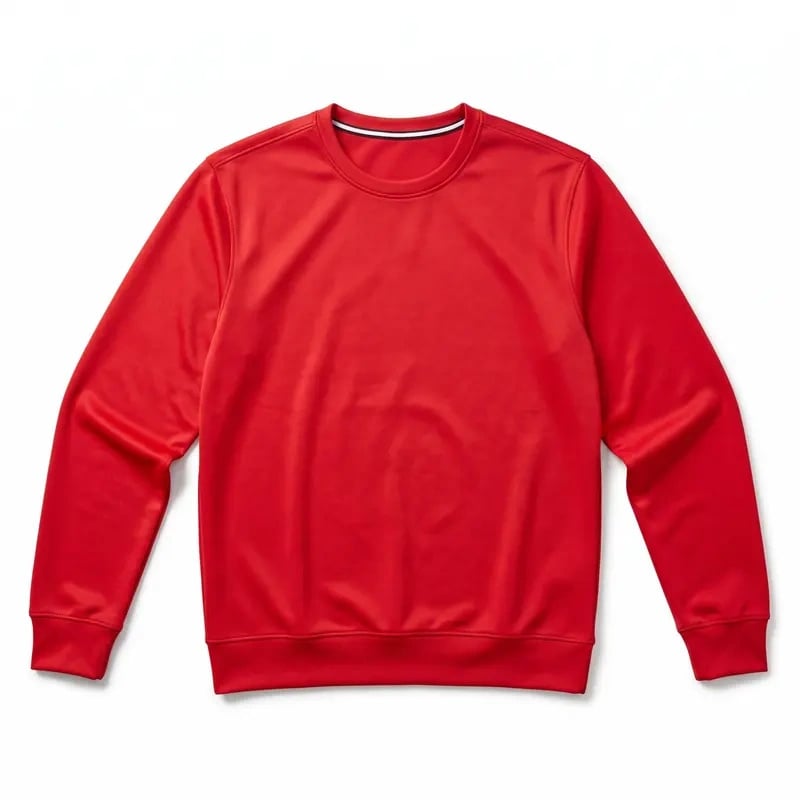
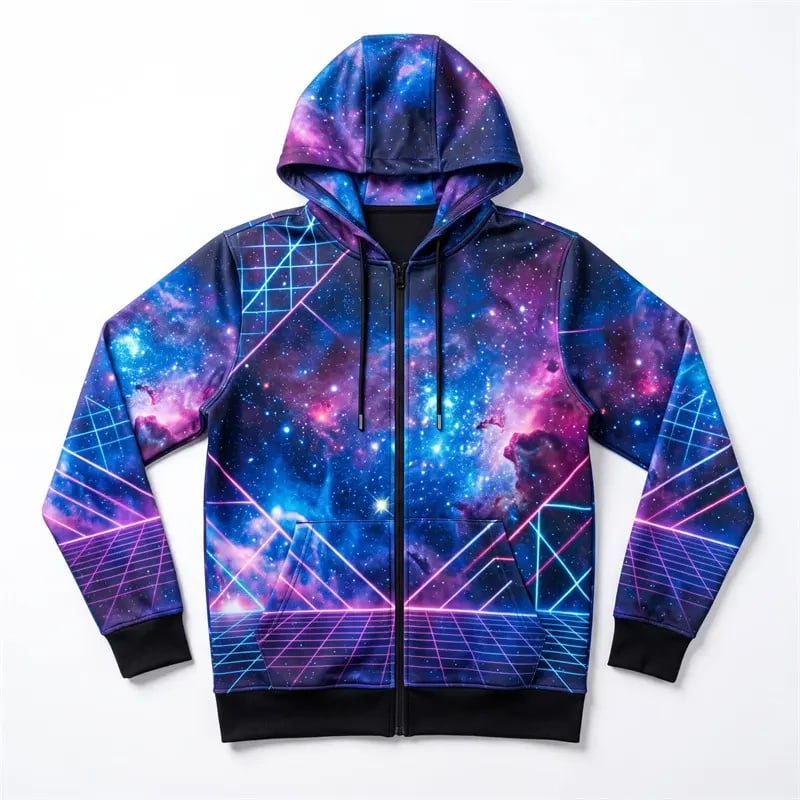
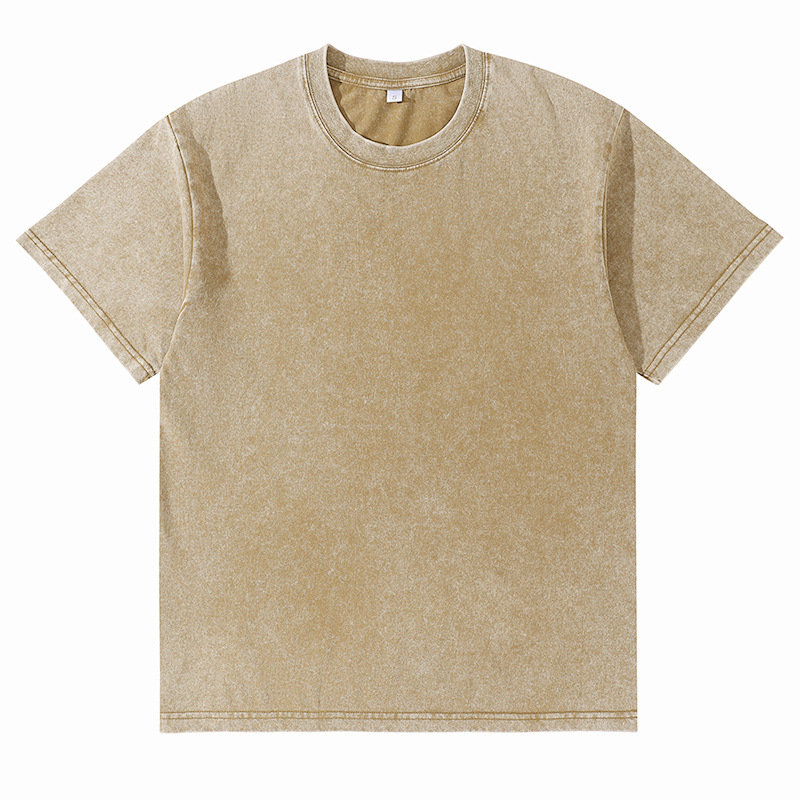
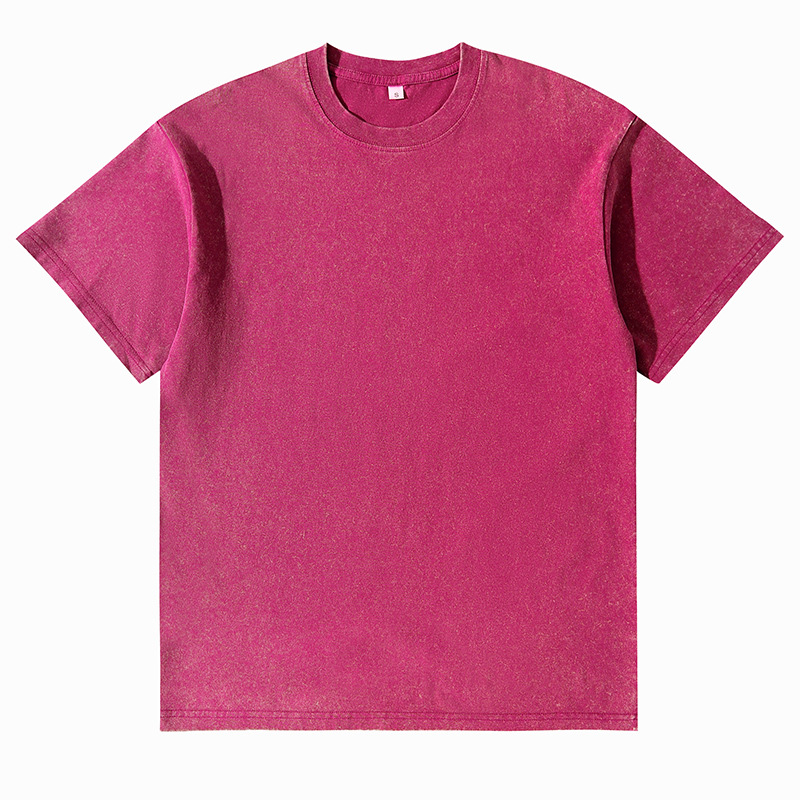
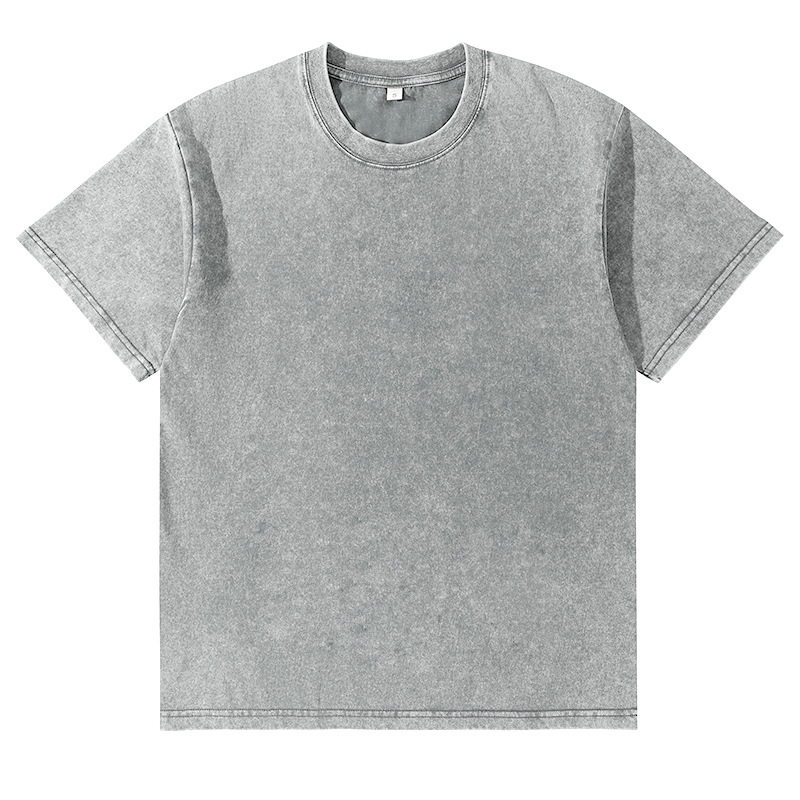
Key Specifications to Consider
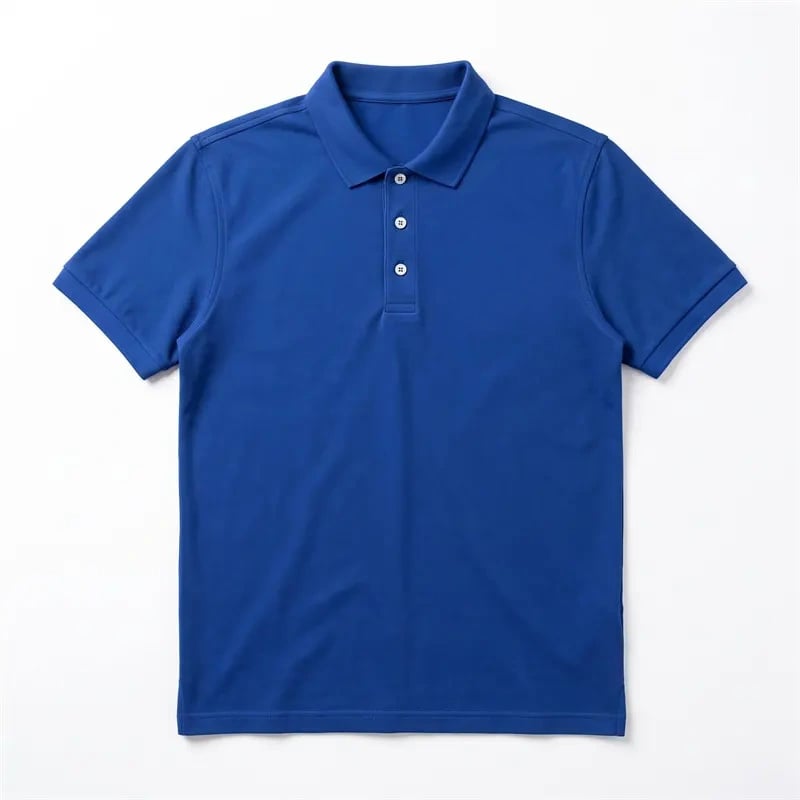
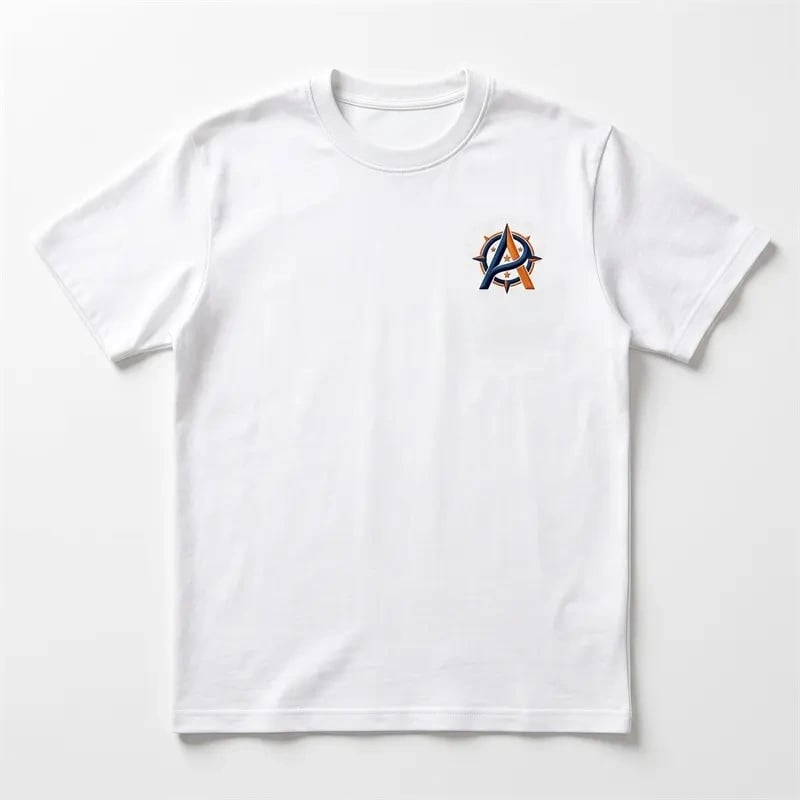
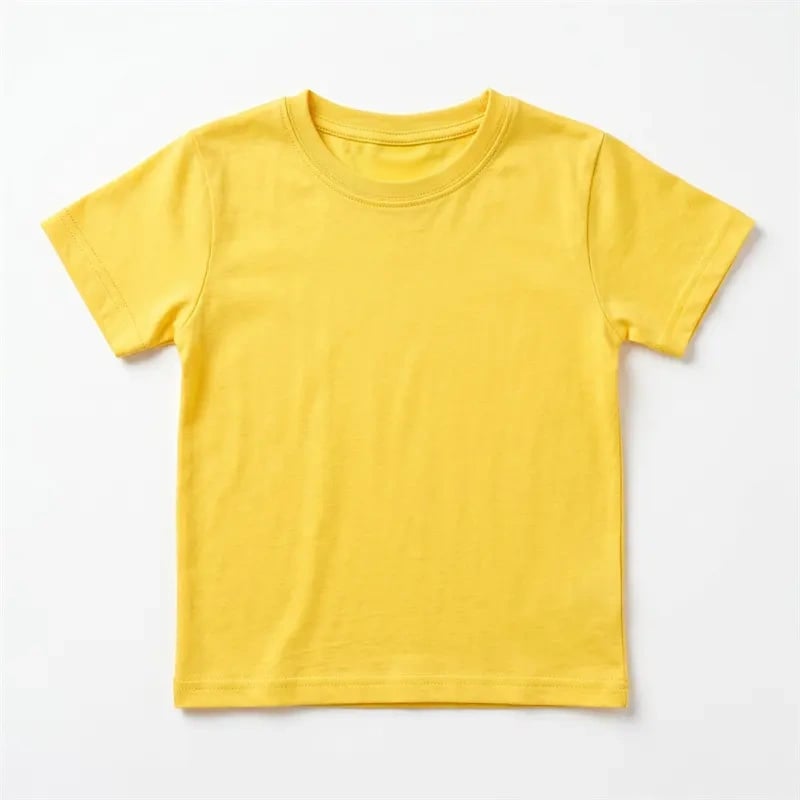
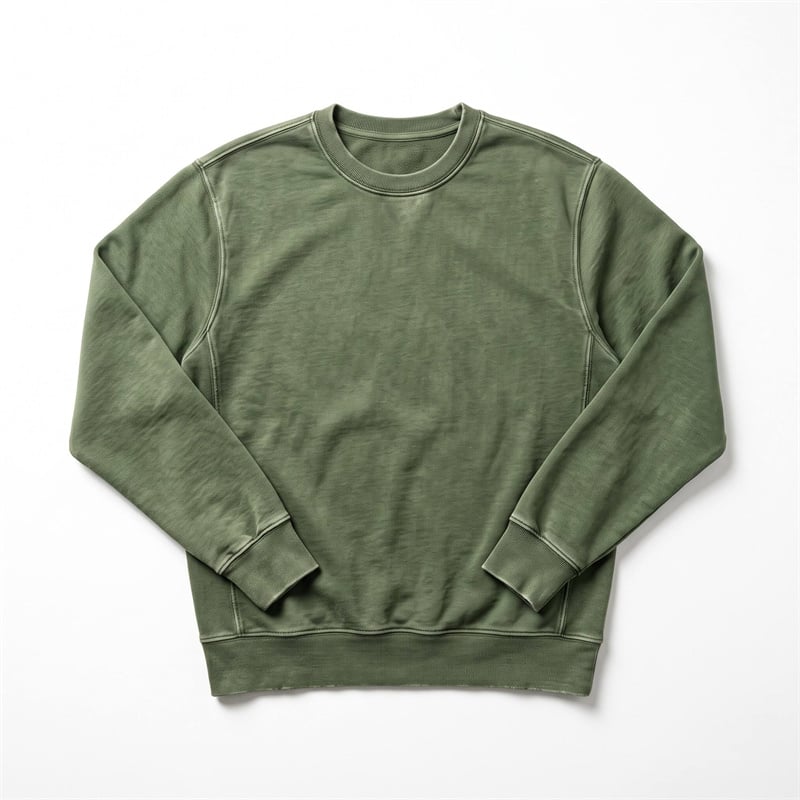
When selecting retro style t-shirts, various specifications play a pivotal role in ensuring that the final product meets your expectations. Here are some key specifications to consider:
Material Composition: Retro t-shirts are commonly made from cotton, polyester, or a blend of both. Cotton offers breathability and comfort, while polyester provides durability and moisture-wicking properties. Understanding your target audience’s preferences can influence your material choice.
Weight and Thickness: T-shirt weight is typically measured in grams per square meter (GSM). A heavier GSM (above 200) indicates a sturdier fabric, while lighter fabrics (below 160 GSM) are more suited for summer wear. The right weight can enhance the shirt's durability and overall feel.
Fit and Sizing: Various fits (regular, slim, or relaxed) and sizing options (S-XXL) should be made available to cater to different body types. Providing accurate size charts can help reduce returns.
Design Capabilities: Consider the printing methods available for designs, such as screen printing, heat transfer, or direct-to-garment (DTG). Each method has its advantages and limitations regarding design detail and durability.
Certification Standards: If your retro t-shirts will be marketed in specific regions, be aware of certification requirements such as OEKO-TEX® for safety in textiles, which ensures that no harmful substances are present.
By thoroughly evaluating these specifications, you can ensure that the retro style t-shirts you procure meet your customers' expectations and align with your brand's standards.
 EN