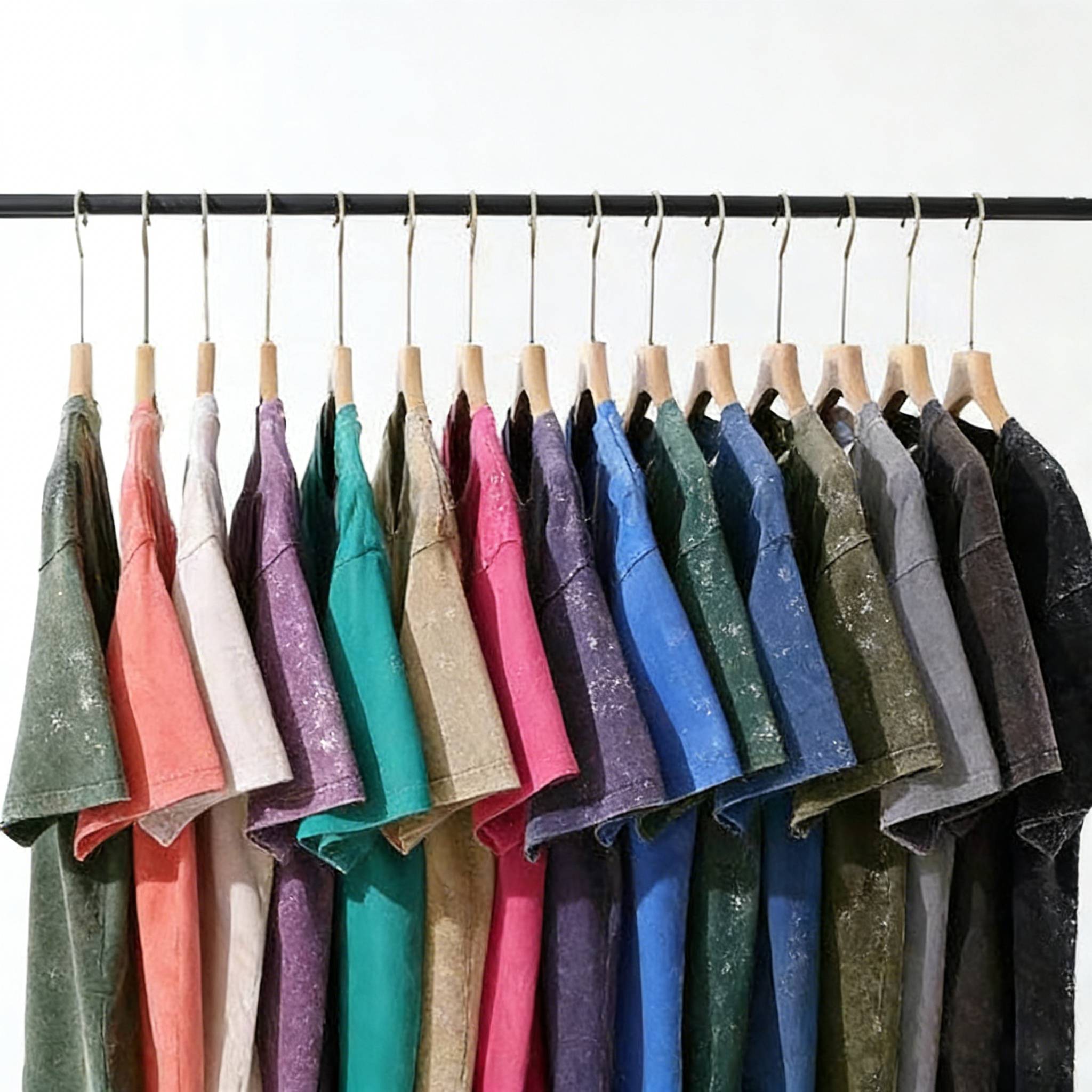
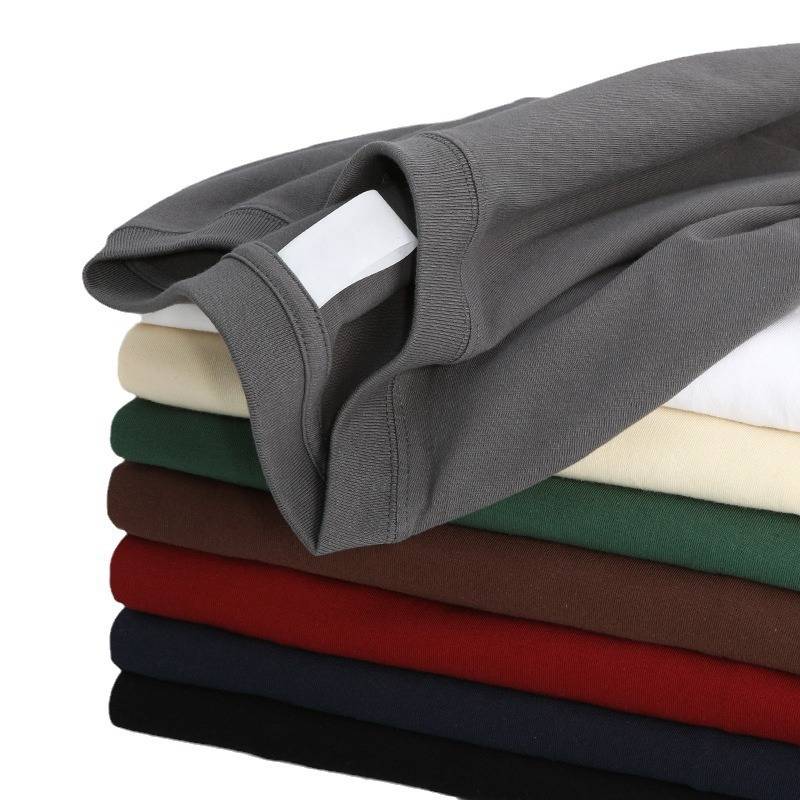
Key Specifications for Sourcing Retro Tee Shirts

Jinan Runhang Textile Co., Ltd.   —— Verified by SGS

application/retro-tee-shirts, application/retro-tee-shirts, 
Inquiry
Inquiry

Retro tee shirts

Retro tee shirts have become a popular choice in the fashion industry, combining style and nostalgia for both consumers and brands. For businesses looking to source retro tee shirts, key concerns often revolve around quality, material selection, production capabilities, and pricing. This article will provide insights into the vital specifications to consider when sourcing, help you compare quality and cost for bulk purchases, address common problems and their solutions, evaluate quality measures, and explore the applications of JRT retro style t shirts in promotional and retail markets. 

Comparing Quality and Cost of Retro Tee Shirts for Bulk Purchases

Comparing Quality and Cost of Retro Tee Shirts for Bulk Purchases

When purchasing retro tee shirts in bulk, balancing quality and cost is essential. While lower-priced options may be tempting, it is crucial to consider the long-term implications of quality. 

Quality Indicators: Look for indicators of quality, such as stitching, fabric consistency, and overall finish. A well-constructed tee shirt will have reinforced seams and a smooth surface that holds up well after washing. 

Cost Factors: The price per unit can vary based on several factors, including material costs, printing methods, and order quantity. Typically, higher-quality materials will result in a higher unit price. However, investing in quality JRT retro graphic tees can lead to better customer satisfaction and reduced returns. 

Minimum Order Quantities (MOQ): Suppliers often set a MOQ for bulk purchases. It's vital to confirm these details and assess how they align with your business needs. A higher MOQ might allow for lower pricing, but ensure you can manage inventory effectively. 

Shipping and Lead Times: Consider all associated costs, including shipping and potential tariffs, when assessing the total expenditure. Additionally, inquire about lead times, as longer production schedules can impact your sales strategies.

By carefully comparing quality indicators and total costs, you can make informed decisions that align with your budget and expectations. 

Common Problems with Retro Tee Shirts and Effective Solutions

Common Problems with Retro Tee Shirts and Effective Solutions

Sourcing retro tee shirts may present various challenges, but understanding these issues can facilitate proactive solutions. 

Sizing Issues: One common problem is inconsistent sizing between batches. To mitigate this, request samples from the manufacturer before placing a large order. This allows you to evaluate sizing consistency and make necessary adjustments. 

Color Fading: Retro designs often feature vibrant colors, which can fade over time. Ensure that your supplier uses high-quality dyes and printing techniques that enhance colorfastness. Request quality control reports to verify these standards. 

Fabric Pilling: Some fabrics may pill after repeated wear and washing. Choosing a fabric blend with a higher polyester content can reduce this problem. Additionally, ask about the fabric's test results for pilling resistance. 

Print Quality: Variability in print quality can occur, especially with intricate designs. Clear communication with your supplier about your design specifications and expectations is crucial. Requesting a pre-production sample can also help catch any potential issues early. 

By anticipating these common problems and implementing effective solutions, you can ensure a smoother sourcing process. 

How to Evaluate the Quality of Retro Tee Shirts for Your Projects

How to Evaluate the Quality of Retro Tee Shirts for Your Projects

Evaluating the quality of retro tee shirts is essential for ensuring they meet your standards. Here are the key aspects to consider during evaluation: 

Visual Inspection: Examine the shirt's construction, including seams, hems, and overall finish. Look for any loose threads, uneven stitching, or other defects. A well-finished product will demonstrate the manufacturer's attention to detail. 

Material Feel: The fabric's texture can greatly impact customer satisfaction. Touch and feel the material to determine if it aligns with your quality expectations. A fabric that feels soft and inviting will likely attract more customers. 

Durability Testing: Conduct tests that simulate typical use conditions. For example, wash samples multiple times to see how they hold up against fading, shrinking, and pilling. Discuss your findings with the manufacturer to address any concerns. 

Fit Testing: If possible, have a sample of each size available for fit testing. This helps identify any discrepancies in sizing and ensures that the final product will meet the expectations of your target audience. 

By focusing on these quality evaluation methods, you can confidently select retro tee shirts that will satisfy your customers and enhance your brand's reputation. 

Applications of Retro Tee Shirts in Promotional and Retail Markets

Retro tee shirts are versatile products with various applications in promotional and retail markets. Understanding these applications can help you leverage their potential effectively. 

Promotional Giveaways: Many brands use retro tee shirts as promotional items during events or campaigns. Their nostalgic appeal can create a strong connection with the audience. Ensure your designs resonate with the target demographic to maximize impact. 

Retail Merchandise: JRT retro graphic t shirts are a staple in retail environments, especially for businesses targeting younger audiences or vintage enthusiasts. Consider creating limited-edition designs that align with current trends to drive sales. 

Corporate Branding: Companies can use retro tee shirts as part of their corporate branding strategy. Incorporating company logos or slogans on retro designs can enhance team spirit and promote brand recognition. 

Collaborations: Partnering with artists or influencers to create unique retro tee shirt designs can expand your market reach. These collaborations can attract attention and generate buzz around your brand. 

By understanding the various applications of retro tee shirts, you can effectively position your products in the market and maximize their potential impact. 

Key Specifications to Consider When Sourcing Retro Tee Shirts

When sourcing retro tee shirts, several specifications are critical to ensure the final product meets your requirements. Buyers should focus on material composition, weight, fit, color options, and printing methods. 

Material Composition: Most retro tee shirts are made from cotton, polyester, or blends. Cotton offers breathability and comfort, while polyester enhances durability and color retention. Choose materials based on the intended use, as well as the desired feel and appearance. 

Weight: The weight of the fabric is an important specification that influences the shirt's drape and feel. Common weights for tee shirts range from 4.5 oz to 6.5 oz. Heavier fabrics may provide more durability, while lighter fabrics can offer a more comfortable fit for casual wear. 

Fit and Size Variability: Retro tee shirts often come in various fits, including regular, slim, and oversized. It’s essential to have a clear understanding of your target audience's preferences. Additionally, providing a range of sizes will cater to a broader customer base. 

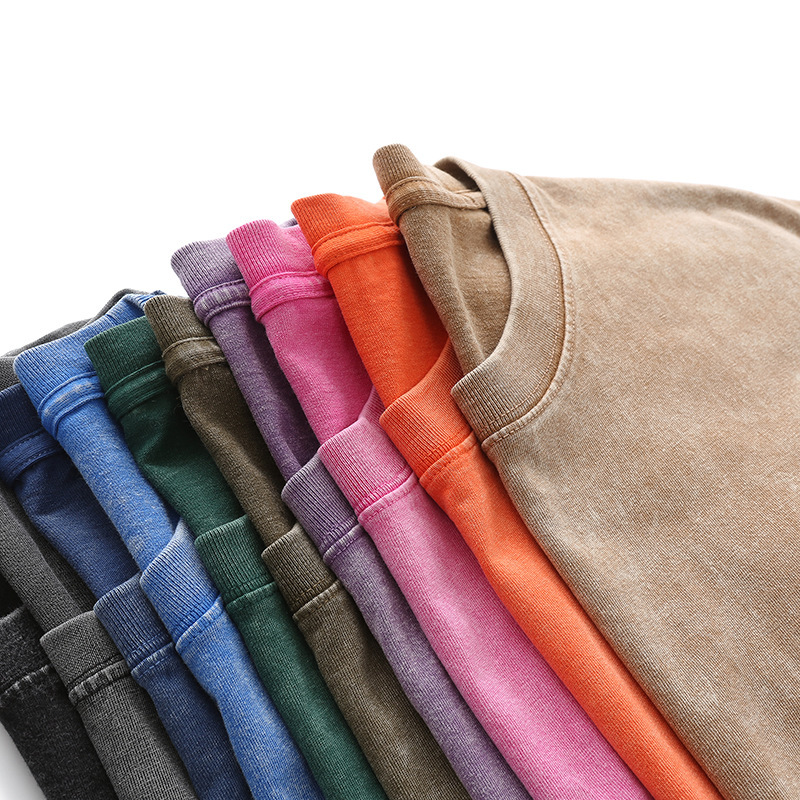
Color Options and Customization: The availability of colors is crucial for retro designs. Ensure that your supplier can offer a palette that aligns with your brand's aesthetic. Customization options, such as unique graphics or embroidery, are also important for creating distinctive products. 

Printing Methods: Different printing techniques, like screen printing or direct-to-garment (DTG), can affect the final appearance and durability of designs. Discuss these options with your supplier to determine which method best suits your project. 

Understanding these specifications will help you source retro tee shirts that not only meet but exceed your expectations. 

Frequently Asked Questions

What fabrics are used for your retro tee shirts?

Our retro tee shirts use quality cotton, cotton blends, and ring-spun cotton for softness and durability. Fabric weight and composition can be customized to meet brand or distributor specifications.
Yes. We offer one-stop design-to-delivery services including custom prints, embroidery, woven labels, and hangtags for bulk orders to match your branding requirements.
MOQ varies by style, fabric, and customization. Contact us with your specifications and desired quantities; we will provide a tailored MOQ and pricing based on production feasibility.
Yes. We produce pre-production samples for approval, including fit, fabric, and print checks, ensuring final production meets your quality and design expectations.
Lead times depend on order size and customization; typical production ranges from 3–8 weeks. We coordinate reliable shipping options worldwide and handle logistics to meet delivery schedules.

Get a Free Quote

Our representative will contact you soon.
0/1000