Sourcing Retro Tees for Wholesale Orders

Jinan Runhang Textile Co., Ltd.   —— Verified by SGS

application/retro-tees-mens, application/retro-tees-mens, 
Inquiry
Inquiry

Retro tees mens

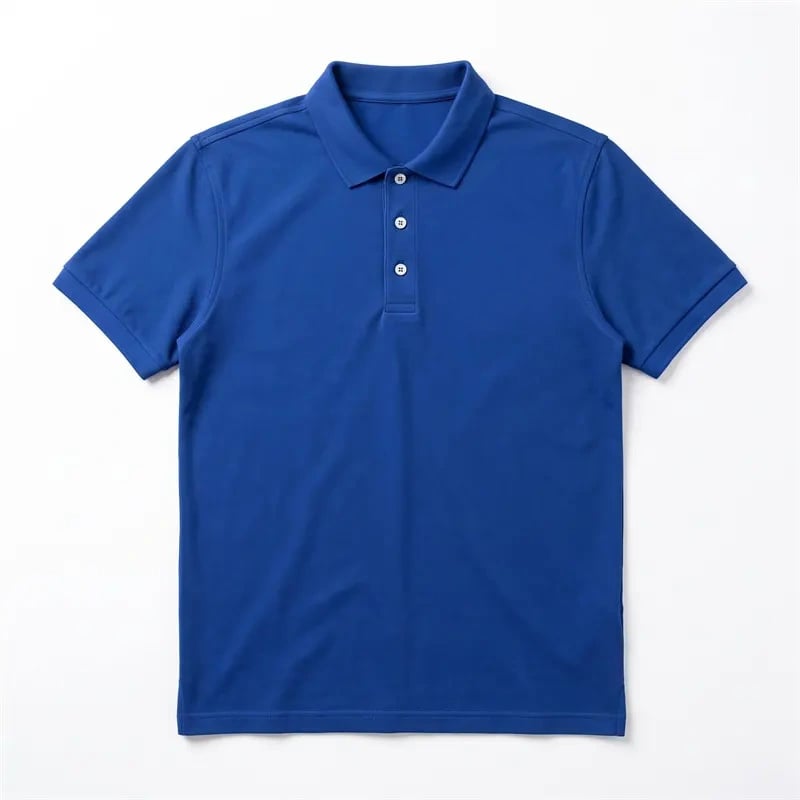
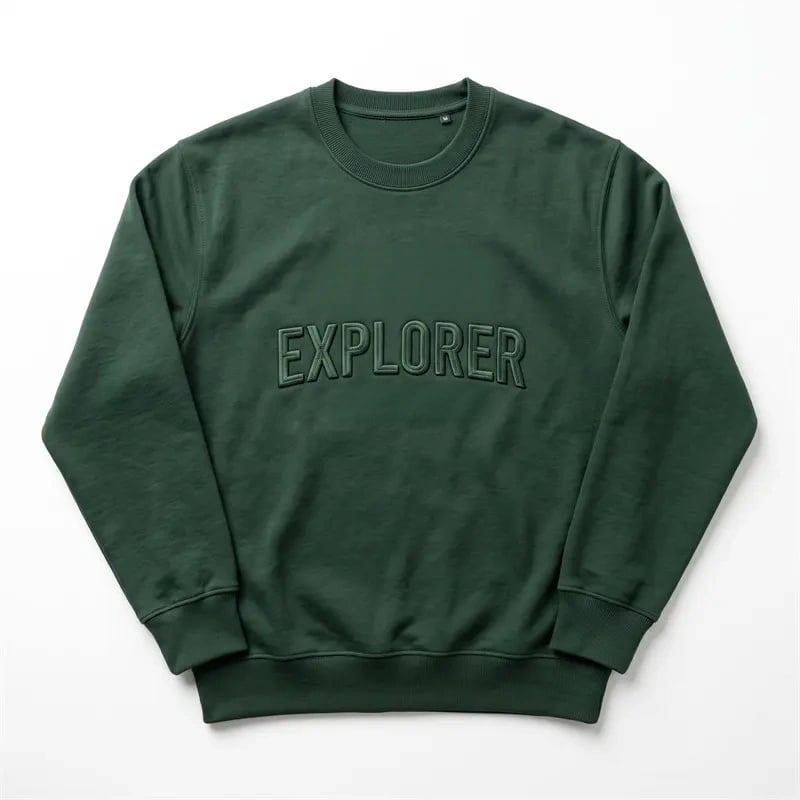
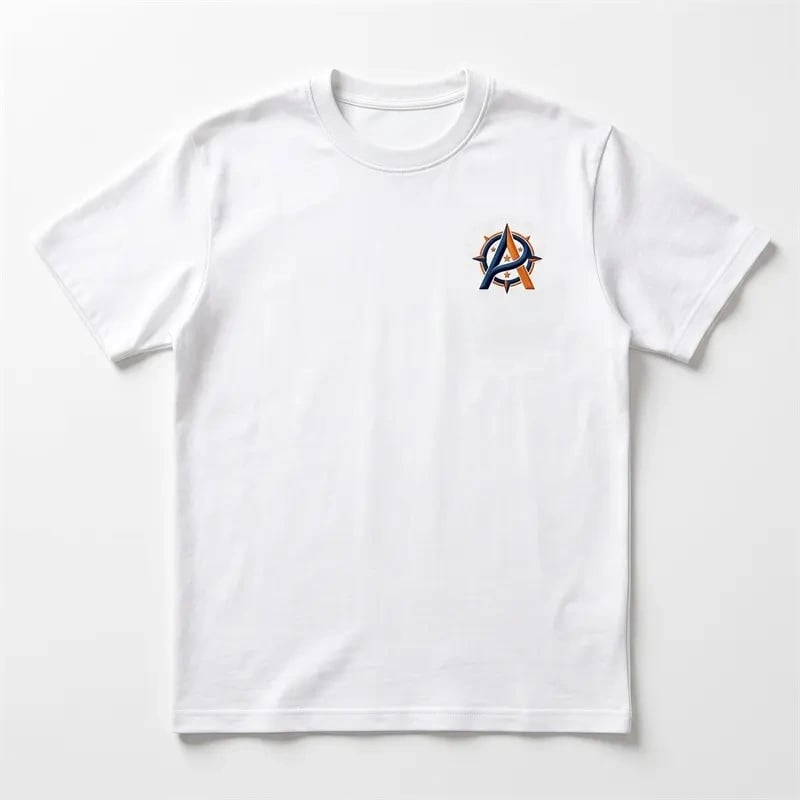
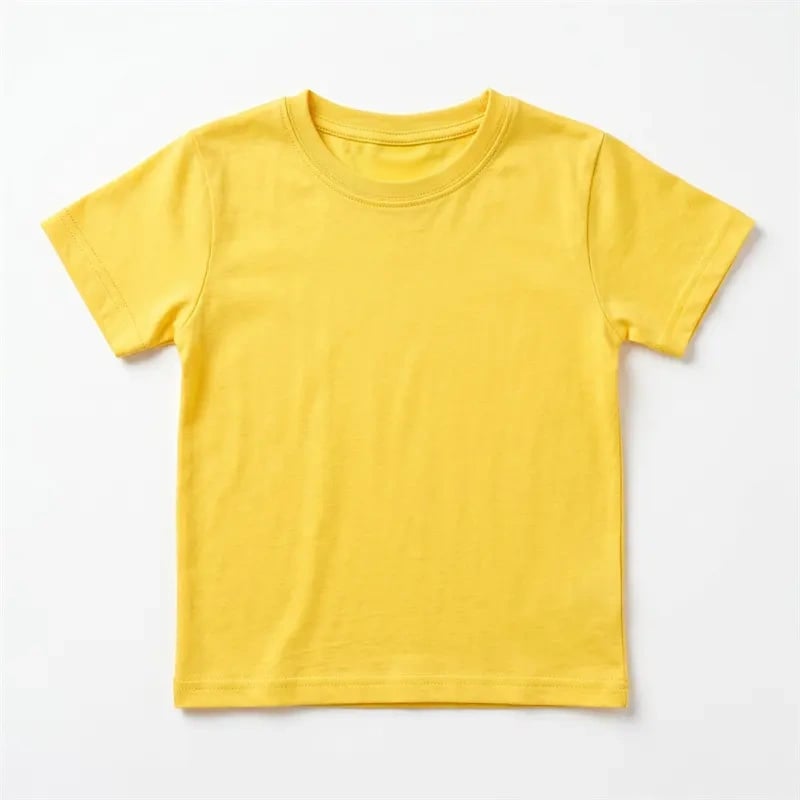
When sourcing retro tees for men, wholesale buyers need to navigate various considerations to ensure they select high-quality products that meet their market demands. Retro tees, characterized by their vintage styling and diverse designs, can appeal to a wide range of consumers. However, buyers often face challenges in sourcing such apparel, including quality assurance, cost efficiency, and customization options. This article will guide you through essential factors to consider when sourcing retro tees, providing practical insights to help you make informed purchasing decisions.

A Buyeru2019s Guide

A Buyeru2019s Guide

When approaching suppliers for retro tees, buyers should prepare a comprehensive request for quotation (RFQ) that includes:

Product Specifications: Clearly outline the desired materials, dimensions, and design elements. For example, specifying a lightweight cotton blend with a vintage wash can help suppliers provide accurate samples.

Order Quantity: Indicate the expected order volume, as this can affect pricing and production timelines. Suppliers often have minimum order quantities (MOQs) that buyers should be aware of.

Target Price Range: Providing a budget can help suppliers tailor their offerings. Discussing pricing upfront can lead to better negotiations and more suitable product options.

Delivery Requirements: Specify any shipping preferences, including packaging and delivery methods, to ensure the products arrive in optimal condition.

Quality Expectations: Outline quality standards, including any certifications or testing requirements for the materials used.

Cost Factors to Assess When Purchasing Retro Tees in Bulk

Cost Factors to Assess When Purchasing Retro Tees in Bulk

Several cost factors can influence the purchasing decision for retro t shirts:

Material Costs: Different fabrics come with varying price points. High-quality materials like organic cotton may be more expensive but can justify a higher retail price due to their perceived value.

Customization Expenses: Custom printing or embroidery can increase production costs. Buyers should evaluate the added value of customization against the potential return on investment.

Shipping and Handling: Factor in costs related to shipping, customs duties, and packaging. Working with a supplier that offers competitive shipping rates can significantly affect the overall cost.

Production Volume Discounts: Many manufacturers offer tiered pricing based on order volume. Understanding these discounts can help buyers determine the most cost-effective order size.

Quality Control Costs: Investing in quality control measures, such as pre-production samples or third-party inspections, can mitigate risks associated with defective goods.

Common Problems When Sourcing Retro Tees and Their Solutions

Common Problems When Sourcing Retro Tees and Their Solutions

Sourcing retro tees can present various challenges. Here are common issues and potential solutions:

Quality Inconsistencies: Variability in fabric quality or printing can lead to customer dissatisfaction. Buyers should request sample approvals before mass production to confirm that the product meets their specifications.

Production Delays: Delays can occur due to unexpected demand or factory issues. Establishing clear communication channels with suppliers can help buyers stay informed about potential delays and adjust their plans accordingly.

Misalignment on Design Expectations: Sometimes, the finished product does not match the initial design. Providing detailed artwork files and specifications can minimize miscommunication. It is also advisable to review prototypes before finalizing orders.

Sizing Issues: Inconsistent sizing can lead to returns. Buyers should verify that manufacturers follow standard sizing charts and consider requesting a fit sample for approval.

Limited Customization Options: Some manufacturers may lack the capacity for specific customization requests. It’s wise to discuss capabilities upfront and explore multiple suppliers if needed.

Applications of Menu2019s Retro Tees in Various Industrial Sectors

Men’s retro tees have versatile applications across different sectors:

Retail and Fashion: Retro tees are popular in fashion retail, appealing to consumers seeking nostalgic styles. Brands can use them to create themed collections or limited-edition lines.

Promotional Merchandise: Companies often use retro tees as promotional items. Custom branding on these tees can enhance brand visibility during events or giveaways.

Sports and Recreation: Retro tees can be used in sports merchandising, especially for teams looking to tap into nostalgic branding. They can feature vintage logos or designs that appeal to fans.

Corporate Gifting: Businesses may use retro tees as part of corporate gifting strategies, offering them to employees or clients to promote a casual, friendly image.

Event Merchandise: Concerts, festivals, and other events frequently sell retro tees as merchandise. This application often allows for high markup potential, particularly if designed with unique graphics related to the event.

By understanding these applications, buyers can better target their sourcing efforts and align product offerings with market demands. Whether for retail or promotional purposes, retro tee shirts can serve as a valuable addition to various business strategies.

What to Consider When Sourcing Retro Tees for Wholesale Orders

When sourcing retro tees or retro vintage t shirts for wholesale orders, buyers should focus on several critical factors:

Design and Style: The appeal of retro tees often lies in their unique designs. Buyers should consider current trends, color palettes, and popular graphics that resonate with their target audience. Collaborating with designers or sourcing from manufacturers with strong styling capabilities can enhance the product offering.

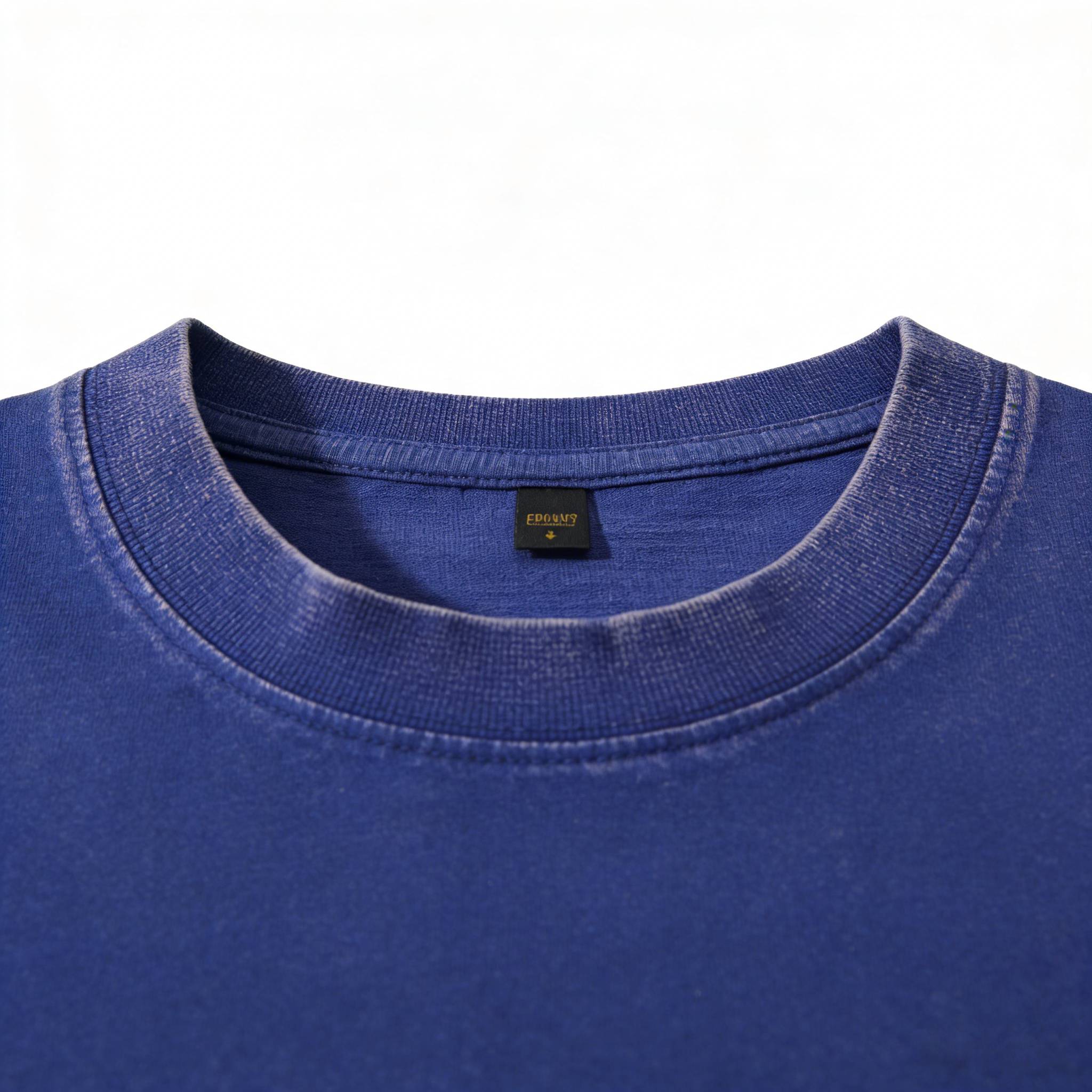
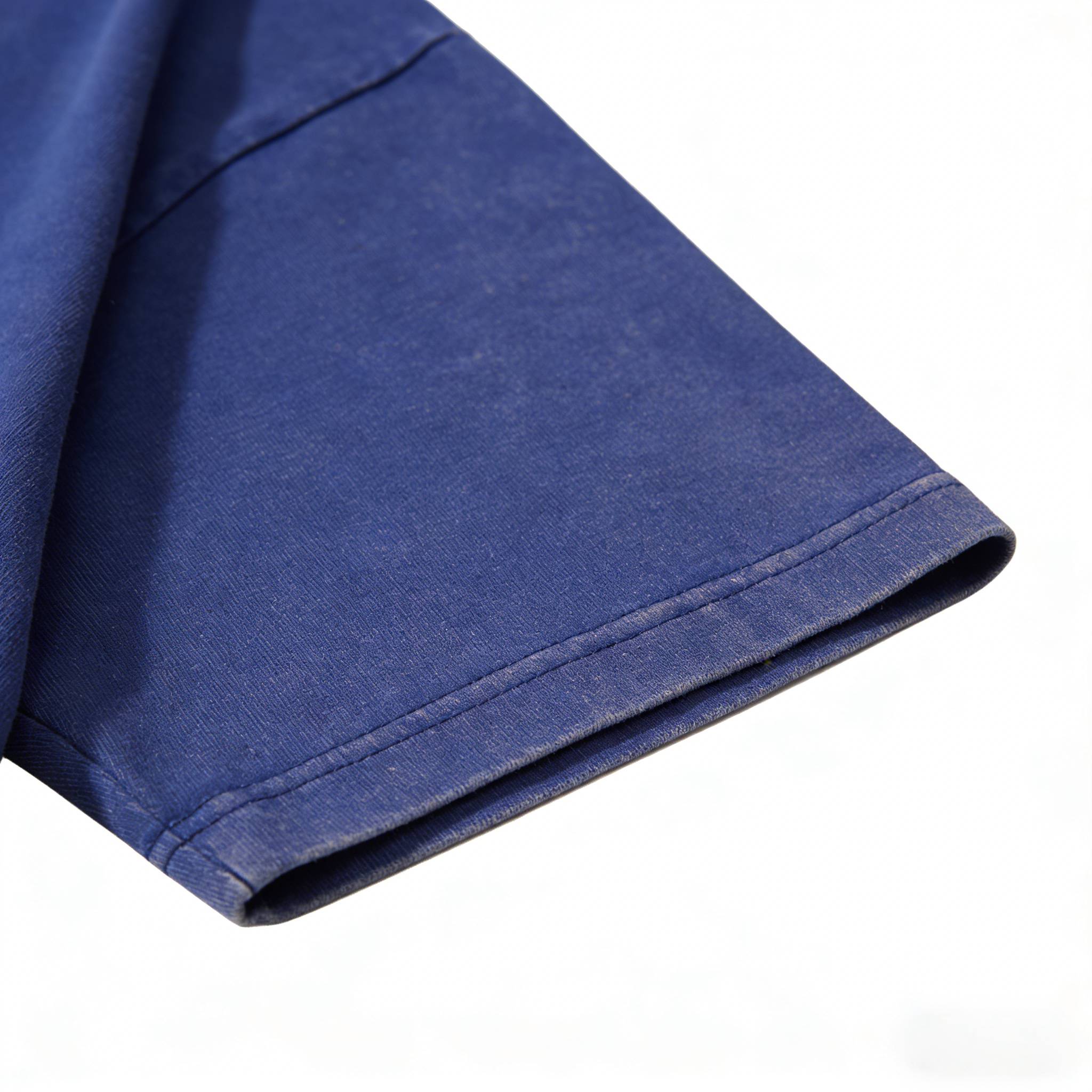
Quality of Materials: The fabric used in retro tees significantly affects their feel and durability. Common materials include cotton, polyester blends, and eco-friendly alternatives. Buyers should verify the textile quality, ensuring it meets consumer expectations for comfort and longevity.

Manufacturing Capabilities: Understanding the manufacturer’s production capabilities is essential. Jinan Runhang Textile Co., Ltd., for example, offers integrated production services, which can streamline the sourcing process. Buyers should inquire about the manufacturer’s ability to handle various designs, sizes, and order volumes.

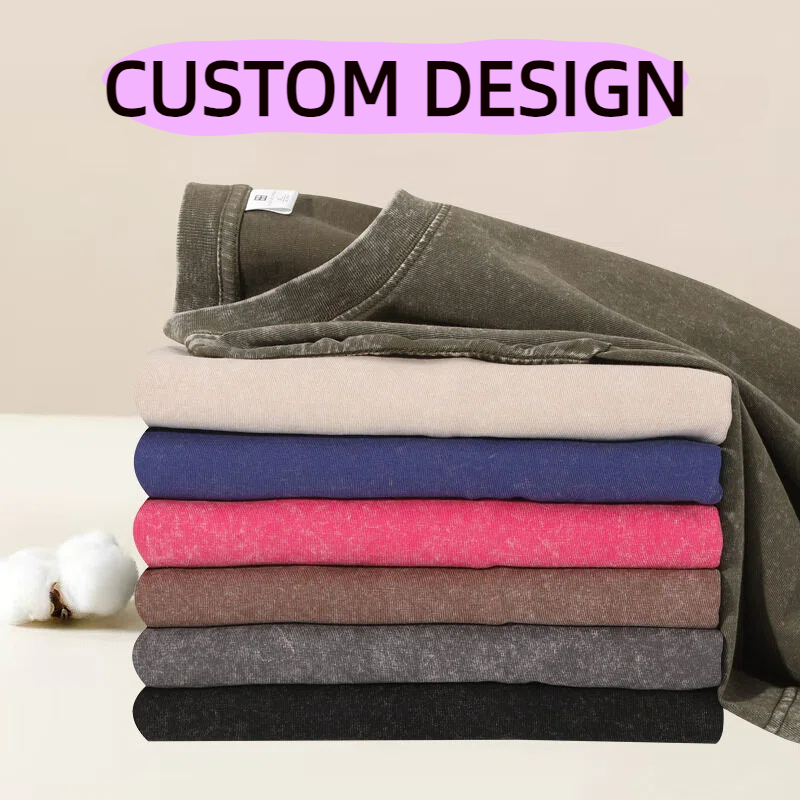
Customization Options: Many brands seek customization to differentiate their retro tees. This can include bespoke designs, screen printing, embroidery, or unique packaging. Buyers should discuss customization capabilities with suppliers to ensure they can meet specific branding requirements.

Lead Times: Timely delivery is crucial in retail. Buyers should clarify lead times for production and shipping to align with their sales schedules. A reliable supplier will provide accurate timelines to avoid stock shortages or missed sales opportunities.

Frequently Asked Questions

What styles are available for retro tees mens?

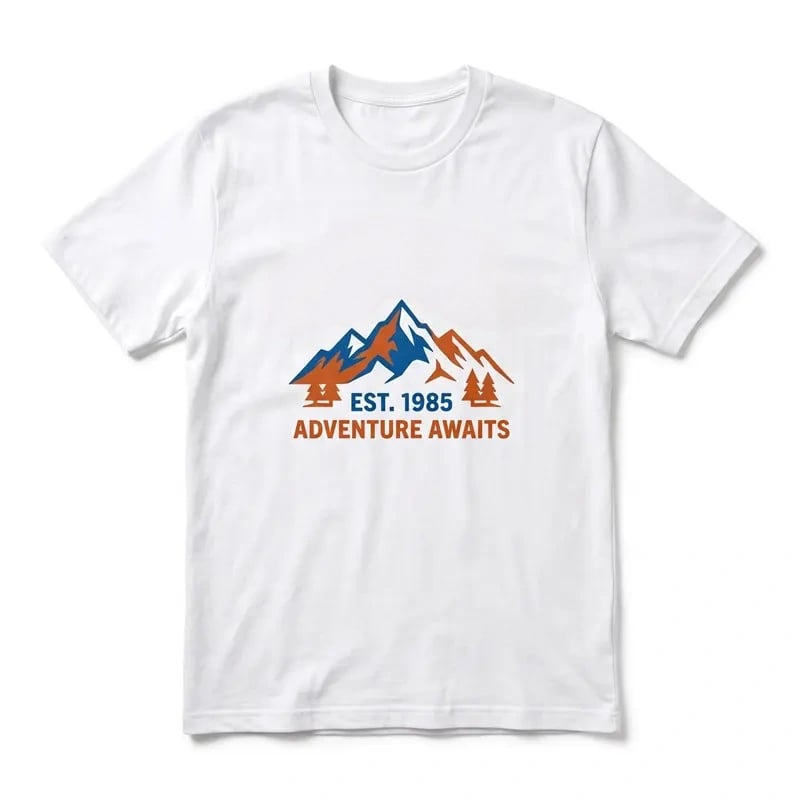
We offer vintage graphic prints, washed colors, ringer tees, striped designs, and fitted or relaxed cuts tailored to retro fashion preferences.
Sizes range from S to XXL as standard; custom size ranges can be produced per order to meet distributor or brand requirements.
We use cotton, cotton blends, and ring-spun cotton in various weights (light to heavy) to achieve authentic retro feel and durability.
Yes. Our integrated design-to-delivery service supports custom prints, labels, tags, and packaging for private label and brand clients.
Lead times depend on quantity and customization; sample turnaround is fast, production typically ranges from weeks to months. MOQ varies—contact us with specs for precise timing and pricing.

Get a Free Quote

Our representative will contact you soon.
0/1000