Choosing the Right Tee Shirt Maker for Your Needs

Jinan Runhang Textile Co., Ltd.   —— Verified by SGS

application/tee-shirt-maker, application/tee-shirt-maker, 
Inquiry
Inquiry

tee shirt maker

When sourcing custom apparel, understanding the nuances of selecting a reliable tee shirt maker is crucial for B2B buyers. Tee shirts are versatile products that can serve various purposes, from promotional items to everyday wear in retail stores. This article will delve into what to look for when choosing a tee shirt maker, the key specifications to consider, the advantages of different materials, the importance of quality control, and the best applications for custom tee shirts across various industries.

Key Specifications to Consider When Sourcing Tee Shirts in Bulk

Key Specifications to Consider When Sourcing Tee Shirts in Bulk

When sourcing tee shirts, several specifications should be prioritized to ensure the final product meets your requirements. Key specifications include fabric type, weight, stitching, sizing, and color options.

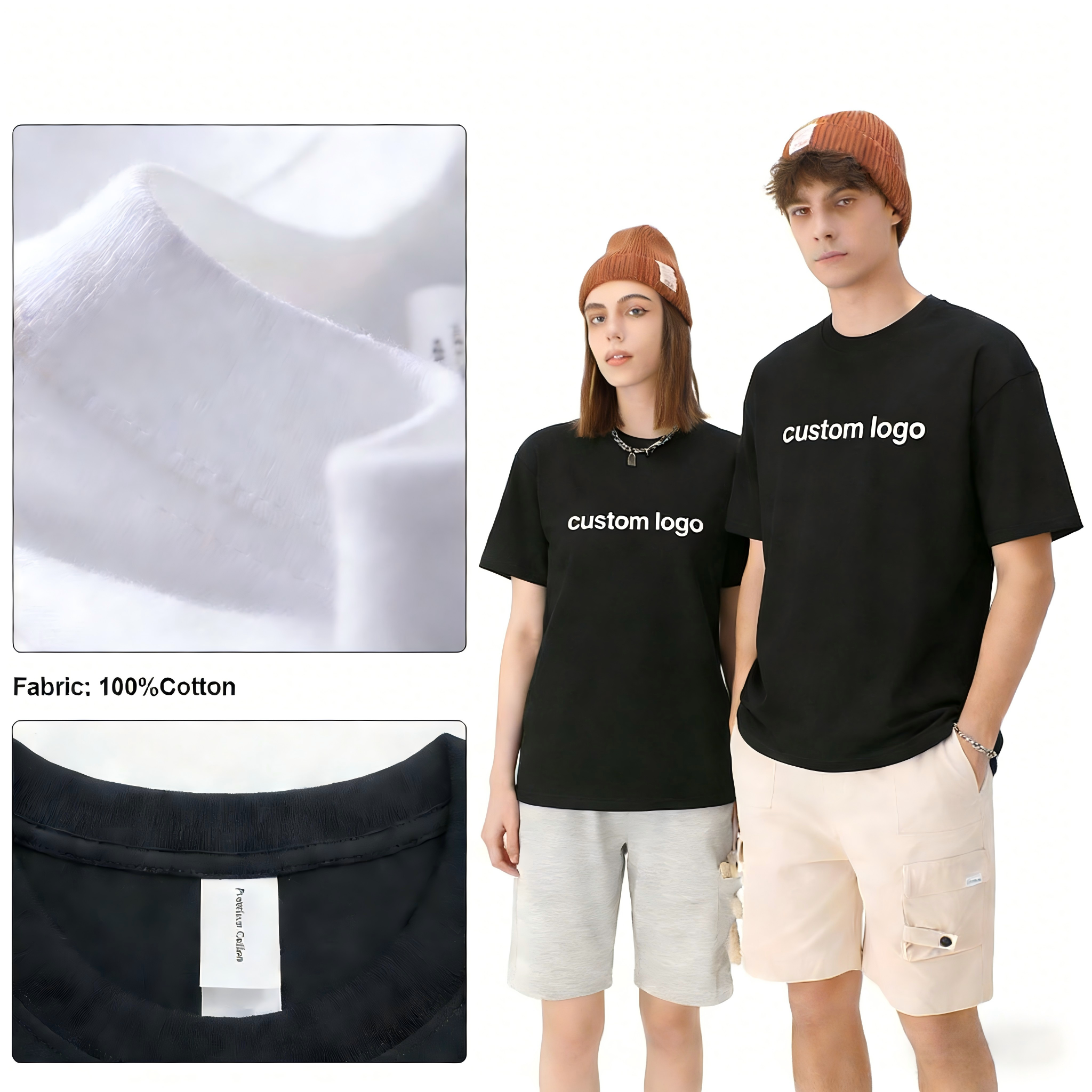
Fabric Type: The material used affects the feel, durability, and suitability for various applications. Common materials include 100% cotton for comfort, polyester for moisture-wicking, and blends for versatility. Select a fabric that aligns with the end-use of the tee shirt.

Weight: The weight of the fabric is often measured in grams per square meter (GSM). A heavier fabric may be more durable, while a lighter fabric may be more breathable. Consider the intended use and climate conditions when choosing the weight.

Stitching: The stitching quality impacts the tee shirt's longevity. Double stitching or reinforced seams are indicators of higher durability and quality. Inspecting samples for stitching consistency is advisable before placing a bulk order.

Sizing Options: Ensure that the manufacturer offers a full range of sizes to accommodate your target audience. Consider how the sizing aligns with your customer base to minimize returns due to fit issues.

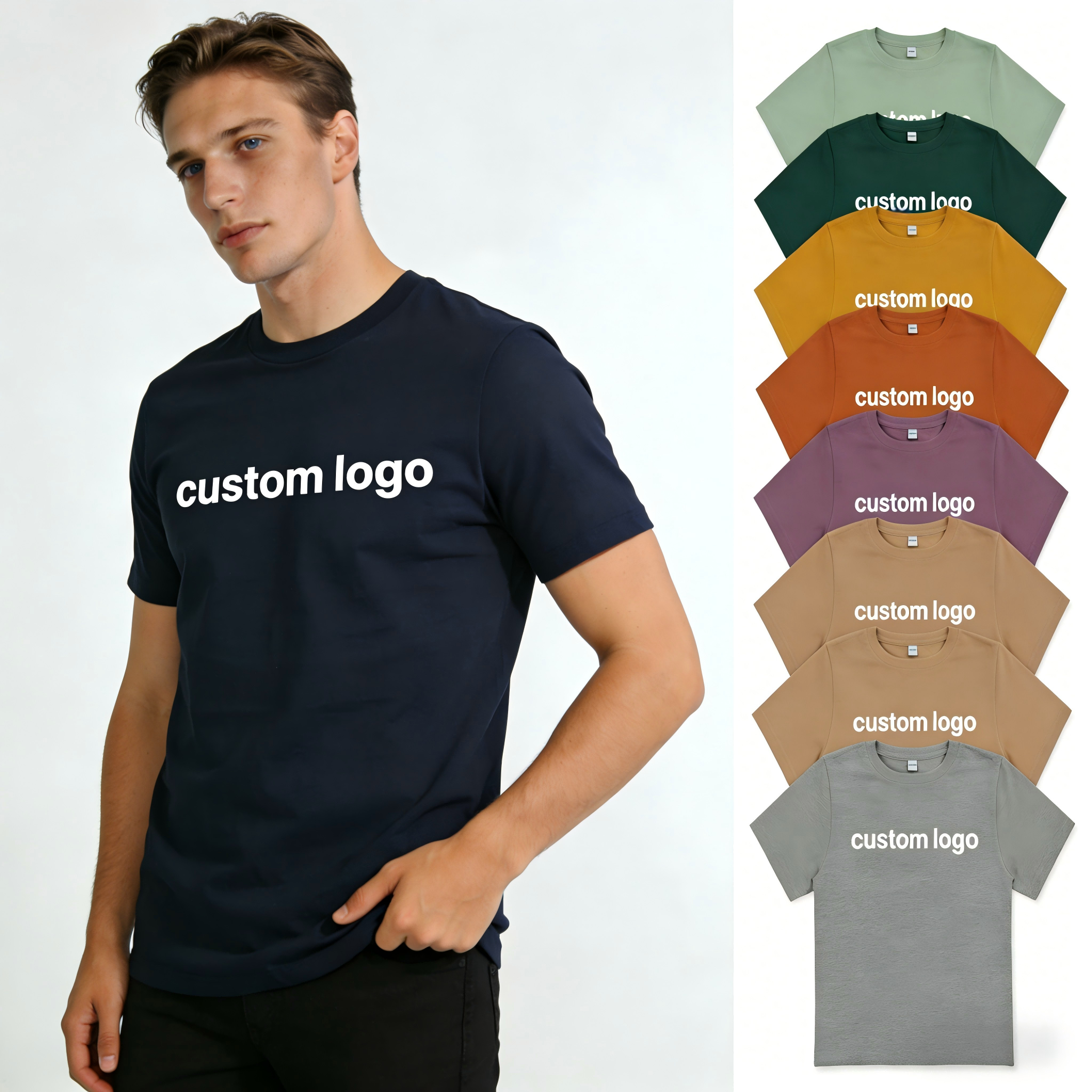
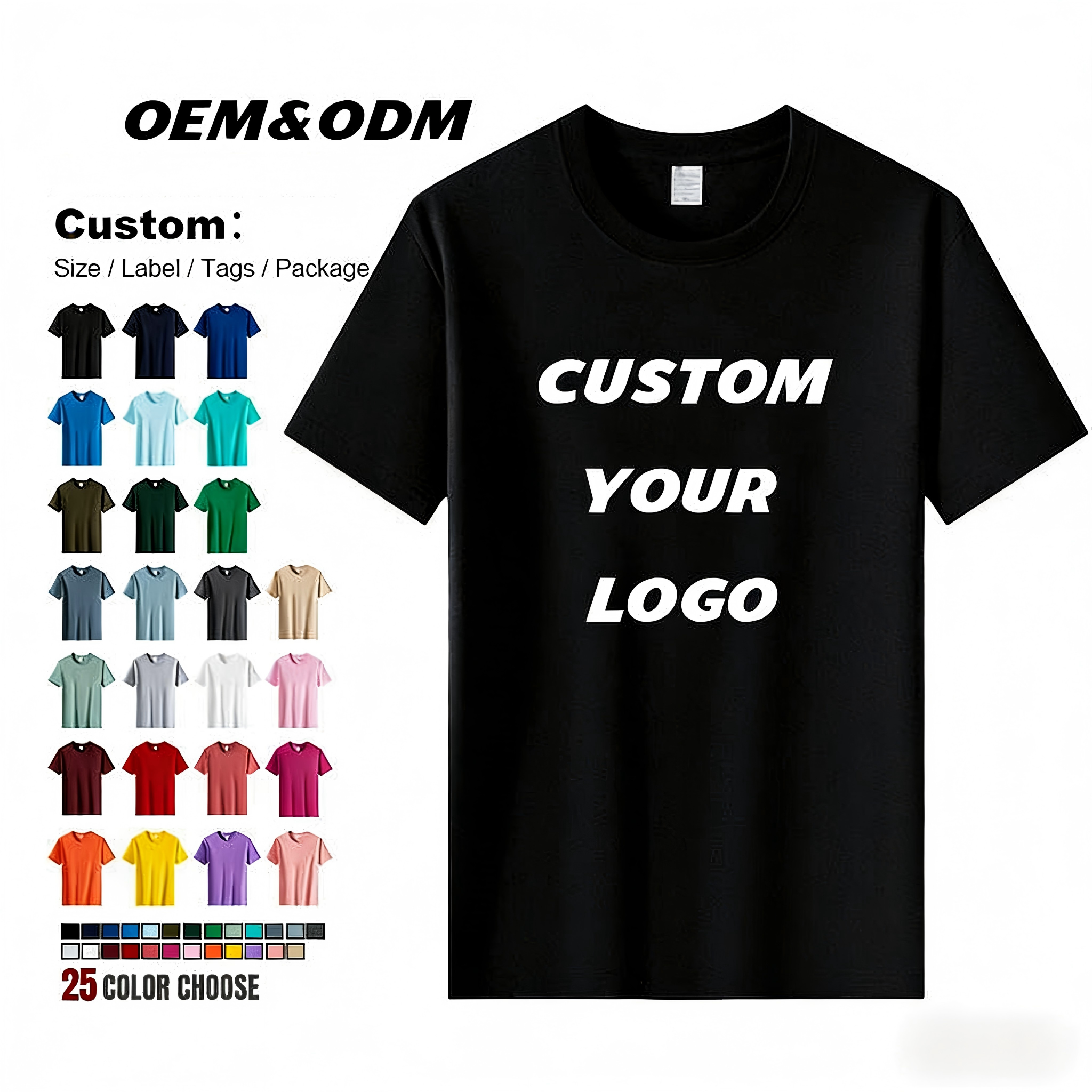
Color Options: A wide range of color choices allows for greater customization. Ensure that the manufacturer can provide Pantone matching or other color consistency assurances, particularly for promotional items that require brand alignment.

Understanding Material Advantages for Custom Tee Shirt Production

Understanding Material Advantages for Custom Tee Shirt Production

The choice of material plays a significant role in the performance and appeal of custom tee shirts. Each material has its unique benefits:

Cotton: Known for its softness and breathability, cotton is a popular choice for casual wear. It is comfortable against the skin and can absorb moisture, making it ideal for everyday use.

Polyester: This synthetic fabric is lightweight and moisture-wicking, making it suitable for athletic wear. Polyester tee shirts often retain their shape better than cotton, making them ideal for active environments.

Blends: Cotton-polyester blends combine the best features of both fabrics, offering comfort and durability. This versatility allows for a balance of softness and moisture management, making blends suitable for various applications, from promotional items to uniforms. Additionally, products like Custom Logo Premium Heavyweight 100% Cotton Hoodie exemplify this versatility.

Eco-Friendly Options: With a growing focus on sustainability, consider manufacturers that offer organic cotton or recycled materials. This not only aligns with environmentally conscious practices but can also appeal to consumers looking for sustainable options.

The Role of Quality Control in Tee Shirt Manufacturing Processes

The Role of Quality Control in Tee Shirt Manufacturing Processes

Quality control is a vital aspect of the tee shirt manufacturing process. Implementing stringent quality checks throughout production ensures that the final product meets the required specifications and standards.

Key quality control measures include:

Material Inspection: Before production begins, inspect raw materials for defects or inconsistencies. This step ensures that only high-quality materials are used in the final product.

In-Process Checks: Conduct quality checks at various stages of the manufacturing process, such as during cutting, sewing, and printing. This helps identify any issues early, preventing costly rework or delays.

Final Inspection: Perform a thorough inspection of the finished tee shirts to ensure they meet all specifications, including sizing, stitching, and print quality. Random sampling can be effective in assessing overall quality.

Feedback Loop: Establish a system for receiving feedback from clients and customers about product quality. This information can be invaluable for continuous improvement and can help in adjusting processes to better meet customer expectations.

Best Applications for Custom Tee Shirts in Various Industries

Custom tee shirts have a wide range of applications across several industries, making them a versatile promotional and branding tool. Here are some of the best applications:

Corporate Branding: Many companies use custom tee shirts for employee uniforms or promotional events. This not only helps in brand visibility but also fosters a sense of unity among employees.

Events and Festivals: Custom tee shirts are often used for events, conferences, and festivals. Providing attendees with branded apparel can enhance the event experience and promote brand recognition.

Sports Teams: Athletic teams frequently use customized tee shirts for uniforms. Selecting moisture-wicking materials ensures comfort and performance during physical activities.

Non-Profits and Fundraising: Organizations often use custom tee shirts as part of fundraising efforts. They can serve as merchandise that promotes the cause while providing a tangible product for supporters.

Retail: Retailers can benefit from custom tee shirts as part of their merchandise offerings. Whether for a specific campaign or as staple items, they can be designed to reflect current trends or seasonal themes, similar to the Custom Logo Professional Silk Screen Print T-shirt.

When selecting a tee shirt maker, it is essential to consider various factors such as manufacturing capabilities, material advantages, quality control processes, and the specific applications of the tee shirts. By understanding these elements, B2B buyers can make informed decisions that align with their business needs and ultimately lead to successful product outcomes.

What to Look for in Tee Shirt Makers

When evaluating a tee shirt maker, the first aspect to consider is the manufacturer's experience and capabilities. Look for a company that offers integrated production and a one-stop design-to-delivery service, ensuring a smooth workflow from concept to finished product. It's also essential to verify the manufacturer's production capacity, as this will influence lead times and the ability to meet bulk orders.

Another critical factor is the customization capabilities of the tee shirt maker. This includes the variety of styles, colors, sizes, and printing or embroidery options available. A manufacturer that offers flexibility in customization can better meet your specific needs and those of your end customers. For instance, options like Custom Design High-Definition All-Over Print Sublimation Hoodie can enhance the appeal of your brand.

Lastly, assess the company's reputation and customer service. Look for testimonials or case studies from previous clients to gauge the quality of their products and services. A responsive and knowledgeable customer service team can significantly streamline the ordering process and address any potential issues that may arise.

Get a Free Quote

Our representative will contact you soon.
0/1000