Custom T-Shirts: Key Considerations for Buyers

Jinan Runhang Textile Co., Ltd.   —— Verified by SGS

application/making-your-own-t-shirts, application/making-your-own-t-shirts, 
Inquiry
Inquiry

making your own t shirts

Making your own T-shirts is a popular way for businesses to express their brand identity and engage with customers. Whether you're a distributor, a purchasing manager, or an entrepreneur looking to enter the custom apparel market, understanding the nuances of T-shirt production is crucial. This article will address key considerations in ordering custom T-shirts, covering what buyers should look for, cost factors, application scenarios in various industries, comparisons of different styles, and installation guidance for customizing orders.

Cost Factors to Consider When Ordering Custom T-Shirts

Cost Factors to Consider When Ordering Custom T-Shirts

Several cost factors influence the pricing of custom T-shirts:

Material Costs: The type of fabric chosen will significantly affect the overall cost. Higher-quality materials often come with a higher price tag but contribute to better durability and customer satisfaction.

Design Complexity: Intricate designs may require more setup time and resources, which can increase costs. Buyers should consider whether their design is simple enough to remain cost-effective while still being visually appealing.

Printing Techniques: Different printing methods have varying costs associated with them. For example, screen printing is typically more economical for large batches, while digital printing may be better for smaller, more complex designs.

Quantity Ordered: Generally, the more T-shirts ordered, the lower the per-unit price. Buyers should evaluate their needs and budget when deciding on order quantities.

Shipping and Handling: Costs associated with shipping should not be overlooked. Factors such as distance, weight, and delivery speed can all impact the final price.

Application Scenarios for Custom T-Shirts in Various Industries

Application Scenarios for Custom T-Shirts in Various Industries

Custom T-shirts serve a wide range of applications across different industries:

Retail and Promotion: Businesses often use custom T-shirts as promotional items. They can enhance brand visibility at events and trade shows.

Corporate Branding: Many companies provide custom T-shirts as uniforms for employees, fostering a sense of unity and professionalism. This is especially common in industries like hospitality and retail.

Sports and Fitness: Teams and fitness clubs frequently order custom T-shirts for events, training, and merchandise, benefiting from moisture-wicking materials and vibrant designs.

Fundraising and Awareness Campaigns: Nonprofits often use custom T-shirts as part of fundraising efforts or awareness campaigns, leveraging the power of apparel to spread their message.

Events and Gatherings: Festivals, concerts, and community events often feature custom shirts to promote the event and create a sense of belonging among attendees.

Comparing Different T-Shirt Styles for Your Wholesale Needs

Comparing Different T-Shirt Styles for Your Wholesale Needs

When selecting T-shirt styles for wholesale orders, buyers should consider various options:

Crew Neck vs. V-Neck: Crew necks are classic and widely accepted in casual wear, while V-necks offer a more modern and stylish look. The choice between these styles can depend on target demographics and branding.

Fitted vs. Relaxed Fit: Fitted T-shirts cater to a more tailored audience, while relaxed fits are more comfortable for casual wear. Understanding your target audience’s preference can guide your choice.

Long Sleeve vs. Short Sleeve: Seasonal demands often dictate the choice between long and short sleeves. Some buyers may also opt for a combination to meet varied customer needs.

Fabric Weight: The weight of the fabric can affect the T-shirt's drape and durability. Lightweight fabrics are often preferred for summer wear, while heavier fabrics may be better for cooler seasons.

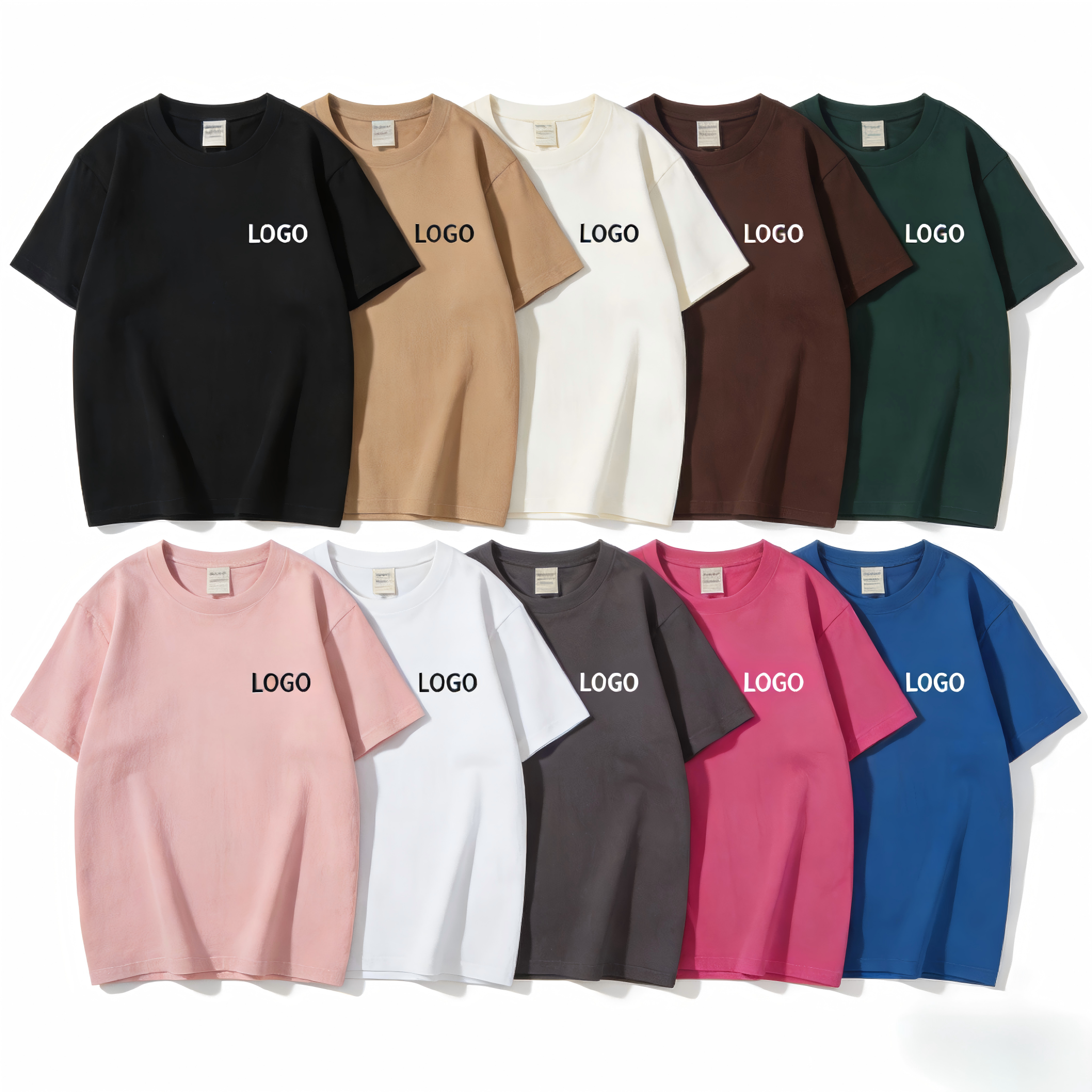
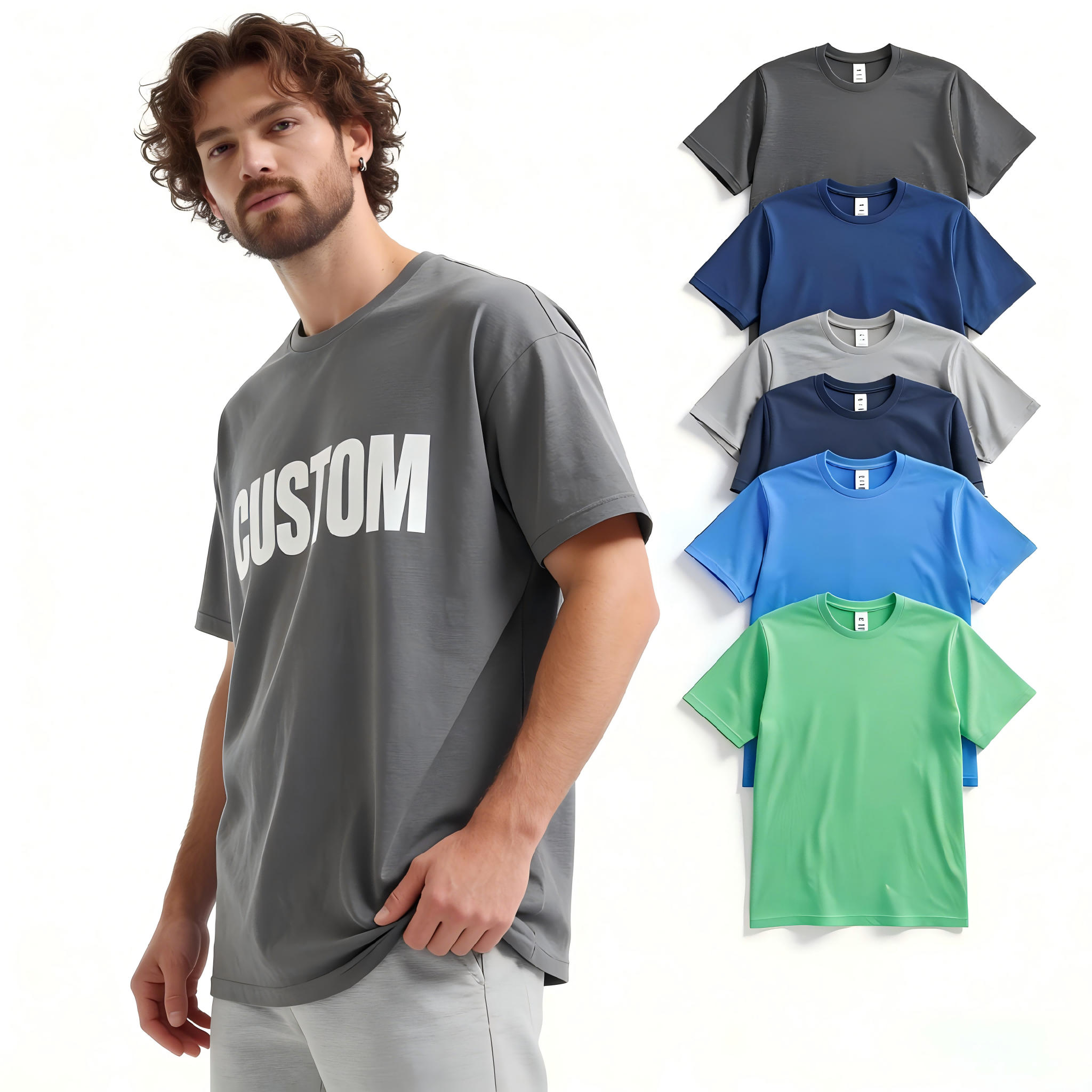
Color Options: Availability of colors can significantly impact design choices. It’s essential to choose a manufacturer that provides a wide range of colors to align with branding requirements.

Installation Guidance for Customizing Your T-Shirt Orders

Once you have selected your custom T-shirts, there are several steps to ensure successful customization:

Submit Artwork: Ensure that your design files meet the manufacturer’s specifications. Vector files (like AI or EPS) are typically preferred for screen printing, as they maintain quality at various sizes.

Sample Approval: Before mass production, request a sample to confirm the fit, feel, and appearance of the T-shirt. This step helps avoid costly mistakes in the final order.

Confirm Specs: Ensure that all specifications, including sizes, colors, and printing methods, are confirmed in writing. This will help maintain clarity and prevent misunderstandings.

Review Production Timelines: Discuss production timelines with your supplier. Understanding lead times for different quantities and customization methods will help manage your expectations.

Quality Checks: Before accepting the final shipment, perform quality checks to ensure that the T-shirts meet agreed-upon specifications. This includes checking for print quality, color consistency, and overall craftsmanship.

By understanding these key aspects of making your own T-shirts, B2B buyers can navigate the customization process more effectively, ensuring that their final products meet their needs and expectations.

What Buyers Should Look For

When considering custom T-shirts, buyers should evaluate several essential factors:

Material Selection: The choice of fabric significantly influences the T-shirt's feel, durability, and suitability for various applications. Common materials include cotton, polyester, and blends. Cotton is breathable and comfortable, making it ideal for casual wear, while polyester is often more durable and moisture-wicking, suited for athletic use. For those looking for high-performance options, consider our Custom Logo High-Performance 100% Polyester Sweatshirt which offers excellent moisture-wicking properties.

Manufacturing Capabilities: Understanding a supplier's production capabilities is crucial. This includes their ability to handle bulk orders, customization options, and turnaround times. Jinan Runhang Textile Co., Ltd. offers integrated production services, ensuring a streamlined process from design to delivery.

Quality Control Processes: Ensuring consistent quality is vital for any custom clothing order. Buyers should inquire about the manufacturer’s quality control measures, including inspection protocols at various production stages.

Customization Options: Different customization techniques, such as screen printing, embroidery, or heat transfer, can affect the final product's look and feel. Buyers should clarify what methods are available and suitable for their design needs. For instance, our Custom Logo Professional Silk Screen Print T-shirt is a great choice for high-definition printing.

Minimum Order Quantity (MOQ): Many manufacturers have a minimum order quantity, which can impact budget and inventory management. Understanding the MOQ helps buyers make informed decisions about their orders.

Get a Free Quote

Our representative will contact you soon.
0/1000