Key Specifications for Retro T-Shirt Manufacturing

Jinan Runhang Textile Co., Ltd.   —— Verified by SGS

application/retro-tshirt, application/retro-tshirt, 
Inquiry
Inquiry

Retro tshirt

Retro t-shirts have gained significant popularity in recent years, appealing to various demographics with their nostalgic designs and comfortable fit. For B2B buyers, understanding the key specifications, sourcing reliable suppliers, and recognizing material advantages is essential for successful procurement. This article addresses common buyer concerns, providing insights into evaluating retro t shirts for optimal business outcomes.

Where to Source Reliable Wholesale Retro T-Shirt Suppliers

Where to Source Reliable Wholesale Retro T-Shirt Suppliers

Finding a reliable wholesale retro t-shirt supplier is critical for ensuring quality and consistency. Here are some strategies to locate trustworthy manufacturers:

Industry Trade Shows: Attending textile and apparel trade shows can provide direct access to various manufacturers. This allows for face-to-face interactions, enabling buyers to assess product quality firsthand.

Online Marketplaces: Platforms can connect you with numerous wholesale retro t-shirt suppliers. Look for those with verified ratings and customer reviews.

Referral Networks: Utilizing industry contacts or networks can lead to recommendations for reputable suppliers. Engaging with other businesses in your sector can yield valuable insights.

Supplier Verification: Before finalizing a supplier, conduct thorough background checks. Request certifications (like ISO) and samples to evaluate quality and service reliability.

Local vs. Overseas Suppliers: Weigh the pros and cons of sourcing locally versus internationally. Local suppliers may offer faster lead times and easier communication, while overseas suppliers might provide lower costs.

Understanding Material Advantages for Retro T-Shirt Durability

Understanding Material Advantages for Retro T-Shirt Durability

The choice of material significantly impacts the durability and overall quality of retro t-shirts. Here are some common materials and their advantages:

Cotton: Known for its softness and breathability, cotton is comfortable against the skin, making it ideal for casual wear. However, it may be prone to shrinking and wrinkling if not treated properly.

Polyester: This synthetic fabric is highly durable, moisture-wicking, and resistant to shrinking and stretching. Polyester blends can enhance durability while maintaining comfort.

Cotton-Polyester Blends: Combining the best of both worlds, these blends offer comfort, durability, and reduced wrinkling. This makes them a popular choice for retro tee shirts.

Sustainable Materials: Increasingly, suppliers are offering t-shirts made from organic cotton or recycled polyester. These options appeal to environmentally conscious buyers and can enhance brand reputation.

Weight and Thickness: The fabric weight, typically measured in grams per square meter (GSM), affects the t-shirt's feel and durability. A higher GSM often translates to a sturdier garment, while lighter fabrics may be more suitable for warmer climates.

Common Installation Problems with Retro T-Shirts and Solutions

Common Installation Problems with Retro T-Shirts and Solutions

While retro t-shirts are generally straightforward products, buyers may encounter common issues during procurement or customization:

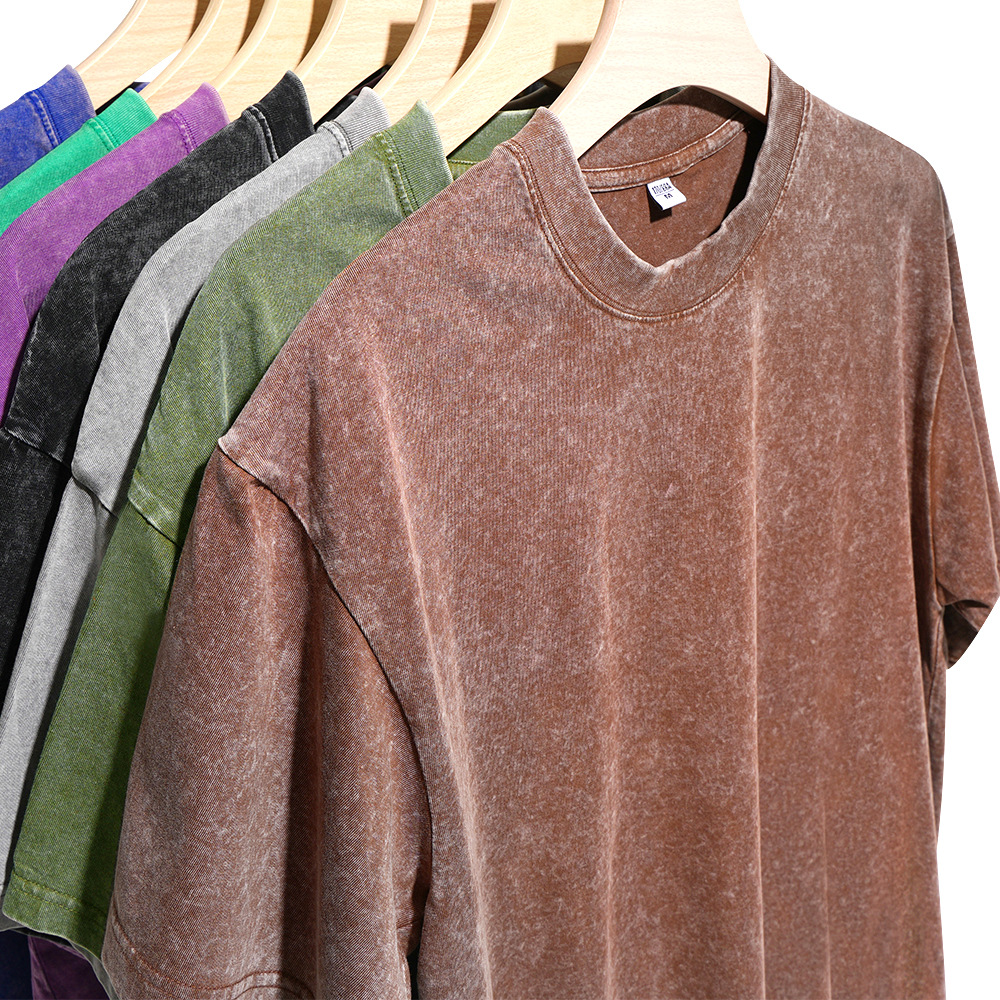
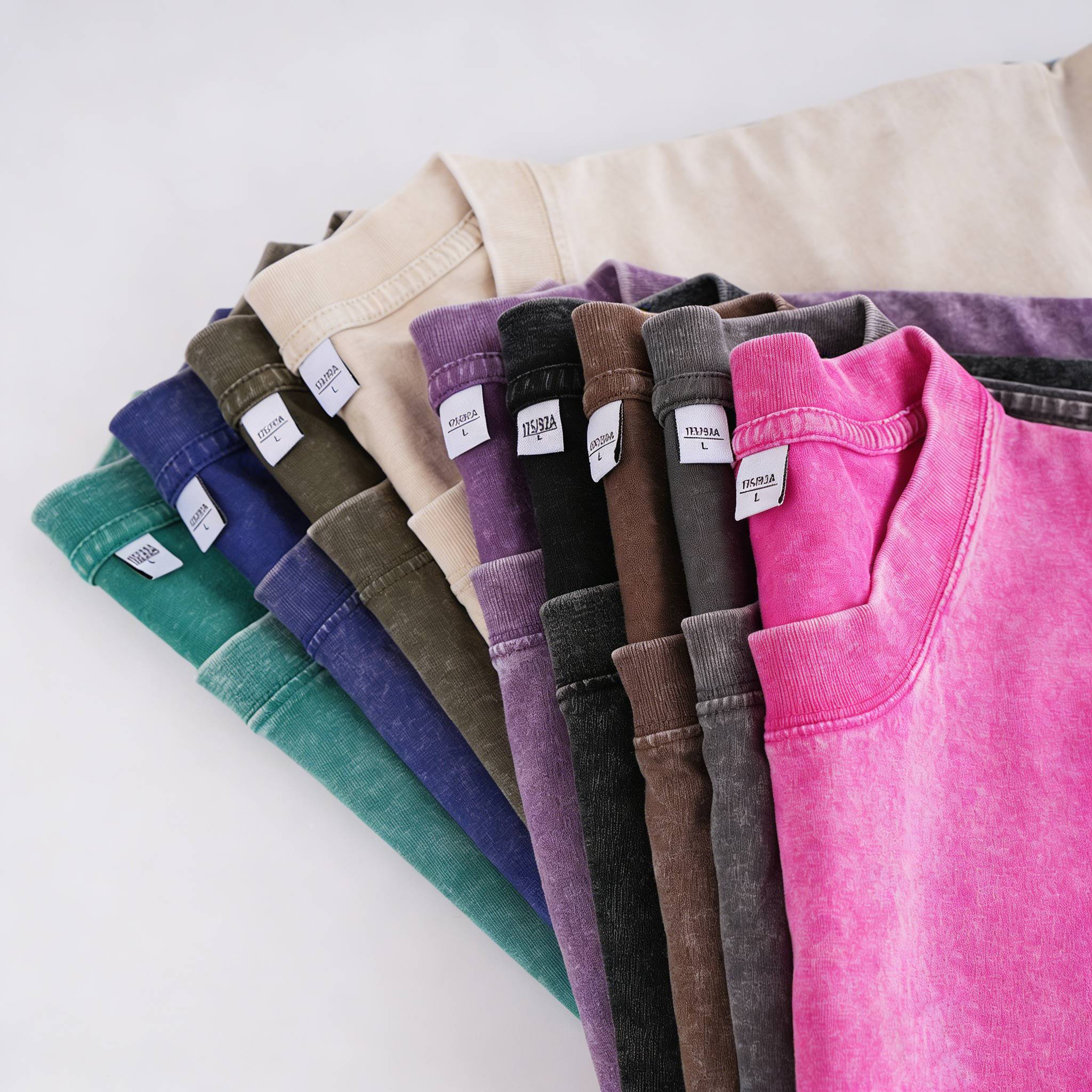
Color Matching: Variations in color between samples and bulk orders can occur due to different dye lots. To mitigate this, always request lab dips and approve samples before mass production.

Sizing Discrepancies: Inconsistent sizing across batches can lead to customer dissatisfaction. Ensure that your supplier adheres to a standardized sizing chart and conducts thorough quality checks.

Print Quality Issues: Problems like fading or peeling prints can arise from subpar printing techniques or materials. Collaborate with suppliers who have a proven track record in high-quality printing.

Miscommunication on Customization: Clear communication regarding artwork and design specifications is vital. Providing technical drawings or detailed guidelines can help prevent misunderstandings and errors.

Lead Time Delays: Suppliers may face delays due to unforeseen circumstances. It's advisable to establish clear timelines and maintain open lines of communication throughout the production process.

Applications of Retro T-Shirts Across Various Industries

Retro t-shirts find applications across multiple industries, appealing to diverse customer bases. Here are some key sectors that benefit from retro t-shirt offerings:

Fashion and Retail: Retail brands can leverage retro t-shirts to tap into nostalgic trends, targeting consumers looking for unique, vintage-inspired clothing.

Promotional Events: Businesses often use retro style t shirts as promotional items for events, enhancing brand visibility while providing attendees with a memorable takeaway.

Music and Entertainment: Concerts and festivals frequently sell retro t-shirts featuring iconic band logos or vintage designs, creating a lasting connection with fans.

Corporate Branding: Companies can employ retro t-shirts for employee uniforms or corporate giveaways, fostering a sense of community and brand loyalty.

Sports Teams: Retro t-shirts featuring classic team logos or designs can appeal to dedicated fans, creating a market for nostalgic sports merchandise.

By understanding the nuances of retro t-shirt manufacturing and procurement, B2B buyers can make informed decisions that align with their business needs and customer expectations.

Key Specifications to Evaluate in Retro T-Shirt Manufacturing

When assessing retro t-shirts for your brand or distribution needs, several key specifications should be prioritized:

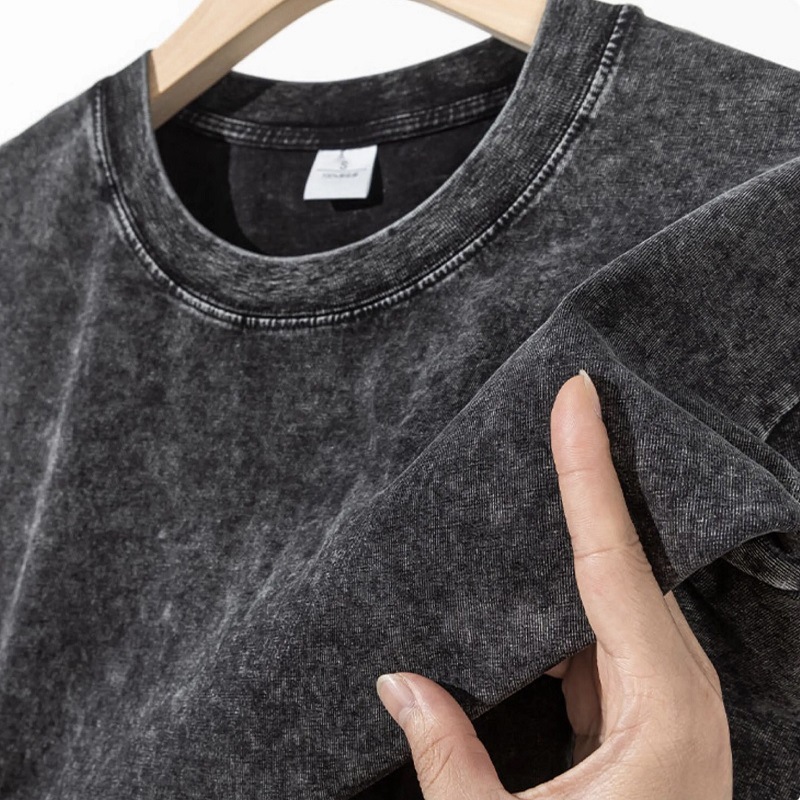
Material Composition: Retro t-shirts are often crafted from cotton, polyester, or blends. Understanding the fabric's breathability, softness, and durability is crucial. For instance, 100% cotton offers comfort and breathability, while polyester blends can enhance durability and reduce shrinkage.

Fit and Sizing: Variations in fit (e.g., slim, regular, or loose) can significantly impact customer satisfaction. Ensure that the supplier provides a detailed size chart and consistent sizing across different batches.

Print Quality: The method of printing (screen printing, digital printing, or heat transfer) affects the visual appeal and longevity of designs. High-quality printing ensures that graphics remain vibrant and intact after multiple washes.

Stitching and Construction: Inspect the stitching techniques used. Double-stitched seams may offer greater durability compared to single-stitched seams, which can lead to quicker wear.

Labeling and Branding Options: Custom labels and tags can enhance brand visibility. Ensure that the supplier can accommodate your branding needs without compromising the t-shirt's quality.

Frequently Asked Questions

What materials are used for the Retro tshirt?

Our Retro tshirt is made from quality cotton or cotton blends selected for comfort and durability, crafted in-house using our integrated production process to ensure consistent fabric and finish.
Yes. We offer one-stop design-to-delivery services including custom printing, embroidery, and private labels to meet brand and distributor specifications.
We provide a full size range from S to XXL with multiple fits (regular, slim). Custom size grading is available for bulk orders upon request.
MOQs vary by customization but typically start low for standard items; lead time for production and delivery ranges from 2–8 weeks depending on volume and finishing.
We maintain quality through in-house manufacturing, trained craftsmen, and final inspections at each production stage to ensure consistent stitching, colorfastness, and fit.

Get a Free Quote

Our representative will contact you soon.
0/1000