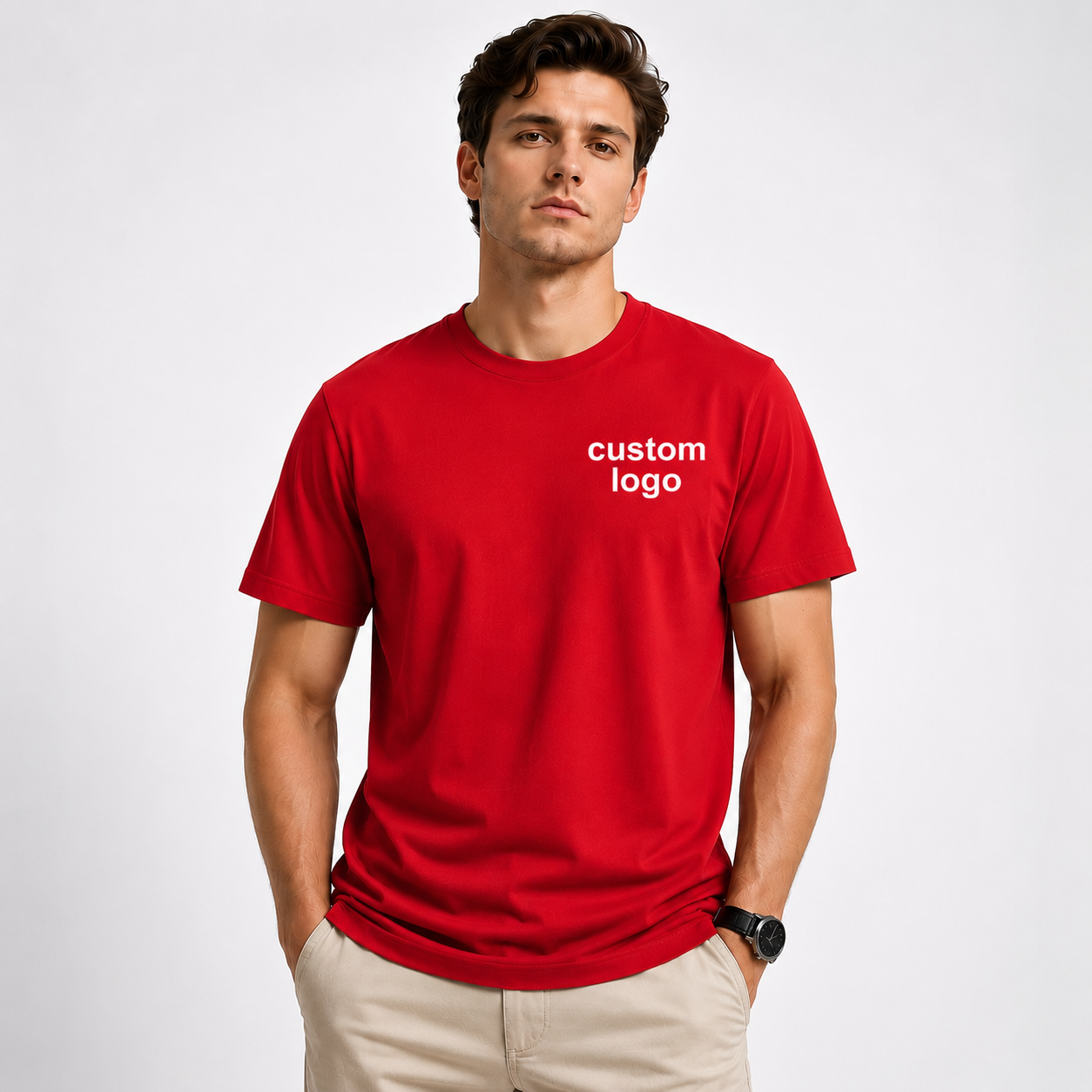
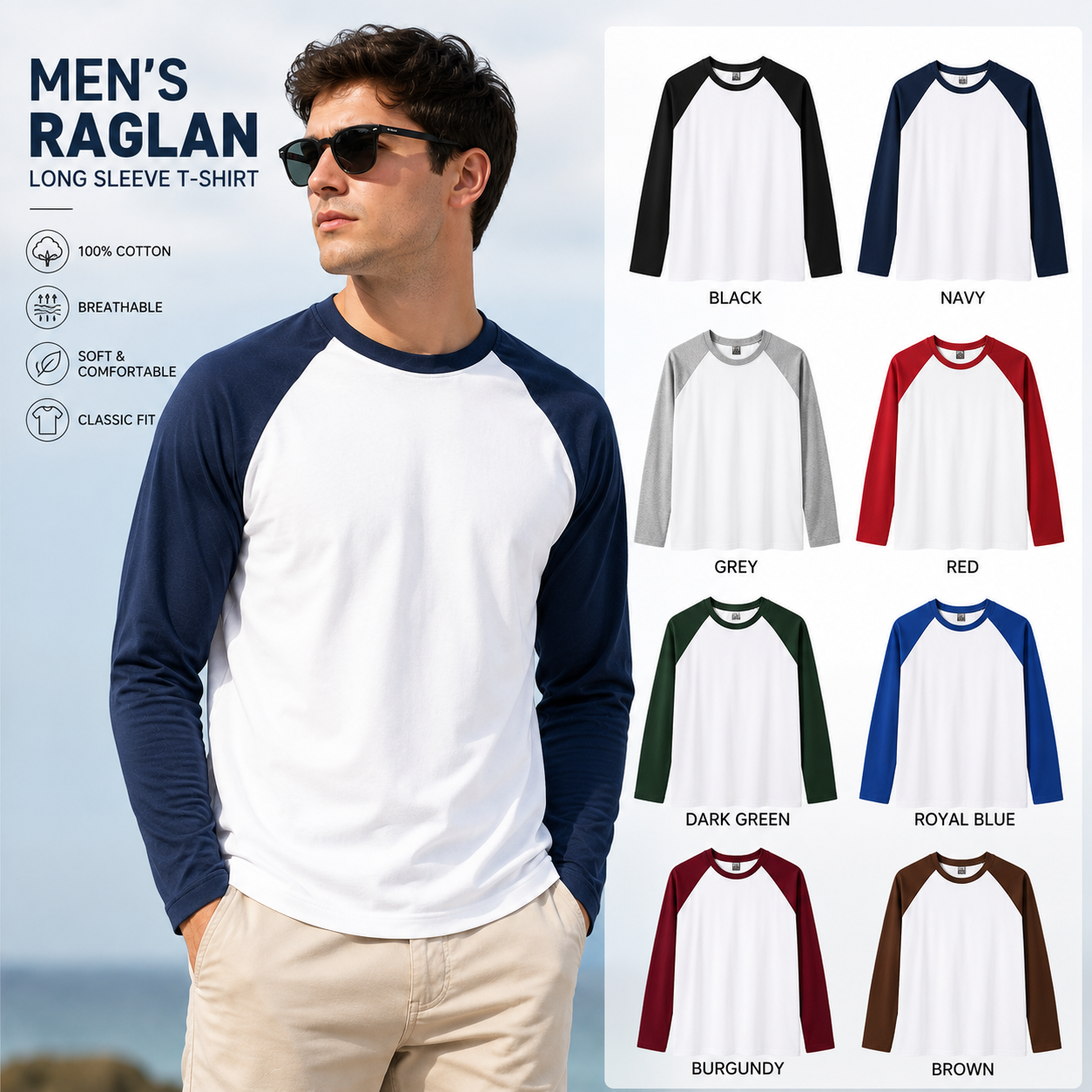
T-Shirt Manufacturing Company for Wholesale Buyers

Jinan Runhang Textile Co., Ltd.   —— Verified by SGS

application/t-shirt-manufacturing-company, application/t-shirt-manufacturing-company, 
Inquiry
Inquiry

T shirt manufacturing company

When sourcing T-shirts for wholesale, particularly through a reputable t-shirt manufacturing company, buyers must consider various factors that affect quality, cost, and application suitability. Jinan Runhang Textile Co., Ltd. specializes in producing a range of apparel, including T-shirts, and offers integrated design-to-delivery services. This article will guide purchasing managers, distributors, and other B2B buyers through the essential aspects of evaluating custom t shirt for wholesale, ensuring informed decisions that align with their specific needs.

Understanding T-Shirt Specifications for Wholesale Buyers and Distributors

Understanding T-Shirt Specifications for Wholesale Buyers and Distributors

Understanding T-shirt specifications is crucial for making informed purchasing decisions. Key specifications to consider include:

Fabric Composition: This affects comfort, durability, and performance. For example, 100% cotton provides softness and breathability, while a cotton-polyester blend may enhance durability and reduce shrinkage.

Weight: The fabric weight, measured in GSM, determines the thickness and quality of the custom t shirt printing. A heavier GSM often indicates a more durable product, suitable for long-term use.

Fit: T-shirts can come in various fits, standard, fitted, or relaxed. Understanding your target market's preferences will guide your selection.

Color Options: Ensure your supplier can provide a range of colors, especially if you plan to order in bulk. This allows for better customization and alignment with your branding.

Labeling and Customization: Verify the manufacturer's capabilities regarding custom labels, prints, and embroidery options that meet your branding needs.

Confirming these specifications with your supplier can prevent costly mistakes and ensure that the final product meets your expectations.

Cost Factors to Consider When Sourcing T-Shirts in Bulk

Cost Factors to Consider When Sourcing T-Shirts in Bulk

When sourcing T-shirts in bulk, several cost factors come into play. The primary cost determinants include:

Material Costs: The choice of fabric significantly impacts the overall price. Premium materials like organic cotton or specialized blends will typically command higher prices.

Order Quantity: Most manufacturers, including Jinan Runhang, offer tiered pricing structures. Larger orders usually yield lower per-unit costs, so consider your inventory needs carefully.

Customization Fees: Additional features such as custom designs, embroidery, or special finishes often incur extra charges. Clarify these costs upfront to avoid surprises.

Shipping and Handling: Depending on your location and the manufacturer's shipping policies, these costs can vary widely. Consider logistics and delivery timelines when evaluating total costs.

Lead Times: Rush orders may also incur additional fees. Understanding the standard lead times for production can aid in planning and cost management.

By taking these factors into account, buyers can better gauge the total cost and make smarter purchasing decisions.

Common Problems in T-Shirt Manufacturing and Their Solutions

Common Problems in T-Shirt Manufacturing and Their Solutions

T-shirt manufacturing can present several challenges. Here are some common issues and suggested solutions:

Inconsistent Sizing: Variability in sizes can lead to customer dissatisfaction. To mitigate this, request detailed size charts and sample sizes before placing a bulk order. Regular quality checks during production can also help maintain consistency.

Fabric Defects: Issues such as color fading or fabric pilling may arise. Ensure your manufacturer like JRT has quality control processes in place, including pre-shipment inspections and testing for colorfastness to reduce these risks.

Print Quality Issues: Poor printing quality can detract from the product's appeal. Collaborate with your supplier on design proofs and sample prints to confirm quality before mass production.

Delayed Deliveries: Late shipments can disrupt your supply chain. Establish clear timelines and maintain communication with your manufacturer throughout the production process to anticipate potential delays.

Addressing these common manufacturing problems proactively can save time and costs, ensuring a smoother procurement process.

Applications of Custom T-Shirts in Various Industries and Events

Custom T-shirts serve diverse applications across numerous industries and events. Understanding these applications can help buyers tailor their orders to meet specific needs:

Corporate Branding: Many companies utilize custom T-shirts for branding purposes, using them as uniforms or promotional giveaways during events and trade shows.

Sports Teams: Custom T-shirts are popular in the sporting industry, serving as team jerseys or fan merchandise. High-quality, moisture-wicking fabrics are often preferred for athletic wear.

Events and Promotions: Festivals, conferences, and charity events frequently use custom tshirts printed as a form of branding and participant identification. Consider the event's theme when selecting colors, designs, and materials.

Retail: Fashion retailers often include custom T-shirts in their product lines, emphasizing current trends and styles. Buyers should follow market trends to ensure their offerings remain competitive.

By recognizing the various applications of custom T-shirts, buyers can make selections that not only meet their needs but also enhance their brand identity and market presence.

How to Evaluate the Quality of Custom T-Shirts for Wholesale

Evaluating the quality of custom T-shirts involves several critical factors. Start by assessing the fabric type; commonly used materials include cotton, polyester, and blends. Cotton is known for its breathability and comfort, while polyester offers durability and moisture-wicking properties. When evaluating fabric, consider the GSM (grams per square meter) as it indicates the fabric's weight and thickness, which can affect overall durability.

Next, inspect the stitching quality. High-quality customized tee shirts should have neat, even stitches without loose threads or skipped stitches. A common mistake is overlooking the seam type; for instance, double-stitched seams offer greater strength, reducing the chances of tearing during wear.

Additionally, conduct a thorough fit evaluation. Request samples to ensure that the dimensions meet your specifications for sizes and styles. Remember, what appears acceptable on paper might not translate well into production. A quality inspection should also include checking for color consistency and finish, ensuring that the final product aligns with your brand's standards.

Frequently Asked Questions

What products does your company manufacture?

We produce T-shirts, polo shirts, hoodies, jackets, pants, and shorts through integrated manufacturing processes.
Yes. We provide one-stop services from design and prototyping to production and global delivery.
Yes. We serve global brands and distributors with scalable production capacity and reliable supply.
We emphasize quality craftsmanship, strict production controls, material inspection, and final checks to meet client specifications.
Lead times depend on order size and complexity; we coordinate production scheduling and logistics to ensure timely delivery worldwide.

Get a Free Quote

Our representative will contact you soon.
0/1000